“Time-lapse photography means taking a series of images over a period of time to compile them into a video? I am not sure why you would do that. Why not just record a video and play it at a faster or a slower speed?”. This is what I naively asked Janik as he set up his camera to capture a time-lapse. His subject was the striking red dunes beneath a swiftly shifting canopy of dark clouds in Namibia.
“Well, most affordable video cameras record in either Full HD or Ultra HD. In contrast, depending on your camera’s megapixel count, with photos, you might even be able to shoot in higher resolutions, like Super HD,” he replied.
“Timelapse photos can be shot at any shutter speed. You can stretch time with long exposures or compress it using fast shutter speeds, creating stunning visual effects.” He presented a compelling argument in favour of the technique, while fiddling with his camera settings.
Not A Replacement for Video
The conversation also made me realize that time-lapse photography should not be seen as a video substitute. Instead, time-lapse photography serves as a narrative of its own genre. It uniquely captures time and transforms hours or days into short, visually striking video clips. Assembling a collection of images in a video, time-lapse photography unveils sequential changes and movements. Like flowers blooming, a building being constructed, or clouds in the sky – turning ordinary moments into captivating vignettes. This art form provides a fresh perspective on the ever-changing world around us. The ticking of time is woven into the aesthetic.
As a videographer, I understood what my friend meant by the freedom of shutter speed in time-lapses, as opposed to the shutter speed of video recording, where it is crucial to set the shutter speed based on the frames per second (fps) to create a natural motion blur. For instance, at 25fps, a shutter speed of 1/50 sec is recommended. Videographers need to employ techniques like the use of neutral density (ND) filters to maintain a constant shutter speed. By contrast, there is no restriction on the shutter speed for time-lapse images. However, for the scene you are shooting, each image should ideally maintain the same shutter speed; otherwise, the light transition in the final video may not be smooth.
Time lapses necessitate a thorough understanding of aperture, shutter speed, ISO, frames per second, and the complexities of changing lighting conditions. Photographers must anticipate the appropriate shutter speed and the interval between exposures, intertwining artistry with mathematical precision.

The Intersection of Time-lapse and Long Exposures
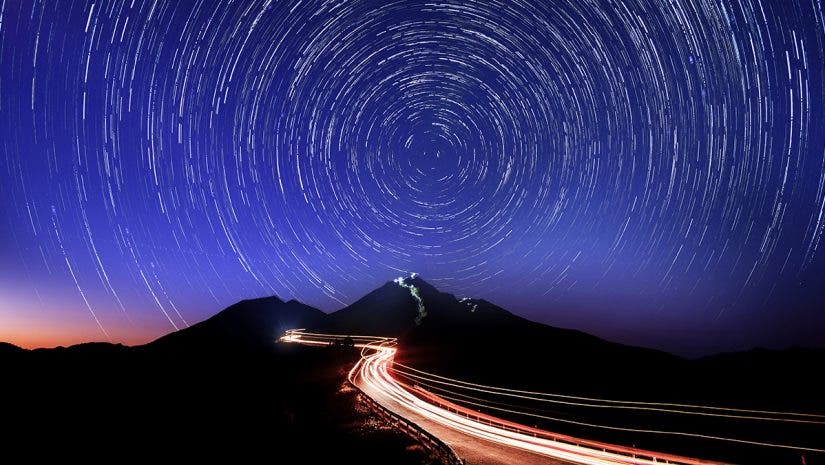
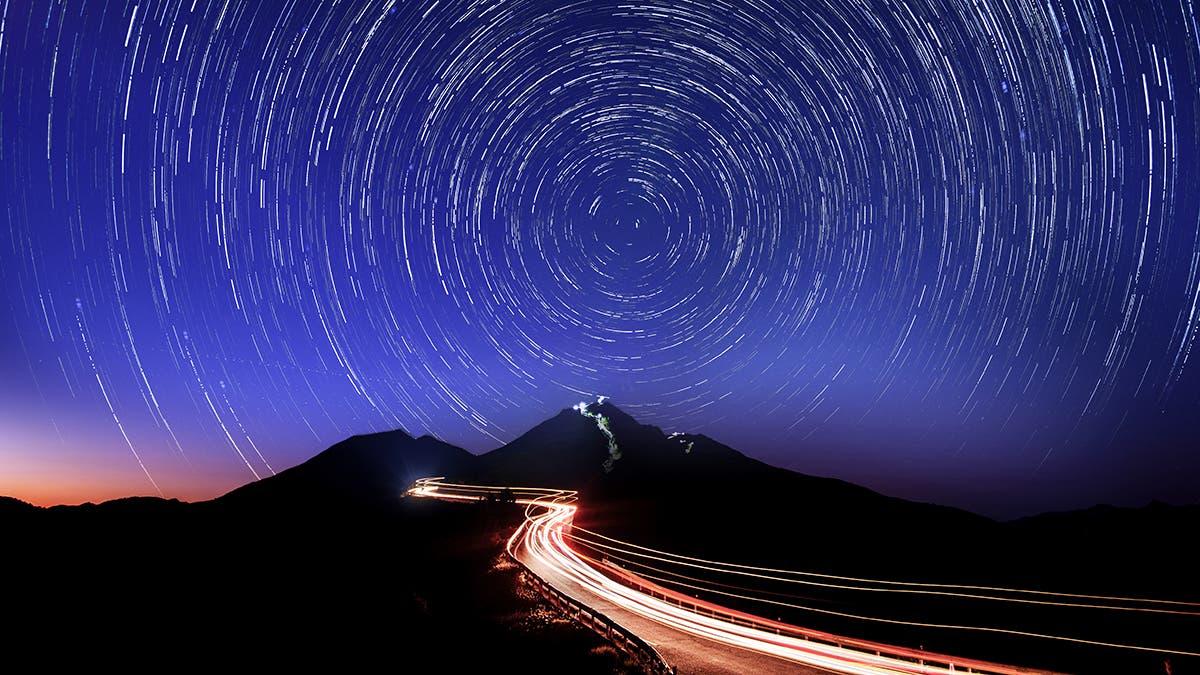
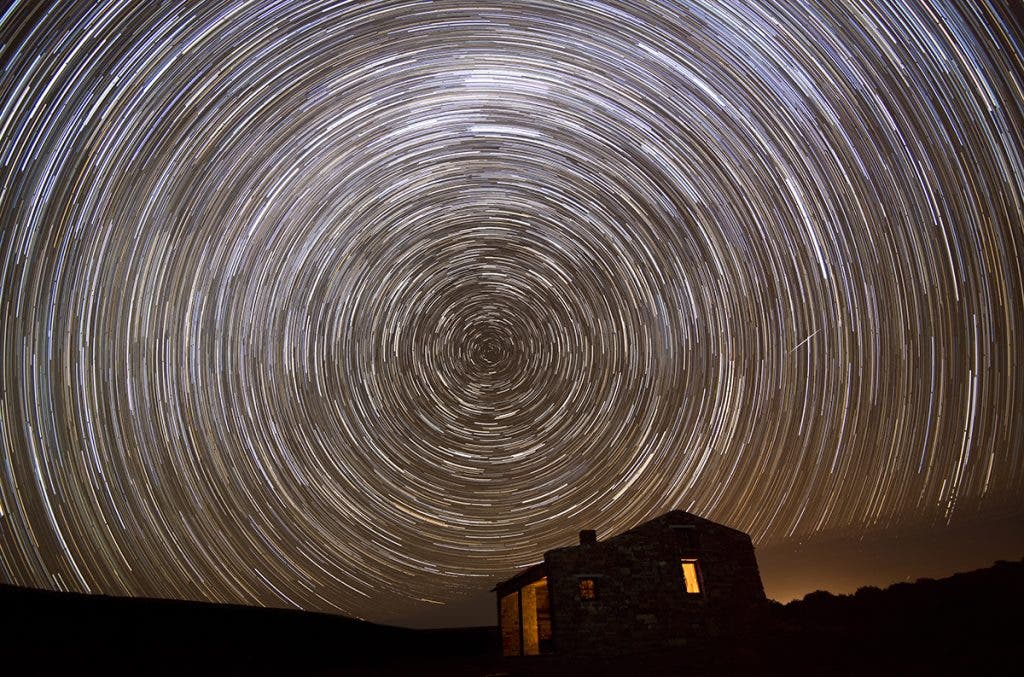
I took over a hundred images of a cottage under the Milky Way, using a long exposure time of 30 seconds for each photograph. The photos were taken continuously for an hour. This method provided some distinct advantages. It firstly allowed me to compile the raw images into a 5-second video at 25fps that effectively showcased the dynamic movement of the Milky Way. I also produced a star trail photograph by combining these long exposures by first editing them in Adobe Lightroom and then combining them using free software called StarStax. Because I had access to each image, I could additionally easily remove pollution from passing planes or satellites using Adobe Photoshop.
ND Filters and Long Exposure for Time-Lapse PHotography
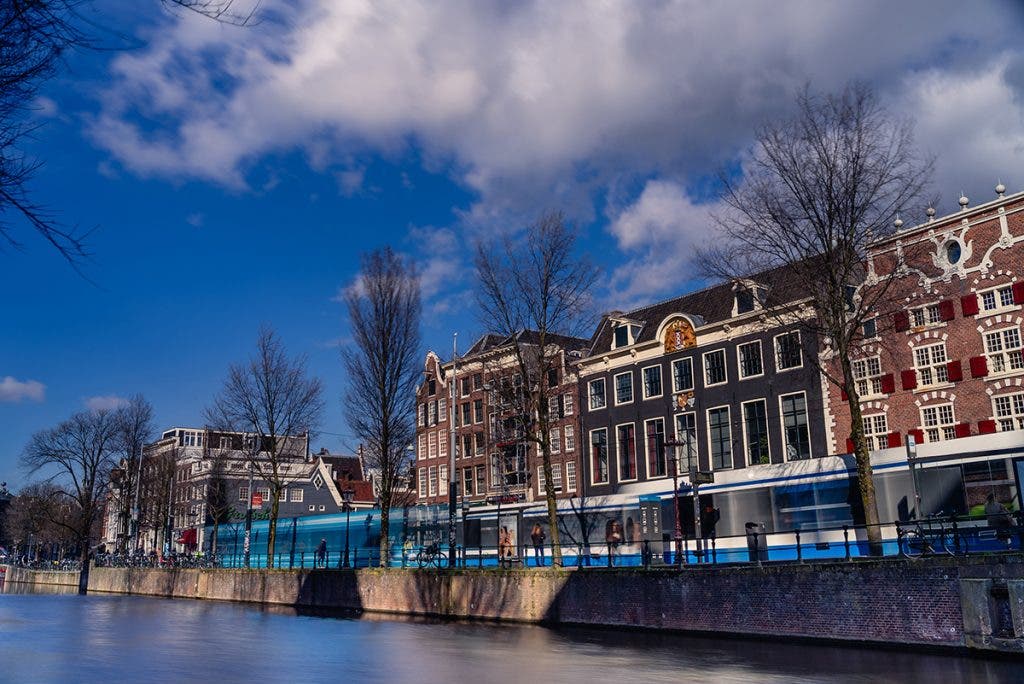
Long exposure time-lapses can be achieved at any time of day using ND filters. I stacked two filters during midday, reducing the light by 13 stops, and shot images with a slow shutter speed of 6 seconds each. This technique rendered the moving trams on the bridge as smooth blurs as they slowed down. Images A and B below depict the movement, and image C shows the tram as a still object when it stops at a station. The resulting video was a harmonious blend of motion and stillness as the trams passed, with the clouds racing overhead and the choppy water appearing silky smooth.

During bright daylight, using ND filters allowed for a shutter speed of 3 seconds for the image below that I shot in Amsterdam. This method successfully portrayed an urban landscape, showcasing stretched clouds, trams in motion, and pedestrians depicted as dynamic blurs. The final time-lapse video combined these images with scenes of passengers waiting – some standing still while others, as a blur, hurriedly boarding the train under a shifting sky. This method provided a gripping view that a traditional video would struggle to convey without the use of special effects.
A Symphony of Strikes: Mastering Time-Lapse Techniques and Digital Tools
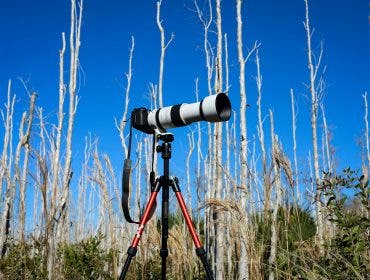
By taking the time to understand the dedicated settings tailored for interval shooting, you can fully harness the advanced features of modern digital cameras. This allows you to capture images at predetermined intervals, often eliminating the need for a shutter release cable.
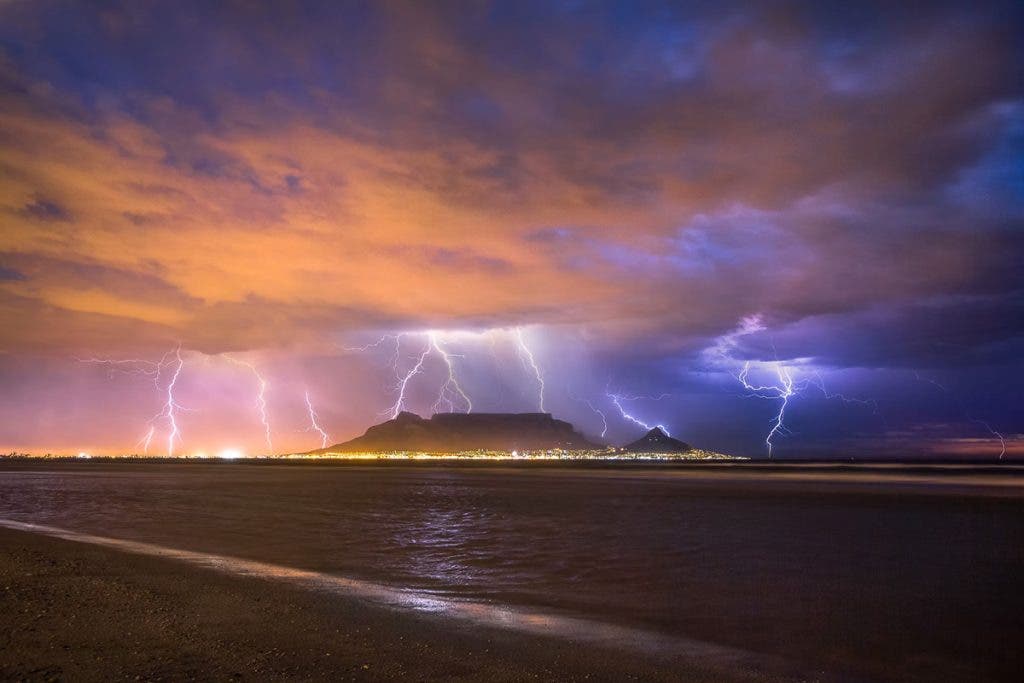
Having strong camera skills is just one part of mastering the art of photography; the integration of digital tools is equally essential, particularly when it comes to enhancing time-lapse photography. Software for photo and video editing and post-processing significantly contributes to the overall quality and impact of time-lapse sequences. The image below illustrates the effectiveness of merging photography with such software. In the peak of summer, capturing the dramatic lightning bolts during a thunderstorm over Table Mountain in Cape Town necessitated continuous shooting. The photo collection culminated in a video and a rare and breathtaking photograph. A single composite image was achieved by stacking images in Adobe Photoshop and revealing lightning bolts using layers.
A notable tool for photographers is the LRTimelapse plugin for Adobe Lightroom, which simplifies the process of creating time-lapse videos. The software’s powerful deflickering feature ensures smooth transitions by eliminating lighting variations, while batch processing saves time on large projects. Additionally, LRTimelapse supports long exposure techniques and provides user-friendly visualizations, making it accessible for photographers at all skill levels. Ultimately, it empowers creators to produce professional-quality time-lapse videos with greater efficiency and artistic control.
Conclusion
Time-lapse photography necessitates a solid understanding of photography and videography, as well as post-processing skills. Composition is always a critical aspect of photography, and in time-lapse, it requires the photographer to be even more meticulous because, once a time-lapse sequence begins, stopping it can disrupt the subtle transitions intended to be showcased in a scene. Consequently, careful planning and patience are essential in this form of photography. Whether employing long exposures or fast shutter speeds, it is a powerful vehicle for visual storytelling that invites viewers to engage with time in inventive ways.