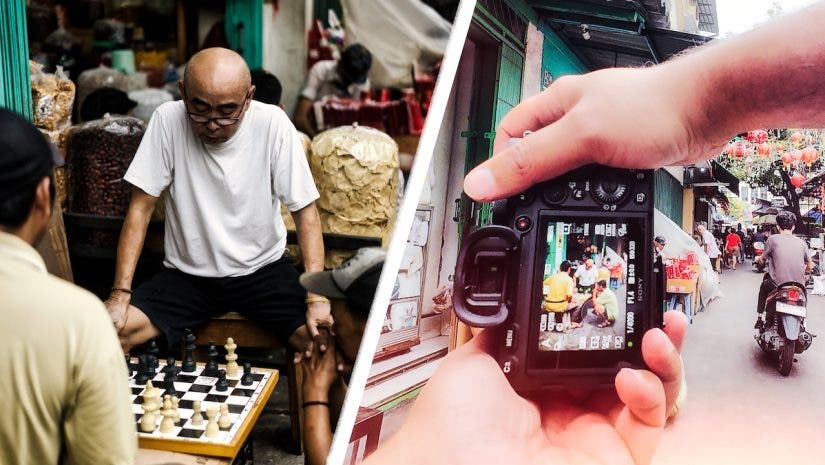
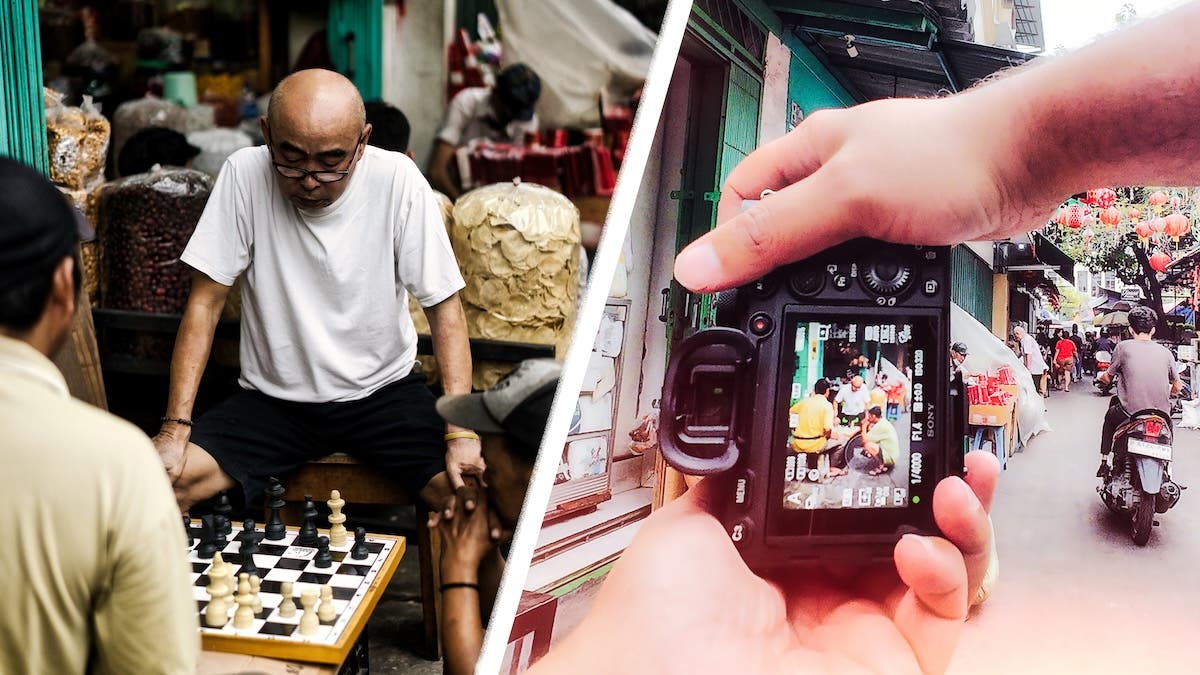
Standing on the jostling streets of Jakarta’s Petak Sembilan district, two cameras hanging around my neck like ornaments, feeling like the most conspicuous tourist in the crowd, I stood perplexed. I asked myself how I could create compelling visual stories from these urban street photography moments when I was overwhelmed in this unfamiliar environment. I felt a nervous flutter while spotting camera moments, reluctant to approach strangers with a foreign tongue, hesitating for fear of rejection.
This kind of challenge is deeply personal. Many photographers struggle with this transition from camera-shy tourist to confident street shooter. The key lies in building genuine connections while mastering essential techniques to help capture authentic moments in bustling city environments. Through deliberate practice and thoughtful engagement, anyone can develop the skills necessary to tell appealing visual stories of the streets.
Confidence-building strategies
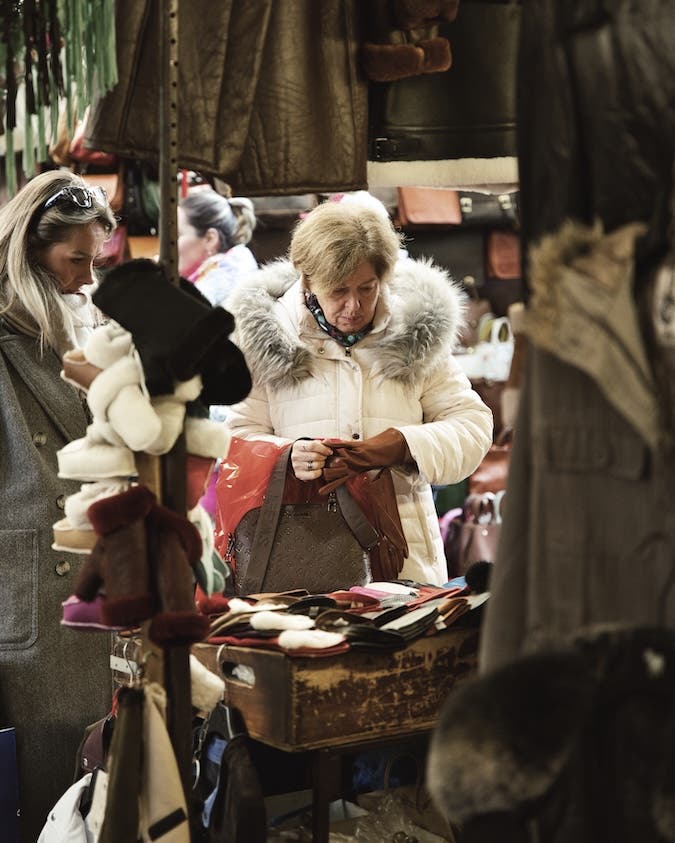
The biggest hurdle for aspiring street photographers is not technical knowledge; it’s overcoming the mental barrier of photographing strangers. Here are a few tips to help you build confidence.
- Use zoom lenses, such as a 24-70mm or a telephoto lens like a 70-200mm, to warm up and shoot from a distance without being noticed. This approach allows you to practice composition and timing while building confidence before transitioning to closer, more intimate shots with prime lenses.
- Move progressively closer as comfort levels increase.
- Maintain a friendly, approachable demeanour with subjects.
- Make eye contact and smile when interacting with potential subjects.
The transformation from a hesitant observer to an adept street photographer occurs through consistent practice.
Handling Rejection With Grace
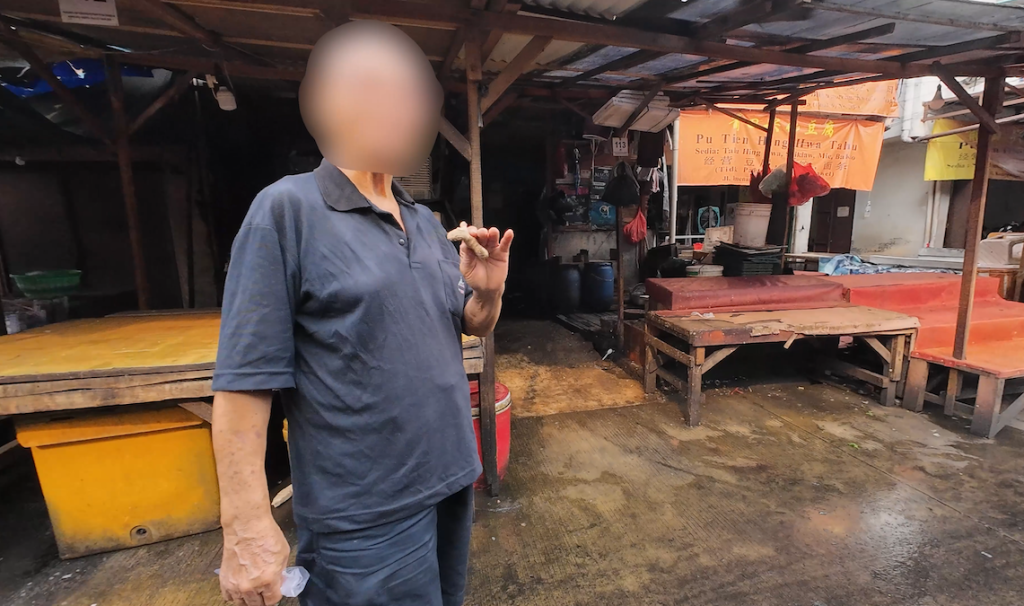
Rejection is inevitable in street photography, but how you handle it determines your growth. Learning to navigate these moments professionally builds both skills and character.
- Always thank people who decline being photographed
- If already in conversation, don’t abruptly end the chat after they say no; this appears selfish and shows that you only valued them for your own needs.
- Use the 30-second reset technique: take a moment to breathe and refocus before moving forward.
- Walk to a different location, even across the street, to reset your mental state.
- Remember that rejection often reflects cultural values, privacy concerns, or personal circumstances, not your photography skills. It is usually not about you.
- View each rejection as a learning opportunity to read people and situations better.
Graceful handling of rejection often leads to more real connections and, in some cases, even a change of mind about being photographed.
Capturing Diverse Perspectives
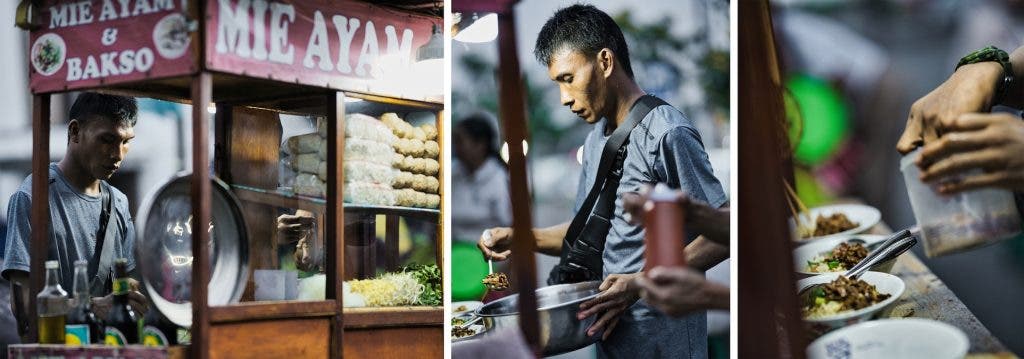
Street photography can tell complete stories through varied compositions and perspectives. Different shot types work together to create textured visual narratives.
- Environmental shots showing subjects in their broader context
- Close-ups of hands, tools, or work-related activities
- Traditional portraits capturing personality and character
- Candid moments revealing spontaneous emotions or interactions
- Wide shots establishing location and atmosphere
- Tight crops emphasising specific elements or expressions
This variety ensures comprehensive storytelling while providing flexibility during the editing process.
Technical Mastery for Street Success
Equipment choices significantly impact street photography results. Prime lenses, particularly 50mm and 85mm focal lengths, force photographers to be more deliberate about composition and positioning.
Key technical considerations:
- Use prime lenses to develop compositional skills through “foot zoom”.
- Increase ISO settings for faster shutter speeds in changing light conditions.
- Shoot in aperture priority mode for better depth of field control.
- Carry multiple cameras with different lenses to avoid missing shots while changing equipment.
- Take both horizontal and vertical shots of the same subject.
- Experiment with different angles for more dynamic compositions.
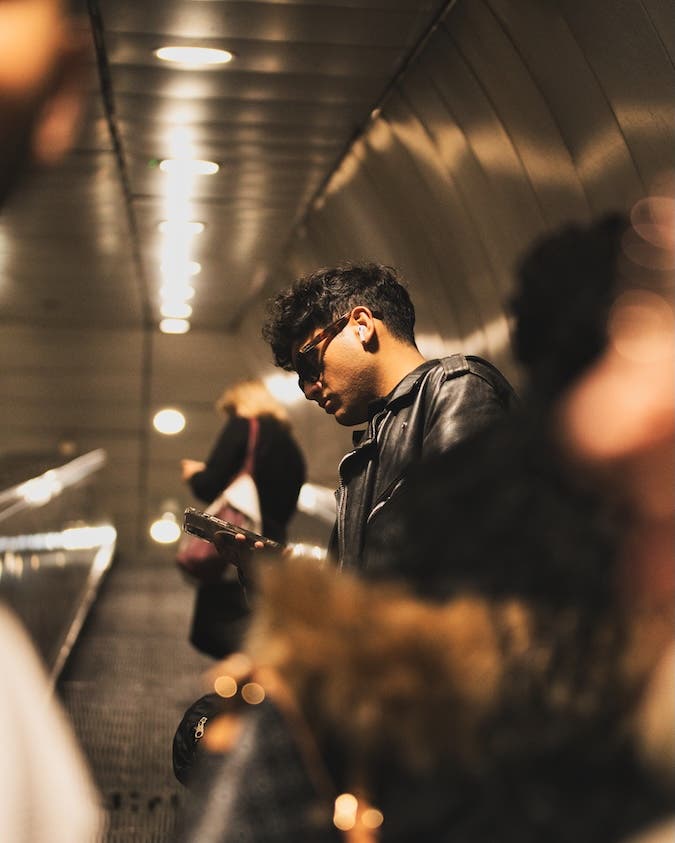
Technical skill supports creative vision, but shouldn’t overshadow the human element that is the primary appeal of street photography.
Creating Meaningful Human Connections
The most powerful street photographs emerge from genuine interactions between photographer and subject. Technology can bridge language barriers and facilitate these connections.
Strategies for building rapport:
- Learn basic phrases in the local language or use translation apps.
- Ask permission when photographing individuals directly.
- Engage in brief conversations to understand subjects’ stories.
- Show your genuine interest in people’s work, culture, or daily activities.
- Take time to share the photographic experience with subjects.
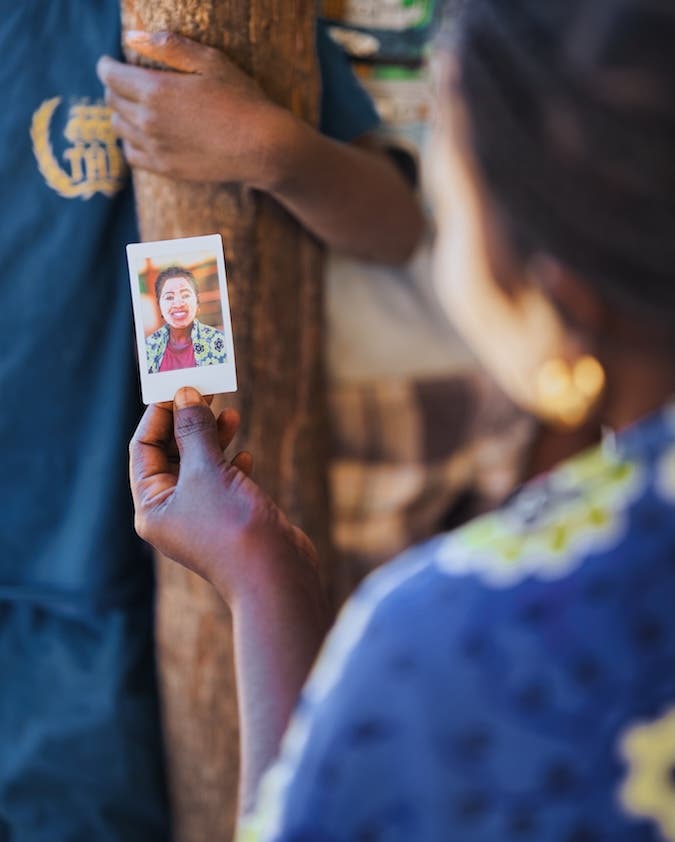
- Consider printing photos as gifts for cooperative subjects. I usually keep an Instax mini printer handy for such occasions.
These interactions often lead to the most memorable photographs, as people become collaborators rather than mere visual subjects.
Respecting Subjects and Communities
Street photographers serve as ambassadors for the broader photography community. Ethical practices and courteous behaviour protect both individuals and the reputation of photographers as a community.
Ethical guidelines for street photographers:
- Prioritise subject dignity over getting the perfect shot.
- Consider deleting inappropriate photographs.
- Represent photography positively through conscious interactions.
- Avoid exploiting vulnerable individuals or situations.
- Share benefits when possible, such as printed photographs or small donations.
- Maintain awareness of cultural sensitivities in different locations, for example, when photographing women and children, especially in more conservative societies.
These practices help ensure that street photography remains welcome in communities worldwide.
Weather and Adaptability Challenges
Unpredictable conditions often create the most interesting photographic opportunities while testing a photographer’s adaptability. Rain, changing light, and unexpected situations frequently lead to unique shots.
Preparation and adaptation tips:
- Carry weather protection for both the photographer and the equipment.
- View challenging conditions as creative opportunities rather than obstacles.
- Use environmental changes to create more dynamic compositions.
- Stay flexible with shooting plans when conditions change.
- Protect equipment while remaining ready for sudden photo opportunities.
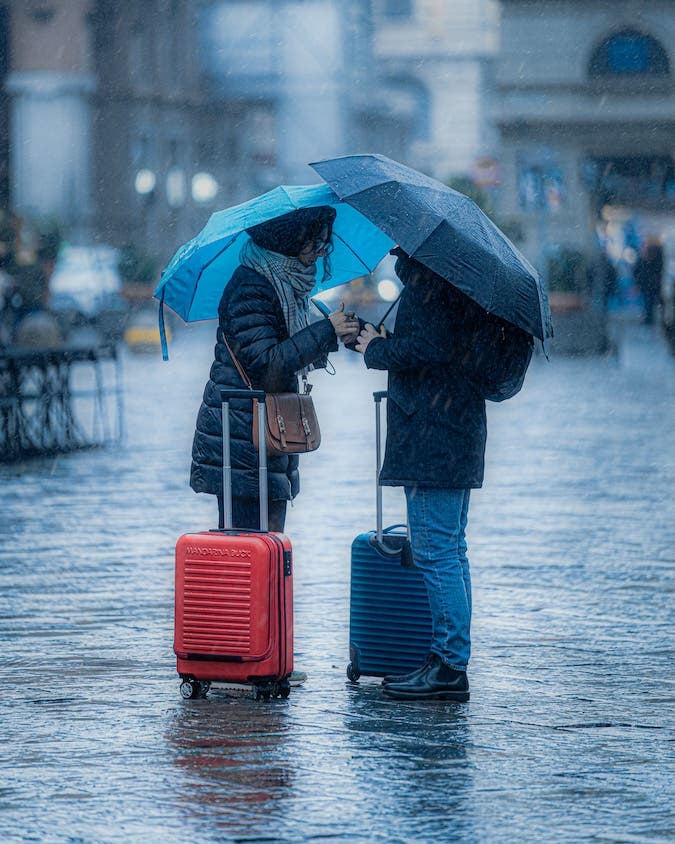
Accomplished street photographers welcome unpredictability and seek to navigate challenging situations rather than resist them. Some of my favourite images were captured in the rain, like the one featured below, revealing a tender, almost romantic moment shared by a couple in Florence.
Conclusion
Street photography excellence stems from striking a balance between technical proficiency and genuine human connection. The journey from uncertain tourist to confident street photographer requires patience, practice, and respect for subjects and communities.
Success in street photography isn’t measured solely by technical perfection but by the ability to capture authentic moments that tell meaningful stories. Through consistent practice, mindful interaction, and adaptability to changing conditions, photographers can develop the skills and confidence necessary for compelling urban photography.