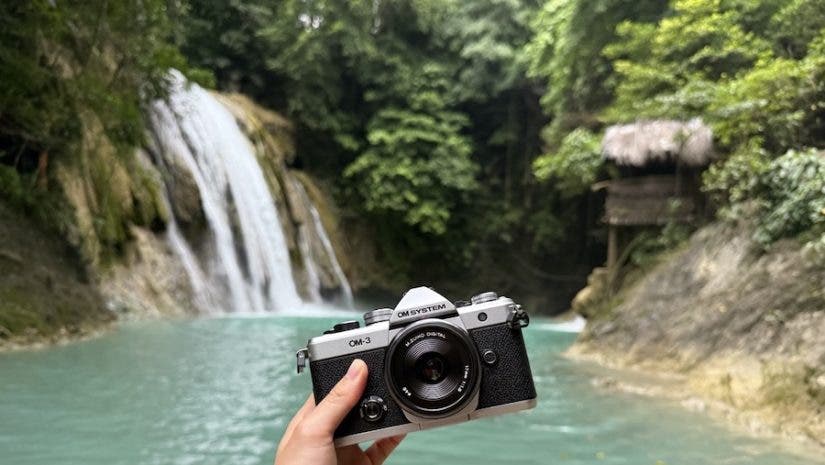
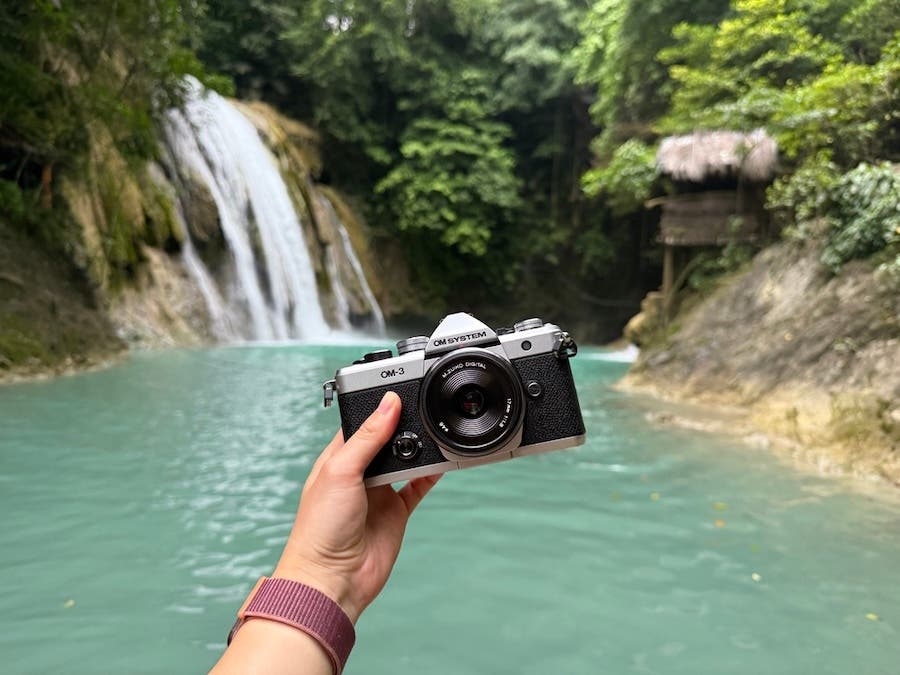
Over the past several months, I’ve taken the OM System OM-3 everywhere with me — from the islands of the Philippines, to French Polynesia, through New York City, and most recently, the rain-soaked streets of San Francisco.
Instead of approaching this camera as a technical review, I wanted to talk about what it’s actually been like to live with it. How does it fit into my everyday workflow? Does it encourage me to bring my camera more places? And most importantly — does it make me want to create?
A Familiar Feeling
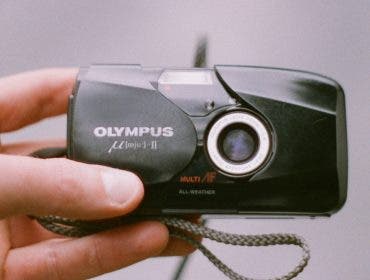
The funny thing about the OM-3 is that it feels deeply familiar to me. For over four years, I hauled my first mirrorless camera, an Olympus OM-D E-M10 Mark II, everywhere I went. It was lightweight, intuitive, and never felt like a burden.
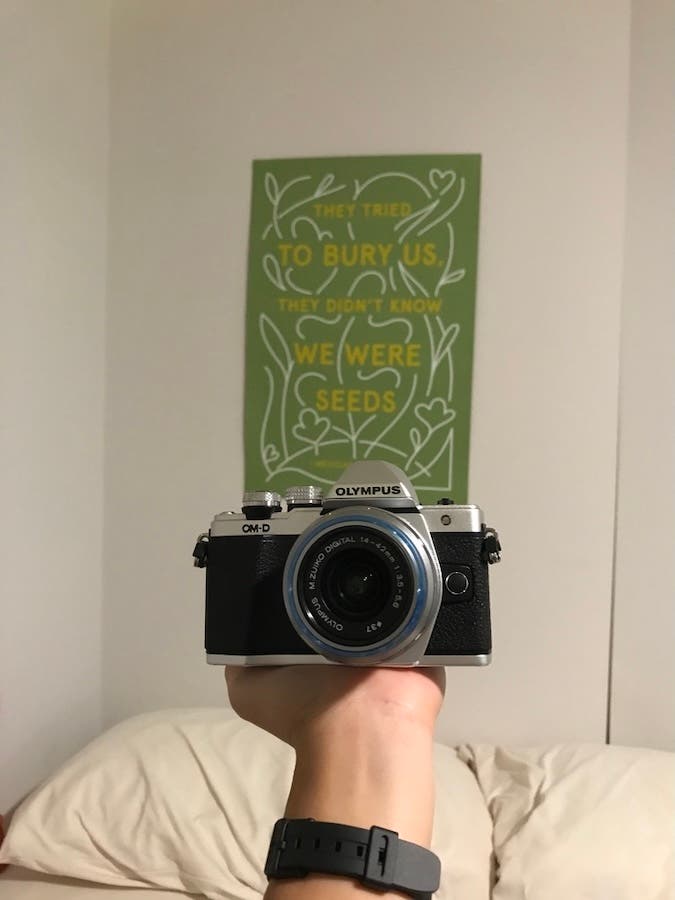
The OM-3 reminds me a lot of that period in my photography journey. It brings back the same sense of freedom and curiosity — but with the refinement and reliability I need today as a working photographer and filmmaker.
Experience Over Specs
One of the first things people point out about the OM-3 is that it uses a Micro Four Thirds sensor. On paper, that means 20 megapixels, which, admittedly, is about a third of the resolution I get from my usual camera setup.
But after using this camera extensively, I kept coming back to the same question: does that actually matter?
Today, we view most photos on Instagram, websites, or YouTube videos. In those contexts, the difference between 20 and 60 megapixels is practically invisible. What matters more is composition, color, and whether an image feels like something.
Honestly, the camera delivers surprisingly clean and sharp files—both RAW and JPEG. The sensor has never “shown itself” to me in a limiting way.

Built for Travel
Having traveled with a wide range of camera systems, I’m always hyper-aware of how much space and weight my gear takes up. This is where the OM-3 really shines.
The camera body is compact and lightweight, and the Micro Four Thirds lens system allows for incredibly small kits without sacrificing quality. Despite its size, the build quality feels excellent — solid, balanced, and confidence-inspiring in hand.
It’s also fully weather sealed, which made a huge difference while shooting in the rain in San Francisco. Not having to worry about my gear lets me stay focused on the moment rather than the conditions.
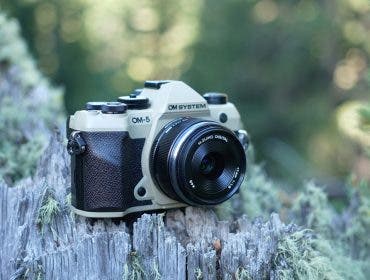
And on a lighter note — it’s just a really good-looking camera. Almost everyone who sees it assumes it’s a film camera, which I find kind of charming.
Color Science That Works With You
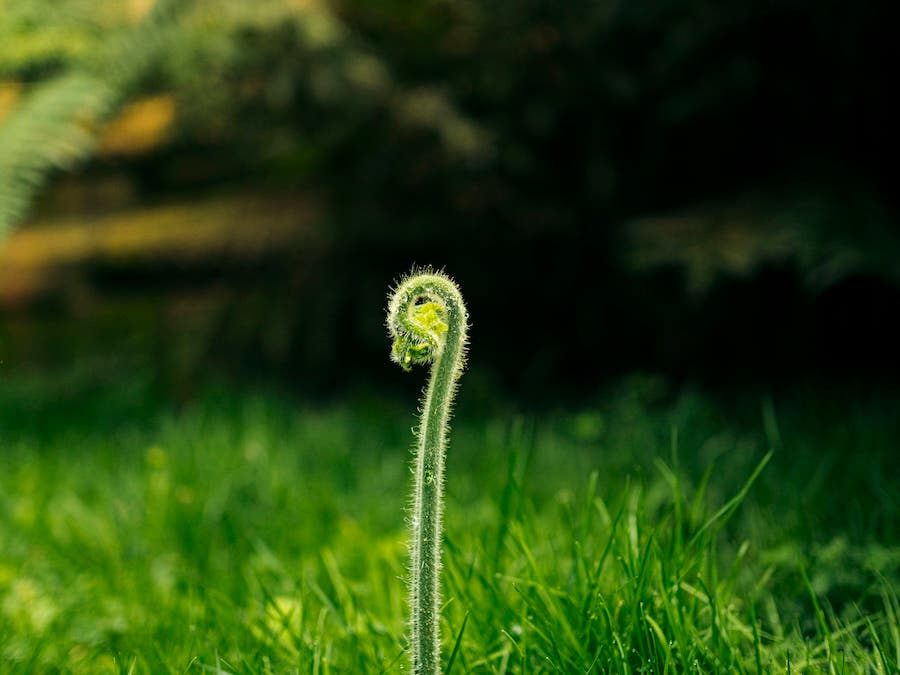
One of my favorite things about the OM-3 is the color science. The colors straight out of camera immediately reminded me of what I loved about my original OM-D all those years ago.
I typically shoot both RAW and JPEG. While I don’t rely entirely on straight-out-of-camera JPEGs the way some Fuji shooters do, I like having the option when I’m short on time. What I appreciate most is that whether I’m editing the RAW files or using the JPEGs, the base colors are really pleasant to work with and hold up well in post.

The Price Question
At around $2,000, the OM-3 sits in a price range with a lot of strong competition. There are plenty of other bodies you could consider at that price point.
That said, after traveling with this camera across multiple countries, I can confidently say I’ve genuinely loved using it. I’ve never felt held back by the sensor size, and I’ve consistently been happy with the images I’ve gotten from it.
If you’re curious about the OM-3, I’d highly recommend trying it in person at a local camera store — somewhere like Adorama — and seeing how it feels in your hands. Choosing a camera is such a personal decision, and experience matters just as much as specs.
A Camera That Encourages You to Create
At the end of the day, the OM System OM-3 isn’t about chasing numbers on a spec sheet. It’s about portability, reliability, and creating a camera you actually want to take with you.
For me, it’s a camera that fits seamlessly into my creative life — one that makes me excited to travel, explore, and keep shooting. And honestly, that’s what matters most!