In this time of high-tech image stabilized and vibration reduction lenses as well as anti-shake capabilities built into cameras from Sony, Olympus, and Pentax, you might wonder if you even need a tripod? I think so. Let me tell you why.
|
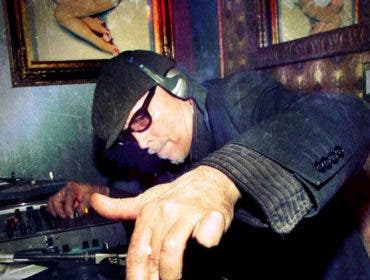
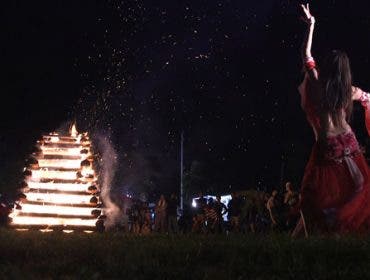
Don’t rock the boat: There is no doubt that an image stabilized camera body such as the Olympus E-3 can be a big help in low-light photography. Exposure for this shot was hand-held at 0.4 seconds at f/3.5 and ISO 2000. (Neat Image was selectively used to reduce digital noise.) But sometime you need to shoot at shutter speeds slower than this, and that means you’ll need a tripod. © 2007 Joe Farace
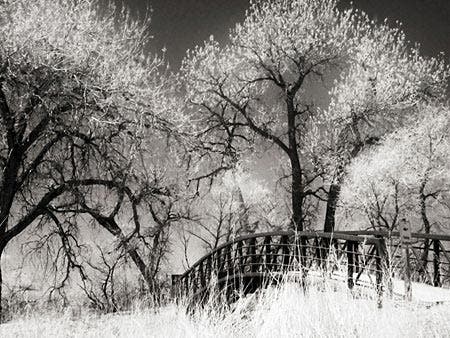
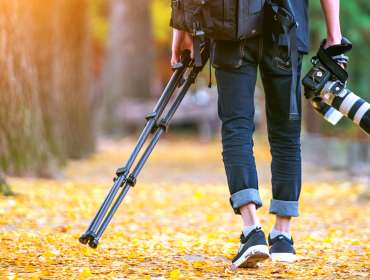
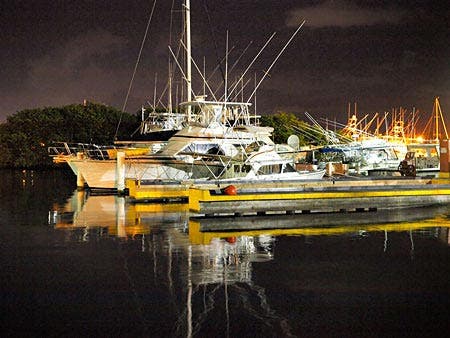
Infra-ready: Shutter speed used for this digital infrared photograph made through the opaque Singh-Ray I-Ray IR filter was eight seconds. Even the best image stabilization lens or camera body won’t work at these kind of extended shutter speeds. You’re gonna need a good tripod. ©2008 Joe FaraceTripods come in many sizes from tiny tabletop models to heavy-duty camera stands for studio use. Because of the availability of so many types, sizes, construction materials, styles, and even colors, there’s never a one-size-fits-all solution, and like eating potato chips you can’t have just one. That’s why most of us end up with a collection of camera supports with different tripods used for different kind of tasks.Joe Farace is co-author of “Better Digital Available Light Photography” along with Pulitzer Prize winning photographer Barry Staver. It is published by Focal Press and is available in all the best bookstores. |
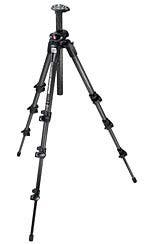 Be kind to our three-legged friends: