
You’ve done the soul-searching. You’ve looked at your market, run the timing specifics, looked hard at your budget, and decided you still want to do this. So what does “starting” your wedding photography side hustle actually look like?
Here’s what nobody tells you upfront: starting is the easy part. Starting right is where most people stumble — and the mistakes made in year one have a way of following you for years after that.
Building Your Gear Bag for Your Wedding Photography Side Hustle
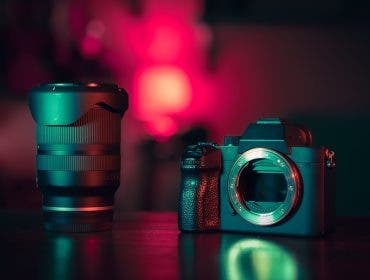
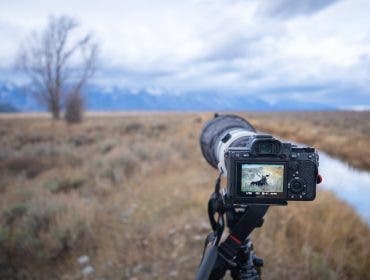
You do not need the best camera on the market. I cannot stress this enough, because I watch photographers agonize over gear when they should be worrying about something else entirely. What you do need is gear that won’t fail you in a dark reception hall at 10 pm, or in the middle of an outdoor ceremony when the light shifts and you have thirty seconds to adjust.
At minimum: a camera body you know inside and out, a fast lens — f/2.8 or faster — a reliable flash, and a backup for both the body and the flash. That last part is non-negotiable, full stop.
I’ve been shooting weddings for over two decades, and I still carry backup bodies. Not because I expect my camera to fail. Because a wedding ceremony lasts maybe twenty-five minutes and will never happen again, and there is no version of that story that ends well if your only camera dies during the vows. Your flash stops firing during a dark reception? There’s no recovery from that either. Backups aren’t a luxury in this industry. They’re an insurance policy.
The other thing that’s crucial is knowing what you have. I mean, really knowing it. Knowing it the way you know your own hands in the dark. A wedding is not the place to learn a new camera system. It’s not the place to figure out off-camera flash for the first time, or to discover mid-ceremony that you’re not sure how your camera meters in mixed light. Shoot with what you know. Then practice with it until using it stops requiring conscious thought at all.
This matters more than people realize. When your gear becomes muscle memory, your mind is free. It’s open to actually see what’s happening in front of you. Free to notice the grandmother watching from the back row, the flower girl who’s about to lose it, the groom taking one long breath before the doors open. That’s where the real photographs live, not while fumbling with camera settings but right in front of you.
What will this actually cost me?
Gear is just the beginning of the financial picture, and I want to be honest with you about how much this surprises people.
Before you book your first wedding, you need editing software, a contract, a lawyer to review that contract — yes, an actual lawyer, not a template you found online — liability insurance, a website, and some form of client management system. None of this is optional if you’re running a real business. And you are running a real business. The moment you take money from a client, you are. A side hustle is still a real business.
Then there’s the gear you’ll add as you grow. Additional lenses. More lighting equipment. Extra cards and batteries, because you will go through them faster than you expect. Multiple hard drives, because redundant backup is not paranoia, it’s professionalism. The upfront investment before you ever see a dollar from a client is real, and it catches a lot of people completely off guard.
Do the math before you book anything. Know what you need to earn before the business actually costs you money.
Your investment of time
Money isn’t the only thing you’re spending while setting up and running your side hustle. Time is the other one, and time spent before you’re ready costs you something harder to get back than cash. It costs you your reputation.
Look for assisting jobs with wedding photographers, and work your way up to second photographer jobs. Work alongside someone more experienced and watch how they move through a day. Watch how they handle a timeline running forty-five minutes late, a family portrait list that’s twice as long as it should be, and a venue coordinator who’s decided they’re running things now. Watch how they communicate with clients under pressure, how they stay calm when something goes sideways, how they read a room and adjust.
This is the part that can’t be faked and can’t be rushed. You can practice your camera settings. You cannot practice the stress that comes from being in the room when something hard happens and figuring out how to handle it. That takes time. Give it the time it needs.
And do not underestimate the value of watching someone else edit. Every photographer makes different decisions in post — about color, about exposure, about what gets delivered and what doesn’t. Understanding why those decisions get made will sharpen your own eye faster than any preset or YouTube tutorial.
The time spent second shooting and assisting isn’t lost time. It’s the investment that makes everything else work. When you’re ready to make that investment, network to find the jobs you need. WIPA is a great organization to network and meet photographers to see who might be hiring. Local Facebook groups are another way to look for those first jobs as well.
Where to Actually Start with Your Side Hustle
When you’re ready to take the leap, start here.
Get your finances in order before you book anything. Open a separate business bank account. Your personal account and your business account should never touch. Understand what you’ll owe in taxes as a self-employed photographer. That percentage comes off the top of every single payment, and it will genuinely shock you if you’re not prepared for it. Set aside that money the moment a payment hits your account before you spend any of it. Before you buy new gear. Before anything else. That money is not yours yet.
Price yourself honestly from the beginning. I know how tempting it is to underprice when you’re just starting. It feels like the safe way in, the way to get bookings when you don’t have the portfolio yet to justify higher rates. But undercharging attracts clients who will undervalue your work. It sets a baseline that is genuinely hard to raise later, because the clients who hired you at one price will tell their friends that price, and those friends will expect that price, and suddenly you’ve built a business on a number that doesn’t actually work. Price for the business you want to build, not just for the booking in front of you.
And as mentioned before, get a contract in place before you take a single dollar from anyone. Not a handshake. Not a friendly email thread. A real contract, reviewed by an actual attorney, that covers what you’re delivering, what happens if a client cancels, what happens if you have an emergency, who owns the images, and how disputes get handled. This is not the area to cut corners. The contract protects your clients as much as it protects you, and having one signals that you take this seriously — because you should.
Give Yourself a Runway
Don’t expect this side hustle to replace income immediately. The photographers who build sustainable side businesses — and eventually full businesses — treat the early years as investment years. They’re building skills. Building reputation. Building the financial cushion that lets them be selective about which clients they take and which opportunities they pursue.
The ones who burn out fast are the ones who needed it to work immediately, who took every booking they could get before they were ready, who undercharged to fill a calendar, and then couldn’t afford to turn anything down. That is a very hard cycle to break.
Give yourself time. Give yourself the grace to be imperfect in the early days, imperfect in a controlled way, where the stakes are lower, and someone more experienced is nearby. Build slowly and build right.
Starting is not the hard part. Starting right is. But if you do the work before the work, do the gear prep, the financial groundwork, the time spent second shooting and assisting, the honest pricing, then you’ll have built something worth having by the time you’re fully in it.
That’s what makes the difference between photographers who last and photographers who quit, wondering what went wrong.
Further reading: What Gear Actually Pays for Itself? A Business Breakdown