I asked myself the same question when I began my photography journey. With so many types of cameras available, each with a wide range of prices and pages of specifications, it’s easy to get confused. I also didn’t want to get it wrong and have to buy a new camera after a few months in. Although indeed, it’s not the camera that takes a good photograph, it sure helps a lot to have the right gear for the job, and I wanted the best start for myself.
During my years as a nature photographer, I’ve passed from one type of camera to another, depending on which one is best suited for the job.
What’s the Difference Between an Analog and a Digital Camera?
In my opinion, the first thing you need to understand is the difference between an analog and a digital camera. Deciding between the two dictates your path as a photographer.
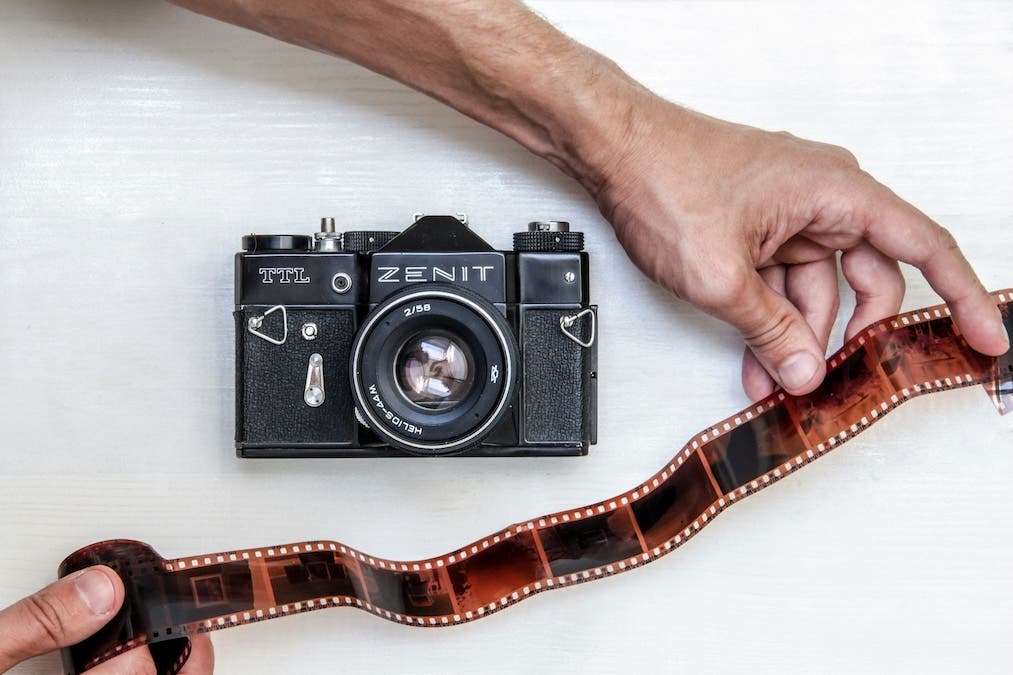
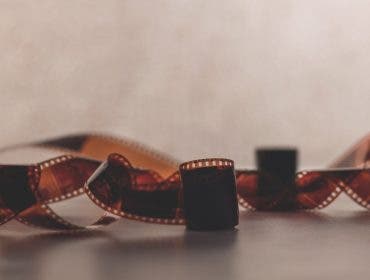
Analog cameras, aka film cameras, capture images on 35mm chemical film that needs processing and developing to transfer the image to paper. They are the descendants of the first cameras, and many consider them the authentic way to approach photography. There are two reasons for this. The first one is the unique style of analog photographs. This type of camera adds a graininess that no post-processing filter can really duplicate. The second reason is the fact that you can’t see the photos just after you’ve taken them, nor delete them and reuse the camera’s storage space. Analog cameras require commitment, offer delayed gratification, and sustain intentional photography. They are preferred by fine-art, documentary, and street photographers.
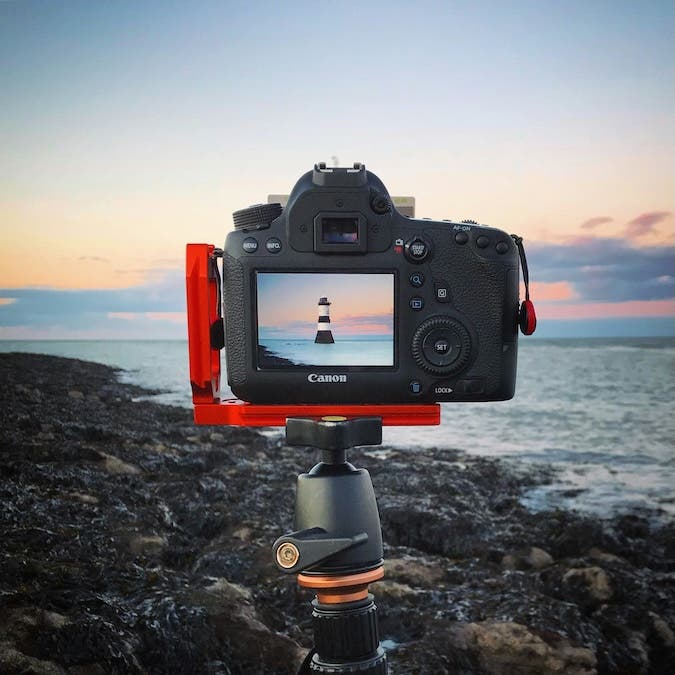
Digital cameras capture images on a digital sensor and provide the full spectrum of digital technology’s benefits. They allow you to see your photos instantly, delete and retake the ones you dislike, post-process photos in-camera, and even share photos without downloading them to a computer. Unlike analog cameras, digital cameras a packed with automatic and semi-automatic features, and, more recently, with AI-based algorithms that make decisions in your place. Some consider them a sort of cheating, but the truth is that most photographers these days use digital cameras. They are cheaper, faster, more efficient, and easier to find and use than analog cameras. You have full control over the editing process, can batch process large volumes of images, store them online, and share them instantly. I prefer to use a digital camera on the pillars put in place by analog photography, which are commitment, intention, and minimal post-processing.
Camera Types Based on Design
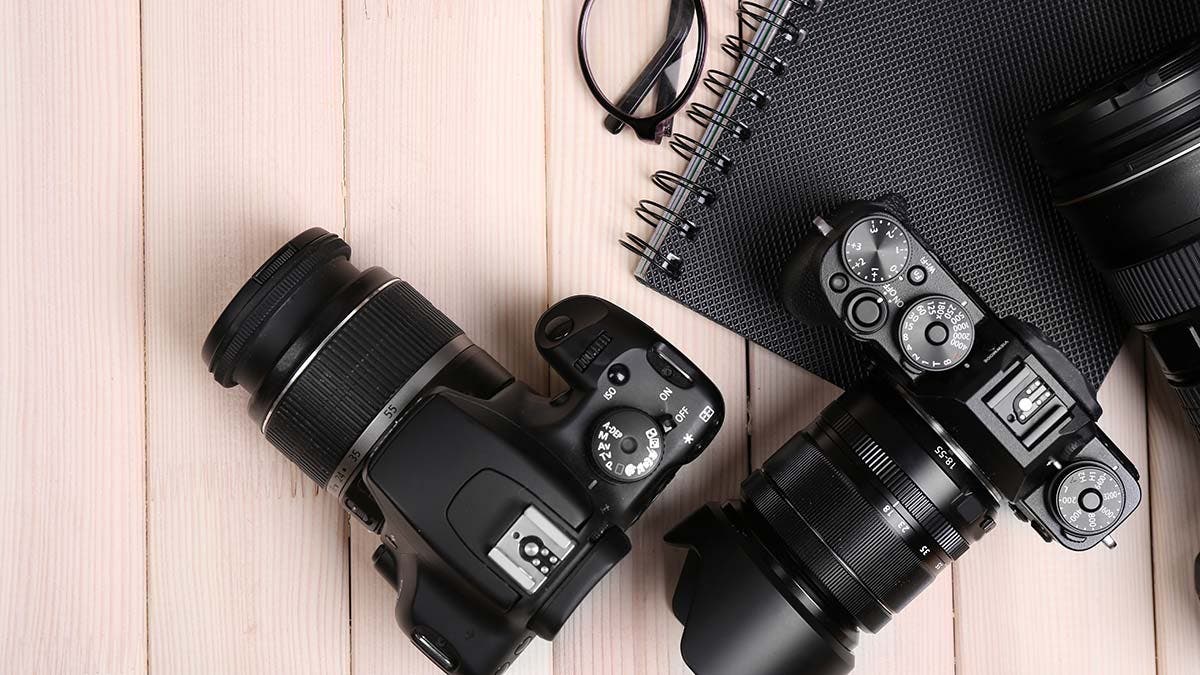
The way the camera is built mainly determines its features. As analog cameras are in a league of their own, we will focus on types of digital cameras, such as DSLR, mirrorless, and compact cameras. More and more, professional photographers have may have several types depending on their workflow, and here is why:
DSLR Cameras

Digital Single-Lens Reflex cameras (DSLR) are one of the first types of digital cameras. They use a mirror system and an optical viewfinder to show the photographer the same image the lens sees in real time. When you press the shutter release button, the mirror system adjusts its position and sends the image to the digital sensor to record it. In terms of accuracy and image quality, they can hardly be beaten.
Due to their complicated optical design, DSLRs are quite heavy and bulky, but this doesn’t stop professional photographers from using them inside and outside the studio. For many years, they were the digital cameras to have. DSLRs have interchangeable lenses and a broad range of compatible accessories. However, the price varies a lot between entry-level DSLRs and high-end DSLRs, and the price reflects the difference in quality. Entry-level cameras may provide all the manual features you need, but they may have poor performance in low-light conditions and other challenging situations.
Mirrorless Cameras
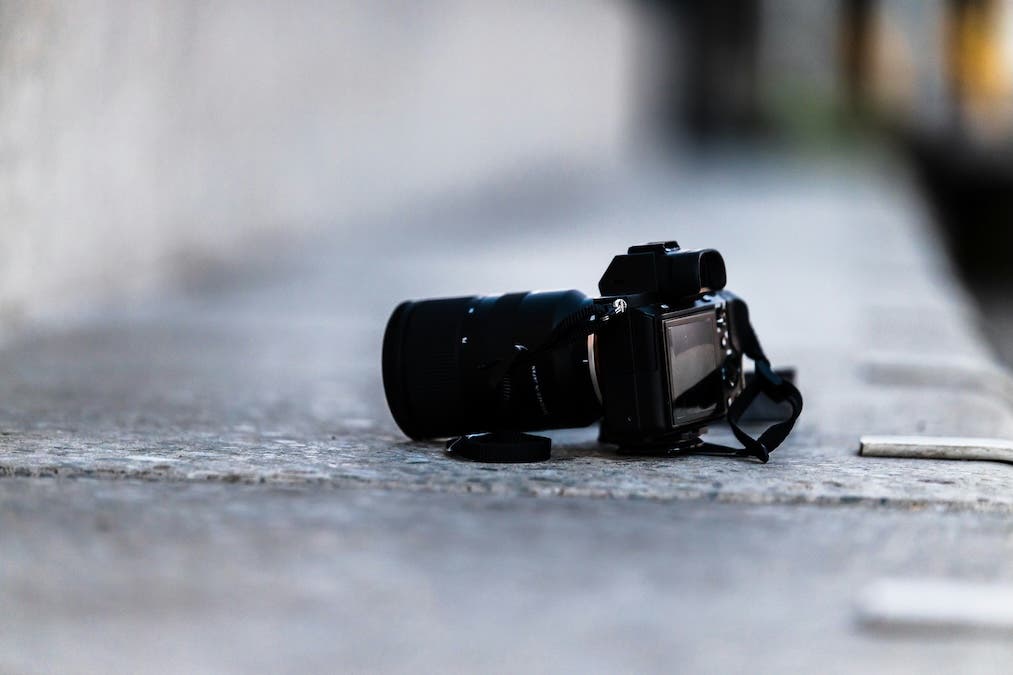
Mirrorless cameras don’t have an optical viewfinder or a mirror system to reflect light to it. Instead, the light goes directly from the lens to the digital sensor, which creates the image and displays it on an electronic viewfinder. This design makes mirrorless cameras lighter and more compact, but what you see on the electronic viewfinder is not exactly the real image, but a representation of it. This was an issue when mirrorless cameras first appeared, but has become less and less one as technological innovation improves this type of camera with each year. Nowadays, the main argument between DSLRs vs mirrorless cameras is a personal preference.
Like DSLRs, mirrorless cameras have interchangeable lenses, plenty of manual and automatic features, and lots of compatible accessories. Because they use newer technology, they are more suited to the modern content creator, who takes photos, records videos, and is often on the move.
Compact Cameras
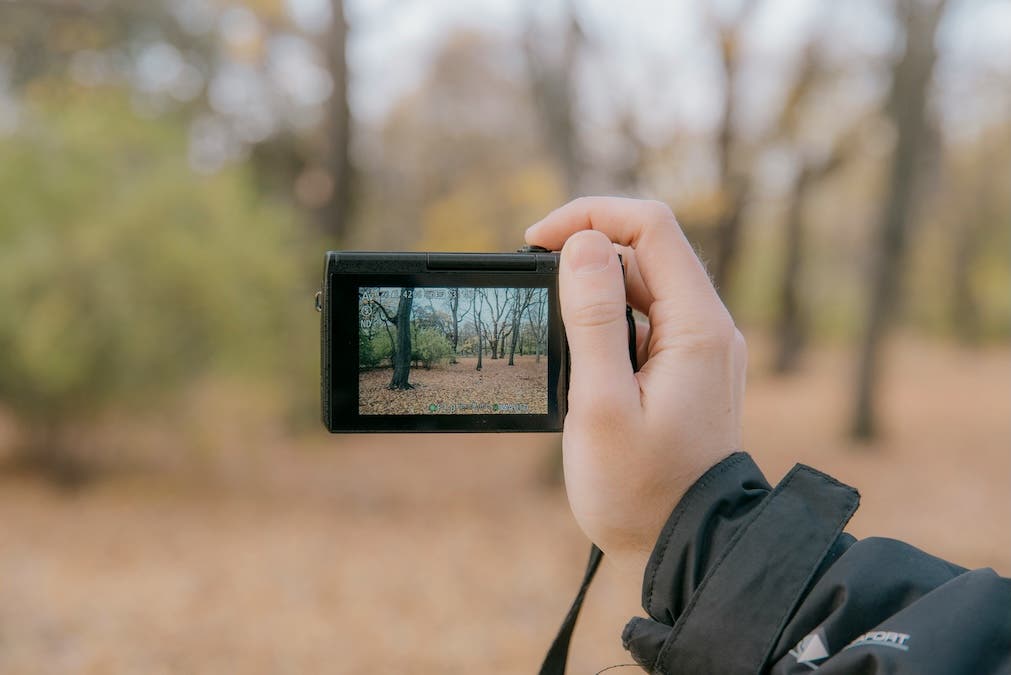
Compact cameras are a type of digital camera with a fixed lens and mostly automatic functionalities. Most advanced ones have a zoom lens with a versatile focal length range. The simplest ones are point-and-shoot cameras that leave nothing to set up for the photographer.
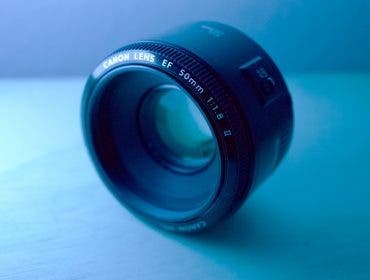
Of course, this type of camera doesn’t equal the performance of DSLRs and mirrorless cameras, is less versatile, and limits your artistic freedom. So, why would a professional photographer use a point-and-shoot camera? One reason is the commitment to the art of photography. Like Ansel Adams considered the black and white aesthetic the purest form of photography, like Henri Cartier-Bresson stood by his 50mm lens, so do point-and-shoot camera users prefer a more limited, creativity-booster approach.
Another reason may be the cost. An interchangeable lens camera has higher costs than a compact one. You may want different lenses that may require filters, a tripod to support the camera’s weight, and so on. A compact camera is lightweight, automatic, and equipped with a minimum set of functionalities that you can’t enhance.
Camera Types Based on Sensor Size
Let’s clear things up: the larger the digital sensor, the better the image quality. There is no workaround. A digital camera with a large sensor produces high-resolution images that leave plenty of room for post-processing, perform well in any light conditions, have a wider useable ISO range and perform very well throughout it, have a wider field of view with the same lens, and create a more beautiful bokeh effect. If you can afford a large sensor camera, you probably want one.
However, keep in mind that cameras with a large sensor tend to be heavier and bigger than their counterparts. If you are a travel or adventure photographer, you may want to consider portability as well. Here are the types of cameras categorized based on sensor size:
| Sensor size | Applicability | Benefits | Design Type | |
| Medium-format cameras | 48mm x 36mm | Professional photos that need heavy post-processing (editorial, advertising, large-format prints) | Ultra-high image resolution and details, ultra-wide dynamic range, wide color gamut | DSLR and mirrorless |
| Full-frame cameras | 36mm x 24mm | Professional photos of any genre | High image resolution, wide field of view, high performance in low lighting, lower noise levels and vignetting | DSLR and mirrorless |
| APS-C cameras | 23.6mm x 15.6mm (or similar based on manufacturer) | Travel, street, sports, and wildlife photography where portability is a must | Narrower field of view due to a 1.5x or 1.6x crop factor, compact, lightweight, more affordable | DSLR, mirrorless, compact |
| Small sensor cameras | 1-inch (13.2mm x 8.8mm)Micro Four Thirds (17.3mm x 13.0mm)1/n-inch system (e.g., 1/2.3-inch in smartphone cameras) | Sports, wildlife, street, travel, photojournalism | Narrower field of view due to a higher crop factor makes the lens appear longer, ultra-portable, very easy to use | DSLR, mirrorless, compact, point-and-shoot, smartphone, drone |
What Types of Cameras Are Good for Videography?
Nowadays, one can easily use the same camera for photography and videography. If you plan to do both, you’d better choose a capable camera from the beginning
Cinema Cameras
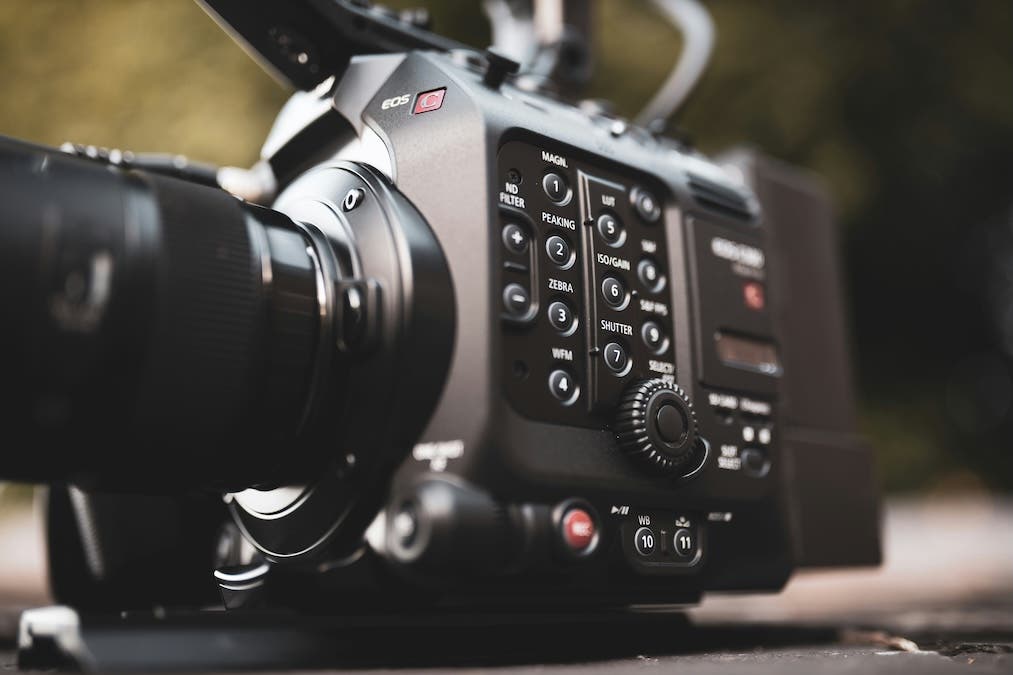
A cinema camera is a digital camera designed with videography in mind. It may be mirrorless or DSLR, full-frame or not, but what’s sure is that it provides exquisite video capabilities, such as 4K video resolution or higher, high frame rates for shooting in slow motion, vertical shooting, RAW video formats, and an interface that prioritizes filming.
That’s not to say that cinema cameras can’t shoot photos. They can and do it very well. It’s just that they are put together to benefit the multimedia content creator and not the classic photographer.
Camcorders
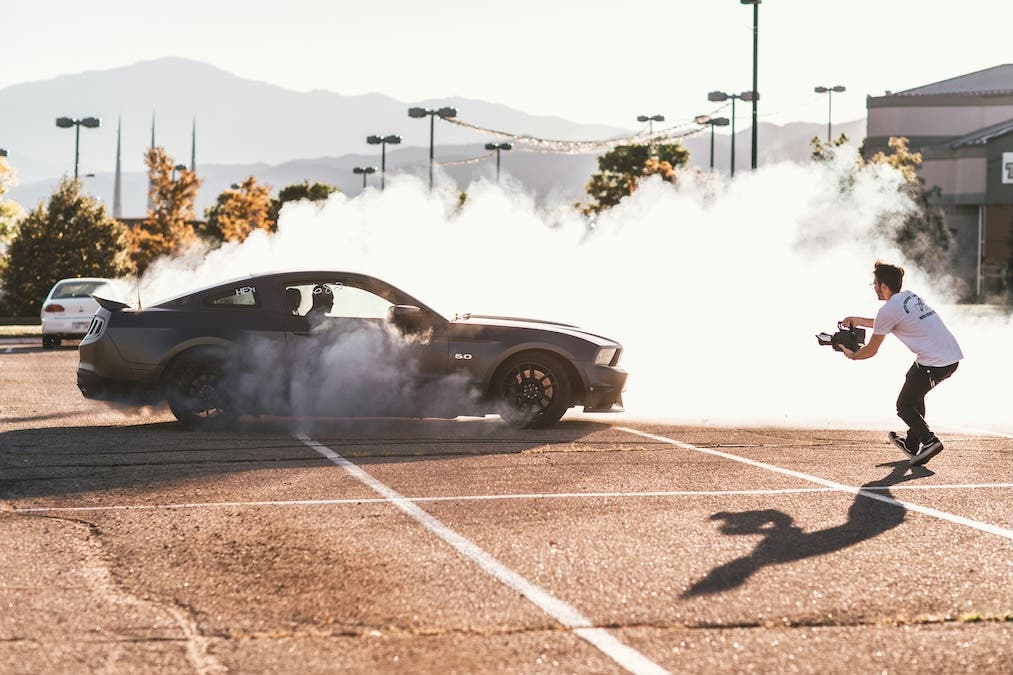
Like cinema cameras, camcorders may capture stills and video but prioritize video production, and they do so even more than cinema cameras. Some camcorders don’t even support stills. Some don’t have interchangeable lenses.
Instead, they encompass professional microphones, generous LCD screens, a recording unit for both video and audio, and large storage media. They support various video formats and recording options, slow-motion recording, livestreaming, and advanced video interfaces.
Final Thoughts
If you want to choose a type of camera like professional photographers do, consider the specific needs of your photography. Whether you opt for cinema cameras, camcorders, or traditional DSLRs and mirrorless cameras, I’m sure you’ll get the features suited for your style and creative goals. Ultimately, the best type of camera is the one that matches the photographer’s vision and workflow, ensuring they can capture the highest quality images or videos for their projects.