
This item is no longer available.
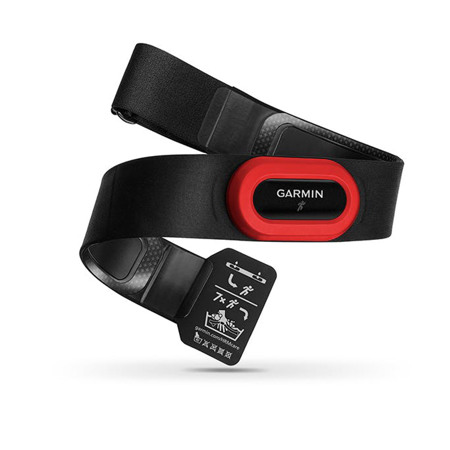
The HRM-Run heart rate monitor provides the most advanced running metrics to high-end Garmin Forerunner running watches. The strap is seamlessly comfortable and easily adjustable while the module is small, lightweight and fits entirely within the width strap.
HRM-Run provides 6 running dynamics metrics:
• Cadence - number of steps per minute
• Vertical oscillation - degree of 'bounce' in your running motion; displays the vertical motion of your torso, measured in centimeters for each step
• Ground contact time - amount of time in each step that you spend on the ground while running; measured in milliseconds
• Ground contact time balance - displays the left/right balance of your ground contact time while running (displays a percentage); for example, 53.2 with an arrow pointing left or right
• Stride length - length of your stride from 1 footfall to the next; measured in meters
• Vertical ratio - ratio of vertical oscillation to stride length (displays a percentage); a lower number typically indicates better running form
This real-time data can help athletes take their performance to the next level by showing them where they can improve their running form.