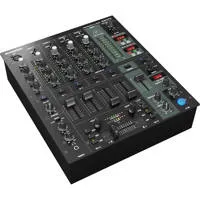
When it comes to impressing an audience at a live event or concert, a high-quality, capable mixing console is an important investment. With the right mixer you can easily balance the sound of a string quartet, a 100-instrument symphony orchestra, and everything in between.
Recording Mixers
Audio engineers and sound designers use sound mixers and audio mixers to shape the overall sound output that reaches the audience. These mixing consoles take multiple input source signals and provide nuanced control over volume, sound quality, reverberation, dynamic compression, and other important settings.
Though they’re often called recording mixers, you can use most mixers for recording and live audio broadcasting through speaker and PA systems.
Channel Inputs
Audio mixers vary in level of complexity, often based on the number of channel inputs. Each audio source — like a singer’s microphone or a DJ’s turntable — has its own input.
For smaller events or DJ setups, your mixer only needs between two and five inputs. For larger recording studios, multi-instrument concerts, and other big performances, you’ll need a mixer with 50 inputs or more.
Busses
As you shop for your ideal mixer, take a look at the number of available busses. Busses let you group and program multiple inputs for easier audio control. That way, you can quickly adjust clusters of instruments or performers without manually changing each input’s levels individually.
Mixer Accessories
Mixer accessories increase the functionality and accessibility of your mixer. As you shop for a new mixer, consider also investing in helpful accessories like gooseneck lamps, expansion cards, distribution ports, and remote controllers.
Digital vs. Analog Mixers
When purchasing a mixer, you’ll need to choose between digital and analog models. Analog mixers are more traditional in design and functionality. They offer tactile knobs, sliders, and controls for each input.
Digital mixers are more modern and high-tech. They feature digital displays, touch sensitive controls, and extensive programming options. Many engineers prefer digital mixers for their customization capabilities and clean sound quality.
All the Mixer Features You Need From Industry Preferred Brands
For superior control, nuanced adjustments, and a range of helpful features, consider purchasing a mixer by respected brands like Soundcraft, Behringer, Tascam, Allen & Heath, Audio Developments, Mackie, Rolls, and Studiomaster.
Experienced audio engineers know that quality sound requires well-built mixer equipment. Investing in these and other great brands means you’ll have reliable, top-tier sound throughout years of recording sessions, live performances, and tours.
FAQs
How do audio mixers work?
Audio mixers, also known as sound mixers or mixing consoles, feature multiple audio inputs for common devices like microphones, turntables, and instruments. These inputs allow sound engineers to balance individual audio levels for different inputs, and add effects before sending a combined signal to an amplifier or recording device.
What is the difference between a mixer and an equalizer?
Sound engineers use equalizers to change individual sound frequencies, remove feedback, and shift tone, while sound mixers combine two or more audio signals and route them to amplifiers, stage monitors, or effects devices. Mixers and equalizers are often used together within the same audio system.
If you’re using a DAW, you can take advantage of a digital equalizer rather than a physical one.