Amplifiers
Save 5% Every Day† with the Adorama Edge Card. Learn More

Amplifiers
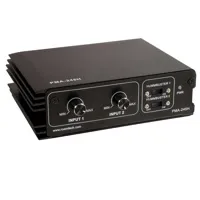
C2G Cables to Go Plenum-Rated 45 Watt Stereo Mixer/Amplifier
SKU: C2G40573MFR: 40573
- 45W Stereo Mixer Amplifier: Premium sound quality.
- 3-Channel Mixer: Versatile input options available.
- 20Hz-20kHz Amp: Ensures reliable audio fidelity.
- Compact Amplifier: Excellent portability solution.
- 4-Ohm Impedance: Optimal power output delivery.
Temporarily On Backorder
?
Free Shipping
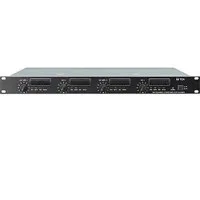
TOA Electronics Four Channel Digital Power Amplifier, 250W per Channel at 70V
SKU: TODA250FHCUMFR: DA250FHCU
(1)- Delivers 250W per channel for robust power output.
- Class D amp: High efficiency, low total harmonic distortion.
- Advanced protection circuits ensure amplifier reliability.
- High signal-to-noise ratio for pristine audio clarity.
- Balanced inputs minimize noise, optimize impedance.
Ships from Manufacturer
?
Free Shipping
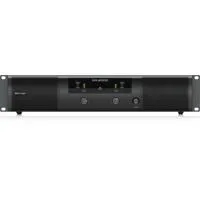
Behringer NX3000 3000W Ultra-Lightweight Class-D Power Amplifier
SKU: BENX3000MFR: 0105-ABC86-US1
(4)- Delivers 3000W power amplifier output for peak audio.
- Class-D tech ensures high power, low distortion sound.
- SmartSense impedance compensation for optimal audio.
- XLR & TRS inputs offer flexible power amplifier connectivity.
- Lightweight design at 7.7lbs for easy transport.
On Backorder
?
Free Shipping