There are multiple ways to build a network of computers. Most home users rely on Wi-Fi to bring their devices together. But wireless transmission isn’t always the most reliable option, especially in a business setting where dozens or even hundreds of devices may need to work together.
The best solution for large-scale computer networks is most often a physical wired network. To split your network connection across many computers, you need a networking switch.
What Is a Networking Switch?
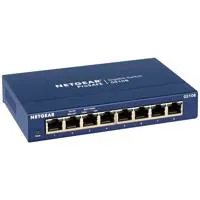
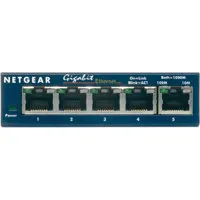
A networking switch, also commonly known as a switch, is a hardware device that has multiple network ports used to connect multiple network devices together.
Switches are known as “dumb” networking devices, which means they send and receive data without understanding the nature of the data. A networking switch facilitates the movement of data from one computer to the next, but it does not make decisions about the data.
Consumer, Professional, or Enterprise?
Networking switches are available for several different purposes. Depending on their classification, they come in at various price points. These days, it’s uncommon to use a consumer-grade network switch.
With Wi-Fi taking over, most people don’t run wires throughout their house to connect devices to their network. However, a hardwired network can have reliability and throughput benefits. Most home network devices support data transfer speeds up to 1 Gigabit/s. But 2.5 Gigabit network connections are growing in popularity.
Netgear and TRENDnet offer several affordable options if you’re looking for a hardwired solution, including Gigabit and 2.5 Gigabit choices.
Advanced Networking Options
Prosumer network switches provide advanced features such as power-over-ethernet (PoE), which lets you install VOIP phones, high-end wireless access points, and security cameras. These devices give you control over network resources and let you monitor your network activity.
TRENDnet and QNAP make networking hardware that caters to the professional and pro-sumer users.
Enterprises Need the Fastest Switches
Enterprise-class networking switches provide higher levels of security and configuration options and demand a higher level of technical expertise to configure. High-end switches allow for high-bandwidth data transmission up to 10 Gigabit per second to handle all the data a large corporation would push around. Cisco and Ubiquiti build enterprise-level solutions for IT professionals.
Switch Accessories and Upgrades
Enterprise-level networking hardware is highly configurable and customizable. One of the most significant advantages of high-end networking switches is the ability to add new functionality. For example, SFP modules are high-bandwidth data ports that let you link multiple enterprise switches together. Fiber media converters receive the signal from a fiber optic internet connection and convert it to an ethernet signal compatible with your internal network.