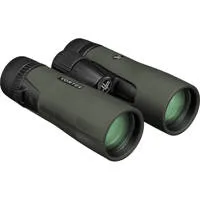
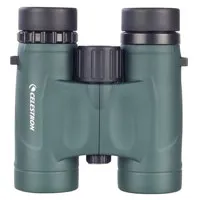
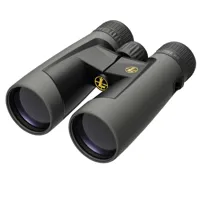
Binoculars are the most common accessory for birding, wildlife viewing, and a variety of other outdoor activities. They’re preferable for many outdoor enthusiasts because they let you view wildlife as you would normally — with both eyes. Because binoculars are available with a wide range of specifications and features, it’s important to understand what each of these options means.
Magnification
Binoculars feature two sets of numbers. The first represents the magnification factor. For example, a 10x25 binocular will have a magnification of 10x. There are different magnification factors, with each one suited to a different application.
If you’re a birdwatcher, you’ll often need to see very small birds clearly from a long distance, making a 10x, 12x, or greater magnification preferable. Big game enthusiasts may require less magnification because their targets are physically larger. In either case, it’s helpful to remember that the larger the magnification, the smaller the field of view.
Objective Diameter
Objective diameter is the second number in any binocular listing. It refers to the physical diameter of the binoculars’ lenses. Larger-diameter lenses let more light into the binoculars, which often means better viewing in low-light conditions. However, a larger objective diameter also means the binoculars will be physically larger and less convenient for packing and carrying.
Keep Size in Mind
Adorama makes it easy to filter search results by size, allowing you to quickly navigate to your ideal binoculars. Standard size choices will generally offer a good balance of size and weight to low-light performance while compact options are often best for travel or keeping on hand while hiking or exploring. Serious outdoor adventurers can take advantage of a selection of giant binoculars featuring zoom capabilities, low light functionality, and more.
FAQs
What are the Different Types of Binoculars?
There are three different types of binoculars: roof prism, porro prism, and monocular. Roof prism binoculars are the most weatherproof. Porro prism binoculars offer the best depth perception, while monoculars are the most compact.
What Additional Features are Important to Consider When Purchasing Binoculars?
Basic binoculars work well in a range of traditional situations from birdwatching to hunting. However, if you want to improve your experience, look for helpful binocular features like image stabilization, Bluetooth connectivity, a built-in compass, or an internal reticle.
What Do the Numbers on the Binoculars Mean?
To find the right binoculars for you, you’ll need to check out the binocular specs. There are two different numbers to check: magnification power and objective lens diameter. Magnification tells you how enlarged an object will be when you’re viewing it, while lens diameter relates to how much light enters the binoculars.
How Do I Choose Binoculars for Specific Uses and Activities?
To choose the best binoculars for a specific activity, you’ll need to know how to read the binocular specs. Look for large magnification specs for long-distance viewing and bird spotting. For darker environments, look for large lens diameters to maximize your light and visibility.
Why are Some Binoculars with Similar Specs Priced Differently?
Binocular pricing depends not only on specifications but on lens quality, durability, special features, and the included binocular accessories. Entry-level binoculars are quite affordable but contain less precise optics. For the best precision, resolution, and accuracy, look for high-end optics with a higher price point from brands like Zeiss, Celestron & Barska.