Telescopes range from very simple models that can be used by even the youngest astronomy enthusiasts, to complex computerized models with a variety of features and capabilities.
What are the Different Types of Telescopes?
The two most common types of telescopes are refracting telescopes and reflecting telescopes.
Refracting Telescopes
Refracting telescopes utilize lenses in a similar way to binoculars to bring distant objects into view, while reflecting telescopes utilize mirrors. Refracting telescopes are often preferable because they are sealed to air and dust and require less maintenance, though they often suffer from chromatic aberration.
Reflecting Telescopes
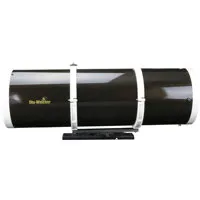
Reflecting telescopes are generally less expensive and don’t have issues with chromatic aberration. In most cases reflecting telescopes are less expensive than refracting telescopes because mirrors cost far less to produce than lenses, especially for larger format telescopes.
Other Types of Telescopes
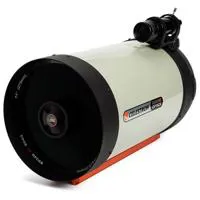
There is also the Cassegrain variety, which utilizes multiple curved mirrors to view deep space objects while maintaining a smaller physical profile. You can easily filter search results by type to select the varieties most suited to your needs.
Aperture Size
Apertures are very important when selecting a model because they will affect how much light is collected by the telescope. Small apertures (1.2” or 2.5”) will let in significantly less light than larger apertures (12” or 14”).
While small aperture telescopes are more physically compact and less expensive, they will only allow you to see the brightest space objects. Smaller aperture telescopes also show celestial objects in lower resolution than larger aperture telescopes.
Other Features to Consider
Computerized telescopes make it much easier to locate and track celestial objects utilizing preprogrammed databases. Some telescope models are designed to mount easily to DSLRs for astrophotography, while others come in kits with telescope accessories like tripods, filters, eyepieces, and more. For help selecting the best telescope to suit your interests, get in touch with Adorama’s experienced and knowledgeable customer service team.
FAQs
Which Telescope is Right for Me?
Choosing the best telescopes for beginners or experienced sky watchers usually comes down to three factors: budget, mount style, and aperture.
If you’re new to using a telescope, keep in mind that most models feature interchangeable eyepieces so you can adjust magnification depending on the object you’ll be viewing.
What Telescope Accessories Do I Need?
Telescope accessories expand the functionality of your existing gear. If you want to capture images of the objects you view, look for a camera or smartphone mount. If you want to increase your viewing capabilities and flexibility, consider investing in a set of eyepieces and colored viewing filters.
Which Type of Telescope Mount is Best?
Choosing a mount depends on how you want to use your telescope. Most telescopes for beginners feature traditional altitude-azimuth mounts. They feature manual adjustments on each axis, which makes it easier to find any object in the night sky.
If you like to track objects as they move through the sky, you should consider an equatorial mount.
What’s the Best Eyepiece and Magnification to Use for My Telescope?
Selecting the right eyepiece and magnification level depends on the objects you want to view. If you prefer to explore constellations, you’ll need a wider field of view. To focus on the craters of the moon in detail, you’ll need more extreme magnification.
Fortunately, many eyepieces come in sets, so you can swap them out as needed while you’re stargazing.
Focal length
Telescopes have focal lengths, similar to cameras.Telescopes with longer focal lengths cover a smaller section of the sky. Shorter telescopes have wider focal lengths that allow for a wider field of view, which is great for viewing deep sky objects. Whatever telescope you choose, Adorama covers every option, class, and price point, from top brands like Celestron, Baader Planetarium, Explore Scientific, iOptron, Meade, Sky-Watcher, and more.