Film Development Equipment
If you want to start developing film yourself, you’ve probably noticed that there are quite a few pieces of film development equipment and accessories you’ll need. The first step is to decide what size film you’re most likely to use. Chances are it’ll be 35mm or something much larger.
To develop your own 35mm film, you need specialized developing tanks and reels. For larger negatives, like 4x5 or 8x10, you need a cut film tank that’s big enough to accommodate your negatives.
All film development requires film-changing bags or boxes, chemicals, and a few other accessories like film clips, loupes, squeegees, and storage. Some developers prefer to purchase equipment a la carte, while others choose film developing kits to help make the purchasing process easier and more streamlined, especially for beginners. Check out film development equipment from Adorama, and brands like Peak Optics & Paterson Photographic.
Chemical storage
Safe and appropriate chemical storage is vital when developing film. Many developers store smaller quantities of each chemical in a manageable container, then refill them as needed. When purchasing chemical storage and handling containers like jugs, beakers, funnels, or bottles, be sure to buy enough film development equipment to dedicate certain items to each chemical. That way, you’ll avoid cross contamination.
Washing and drying
Once your negatives are fully developed, you’ll need to safely wash the chemicals from them and set them to dry, away from dust and other contaminants. Many film photographers like to use washing tanks and air dryers to keep the process consistent and predictable. The most common air dryers are drying racks and enclosed drying cabinets, though some developers prefer blotter books or heated drying devices.
Magnifiers and viewers
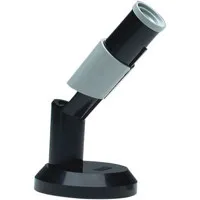
Once your film is developed and dry, you can move through your negatives with a magnifier, loupe, or slide viewer to determine which photographs you’d like to print. By using the best accessory for your needs, you’ll avoid long hours of eye strain and discomfort. Some film-viewing devices feature a backlight to help make viewing easier, while others are intended for use with light tables.
Archival film storage
Between sessions in the darkroom, you’ll want to store your unexposed film and paper in light-proof containers to avoid expensive material loss due to accidental exposure. Paper safes and light-proof bags are a great investment to keep your materials safe and ready to go.
Exclusive Savings All Year Long
For savings you won't find anywhere else, and for weekly trending deals on top products from industry leading brands, browse Deals, Used, Deal Of The Day, Black Friday & Cyber Monday specials all year long.