Resonator Guitars
Save 5% Every Day† with the Adorama Edge Card. Learn More

Resonator Guitars
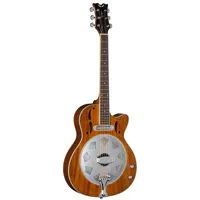
Dean Resonator Cutaway Acoustic Electric Guitar, Natural
SKU: DERCENMMFR: RCE NM
- Mahogany body resonator guitar offers rich tone.
- Single cone resonator ensures classic sound quality.
- Cutaway design allows easy access to all 21 frets.
- Acoustic-electric Dean guitar with lipstick pickup.
- Rosewood fretboard provides smooth playability.
On Backorder
?
Free Shipping
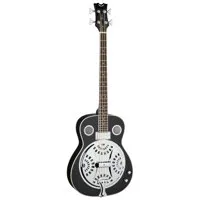
Dean Resonator Acoustic Electric Bass Guitar, Classic Black
SKU: DERESBASSCBKMFR: RES BASS CBK
- Mahogany body resonator bass offers rich tone.
- Dean resonator guitar with smooth rosewood fingerboard.
- Acoustic-electric bass guitar for versatile playing.
- Classic black finish resonator provides stage presence.
- Humbucker pickup delivers powerful bass guitar sound.
On Backorder
?
Free Shipping