



25 Foot Guitar Cables
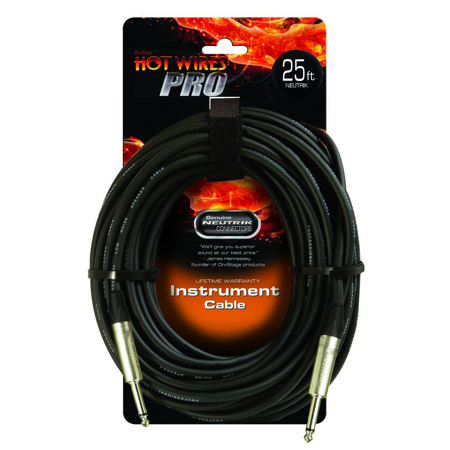
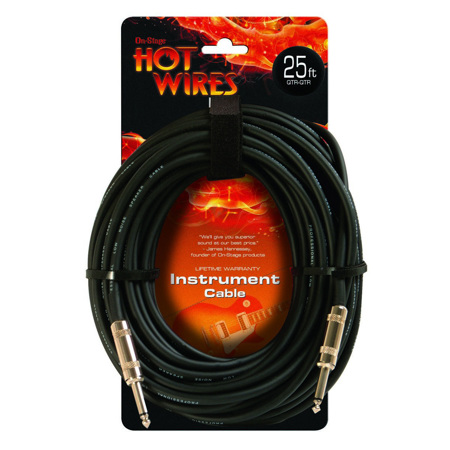
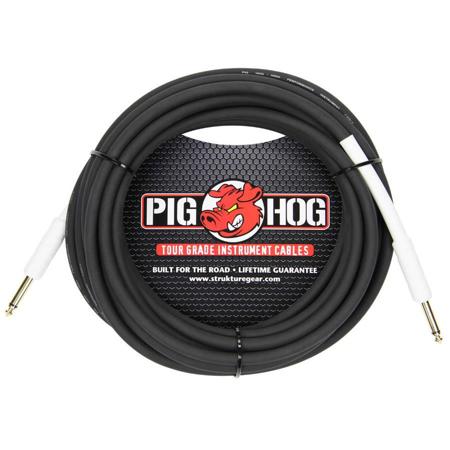
When it comes to connecting instruments to amplifiers or audio interfaces, a 25 ft guitar cable is a staple in the toolkit of musicians, audio engineers, and stage techs alike. The generous 25-foot length offers just the right balance between freedom of movement and reliable signal transmission, making it ideal for both live performances and studio sessions. Whether you’re a guitarist weaving through a crowded stage, a bassist jamming with a band, or a keyboardist stretching across a rehearsal space, this cable length gives you the flexibility to move naturally without worrying about tugging on your gear or losing your connection. In the winter months, when venues are packed and gear setups are more elaborate to accommodate indoor shows, having a cable that can snake around pedalboards, drum kits, and monitor wedges without creating a tangled mess is invaluable. The season is also a time when musicians spend long hours indoors, honing their sound or recording new material, so investing in a durable, well-shielded cable can make a significant difference in maintaining clean, noise-free tone throughout those marathon sessions.
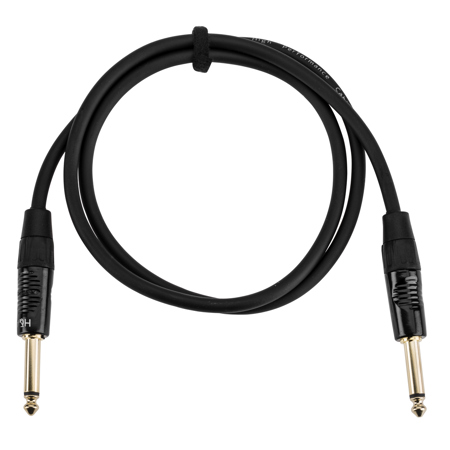
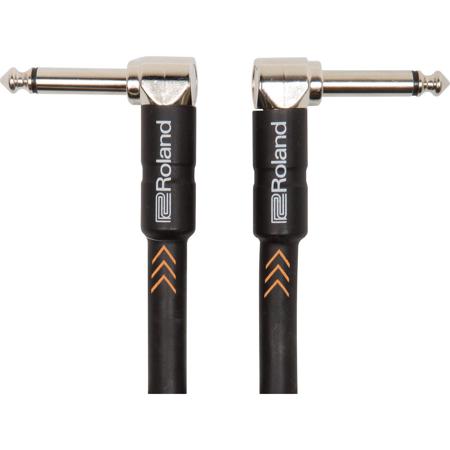
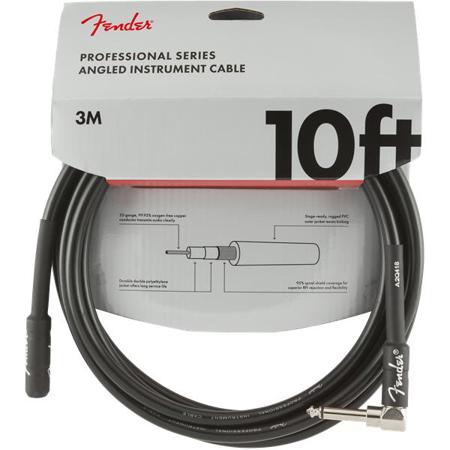
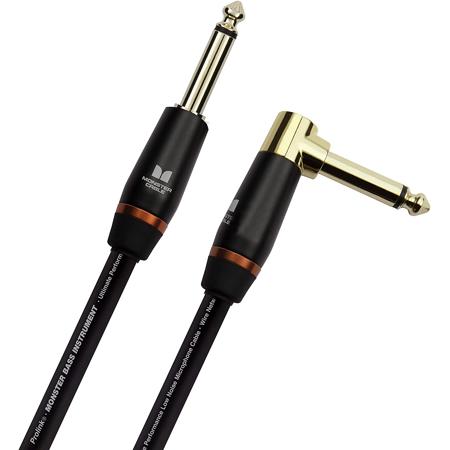
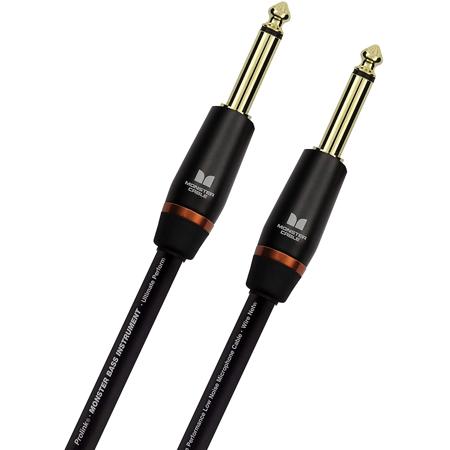
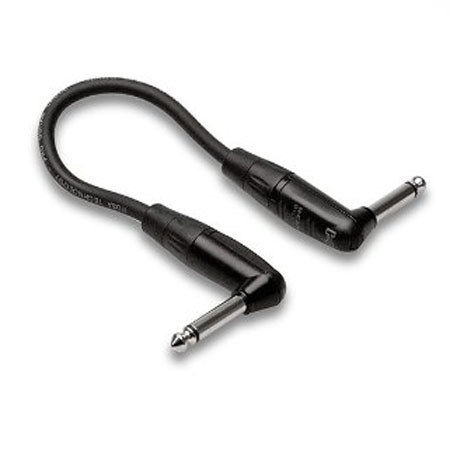
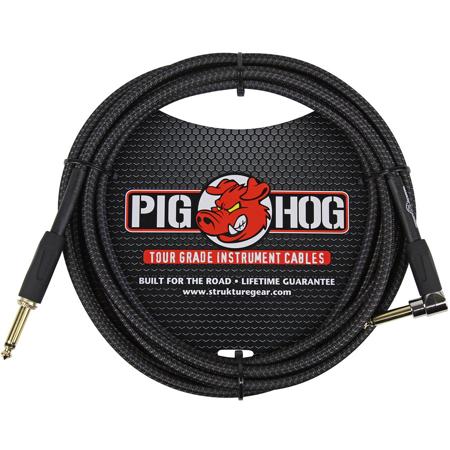
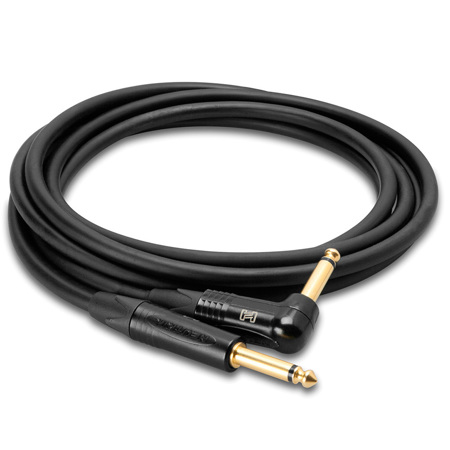
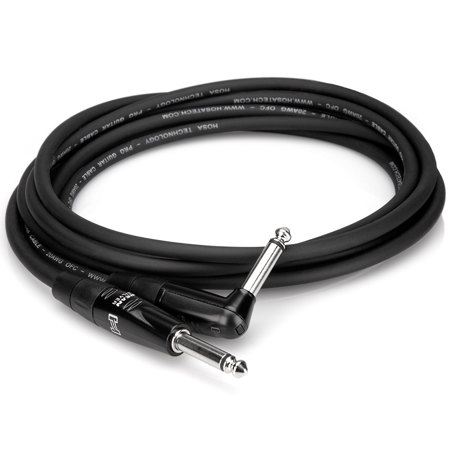
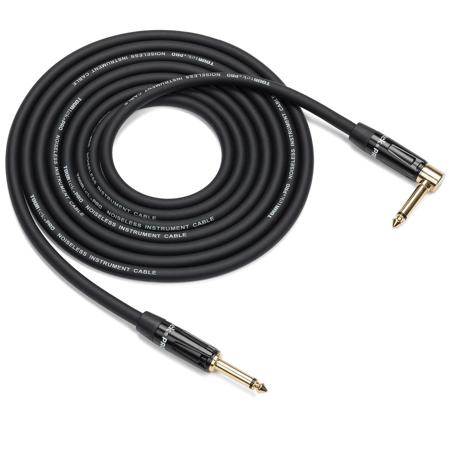
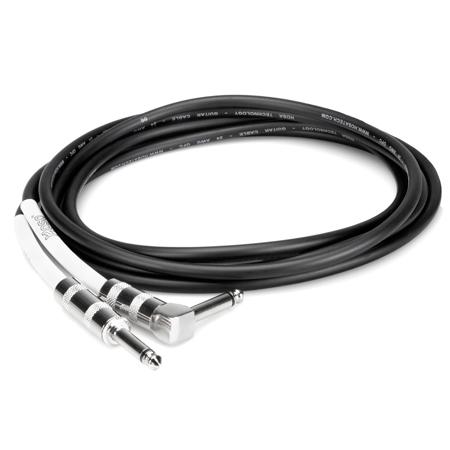
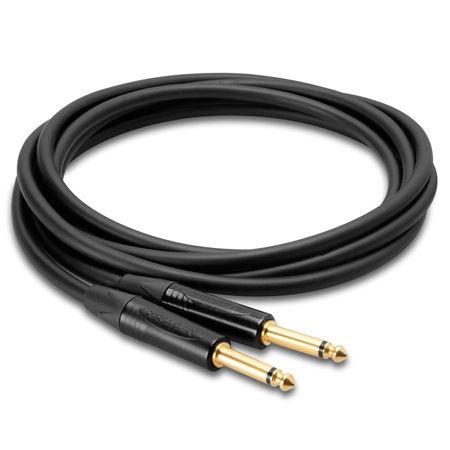
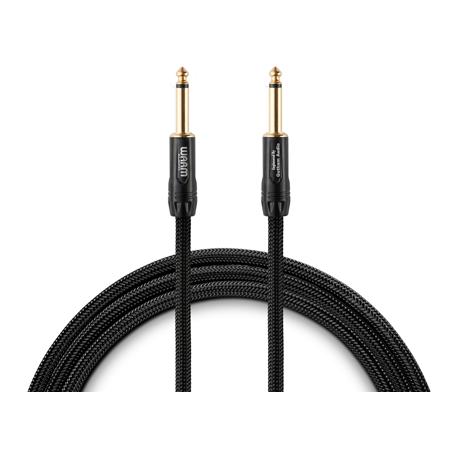
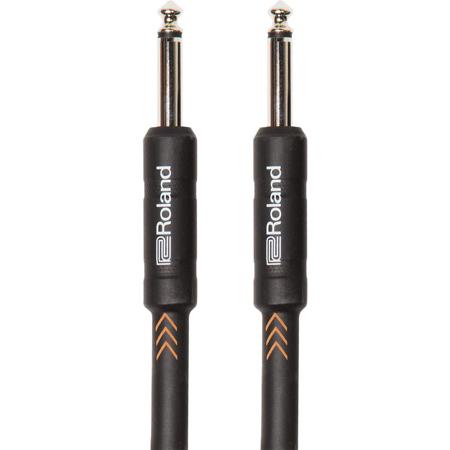
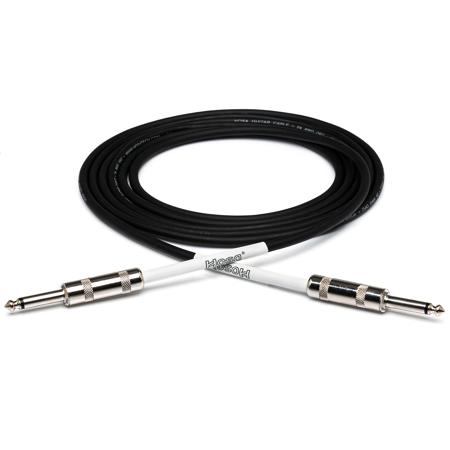
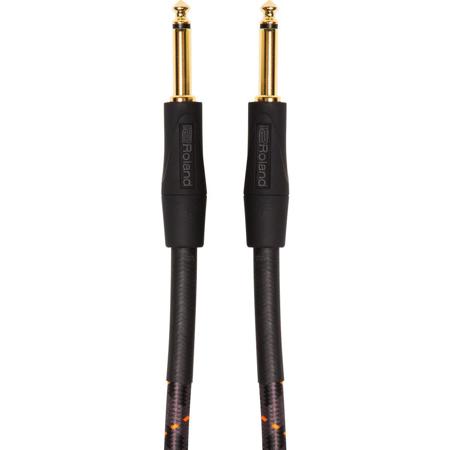
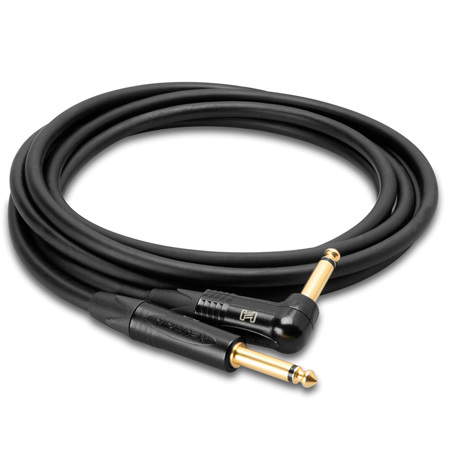
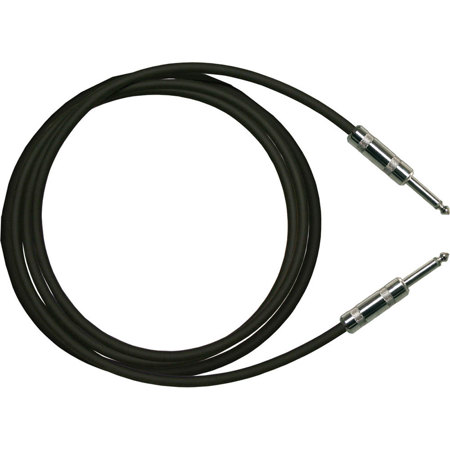
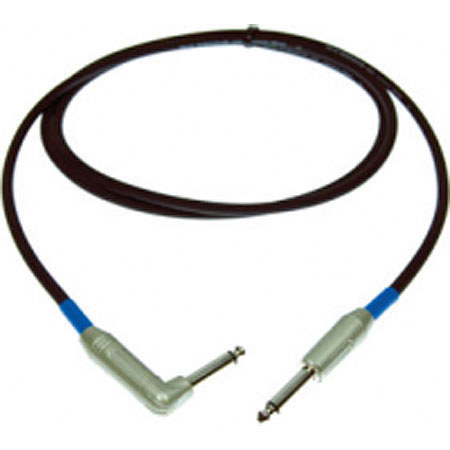
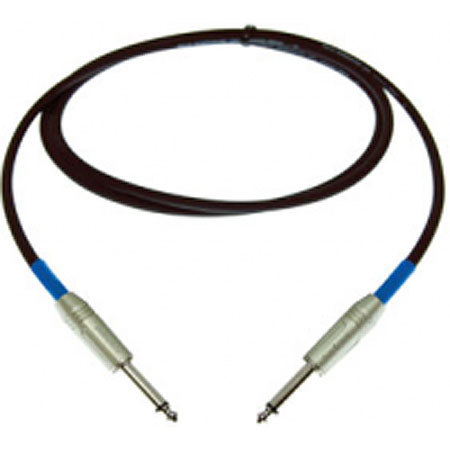
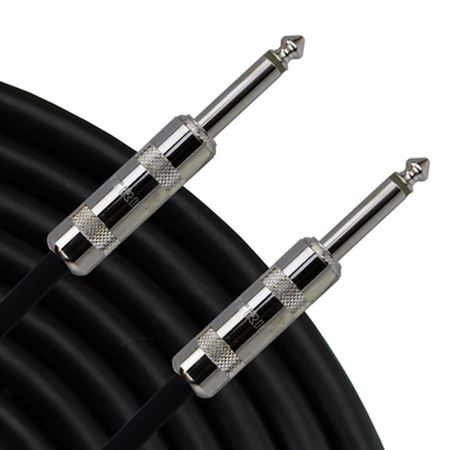
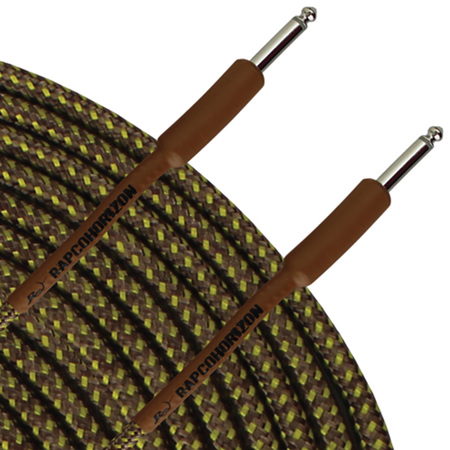
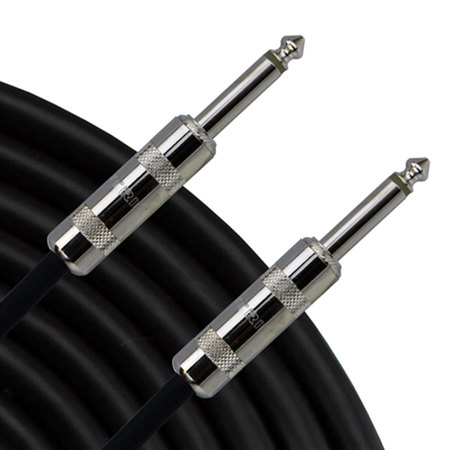
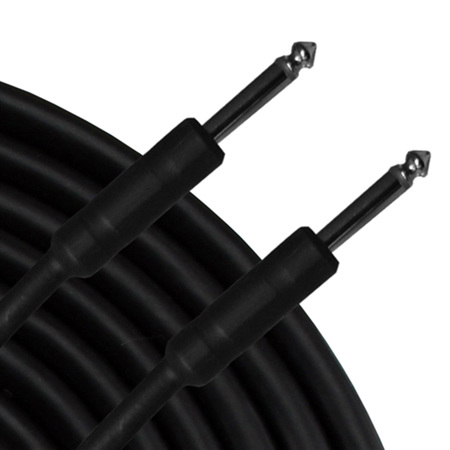
Selecting the right 25 ft guitar cable involves more than just picking the appropriate length. The type of connectors—most commonly 1/4" TS (tip-sleeve) for standard electric guitars and basses, or 1/4" TRS (tip-ring-sleeve) for keyboards and balanced connections—determines compatibility with your instruments and gear. Some players prefer straight-to-straight connectors for simple runs, while others opt for right-angle plugs to reduce strain on instrument jacks or to fit into tight spaces on pedalboards. Shielding is another critical factor: high-quality cables feature multi-layer or double shielding, such as double Reussen or braided copper, to guard against electromagnetic interference and radio frequency noise. This is especially important under the bright lights and heavy power loads of a live stage, where interference can creep in from lighting systems or other electronic devices. The cable’s construction—often using oxygen-free copper (OFC) for the core, anti-noise shielding, and rugged outer jackets in braided or tweed finishes—ensures not only a pure signal path but also the resilience to withstand constant coiling, uncoiling, and the occasional stomp from a bandmate’s boot.
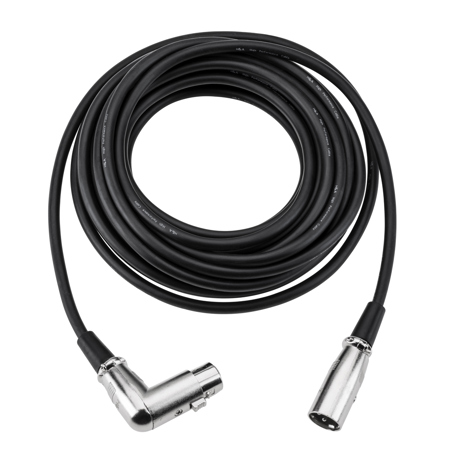
A 25 ft guitar cable also makes a thoughtful gift for any musician, from the aspiring beginner who’s just starting to build their setup, to the seasoned pro who knows the value of reliable gear. With the rise of home studios and livestreaming, having an extra-long cable can be the key to flexible room layouts and creative setups, allowing players to experiment with amp placement or pedalboard configurations without constraint. For those who also work with microphones or other audio equipment, exploring related options such as 25 Foot XLR Cables can further expand their connectivity and recording possibilities. Ultimately, a dependable 25 ft guitar cable is more than just a utility—it’s a quiet partner in every performance, rehearsal, and recording, ensuring your music is heard as clearly and powerfully as you intend.
Selecting the right 25 ft guitar cable involves more than just picking the appropriate length. The type of connectors—most commonly 1/4" TS (tip-sleeve) for standard electric guitars and basses, or 1/4" TRS (tip-ring-sleeve) for keyboards and balanced connections—determines compatibility with your instruments and gear. Some players prefer straight-to-straight connectors for simple runs, while others opt for right-angle plugs to reduce strain on instrument jacks or to fit into tight spaces on pedalboards. Shielding is another critical factor: high-quality cables feature multi-layer or double shielding, such as double Reussen or braided copper, to guard against electromagnetic interference and radio frequency noise. This is especially important under the bright lights and heavy power loads of a live stage, where interference can creep in from lighting systems or other electronic devices. The cable’s construction—often using oxygen-free copper (OFC) for the core, anti-noise shielding, and rugged outer jackets in braided or tweed finishes—ensures not only a pure signal path but also the resilience to withstand constant coiling, uncoiling, and the occasional stomp from a bandmate’s boot.
A 25 ft guitar cable also makes a thoughtful gift for any musician, from the aspiring beginner who’s just starting to build their setup, to the seasoned pro who knows the value of reliable gear. With the rise of home studios and livestreaming, having an extra-long cable can be the key to flexible room layouts and creative setups, allowing players to experiment with amp placement or pedalboard configurations without constraint. For those who also work with microphones or other audio equipment, exploring related options such as 25 Foot XLR Cables can further expand their connectivity and recording possibilities. Ultimately, a dependable 25 ft guitar cable is more than just a utility—it’s a quiet partner in every performance, rehearsal, and recording, ensuring your music is heard as clearly and powerfully as you intend.