
Airport Surveillance Systems
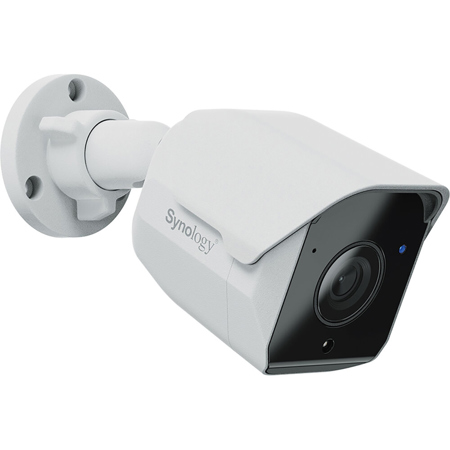
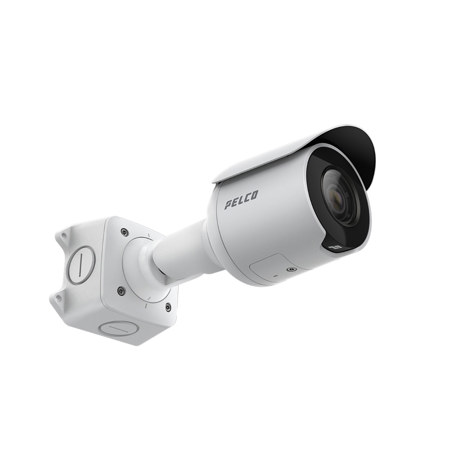
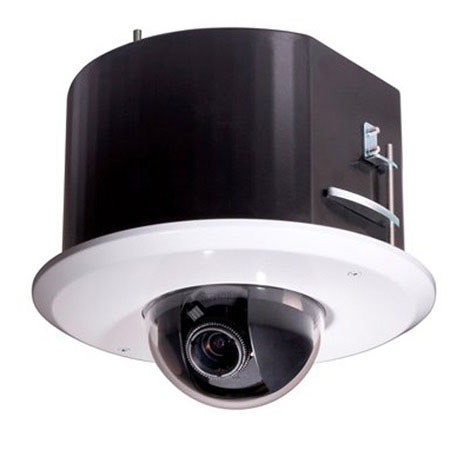
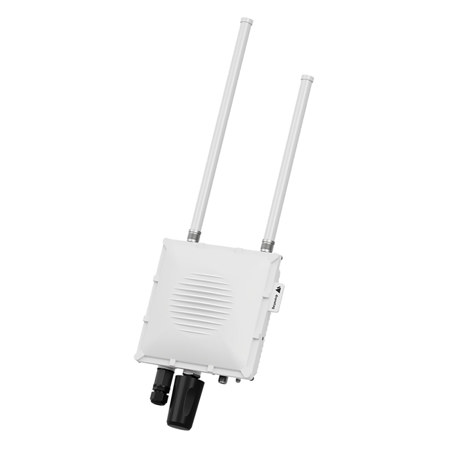
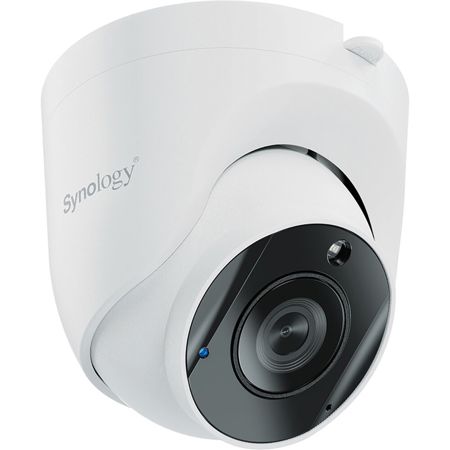
Airport surveillance systems are the backbone of modern aviation security, blending advanced technologies to ensure the safety and efficiency of every traveler, crew member, and asset within an airport’s perimeter. As February brings unpredictable weather and shorter days, the need for reliable, all-weather monitoring becomes even more pronounced. These systems combine radar, video analytics, and an array of sensors to provide real-time situational awareness, regardless of visibility conditions. Terminal security and surveillance systems often include a network of airport security cameras and airport CCTV cameras with high-definition imaging, infrared capabilities, and AI-powered analytics that can distinguish between routine movement and potential threats. These cameras are strategically placed throughout terminals, concourses, baggage claim areas, and parking lots, providing comprehensive coverage and enabling security teams to respond swiftly to unattended baggage, unauthorized access, or suspicious behavior. Perimeter protection is further enhanced with thermal imaging and radar technologies, which are invaluable during winter’s low-light hours and inclement weather, ensuring that even the most remote areas of the airfield remain under vigilant observation.
Airports of all sizes, from bustling international hubs to regional airfields, benefit from scalable surveillance solutions tailored to their unique operational demands. Larger airports may implement advanced surface movement radars that track aircraft and vehicles on runways and taxiways, integrating multiple sensor feeds into a cohesive, real-time overview. This level of integration not only prevents runway incursions but also streamlines air traffic management during peak travel periods. Smaller airports, meanwhile, often seek cost-effective systems that still deliver reliable tracking of transponder-equipped aircraft and vehicles. In recent years, the rise of drone activity has introduced new security challenges, making drone detection systems a crucial addition to the modern airport’s toolkit. These technologies can identify and track unauthorized UAVs, protecting sensitive airspace and minimizing disruptions. Whether for airport management teams, security professionals, or municipal authorities, investing in robust surveillance infrastructure is a forward-thinking decision that safeguards passengers, staff, and critical assets year-round.
Selecting the right airport surveillance system involves careful consideration of several factors, including coverage area, integration with existing infrastructure, and the need for features such as remote-controlled access, behavioral analytics, and weather-resistant hardware. For those tasked with upgrading or specifying airport security solutions, it’s essential to assess current vulnerabilities and anticipate future needs—especially as airports continue to evolve and expand. While these systems are primarily procured by security departments or facility managers, they can also be a thoughtful and impactful gift for organizations or municipalities seeking to enhance aviation safety. With the ongoing advancements in AI-driven analytics and sensor fusion, today’s solutions offer unprecedented clarity, reliability, and automation. For those interested in broader applications beyond aviation, explore our curated selection of Auto Surveillance Systems to discover how similar technologies are shaping security across various sectors. As the aviation landscape adapts to new challenges and seasonal demands, investing in state-of-the-art airport surveillance systems remains a cornerstone of safe and efficient air travel.
Airports of all sizes, from bustling international hubs to regional airfields, benefit from scalable surveillance solutions tailored to their unique operational demands. Larger airports may implement advanced surface movement radars that track aircraft and vehicles on runways and taxiways, integrating multiple sensor feeds into a cohesive, real-time overview. This level of integration not only prevents runway incursions but also streamlines air traffic management during peak travel periods. Smaller airports, meanwhile, often seek cost-effective systems that still deliver reliable tracking of transponder-equipped aircraft and vehicles. In recent years, the rise of drone activity has introduced new security challenges, making drone detection systems a crucial addition to the modern airport’s toolkit. These technologies can identify and track unauthorized UAVs, protecting sensitive airspace and minimizing disruptions. Whether for airport management teams, security professionals, or municipal authorities, investing in robust surveillance infrastructure is a forward-thinking decision that safeguards passengers, staff, and critical assets year-round.
Selecting the right airport surveillance system involves careful consideration of several factors, including coverage area, integration with existing infrastructure, and the need for features such as remote-controlled access, behavioral analytics, and weather-resistant hardware. For those tasked with upgrading or specifying airport security solutions, it’s essential to assess current vulnerabilities and anticipate future needs—especially as airports continue to evolve and expand. While these systems are primarily procured by security departments or facility managers, they can also be a thoughtful and impactful gift for organizations or municipalities seeking to enhance aviation safety. With the ongoing advancements in AI-driven analytics and sensor fusion, today’s solutions offer unprecedented clarity, reliability, and automation. For those interested in broader applications beyond aviation, explore our curated selection of Auto Surveillance Systems to discover how similar technologies are shaping security across various sectors. As the aviation landscape adapts to new challenges and seasonal demands, investing in state-of-the-art airport surveillance systems remains a cornerstone of safe and efficient air travel.