


Airport Security Cameras
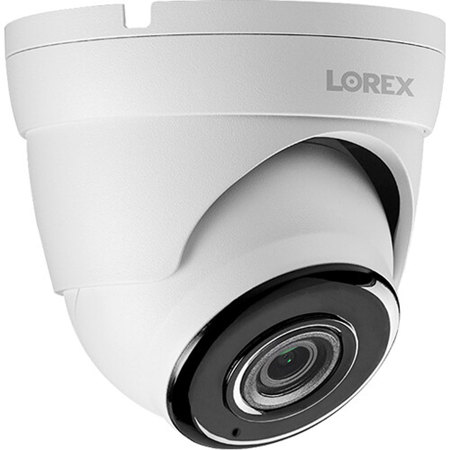
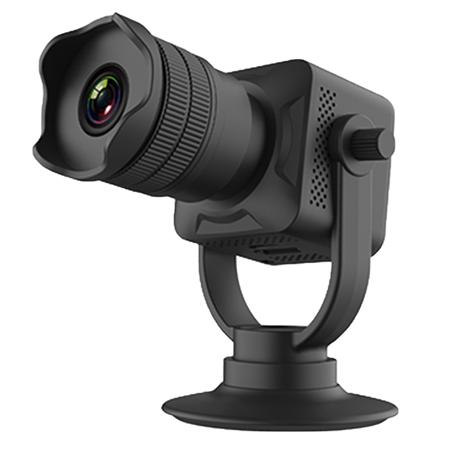
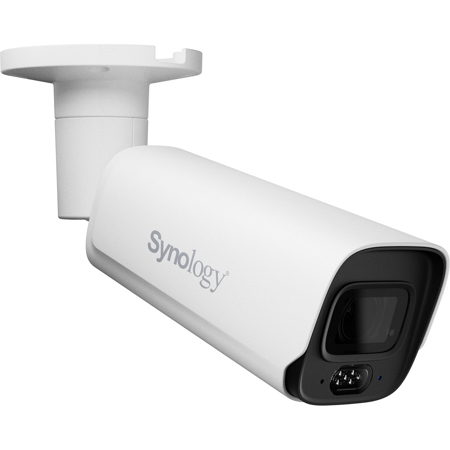
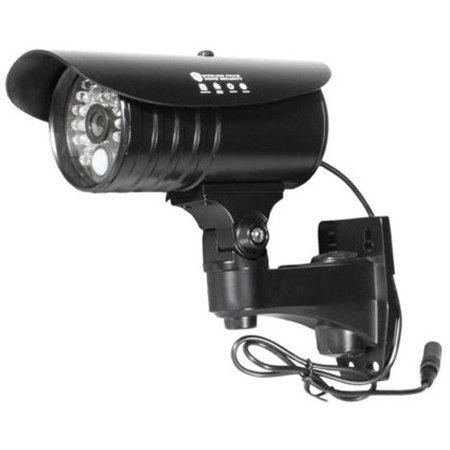
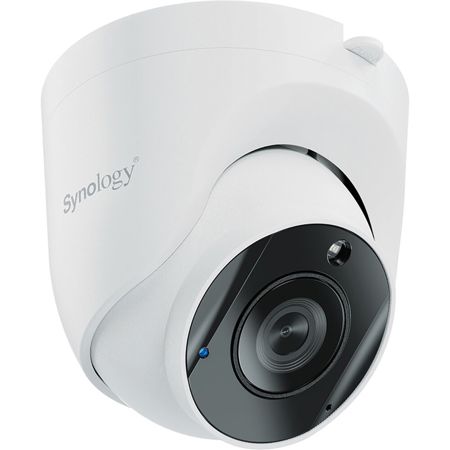
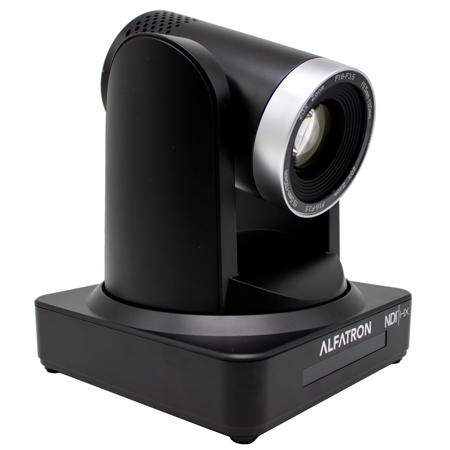
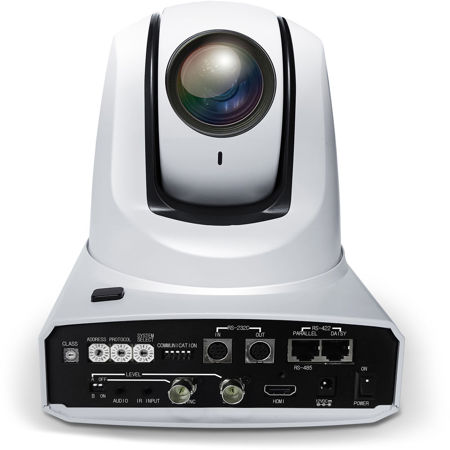
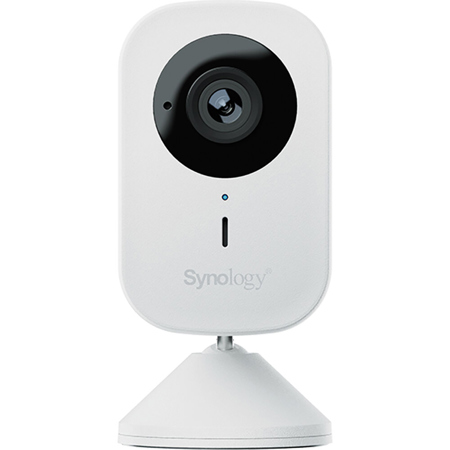
In today’s rapidly evolving travel landscape, airport security cameras have become a cornerstone of comprehensive surveillance strategies, playing a vital role in ensuring the safety and efficiency of air travel. As airports experience higher passenger volumes in early spring, the need for robust monitoring solutions becomes even more pronounced. Modern security cameras designed for airport environments are engineered to deliver exceptional clarity, often featuring 4K resolution for detailed imagery that supports both real-time monitoring and forensic review. Sophisticated AI-driven analytics are increasingly integrated, empowering security teams to automate threat detection, track individuals across terminals, and quickly identify unattended or suspicious items. Facial recognition technology is now a common fixture at key checkpoints, streamlining identity verification for programs like TSA PreCheck and reducing bottlenecks during peak travel times. These advanced systems help airports not only safeguard passengers and staff but also optimize operations—minimizing wait times, supporting lost luggage investigations, and enforcing restricted area protocols.
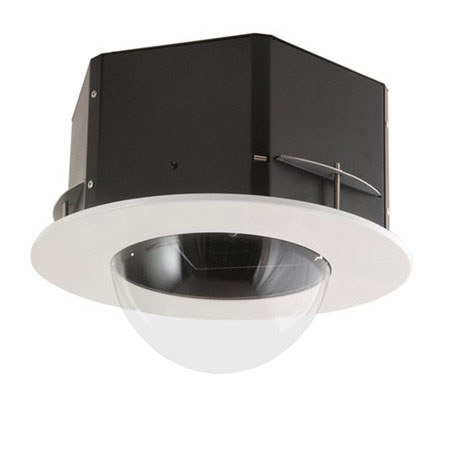
When selecting airport security cameras, decision-makers must navigate a range of considerations to tailor a surveillance solution that meets the unique demands of their facility. Placement is critical: cameras must cover expansive concourses, baggage claims, boarding gates, and sensitive back-of-house areas without leaving blind spots. Weatherproof and vandal-resistant housings are essential for outdoor installations, while discreet, ceiling-mounted units suit high-traffic indoor zones. Integration with existing security infrastructure, such as access control and alarm systems, is another key factor, ensuring seamless communication and a unified response in the event of an incident. Storage capacity and data management are also top priorities, given the high volume of footage generated around the clock. For airport authorities, facility managers, or security professionals, investing in the right surveillance technology is not just about compliance or deterrence—it’s about fostering an environment where travelers feel secure and operations run smoothly, especially during busy travel seasons. While these systems are typically procured by organizations rather than individuals, those responsible for airport safety or managing large-scale transportation hubs will find that a well-designed camera network is a critical asset. For those seeking similar solutions in adjacent environments, such as logistics centers or distribution hubs, our dedicated page for Warehouse Security Cameras offers additional insights into scalable surveillance options.
As the travel industry adapts to new security challenges, the evolution of airport surveillance technology continues to accelerate. Springtime brings not only increased passenger flow but also heightened expectations for seamless, secure travel experiences. Security cameras with advanced features—such as intelligent motion detection, license plate recognition, and remote monitoring—empower airport teams to respond proactively to emerging threats and streamline day-to-day operations. Whether monitoring restricted access points, supporting law enforcement investigations, or ensuring compliance with international aviation standards, these systems are indispensable tools for maintaining order and safety in bustling airport environments. For professionals tasked with safeguarding these dynamic spaces, selecting the right combination of hardware and software is a strategic investment that pays dividends in risk mitigation and traveler confidence, setting the stage for a secure and efficient journey from check-in to boarding.
When selecting airport security cameras, decision-makers must navigate a range of considerations to tailor a surveillance solution that meets the unique demands of their facility. Placement is critical: cameras must cover expansive concourses, baggage claims, boarding gates, and sensitive back-of-house areas without leaving blind spots. Weatherproof and vandal-resistant housings are essential for outdoor installations, while discreet, ceiling-mounted units suit high-traffic indoor zones. Integration with existing security infrastructure, such as access control and alarm systems, is another key factor, ensuring seamless communication and a unified response in the event of an incident. Storage capacity and data management are also top priorities, given the high volume of footage generated around the clock. For airport authorities, facility managers, or security professionals, investing in the right surveillance technology is not just about compliance or deterrence—it’s about fostering an environment where travelers feel secure and operations run smoothly, especially during busy travel seasons. While these systems are typically procured by organizations rather than individuals, those responsible for airport safety or managing large-scale transportation hubs will find that a well-designed camera network is a critical asset. For those seeking similar solutions in adjacent environments, such as logistics centers or distribution hubs, our dedicated page for Warehouse Security Cameras offers additional insights into scalable surveillance options.
As the travel industry adapts to new security challenges, the evolution of airport surveillance technology continues to accelerate. Springtime brings not only increased passenger flow but also heightened expectations for seamless, secure travel experiences. Security cameras with advanced features—such as intelligent motion detection, license plate recognition, and remote monitoring—empower airport teams to respond proactively to emerging threats and streamline day-to-day operations. Whether monitoring restricted access points, supporting law enforcement investigations, or ensuring compliance with international aviation standards, these systems are indispensable tools for maintaining order and safety in bustling airport environments. For professionals tasked with safeguarding these dynamic spaces, selecting the right combination of hardware and software is a strategic investment that pays dividends in risk mitigation and traveler confidence, setting the stage for a secure and efficient journey from check-in to boarding.