Apochromatic Lenses
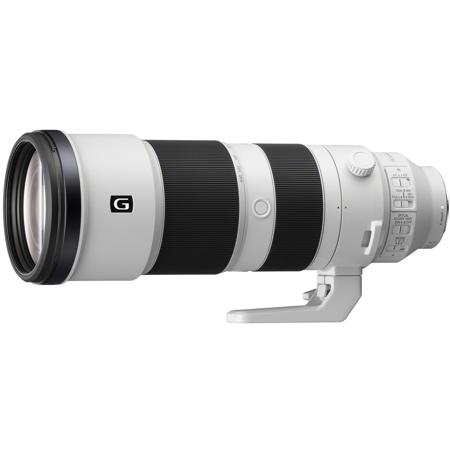
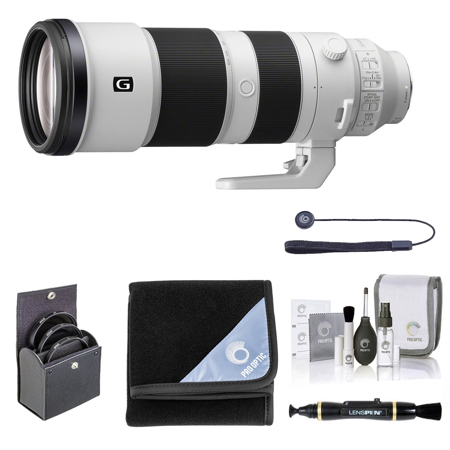
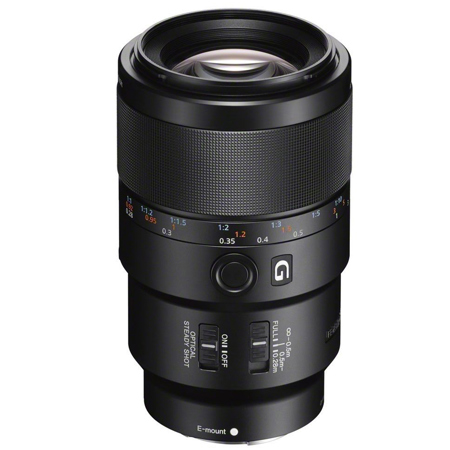
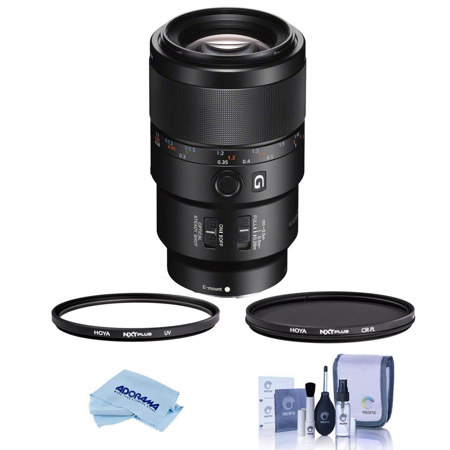
Apochromatic lenses, often referred to as apo lenses, represent a pinnacle of optical engineering for photographers, videographers, and scientific imaging professionals who demand uncompromising image fidelity. Unlike standard achromatic designs, which correct for only two wavelengths of light, apochromatic lenses are constructed to bring three distinct wavelengths—typically red, green, and blue—into precise focus on the same plane. This sophisticated correction all but eliminates chromatic aberration, the unwanted color fringing that can appear around high-contrast edges in a scene, resulting in images that are strikingly sharp and color-accurate. For those working with modern high-resolution sensors, where even the slightest color misalignment can be magnified and degrade image quality, choosing an apochromatic lens is an investment in future-proofing your creative toolkit. As the days grow longer and light becomes more abundant, many outdoor photographers, wildlife enthusiasts, and astrophotographers find themselves reaching for apo lenses to capture the vibrant hues of summer landscapes, the subtle tones of dusk, or the intricate details of distant celestial bodies. These lenses also shine in macro photography, where the close-up nature of the work makes color fringing especially noticeable, and in telephoto applications, where maintaining sharpness and color fidelity over long distances is critical.
The versatility of apochromatic lenses makes them a thoughtful gift for anyone passionate about the art and science of imaging. Whether for a dedicated hobbyist, a professional content creator, or a student embarking on a journey into advanced photography or microscopy, apo lenses offer a tangible upgrade in performance that is immediately visible in the results. Their ability to render micro-details with clarity and true-to-life color is particularly appreciated during the warmer months, when subjects like blooming flowers, insects, and wildlife are in abundance, and during the transition into fall, as changing foliage and shifting light present new creative opportunities. For those curious about what are apo lenses and how they differ from standard optics, it’s helpful to know that their construction often incorporates special elements such as extra-low dispersion glass or fluorite, not only for color correction but also to minimize spherical aberration. This dual correction ensures that light rays from the center and edges of the lens converge perfectly, delivering edge-to-edge sharpness that is essential for both artistic and technical applications. If you’re exploring the world of advanced optics or building a comprehensive lens collection, you might find it worthwhile to browse a broader selection of Optical Lenses to compare features and find the ideal match for your creative vision.
Selecting the right apochromatic lens involves considering your primary shooting scenarios and camera system compatibility. For astrophotographers, an apo lens can reveal the subtle colors of nebulae and star clusters without the distracting halos that often plague lesser optics. Macro specialists benefit from the elimination of color artifacts when photographing insects, plants, or intricate textures, ensuring that every tiny detail is rendered with accuracy. Sports and wildlife photographers, who frequently work with long telephoto lenses, rely on apochromatic designs to maintain crispness and color integrity across vast distances, whether capturing the action on a sunlit field or tracking birds in flight against a bright sky. As you weigh your options, think about the types of subjects and lighting conditions you encounter most often, as well as the need for portability or specialized features like weather sealing or manual focus precision. With the right apo lens, you’ll enjoy greater creative freedom and confidence, knowing that your equipment is engineered to deliver exceptional results in any season, from the lush greens of summer to the golden hues of early fall.
The versatility of apochromatic lenses makes them a thoughtful gift for anyone passionate about the art and science of imaging. Whether for a dedicated hobbyist, a professional content creator, or a student embarking on a journey into advanced photography or microscopy, apo lenses offer a tangible upgrade in performance that is immediately visible in the results. Their ability to render micro-details with clarity and true-to-life color is particularly appreciated during the warmer months, when subjects like blooming flowers, insects, and wildlife are in abundance, and during the transition into fall, as changing foliage and shifting light present new creative opportunities. For those curious about what are apo lenses and how they differ from standard optics, it’s helpful to know that their construction often incorporates special elements such as extra-low dispersion glass or fluorite, not only for color correction but also to minimize spherical aberration. This dual correction ensures that light rays from the center and edges of the lens converge perfectly, delivering edge-to-edge sharpness that is essential for both artistic and technical applications. If you’re exploring the world of advanced optics or building a comprehensive lens collection, you might find it worthwhile to browse a broader selection of Optical Lenses to compare features and find the ideal match for your creative vision.
Selecting the right apochromatic lens involves considering your primary shooting scenarios and camera system compatibility. For astrophotographers, an apo lens can reveal the subtle colors of nebulae and star clusters without the distracting halos that often plague lesser optics. Macro specialists benefit from the elimination of color artifacts when photographing insects, plants, or intricate textures, ensuring that every tiny detail is rendered with accuracy. Sports and wildlife photographers, who frequently work with long telephoto lenses, rely on apochromatic designs to maintain crispness and color integrity across vast distances, whether capturing the action on a sunlit field or tracking birds in flight against a bright sky. As you weigh your options, think about the types of subjects and lighting conditions you encounter most often, as well as the need for portability or specialized features like weather sealing or manual focus precision. With the right apo lens, you’ll enjoy greater creative freedom and confidence, knowing that your equipment is engineered to deliver exceptional results in any season, from the lush greens of summer to the golden hues of early fall.