
Achromatic Telescopes
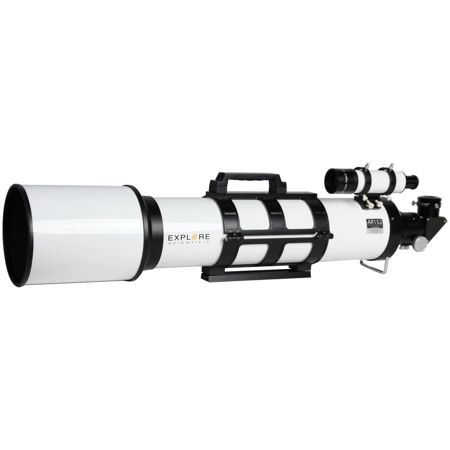
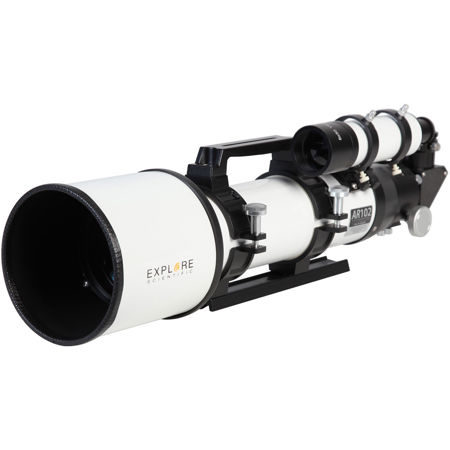
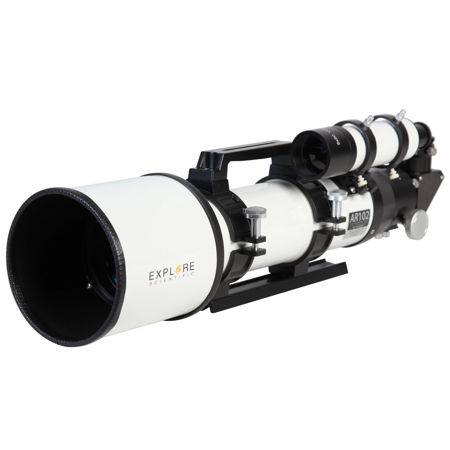
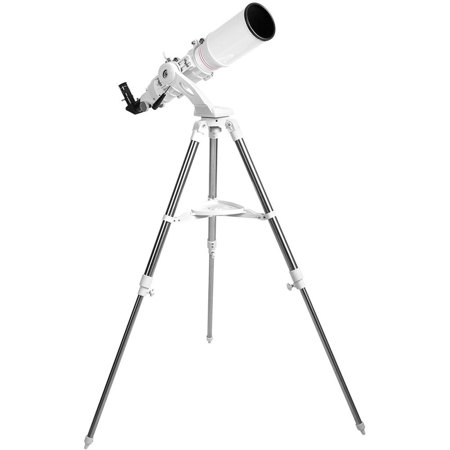
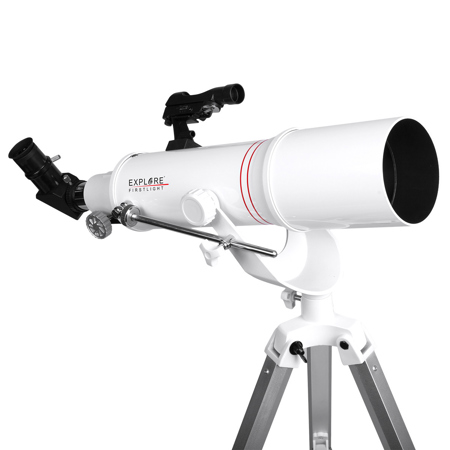
Achromatic telescopes have long held a special place in the world of amateur astronomy, offering a time-tested blend of optical clarity and accessibility that appeals to stargazers of all experience levels. These refracting telescopes use a carefully engineered doublet lens—typically combining crown and flint glass elements—to correct for chromatic aberration, a phenomenon where different wavelengths of light focus at slightly different points, leading to color fringing around bright celestial objects. By bringing two primary wavelengths, usually red and blue, into a single focal plane, achromatic telescopes deliver crisp, detailed images with markedly reduced color distortion compared to older single-lens designs. For those who have spent a summer evening scanning the sky for the rings of Saturn or tracing the rugged contours of the lunar surface, the subtle improvement in contrast and sharpness provided by an achromat is immediately apparent. While a faint purple halo may still appear around the brightest targets, especially in shorter focal length models, the overall viewing experience remains impressive for the price point—making these telescopes a favorite for beginners, educators, and anyone seeking an affordable introduction to the wonders of the night sky.
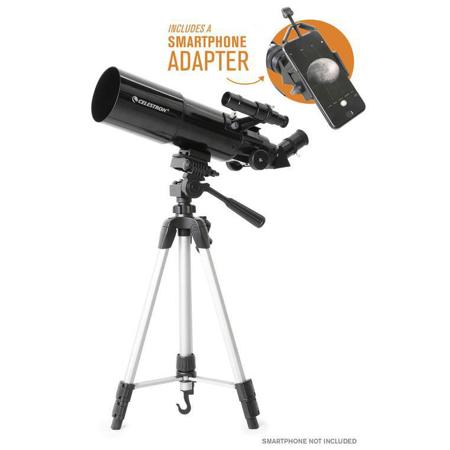
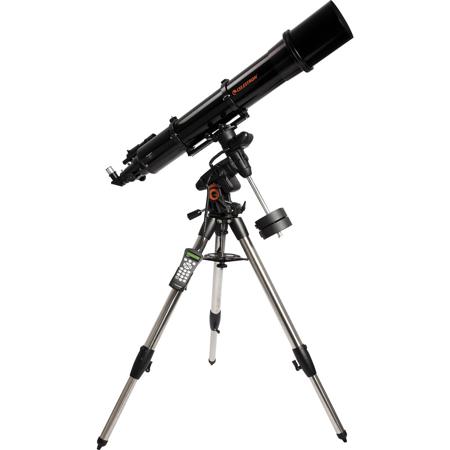
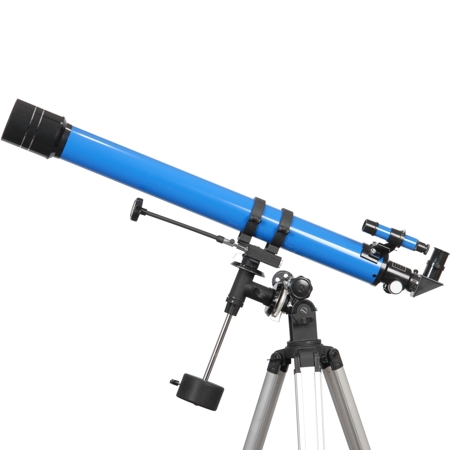
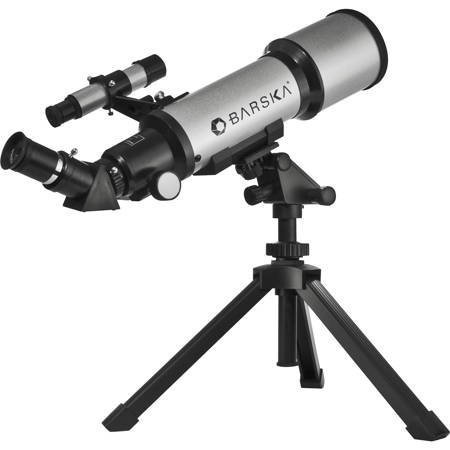
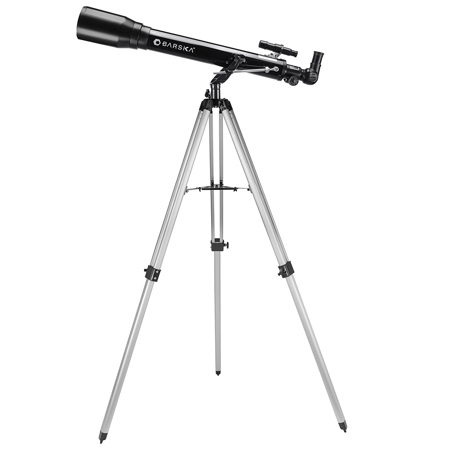
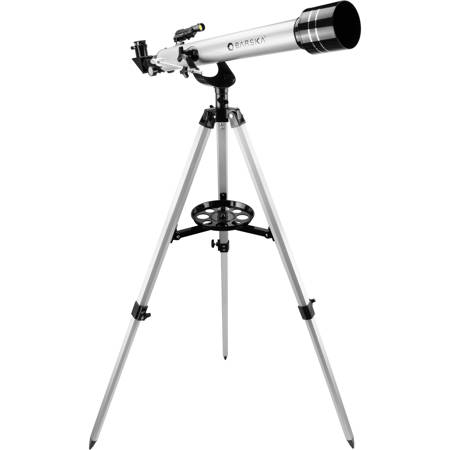
When considering an achromatic telescope, it’s helpful to think about how and where you plan to observe. Smaller models, often in the 70mm aperture range, are lightweight and portable, ideal for spontaneous backyard sessions or taking along on weekend camping trips as the weather warms and the nights invite outdoor exploration. These compact scopes are also popular as gifts, particularly for students, families, or anyone expressing a budding interest in astronomy. Their straightforward operation and quick setup mean you can be up and observing in minutes, whether you’re catching the first glimpse of Jupiter’s moons or following a meteor shower during the quieter, cooler months. For those seeking more detailed planetary or lunar views, larger achromatic refractors with longer focal ratios—such as f/10 to f/15—naturally minimize color fringing and provide sharp, contrast-rich images. However, these longer-tube models can be physically sizable and may require a sturdy mount, making them better suited for a permanent spot in the backyard or a dedicated observing area. Enthusiasts who enjoy hunting for double stars or testing their skills on subtle planetary details often appreciate the crispness of an achromatic refractor, and for those interested in this specialized pursuit, our selection of Telescopes For Observing Double Stars offers more tailored options to explore.
Achromatic telescopes also appeal to a wide range of users beyond the solo stargazer. They are frequently chosen by educators and astronomy clubs for outreach events, where durability, ease of use, and cost-effectiveness are essential. The robust construction and classic design of these telescopes make them reliable companions for public star parties, science fairs, or community gatherings under the stars. Families often find that an achromatic refractor becomes a shared adventure, sparking curiosity in children and adults alike as they track the changing phases of Venus or spot the subtle colors of distant nebulae on clear autumn nights. While advanced astrophotographers may eventually seek apochromatic optics for capturing deep-sky images with minimal color distortion, the achromatic telescope remains a steadfast favorite for visual observation, casual astrophotography, and those moments when simply gazing upward is reward enough. Whether you’re shopping for your first telescope, upgrading to a larger aperture, or searching for a meaningful gift that encourages exploration and learning, an achromatic refractor stands as a versatile and enduring choice—inviting you to discover the universe, one star at a time.
When considering an achromatic telescope, it’s helpful to think about how and where you plan to observe. Smaller models, often in the 70mm aperture range, are lightweight and portable, ideal for spontaneous backyard sessions or taking along on weekend camping trips as the weather warms and the nights invite outdoor exploration. These compact scopes are also popular as gifts, particularly for students, families, or anyone expressing a budding interest in astronomy. Their straightforward operation and quick setup mean you can be up and observing in minutes, whether you’re catching the first glimpse of Jupiter’s moons or following a meteor shower during the quieter, cooler months. For those seeking more detailed planetary or lunar views, larger achromatic refractors with longer focal ratios—such as f/10 to f/15—naturally minimize color fringing and provide sharp, contrast-rich images. However, these longer-tube models can be physically sizable and may require a sturdy mount, making them better suited for a permanent spot in the backyard or a dedicated observing area. Enthusiasts who enjoy hunting for double stars or testing their skills on subtle planetary details often appreciate the crispness of an achromatic refractor, and for those interested in this specialized pursuit, our selection of Telescopes For Observing Double Stars offers more tailored options to explore.
Achromatic telescopes also appeal to a wide range of users beyond the solo stargazer. They are frequently chosen by educators and astronomy clubs for outreach events, where durability, ease of use, and cost-effectiveness are essential. The robust construction and classic design of these telescopes make them reliable companions for public star parties, science fairs, or community gatherings under the stars. Families often find that an achromatic refractor becomes a shared adventure, sparking curiosity in children and adults alike as they track the changing phases of Venus or spot the subtle colors of distant nebulae on clear autumn nights. While advanced astrophotographers may eventually seek apochromatic optics for capturing deep-sky images with minimal color distortion, the achromatic telescope remains a steadfast favorite for visual observation, casual astrophotography, and those moments when simply gazing upward is reward enough. Whether you’re shopping for your first telescope, upgrading to a larger aperture, or searching for a meaningful gift that encourages exploration and learning, an achromatic refractor stands as a versatile and enduring choice—inviting you to discover the universe, one star at a time.