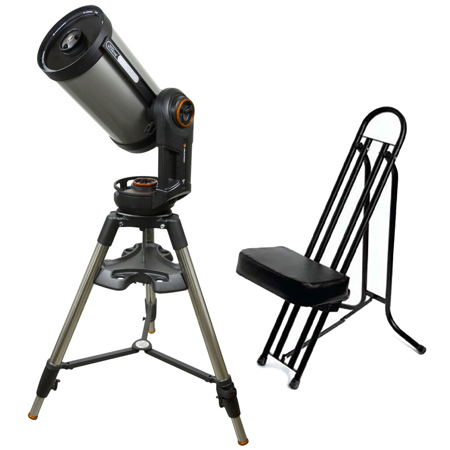
Telescopes For Observing Double Stars
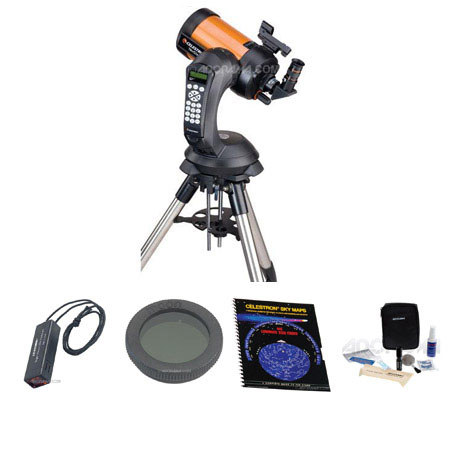
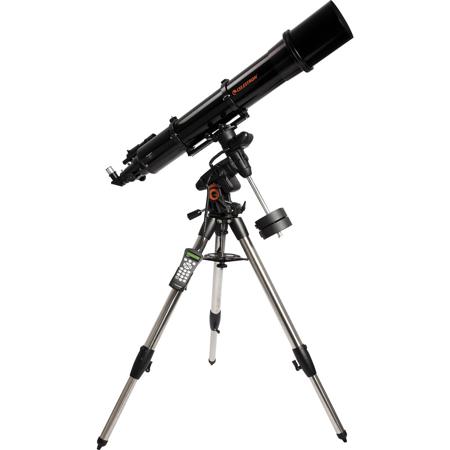
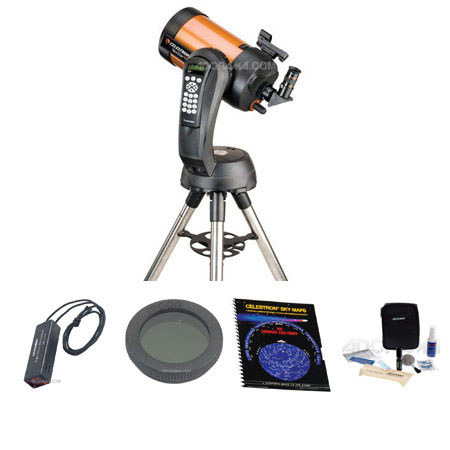
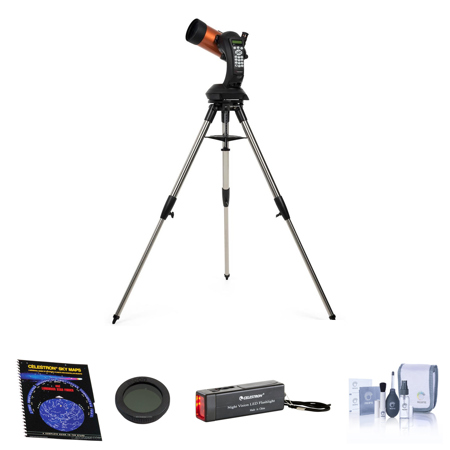
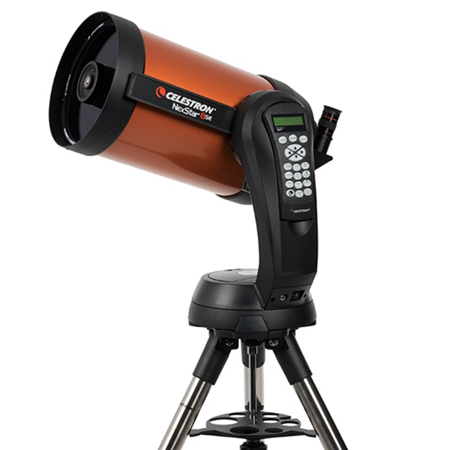
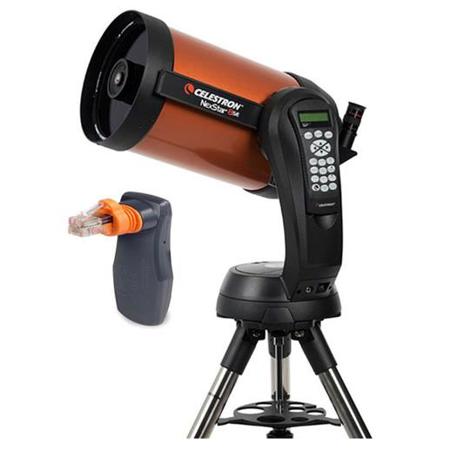
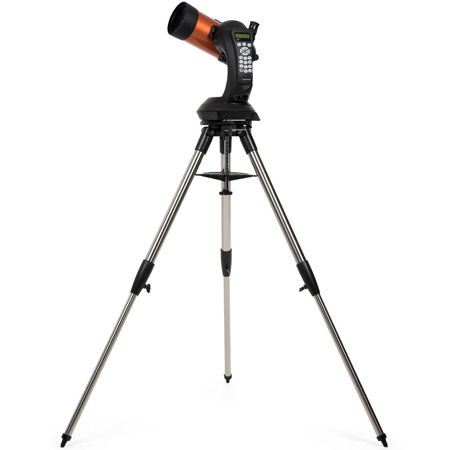
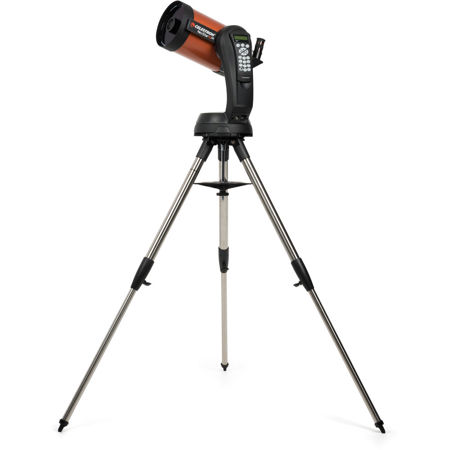
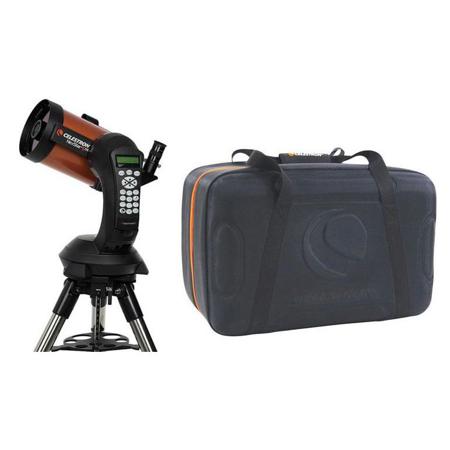
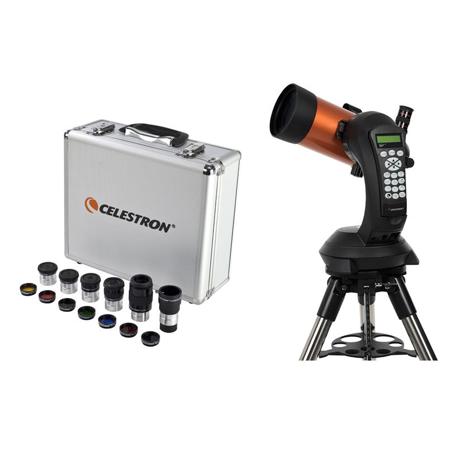
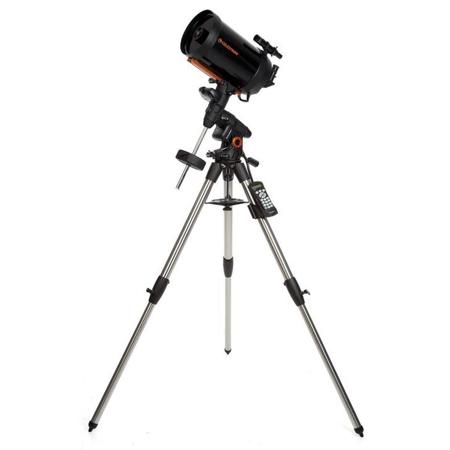
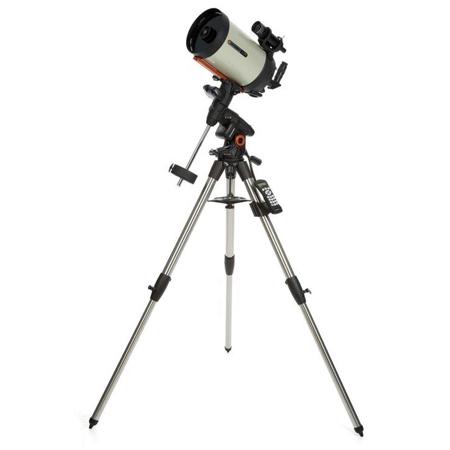
Double star observation stands as one of the most enduring and accessible joys in amateur astronomy, offering a unique blend of technical challenge and visual beauty. As the skies clear and the evenings stretch longer, many enthusiasts find themselves drawn to the subtle artistry of splitting stellar pairs—those distant suns that appear as a single point to the naked eye, but reveal their true duality through the right telescope. Whether you’re an experienced stargazer or just beginning to explore the universe beyond our solar system, choosing a telescope for observing double stars involves a few key considerations. Optical clarity and contrast are paramount: refractors, especially those with apochromatic or ED (extra-low dispersion) glass, have long been favored for their ability to deliver pinpoint star images and rich color separation. These telescopes excel at resolving tightly bound double stars, where the challenge lies in distinguishing two close points of light—sometimes differing in color, such as the famed gold and blue hues of Albireo. Maksutov-Cassegrain designs also shine in this pursuit, offering long focal lengths and high magnification in a compact, portable package, making them ideal for those who value both performance and convenience during impromptu observing sessions.
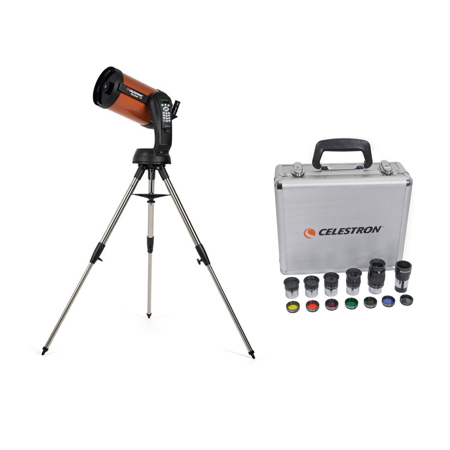
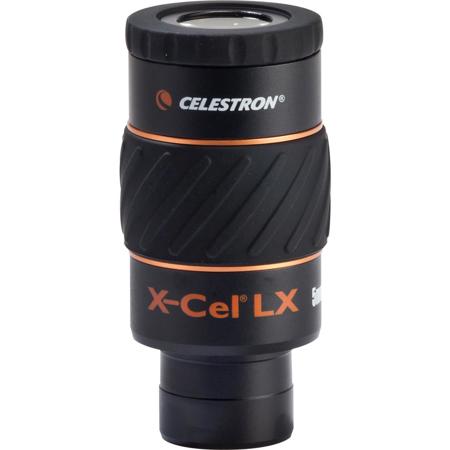
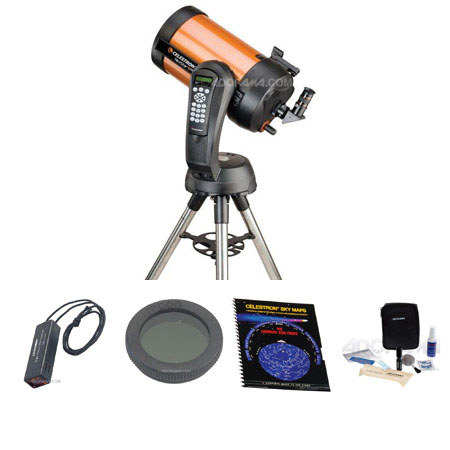
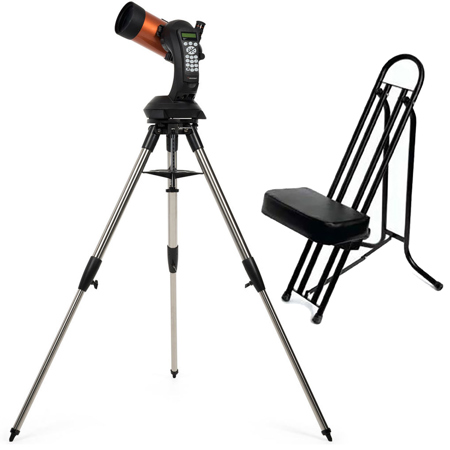
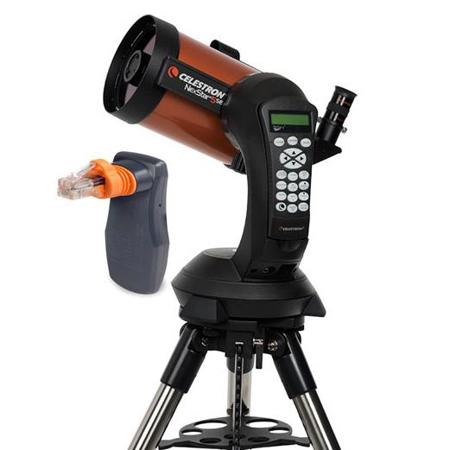
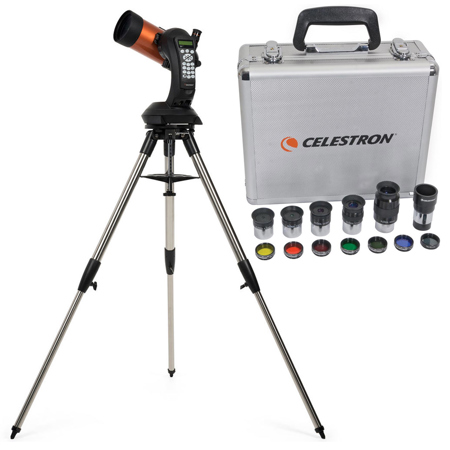
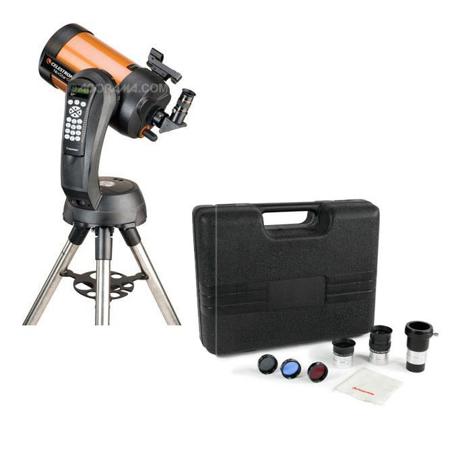
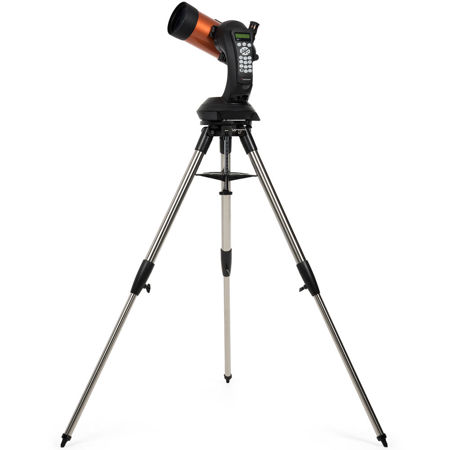
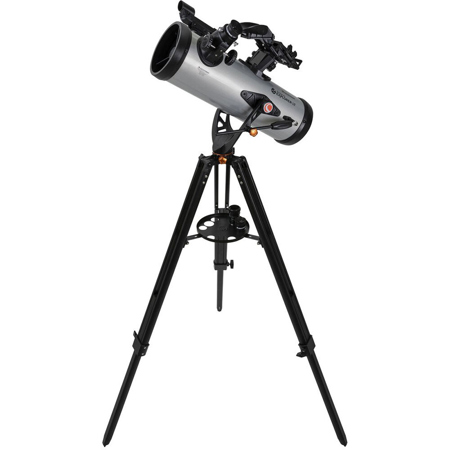
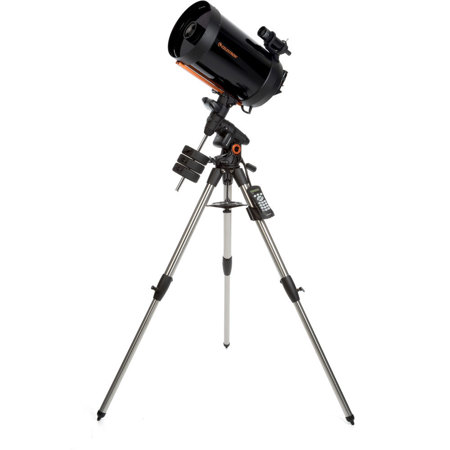
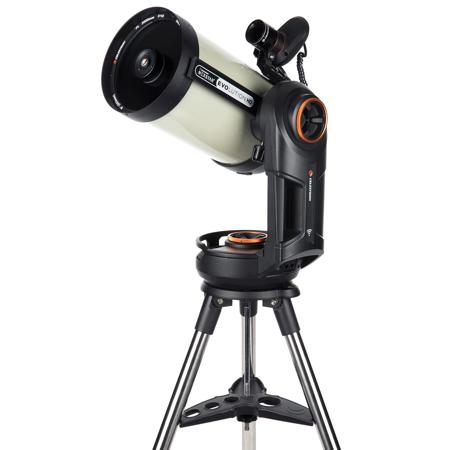
Alongside optical quality, stability is crucial when working at the higher magnifications often required for double star work. Even the most finely crafted optics can be undermined by a shaky mount, so many astronomers opt for solid equatorial or motorized GoTo mounts that keep targets steady and tracking smoothly across the sky. Large Dobsonian telescopes, prized for their generous apertures and affordability, can also reveal double stars that are fainter or separated by the narrowest of margins, though their size may be best suited to backyard setups. The right eyepiece selection—such as high-quality Plössls or variable zooms—further enhances your ability to tease apart stellar companions. Double star observing is also wonderfully forgiving when it comes to sky conditions; while planetary and deep-sky targets may fade in the face of light pollution or a bright Moon, many double stars remain vivid and rewarding, making them an excellent pursuit from suburban patios or city rooftops. This versatility makes telescopes for double star observation a thoughtful gift for hobbyists of all ages, from students eager to learn about celestial mechanics to seasoned astronomers seeking new challenges as the seasons change.
The summer and early fall months bring a wealth of double stars into prime view, their subtle colors and close separations providing both a test of skill and a source of awe. Many observers describe the satisfaction of splitting a famously tight pair for the first time as a moment of discovery—a glimpse into the true complexity of our galaxy. For those interested in expanding their horizons even further, exploring other celestial wonders is a natural next step; you can find recommendations for instruments suited to faint, diffuse objects on our Telescopes For Observing Nebulae page. Whether you’re assembling your first kit or upgrading for more advanced pursuits, the right telescope for double star observation is an invitation to slow down, look deeper, and experience the night sky in all its subtlety and splendor.
Alongside optical quality, stability is crucial when working at the higher magnifications often required for double star work. Even the most finely crafted optics can be undermined by a shaky mount, so many astronomers opt for solid equatorial or motorized GoTo mounts that keep targets steady and tracking smoothly across the sky. Large Dobsonian telescopes, prized for their generous apertures and affordability, can also reveal double stars that are fainter or separated by the narrowest of margins, though their size may be best suited to backyard setups. The right eyepiece selection—such as high-quality Plössls or variable zooms—further enhances your ability to tease apart stellar companions. Double star observing is also wonderfully forgiving when it comes to sky conditions; while planetary and deep-sky targets may fade in the face of light pollution or a bright Moon, many double stars remain vivid and rewarding, making them an excellent pursuit from suburban patios or city rooftops. This versatility makes telescopes for double star observation a thoughtful gift for hobbyists of all ages, from students eager to learn about celestial mechanics to seasoned astronomers seeking new challenges as the seasons change.
The summer and early fall months bring a wealth of double stars into prime view, their subtle colors and close separations providing both a test of skill and a source of awe. Many observers describe the satisfaction of splitting a famously tight pair for the first time as a moment of discovery—a glimpse into the true complexity of our galaxy. For those interested in expanding their horizons even further, exploring other celestial wonders is a natural next step; you can find recommendations for instruments suited to faint, diffuse objects on our Telescopes For Observing Nebulae page. Whether you’re assembling your first kit or upgrading for more advanced pursuits, the right telescope for double star observation is an invitation to slow down, look deeper, and experience the night sky in all its subtlety and splendor.