Telescopes For Observing Globular Clusters
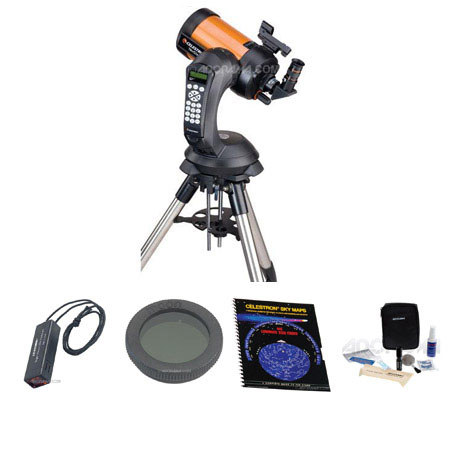
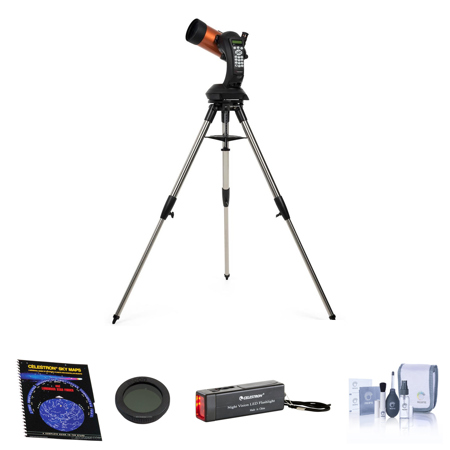
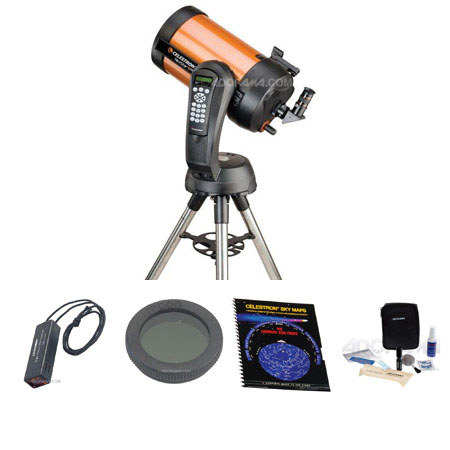
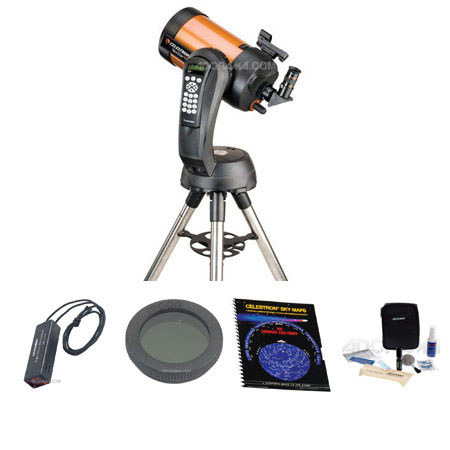
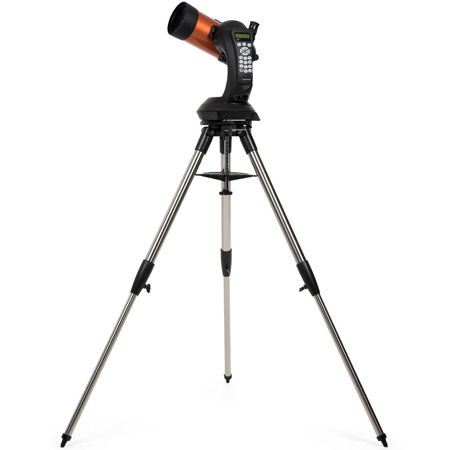
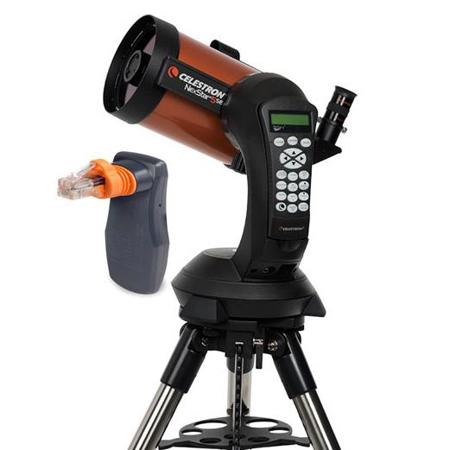
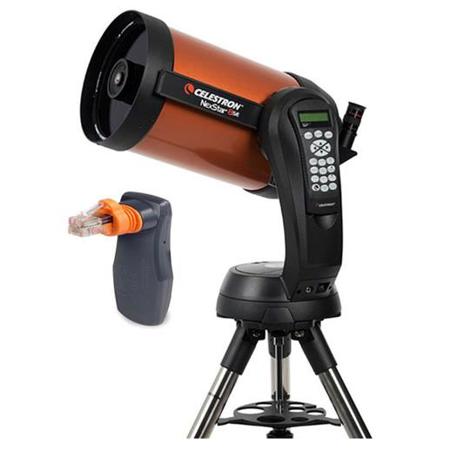
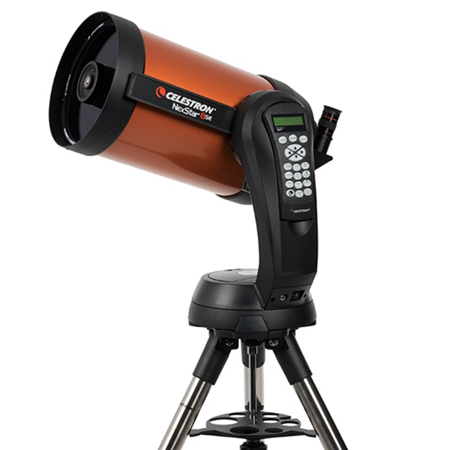
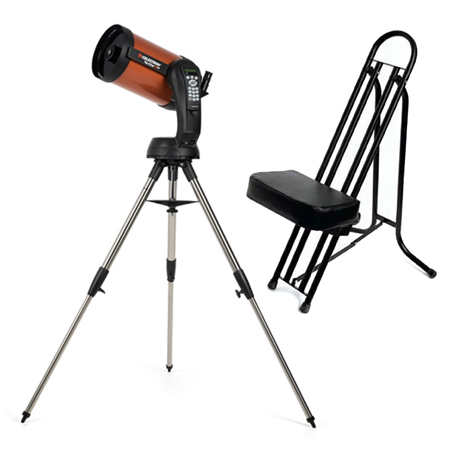
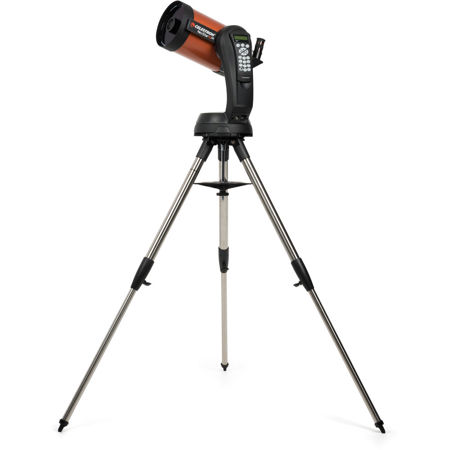
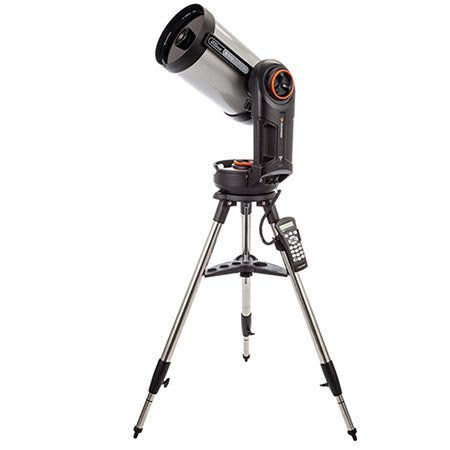
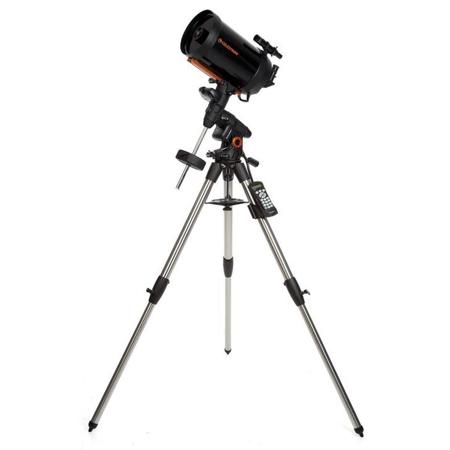
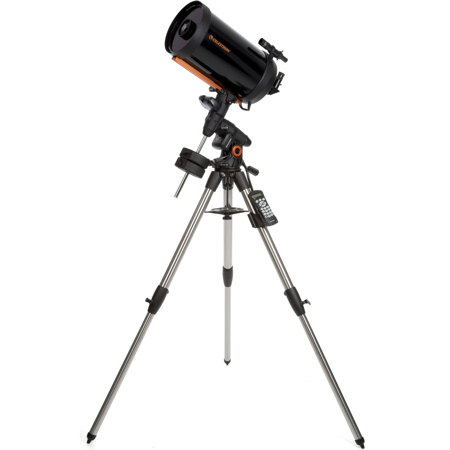
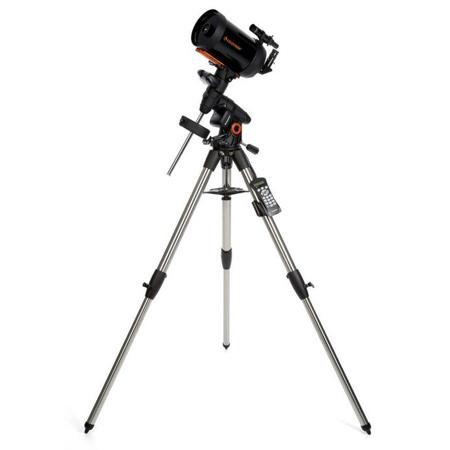
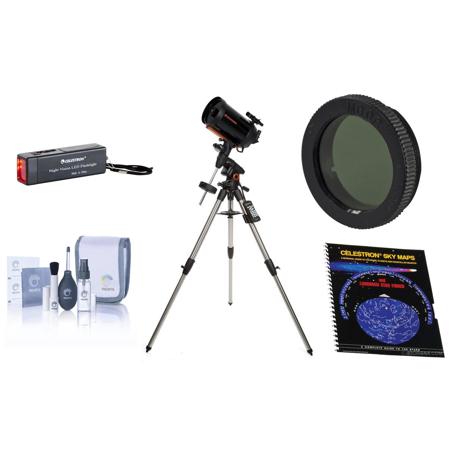
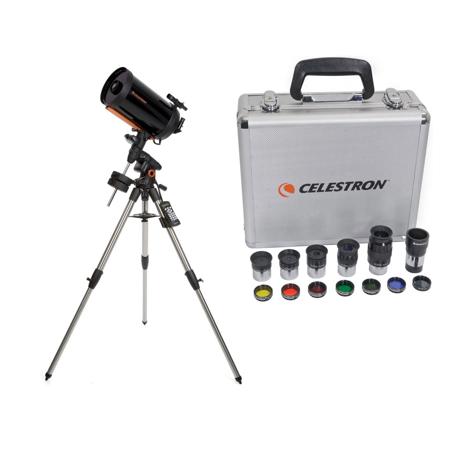
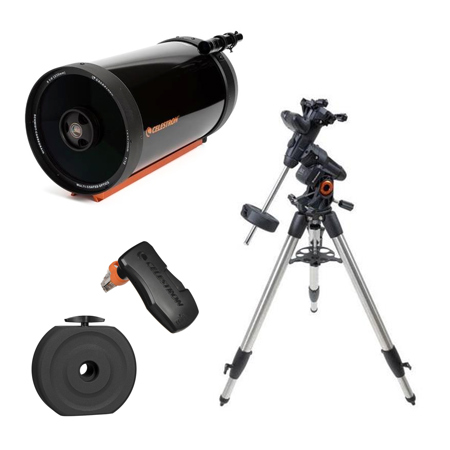
Globular clusters are among the most awe-inspiring sights in the night sky, presenting dense, spherical gatherings of ancient stars that shimmer like cosmic jewels against the backdrop of the universe. Observing these stellar swarms—such as the famous Hercules Cluster (M13) or M5—calls for telescopes with considerable light-gathering power and the ability to deliver crisp resolution at medium to high magnifications. For those passionate about astronomy, whether you’re an experienced observer eager to resolve the delicate latticework of individual stars or a newcomer fascinated by the mysteries of the cosmos, choosing the right telescope is key to unlocking the full splendor of globular clusters. Large-aperture reflectors, particularly Dobsonian models in the 8-inch to 12-inch range, are prized for their ability to reveal the intricate structure of these clusters, transforming what appears as a faint, fuzzy patch in smaller scopes into a dazzling field studded with pinprick stars. Compound telescopes, such as Schmidt-Cassegrains, combine generous apertures and long focal lengths in a manageable package, offering versatility and the potential for higher magnification to tease apart the densely packed stars at a cluster’s core.
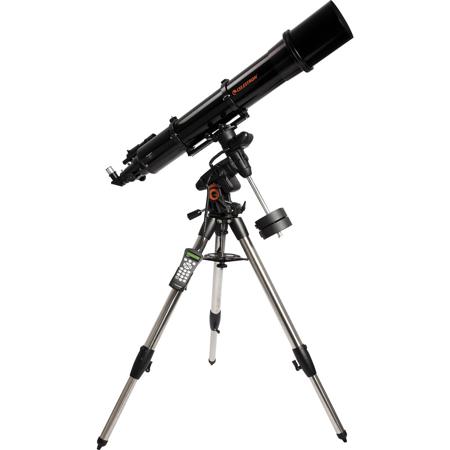
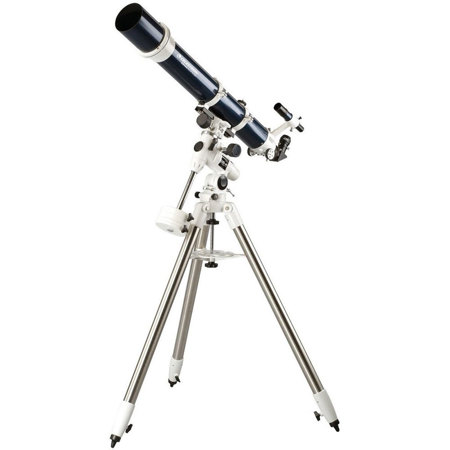
As the nights stretch longer and the air turns crisp, stargazers often find themselves drawn outdoors, whether to a quiet backyard or a remote dark-sky site far from city lights. The performance of any telescope is dramatically enhanced under dark skies, where the subtle glow of a globular cluster’s faint outer members can be seen in stark contrast to the inky blackness. This makes autumn and late summer prime seasons for deep-sky observation, as cooler evenings encourage longer sessions at the eyepiece. Families and friends may gather for impromptu “star parties,” making a telescope an inspired gift for aspiring astronomers of all ages, from curious teens to seasoned hobbyists. For those who enjoy sharing celestial discoveries, a robust, easy-to-use Dobsonian can be a centerpiece for group observing, while a computerized GoTo mount appeals to those who appreciate the convenience of tracking and locating objects with minimal effort. Even a smaller refractor can delight beginners, offering a glimpse of globular clusters as softly glowing, mysterious spheres—a perfect introduction to the wonders waiting to be explored with larger instruments in the future.
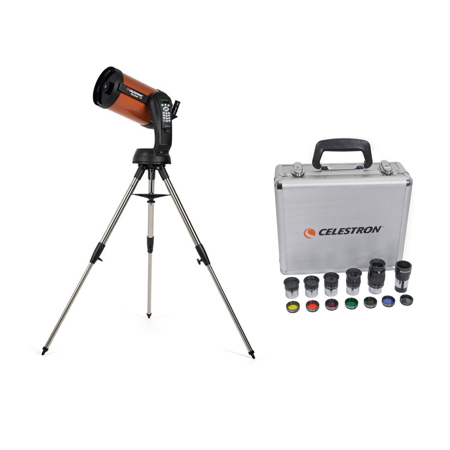
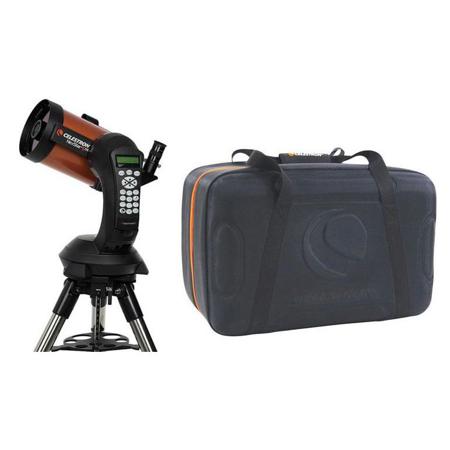
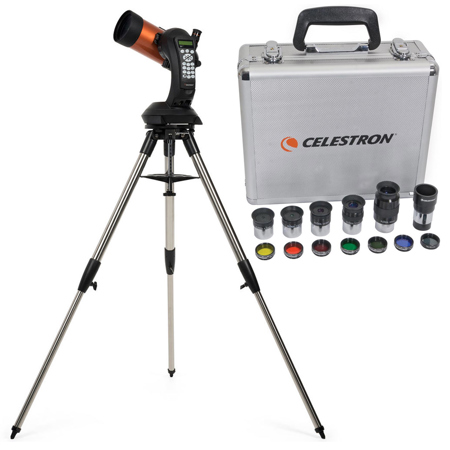
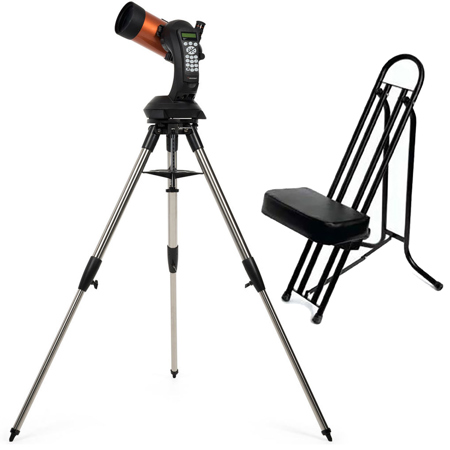
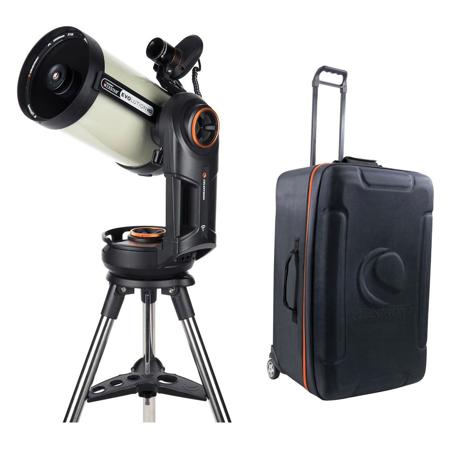
When selecting a telescope for globular cluster observation, consider not only aperture size but also portability, setup complexity, and your preferred observing locations. Those venturing to rural skies may prioritize larger, more powerful scopes, while urban astronomers might seek compact models that fit easily into a car or apartment. Accessories such as sturdy mounts, high-quality eyepieces, and filters can further enhance the experience, allowing you to push magnification and contrast to their limits. For those whose interests extend beyond globular clusters, many of the same telescopes excel at revealing the subtle beauty of double stars, planetary details, and nebulae—making them versatile additions to any astronomer’s toolkit. If you’re curious about exploring other celestial wonders, you can find more information on Telescopes For Observing Double Stars to expand your observing repertoire. Whether you’re gifting a telescope to a loved one or treating yourself to a new instrument, the right choice will provide countless nights of discovery and inspiration beneath the stars.
As the nights stretch longer and the air turns crisp, stargazers often find themselves drawn outdoors, whether to a quiet backyard or a remote dark-sky site far from city lights. The performance of any telescope is dramatically enhanced under dark skies, where the subtle glow of a globular cluster’s faint outer members can be seen in stark contrast to the inky blackness. This makes autumn and late summer prime seasons for deep-sky observation, as cooler evenings encourage longer sessions at the eyepiece. Families and friends may gather for impromptu “star parties,” making a telescope an inspired gift for aspiring astronomers of all ages, from curious teens to seasoned hobbyists. For those who enjoy sharing celestial discoveries, a robust, easy-to-use Dobsonian can be a centerpiece for group observing, while a computerized GoTo mount appeals to those who appreciate the convenience of tracking and locating objects with minimal effort. Even a smaller refractor can delight beginners, offering a glimpse of globular clusters as softly glowing, mysterious spheres—a perfect introduction to the wonders waiting to be explored with larger instruments in the future.
When selecting a telescope for globular cluster observation, consider not only aperture size but also portability, setup complexity, and your preferred observing locations. Those venturing to rural skies may prioritize larger, more powerful scopes, while urban astronomers might seek compact models that fit easily into a car or apartment. Accessories such as sturdy mounts, high-quality eyepieces, and filters can further enhance the experience, allowing you to push magnification and contrast to their limits. For those whose interests extend beyond globular clusters, many of the same telescopes excel at revealing the subtle beauty of double stars, planetary details, and nebulae—making them versatile additions to any astronomer’s toolkit. If you’re curious about exploring other celestial wonders, you can find more information on Telescopes For Observing Double Stars to expand your observing repertoire. Whether you’re gifting a telescope to a loved one or treating yourself to a new instrument, the right choice will provide countless nights of discovery and inspiration beneath the stars.