Audio Interfaces Podcasting
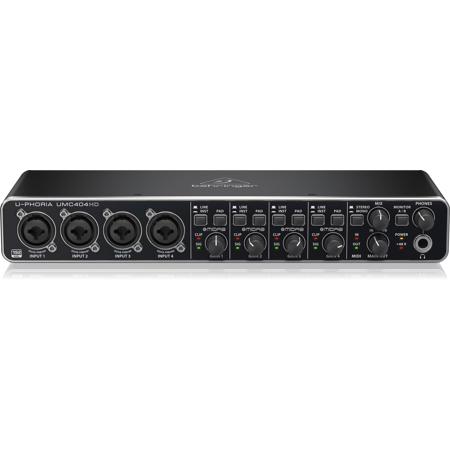
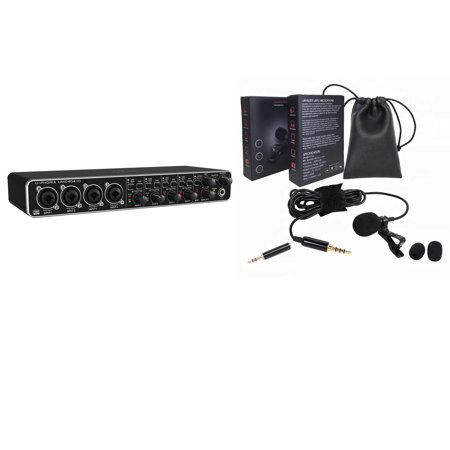
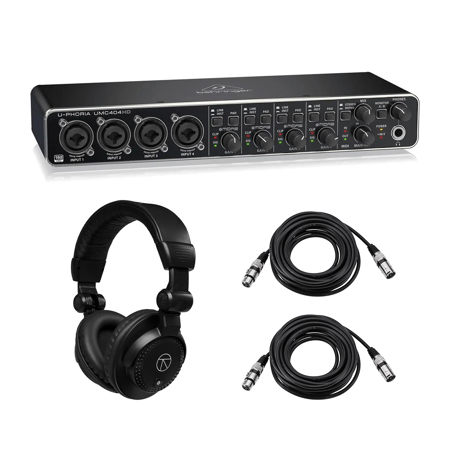
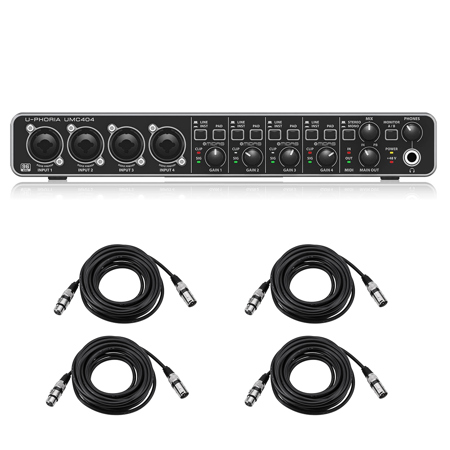
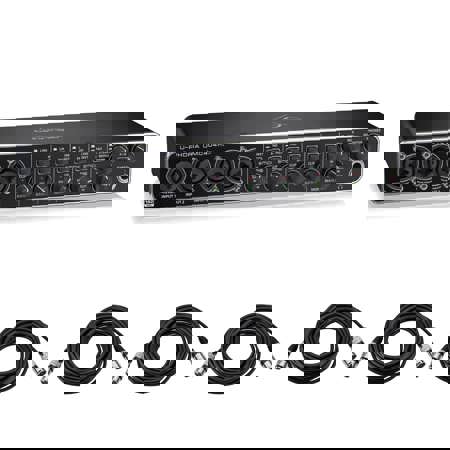
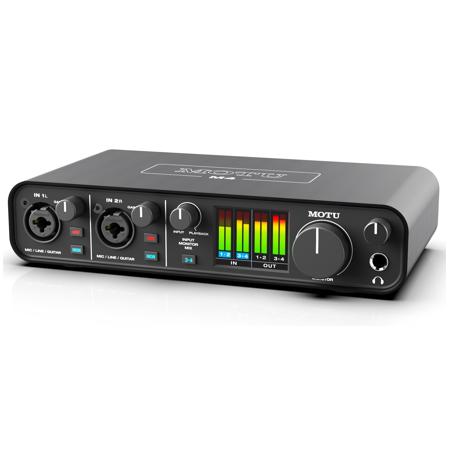
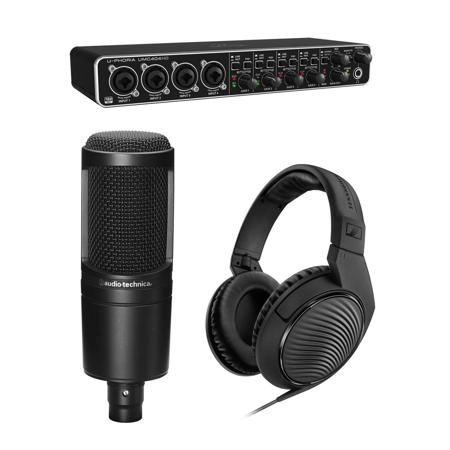
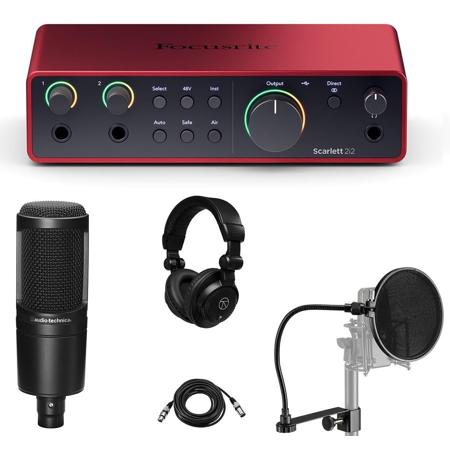
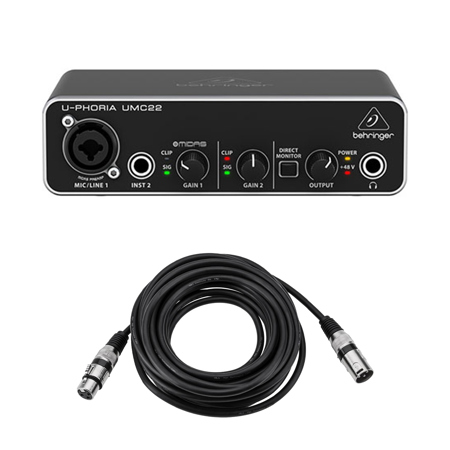
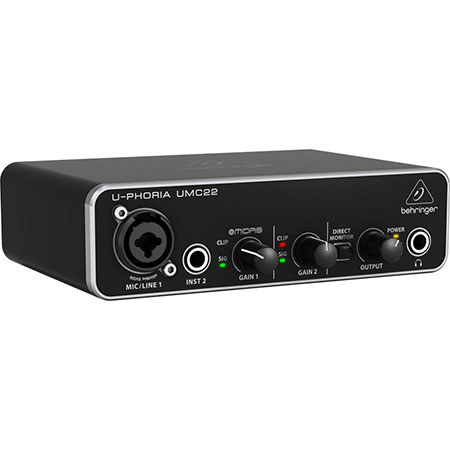
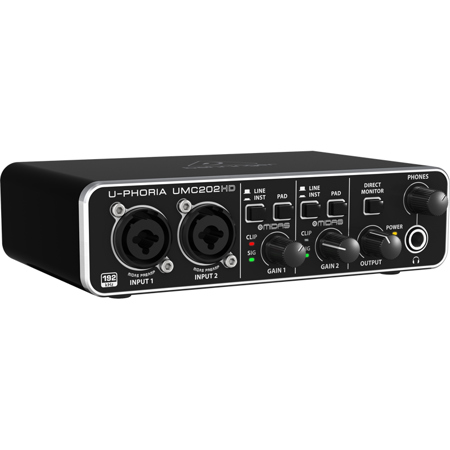
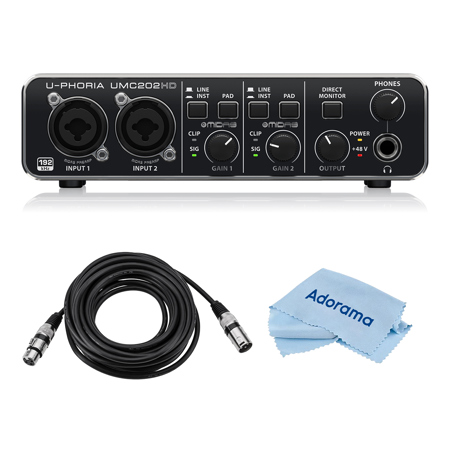
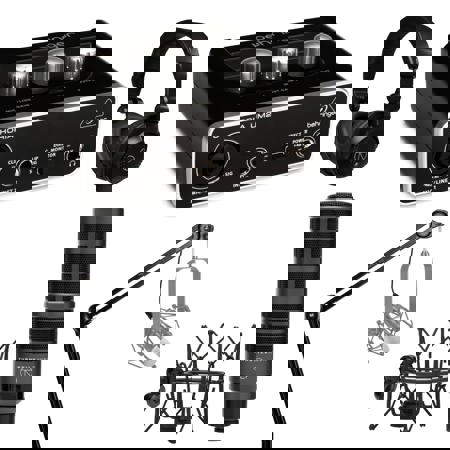
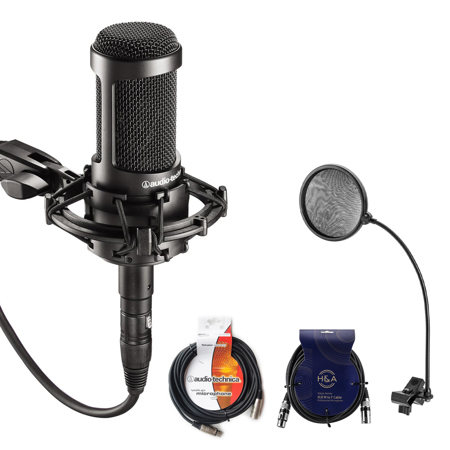
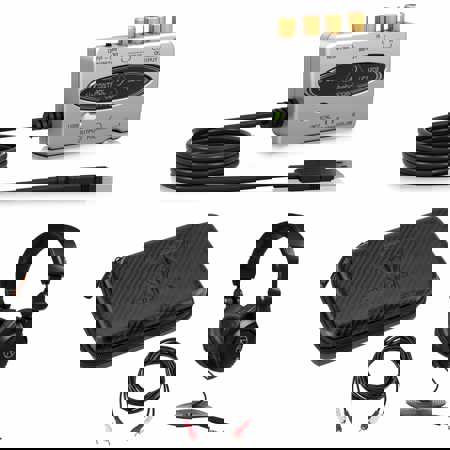
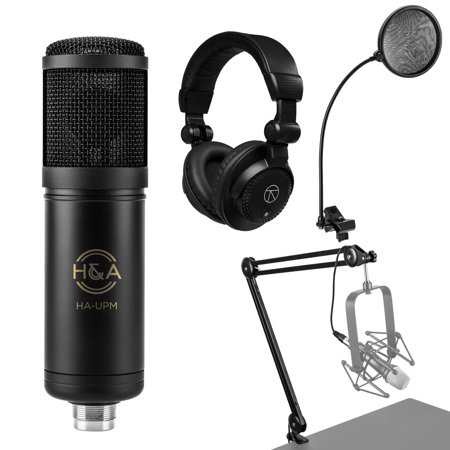
When it comes to capturing professional-quality audio for podcasts, audio interfaces are at the heart of any reliable setup. These devices act as the bridge between your microphones and your computer, transforming analog signals into pristine digital audio while giving you hands-on control over every nuance of your recording. Whether you’re a seasoned broadcaster, an aspiring podcaster launching your first show, or a content creator looking to elevate your sound, an audio interface is an essential investment. As winter settles in and schedules slow down, many find it’s the perfect season to experiment with new projects indoors—making podcasting a timely pursuit. The right audio interface ensures that every spoken word, laugh, or musical interlude is captured with clarity, free from background noise or distortion. For creators who host interviews with remote guests, record multi-person discussions, or integrate musical elements, interfaces with multiple inputs and independent gain controls offer the flexibility needed for a seamless workflow. Features like phantom power support for condenser microphones, direct monitoring through headphones, and robust preamps help deliver a polished, broadcast-ready sound that stands out in a crowded digital landscape.
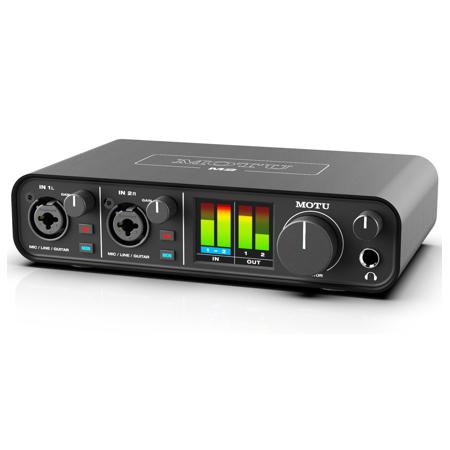
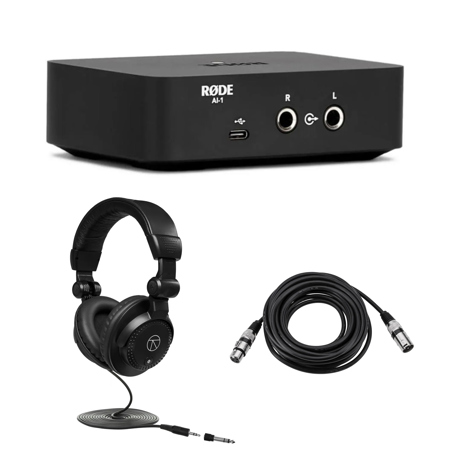
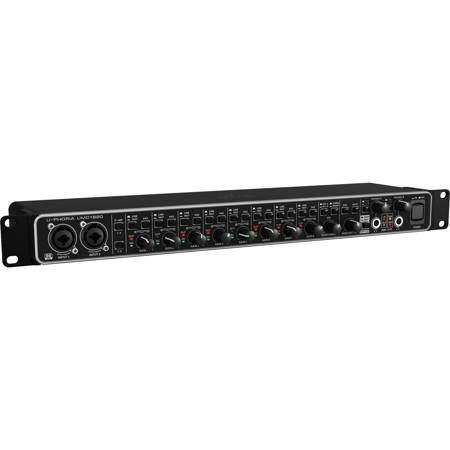
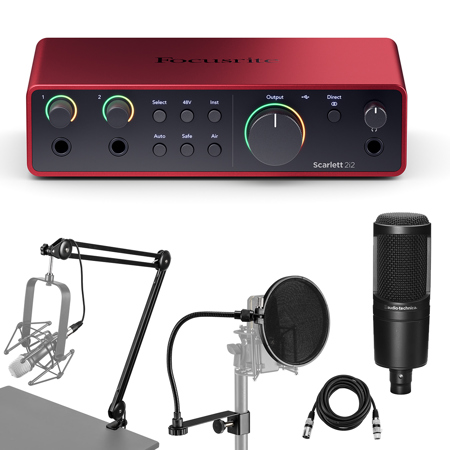
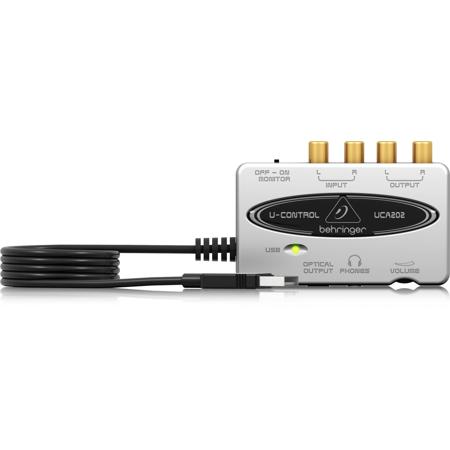
Selecting an audio interface for podcasting involves considering your recording environment, the number of hosts or guests, and your preferred workflow. Solo podcasters may appreciate compact, single-input models that slip easily into a home office or travel bag, while those running panel discussions or roundtable interviews often benefit from interfaces with multiple XLR or combo jacks. USB connectivity remains popular for its plug-and-play simplicity, but Thunderbolt and other connections can offer lower latency and higher bandwidth for demanding setups. Gain knobs on each channel allow for precise adjustment, ensuring every voice is balanced and intelligible, even in lively group settings. Real-time headphone monitoring is invaluable for catching subtle audio issues before they reach your audience, and advanced interfaces often include onboard mixing and processing capabilities for even greater control. These features make audio interfaces a thoughtful gift for anyone passionate about storytelling, education, or creative collaboration—students launching a campus podcast, professionals building a branded series, or friends chronicling their adventures. The process of setting up an interface, connecting microphones, and hearing your voice come through with studio-grade fidelity is often a turning point, transforming casual hobbyists into dedicated creators.
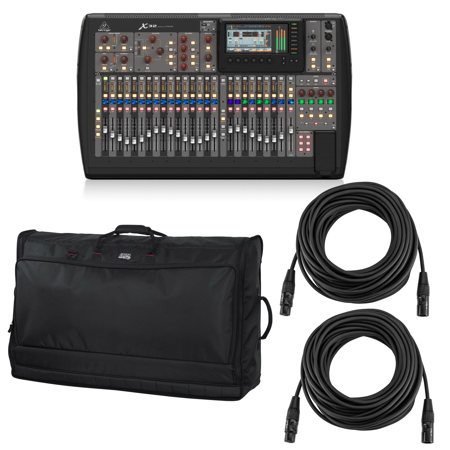
As you browse for the ideal audio interface, consider how it might integrate with other essential gear. Many podcasters pair their interface with a dedicated mixer to further shape their sound, introduce effects, or manage complex multi-source recordings. If you’re interested in expanding your setup, explore our curated selection of Audio Mixers Podcasting for additional options. Ultimately, the right audio interface empowers you to focus on your content, confident that your technical foundation is solid. Whether you’re recording in a cozy home studio as snow falls outside or preparing for live events and remote interviews, these devices are built to deliver reliable, high-quality audio with every session. The result is a podcast that not only sounds professional but also connects more deeply with listeners, fostering community and conversation throughout the year.
Selecting an audio interface for podcasting involves considering your recording environment, the number of hosts or guests, and your preferred workflow. Solo podcasters may appreciate compact, single-input models that slip easily into a home office or travel bag, while those running panel discussions or roundtable interviews often benefit from interfaces with multiple XLR or combo jacks. USB connectivity remains popular for its plug-and-play simplicity, but Thunderbolt and other connections can offer lower latency and higher bandwidth for demanding setups. Gain knobs on each channel allow for precise adjustment, ensuring every voice is balanced and intelligible, even in lively group settings. Real-time headphone monitoring is invaluable for catching subtle audio issues before they reach your audience, and advanced interfaces often include onboard mixing and processing capabilities for even greater control. These features make audio interfaces a thoughtful gift for anyone passionate about storytelling, education, or creative collaboration—students launching a campus podcast, professionals building a branded series, or friends chronicling their adventures. The process of setting up an interface, connecting microphones, and hearing your voice come through with studio-grade fidelity is often a turning point, transforming casual hobbyists into dedicated creators.
As you browse for the ideal audio interface, consider how it might integrate with other essential gear. Many podcasters pair their interface with a dedicated mixer to further shape their sound, introduce effects, or manage complex multi-source recordings. If you’re interested in expanding your setup, explore our curated selection of Audio Mixers Podcasting for additional options. Ultimately, the right audio interface empowers you to focus on your content, confident that your technical foundation is solid. Whether you’re recording in a cozy home studio as snow falls outside or preparing for live events and remote interviews, these devices are built to deliver reliable, high-quality audio with every session. The result is a podcast that not only sounds professional but also connects more deeply with listeners, fostering community and conversation throughout the year.