
Audio Mixer Controls
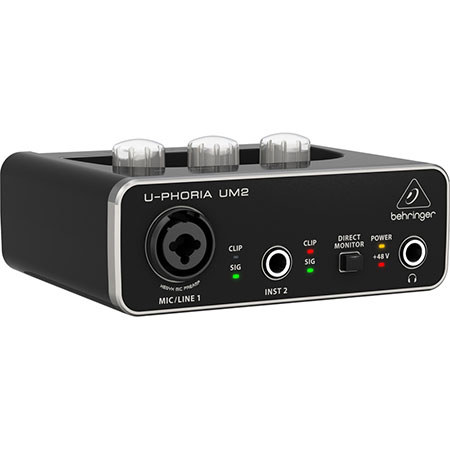
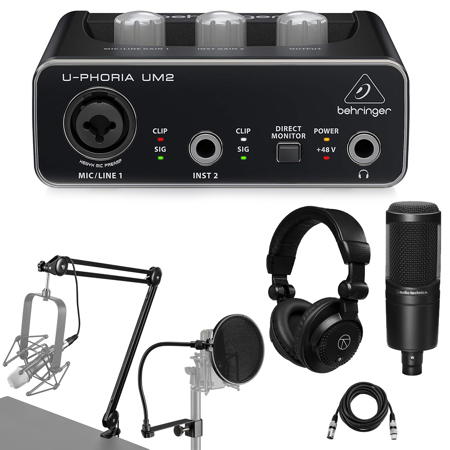
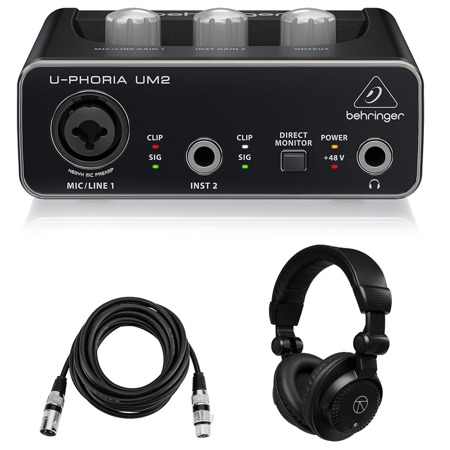
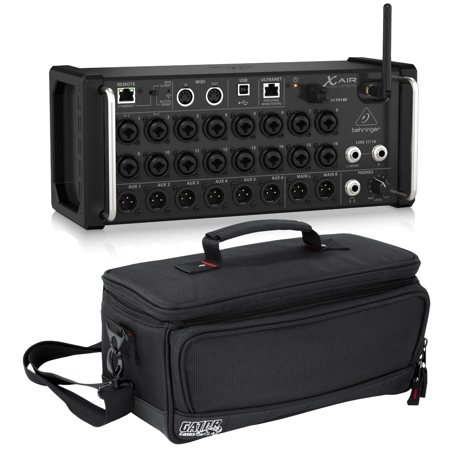
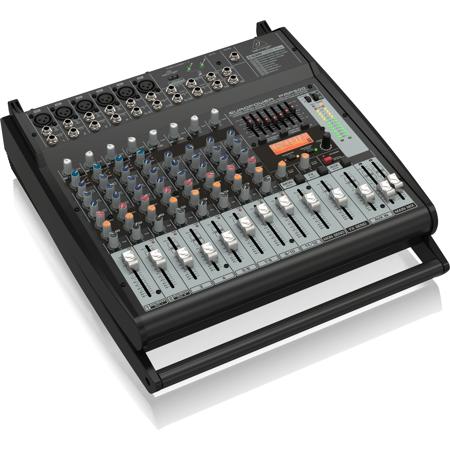
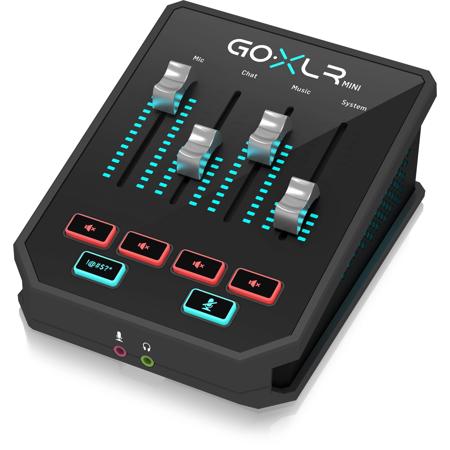
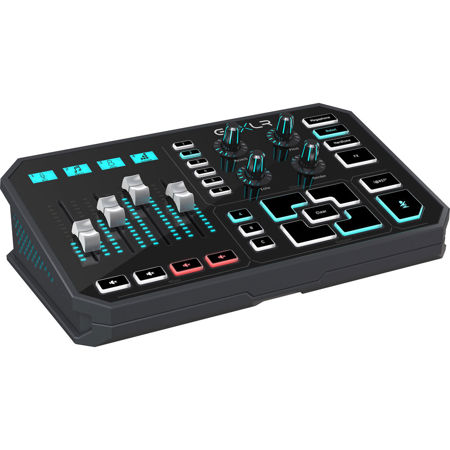
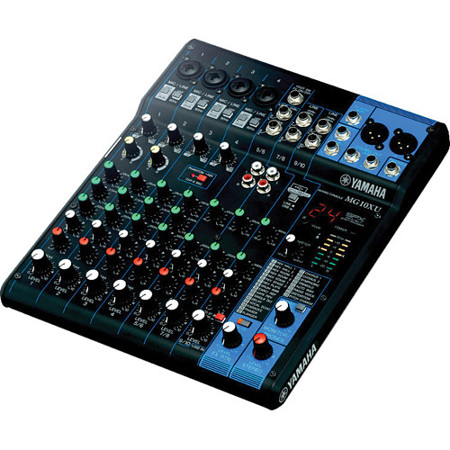
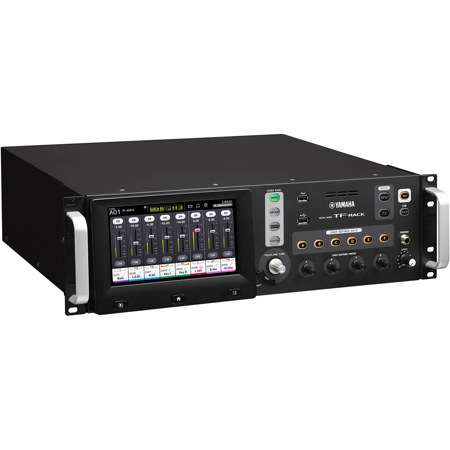
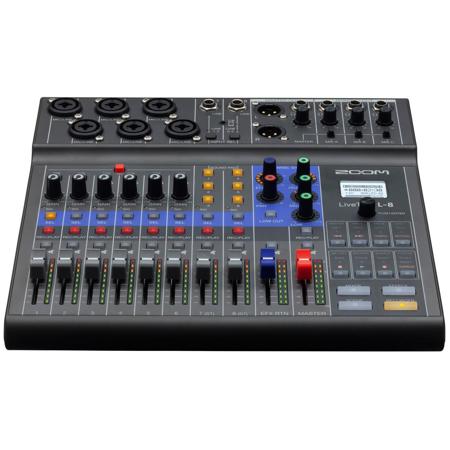
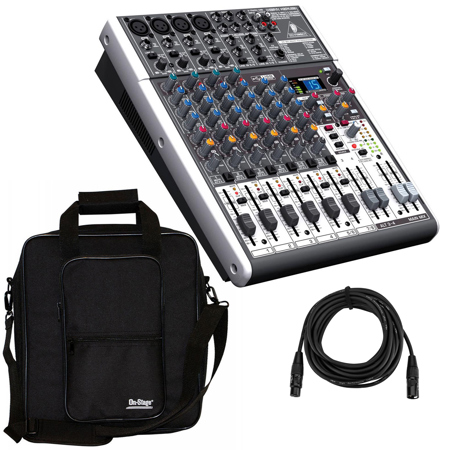
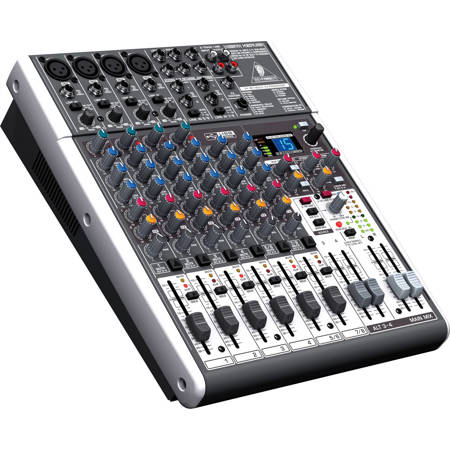
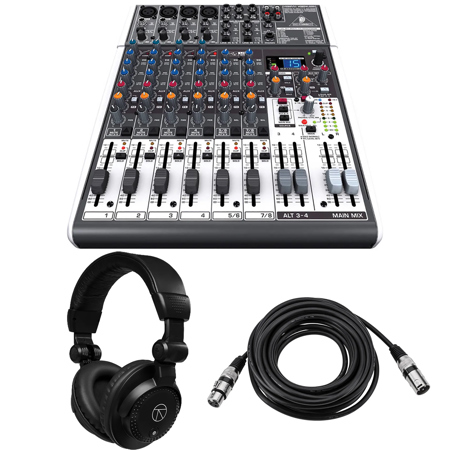
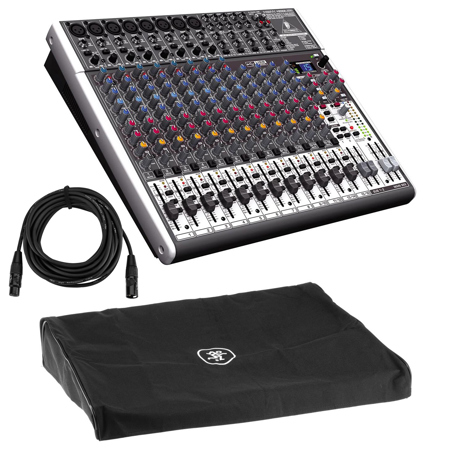
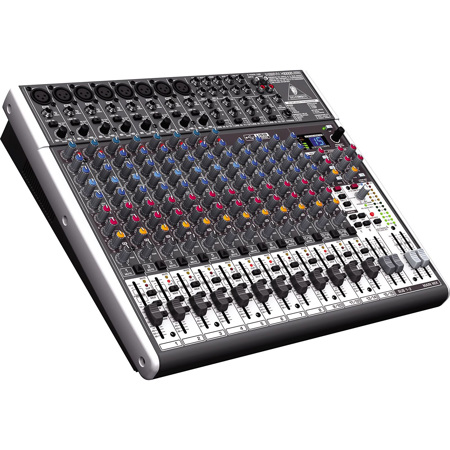
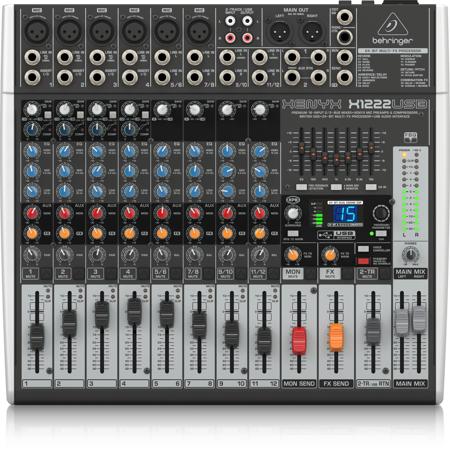
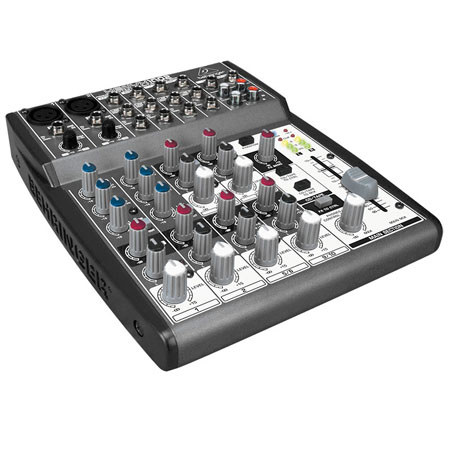
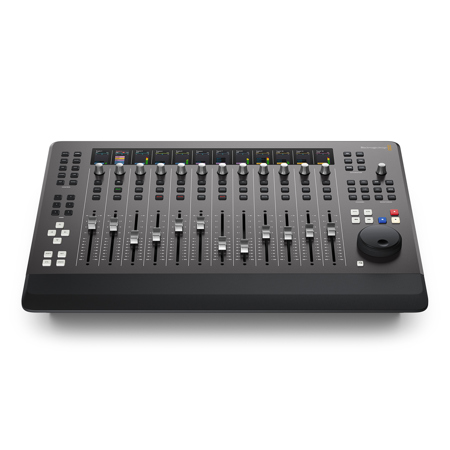
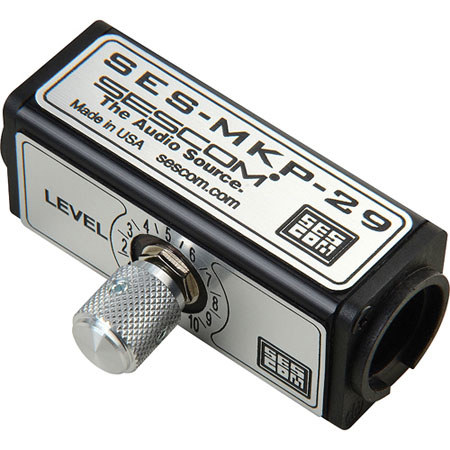
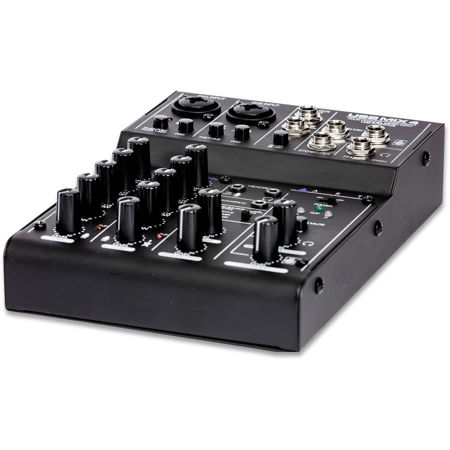
Understanding audio mixer controls is essential for anyone looking to shape, refine, and balance sound—whether in the studio, on stage, or setting up a podcast at home. At their core, mixer controls provide the power to manage multiple audio sources with precision, allowing each element in a mix to find its own space. Each channel typically begins with an input gain or trim knob, which sets the initial signal level and ensures that microphones, instruments, or playback devices are neither too quiet nor too loud before they reach the main mix. From there, equalization (EQ) controls—often divided into high, mid, and low frequency bands—let you sculpt the tonal character of each source, cutting out muddiness or adding brightness as needed. High-pass filters (HPF) are especially useful for eliminating unwanted low-frequency rumble, a common concern when recording in lively winter environments where HVAC noise can sneak into the mix. Pan pots help position sounds across the stereo field, creating a sense of space and clarity, while mute and solo buttons allow for quick isolation or silencing of individual channels during setup or troubleshooting.
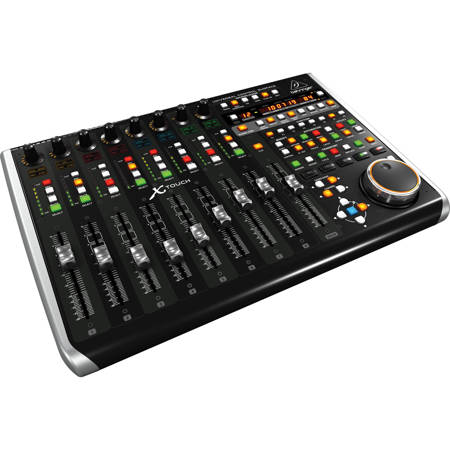
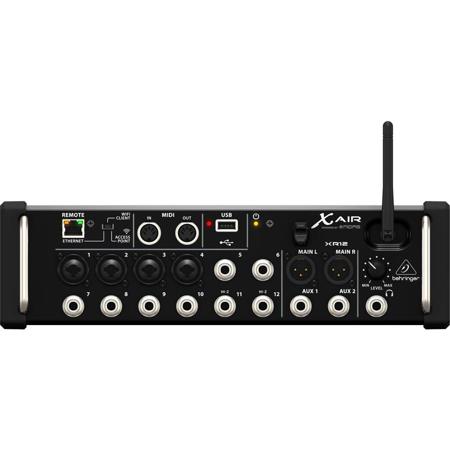
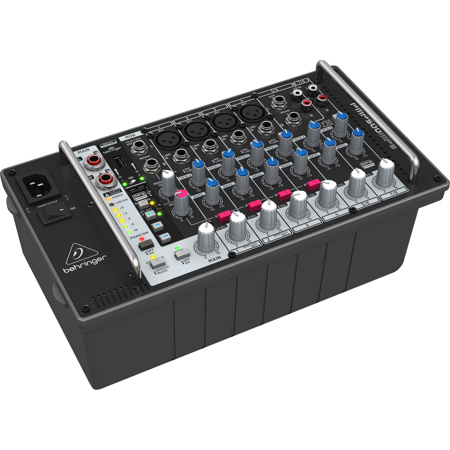
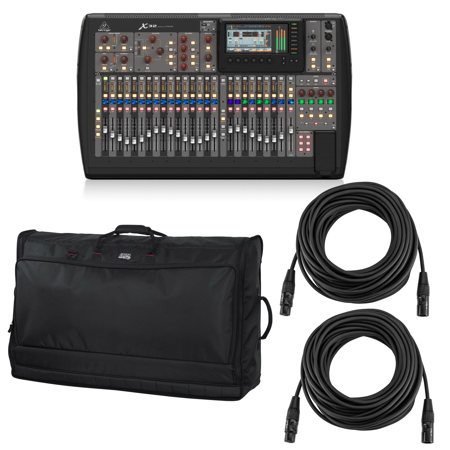
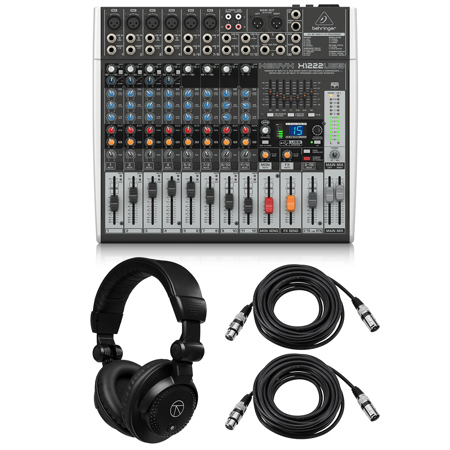
Beyond the basics, more advanced mixer controls such as aux sends open up creative possibilities by routing signals to external effects processors or monitor mixes—an invaluable feature for both live performers and recording engineers. Channel faders provide tactile control over individual volume levels, while the master fader governs the overall output, making it easy to manage the final balance. Signal metering, typically via LED indicators, offers real-time visual feedback to help prevent distortion or clipping, ensuring your mix remains clean and professional. For those working with more complex arrangements or digital mixers, parametric EQs and unity gain settings allow for even greater precision, letting you fine-tune frequencies and maintain optimal signal flow. Whether you’re a musician fine-tuning a live set, a content creator producing crisp podcasts, or a filmmaker syncing dialogue and effects, mastering these controls is key to achieving a polished, immersive sound.
Audio mixer controls make thoughtful gifts for aspiring musicians, DJs, podcasters, or anyone with a passion for audio. As February brings indoor creative projects to the forefront, gifting a mixer or upgrading your own setup can transform a simple idea into a professional-sounding production. Many newcomers find the process of learning mixer controls both empowering and inspiring, and there are resources available to help smooth the learning curve. For those just starting out, our Audio Mixer For Beginners page offers a detailed introduction to essential features and functions. Whether you’re mixing a live band in a cozy venue, recording voiceovers in a home studio, or managing multiple audio sources for a livestream, the right mixer controls will help you achieve clarity, balance, and creative expression in every project.
Beyond the basics, more advanced mixer controls such as aux sends open up creative possibilities by routing signals to external effects processors or monitor mixes—an invaluable feature for both live performers and recording engineers. Channel faders provide tactile control over individual volume levels, while the master fader governs the overall output, making it easy to manage the final balance. Signal metering, typically via LED indicators, offers real-time visual feedback to help prevent distortion or clipping, ensuring your mix remains clean and professional. For those working with more complex arrangements or digital mixers, parametric EQs and unity gain settings allow for even greater precision, letting you fine-tune frequencies and maintain optimal signal flow. Whether you’re a musician fine-tuning a live set, a content creator producing crisp podcasts, or a filmmaker syncing dialogue and effects, mastering these controls is key to achieving a polished, immersive sound.
Audio mixer controls make thoughtful gifts for aspiring musicians, DJs, podcasters, or anyone with a passion for audio. As February brings indoor creative projects to the forefront, gifting a mixer or upgrading your own setup can transform a simple idea into a professional-sounding production. Many newcomers find the process of learning mixer controls both empowering and inspiring, and there are resources available to help smooth the learning curve. For those just starting out, our Audio Mixer For Beginners page offers a detailed introduction to essential features and functions. Whether you’re mixing a live band in a cozy venue, recording voiceovers in a home studio, or managing multiple audio sources for a livestream, the right mixer controls will help you achieve clarity, balance, and creative expression in every project.