
Base Station Antennas
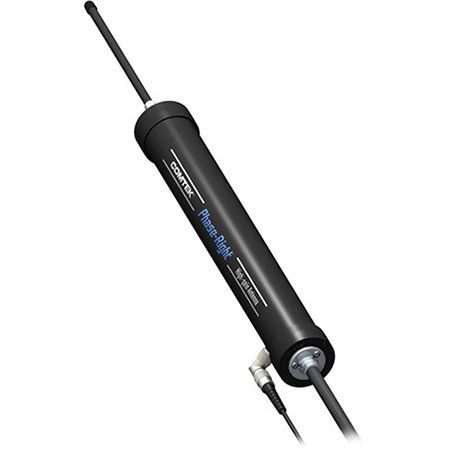
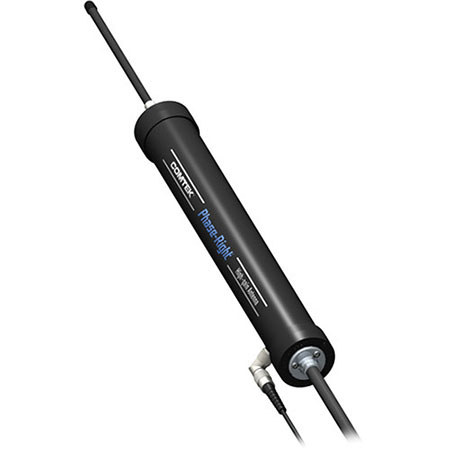
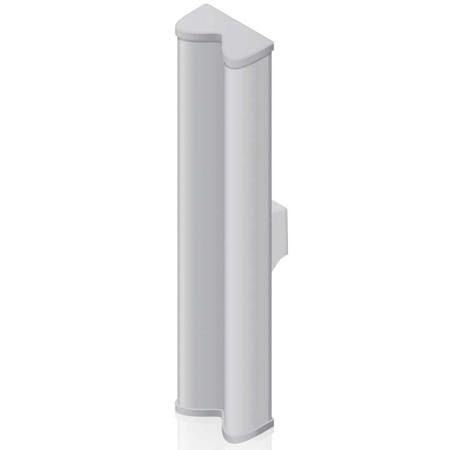
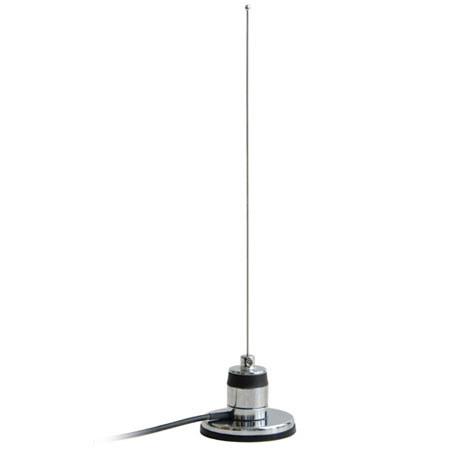
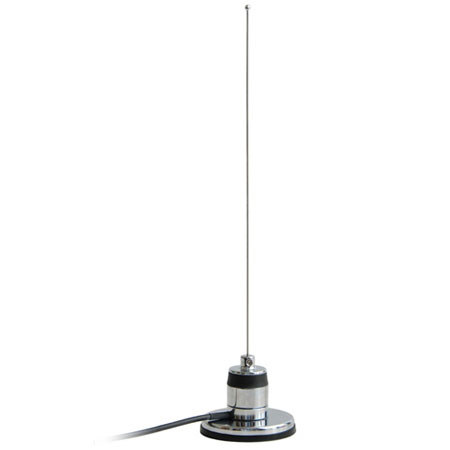
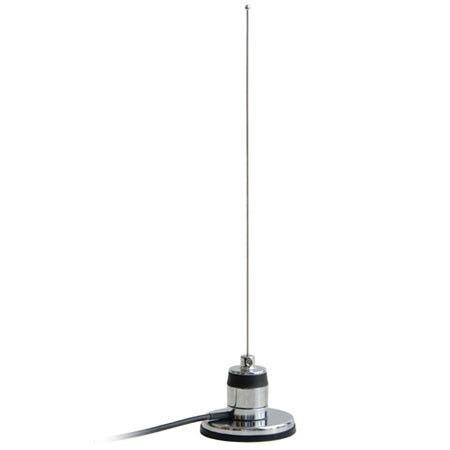
Base station antennas are the backbone of reliable, long-range wireless communication, serving as the vital link between fixed installations and mobile devices across a variety of networks. Whether you’re setting up a two-way radio system for emergency response, managing a dispatch center, supporting amateur radio operations, or establishing a fixed wireless internet connection, the right base station antenna is essential for maintaining clear, consistent signal quality. As the weather warms and outdoor activities ramp up, many organizations and hobbyists take the opportunity to upgrade or optimize their communication infrastructure, ensuring robust coverage during community events, public safety operations, or even summer field days for HAM radio enthusiasts. Base station antennas come in multiple configurations, each tailored to specific coverage needs: omnidirectional models radiate signals evenly in all directions—ideal for central locations where users are spread out—while directional and sector panel antennas focus energy toward specific areas, maximizing range and minimizing interference for targeted zones. Yagi and beam antennas, known for their highly directional performance, are often chosen for point-to-point links or reaching distant repeaters, particularly in rural or mountainous regions where line-of-sight is critical.
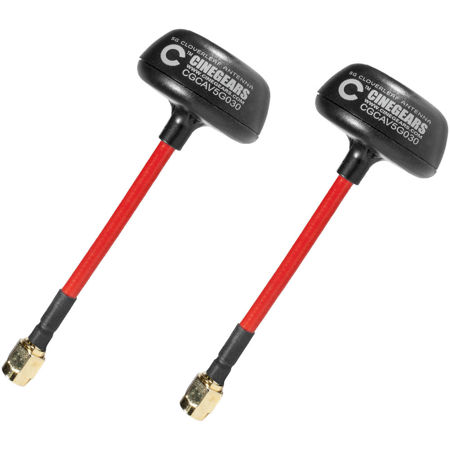
Selecting the right base station antenna involves careful consideration of several key factors. Frequency range is paramount; the antenna must match the operating band of your equipment, whether it’s for VHF/UHF amateur radio, CB, or the latest cellular standards. Gain, measured in decibels (dB), indicates how effectively the antenna concentrates radio frequency energy—higher gain can significantly boost coverage but may also narrow the beamwidth, which is an important trade-off depending on your application. Polarization (vertical, horizontal, or circular) should align with both your transmitting and receiving devices to maximize signal integrity. Impedance, typically 50 ohms in most communication systems, ensures efficient power transfer and minimizes signal loss. For those supporting modern wireless networks, such as 4G LTE or 5G, base station antennas play a pivotal role in connecting devices to the broader infrastructure—whether mounted on a rooftop for urban coverage or installed on a tower to deliver high-speed internet to remote homes and businesses. If you’re exploring options for next-generation connectivity, you can find a curated selection of 5G Antennas designed for both professional and residential applications.
Base station antennas also make thoughtful gifts for technology enthusiasts, amateur radio operators, or anyone passionate about communications and networking. Gifting a high-quality antenna can empower a loved one to participate more fully in community radio nets, enhance their emergency preparedness, or support their efforts to provide reliable communications for outdoor events and public gatherings. During the cooler months or as autumn approaches, many users turn their attention to indoor projects—refining their radio shacks, upgrading base stations, or preparing for seasonal storms that can disrupt standard communication channels. No matter the season, investing in the right base station antenna helps ensure uninterrupted connectivity, whether you’re coordinating logistics for a local event, staying in touch with fellow radio operators, or delivering critical information across a wide area. With thoughtful selection and proper installation, a base station antenna becomes more than just hardware—it’s a gateway to clearer conversations, greater reach, and enhanced reliability for every wireless network it supports.
Selecting the right base station antenna involves careful consideration of several key factors. Frequency range is paramount; the antenna must match the operating band of your equipment, whether it’s for VHF/UHF amateur radio, CB, or the latest cellular standards. Gain, measured in decibels (dB), indicates how effectively the antenna concentrates radio frequency energy—higher gain can significantly boost coverage but may also narrow the beamwidth, which is an important trade-off depending on your application. Polarization (vertical, horizontal, or circular) should align with both your transmitting and receiving devices to maximize signal integrity. Impedance, typically 50 ohms in most communication systems, ensures efficient power transfer and minimizes signal loss. For those supporting modern wireless networks, such as 4G LTE or 5G, base station antennas play a pivotal role in connecting devices to the broader infrastructure—whether mounted on a rooftop for urban coverage or installed on a tower to deliver high-speed internet to remote homes and businesses. If you’re exploring options for next-generation connectivity, you can find a curated selection of 5G Antennas designed for both professional and residential applications.
Base station antennas also make thoughtful gifts for technology enthusiasts, amateur radio operators, or anyone passionate about communications and networking. Gifting a high-quality antenna can empower a loved one to participate more fully in community radio nets, enhance their emergency preparedness, or support their efforts to provide reliable communications for outdoor events and public gatherings. During the cooler months or as autumn approaches, many users turn their attention to indoor projects—refining their radio shacks, upgrading base stations, or preparing for seasonal storms that can disrupt standard communication channels. No matter the season, investing in the right base station antenna helps ensure uninterrupted connectivity, whether you’re coordinating logistics for a local event, staying in touch with fellow radio operators, or delivering critical information across a wide area. With thoughtful selection and proper installation, a base station antenna becomes more than just hardware—it’s a gateway to clearer conversations, greater reach, and enhanced reliability for every wireless network it supports.