
BNC Plugs
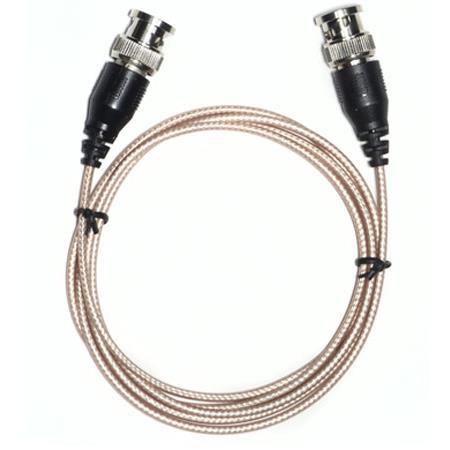
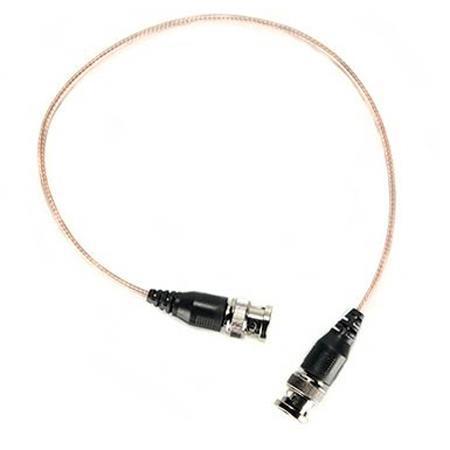
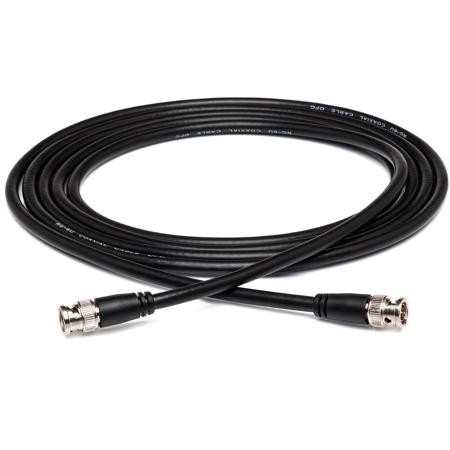
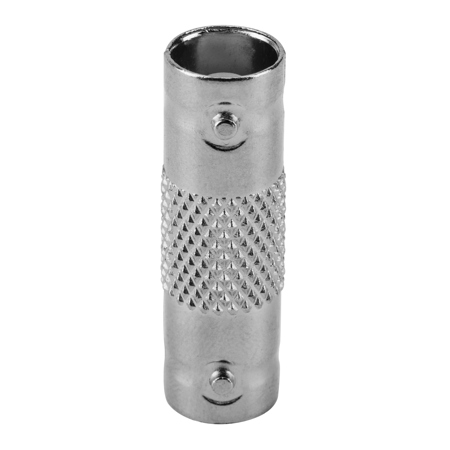
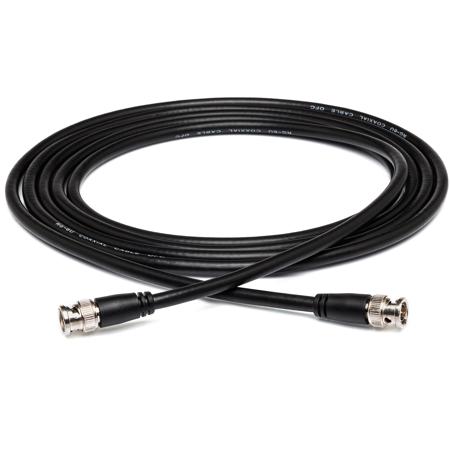
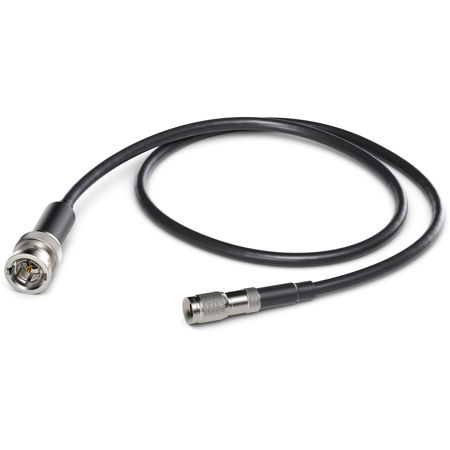
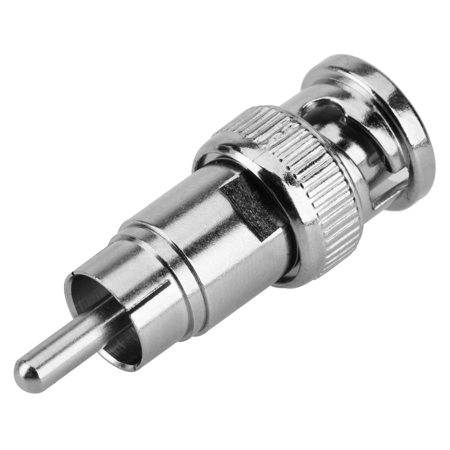
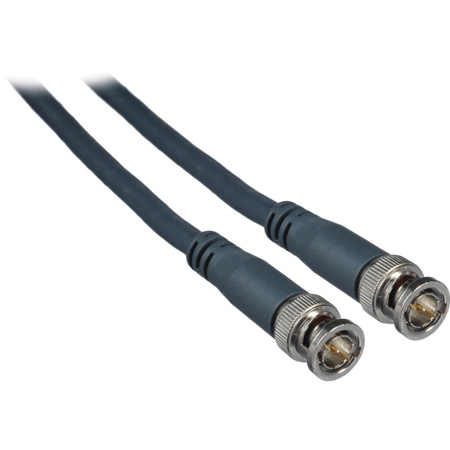
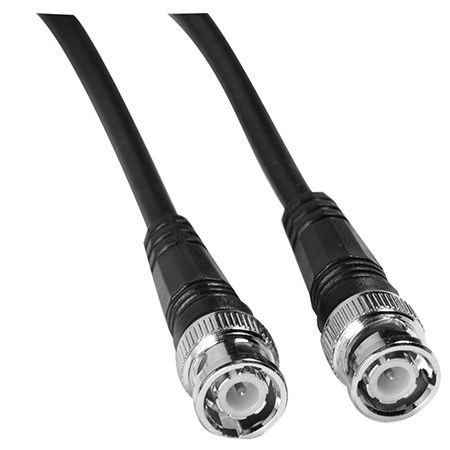
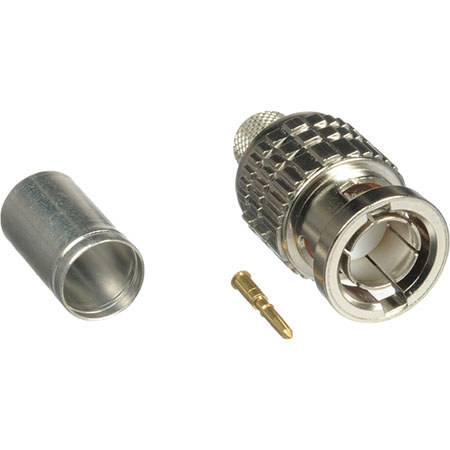
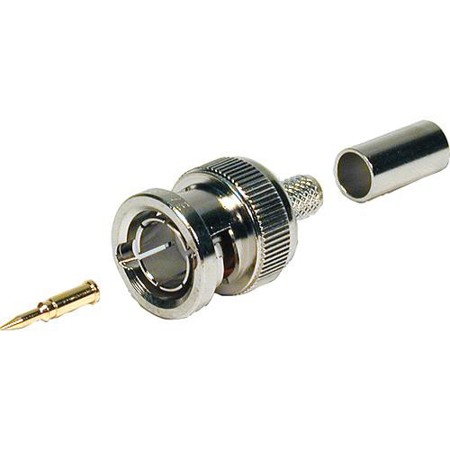
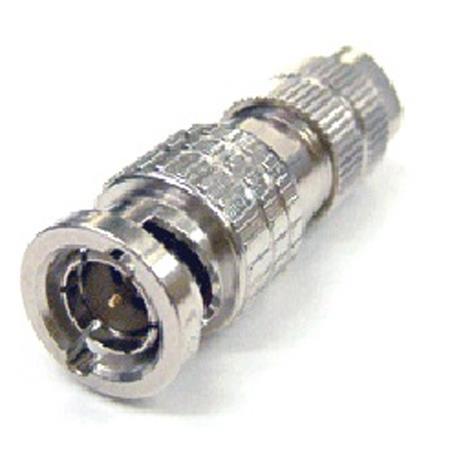
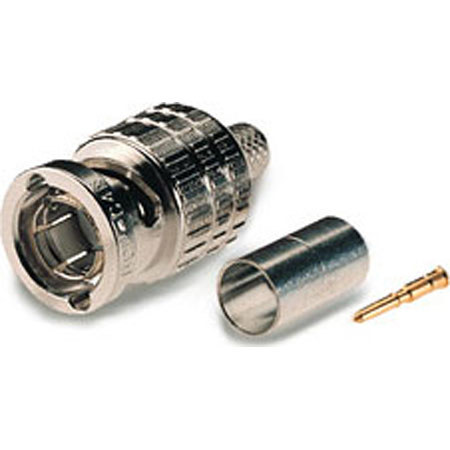
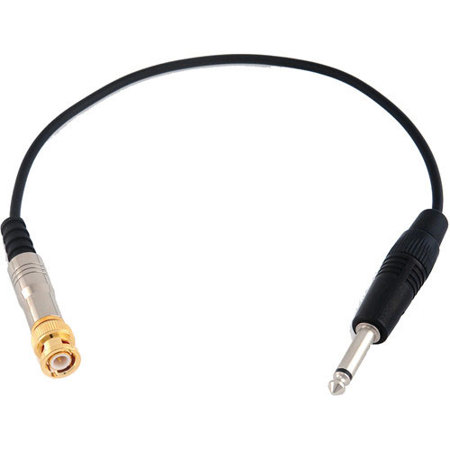
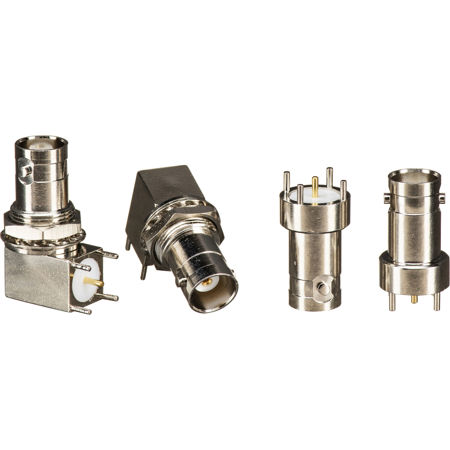
BNC plugs, short for Bayonet Neill-Concelman plugs, are a staple in professional and enthusiast setups that rely on coaxial cables for reliable signal transmission. Recognized for their quick-connect bayonet mechanism, BNC plugs are designed to provide a secure, quarter-turn lock that makes frequent cable swapping effortless—an essential feature in fast-paced environments like video production studios, broadcast control rooms, and security monitoring stations. The characteristic twist-to-lock action is not just about convenience; it also ensures a stable, low-loss connection that maintains the cable’s characteristic impedance, helping to prevent signal reflection and degradation. This is crucial whether you’re transmitting high-definition video from a security camera to a DVR, linking up test equipment in a lab, or wiring up a live event where every signal counts. As the weather warms and event season picks up, professionals and hobbyists alike find themselves updating or expanding their setups, making reliable BNC plugs an important purchase consideration for both indoor and outdoor applications.
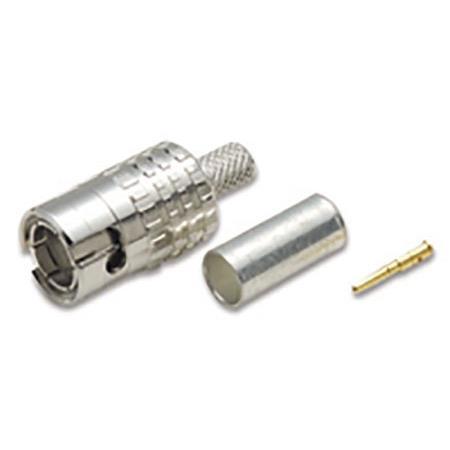
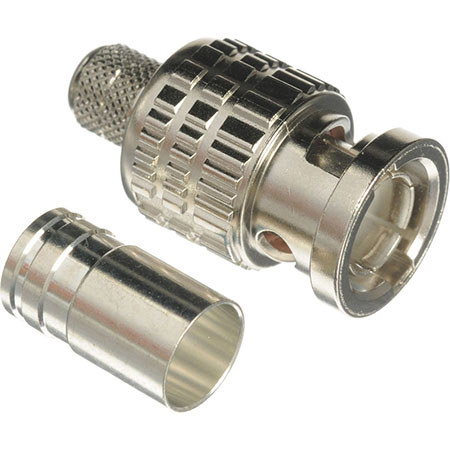
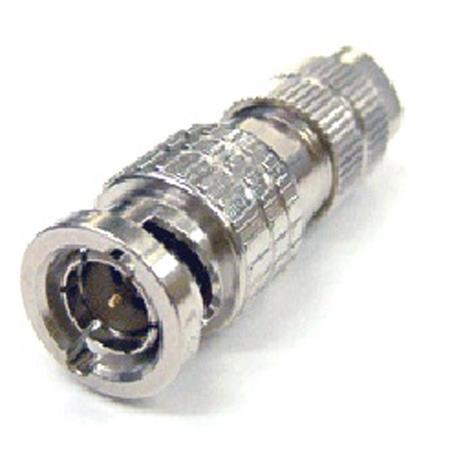
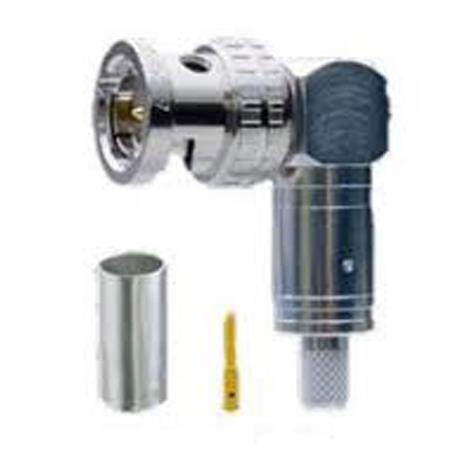
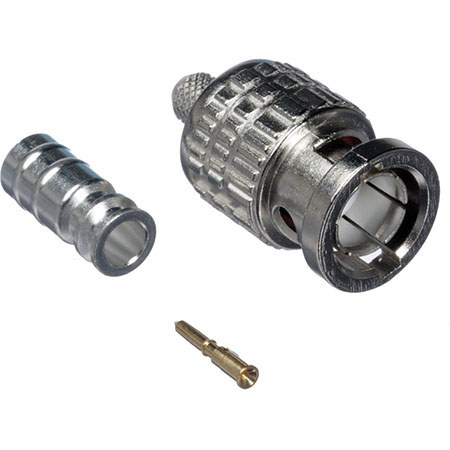
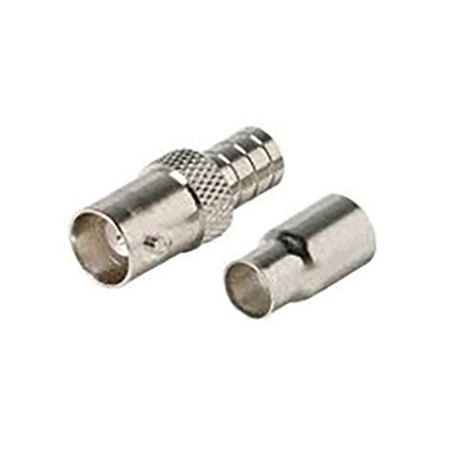
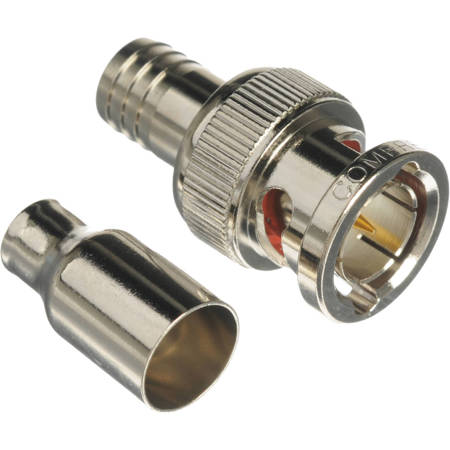
When selecting BNC plugs, it’s important to match the plug’s impedance with your system—typically 75-ohm for video and broadcast applications such as HD-SDI, CCTV, and satellite TV, and 50-ohm for radio frequency (RF) signals, test equipment, and legacy Ethernet networks. Mixing these up can lead to signal loss or interference, so a careful check of your equipment’s requirements is always recommended. The way a BNC plug secures to the coaxial cable also varies: crimp-on plugs, which require a specialized crimping tool, are favored for permanent, professional installations due to their robust connection; twist-on plugs are popular for quick, tool-free setups in DIY home security systems; compression plugs offer a weather-resistant seal ideal for outdoor runs; and tool-less screw terminal plugs provide a simple solution for temporary or experimental setups. Whether you’re outfitting a new surveillance network, upgrading a broadcast suite, or connecting oscilloscopes and function generators in a classroom or workshop, having the right BNC plug for your cable and environment is essential. For those new to these connectors or looking to deepen their understanding, exploring the various BNC Connector Types can help clarify which options best suit your needs.
BNC plugs aren’t just for industry professionals—they’re also a thoughtful gift for anyone passionate about video, audio, or electronics. Students building their first science project, hobbyists restoring vintage audio equipment, or family members setting up a home security system all benefit from the reliability and ease-of-use that BNC plugs provide. The versatility of these connectors means they’re found everywhere from bustling television studios and university labs to home theaters and backyard surveillance setups. As the seasons shift and projects move from indoor tinkering to outdoor installations, the durability and weather resistance of certain BNC plug types become especially valuable. Whether you’re stocking up for summer upgrades or planning ahead for fall installations, choosing the right BNC plugs ensures your connections remain strong, your signals clear, and your equipment performing at its best.
When selecting BNC plugs, it’s important to match the plug’s impedance with your system—typically 75-ohm for video and broadcast applications such as HD-SDI, CCTV, and satellite TV, and 50-ohm for radio frequency (RF) signals, test equipment, and legacy Ethernet networks. Mixing these up can lead to signal loss or interference, so a careful check of your equipment’s requirements is always recommended. The way a BNC plug secures to the coaxial cable also varies: crimp-on plugs, which require a specialized crimping tool, are favored for permanent, professional installations due to their robust connection; twist-on plugs are popular for quick, tool-free setups in DIY home security systems; compression plugs offer a weather-resistant seal ideal for outdoor runs; and tool-less screw terminal plugs provide a simple solution for temporary or experimental setups. Whether you’re outfitting a new surveillance network, upgrading a broadcast suite, or connecting oscilloscopes and function generators in a classroom or workshop, having the right BNC plug for your cable and environment is essential. For those new to these connectors or looking to deepen their understanding, exploring the various BNC Connector Types can help clarify which options best suit your needs.
BNC plugs aren’t just for industry professionals—they’re also a thoughtful gift for anyone passionate about video, audio, or electronics. Students building their first science project, hobbyists restoring vintage audio equipment, or family members setting up a home security system all benefit from the reliability and ease-of-use that BNC plugs provide. The versatility of these connectors means they’re found everywhere from bustling television studios and university labs to home theaters and backyard surveillance setups. As the seasons shift and projects move from indoor tinkering to outdoor installations, the durability and weather resistance of certain BNC plug types become especially valuable. Whether you’re stocking up for summer upgrades or planning ahead for fall installations, choosing the right BNC plugs ensures your connections remain strong, your signals clear, and your equipment performing at its best.