

Stainless Steel Bnc Connectors
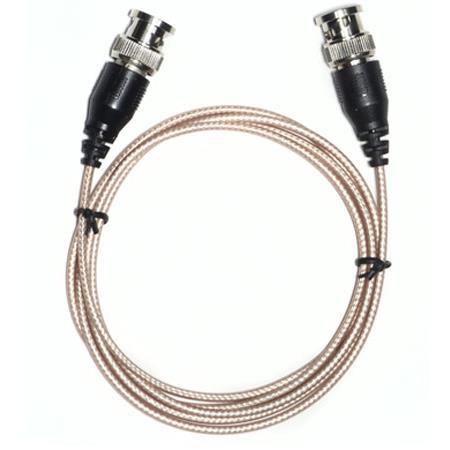
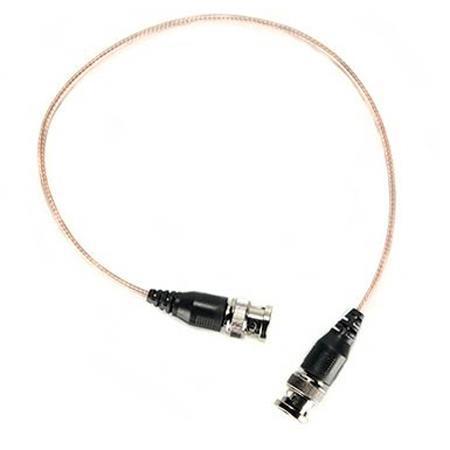
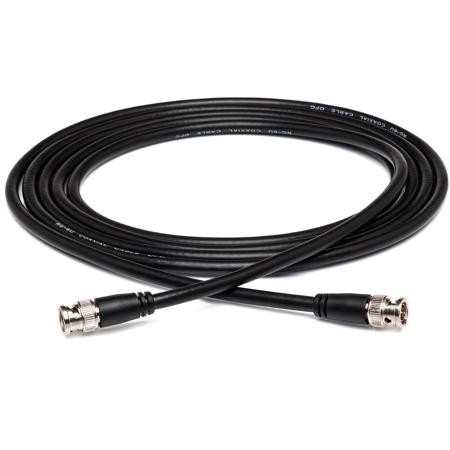
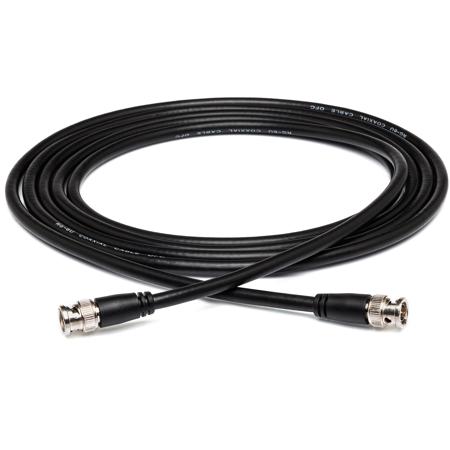
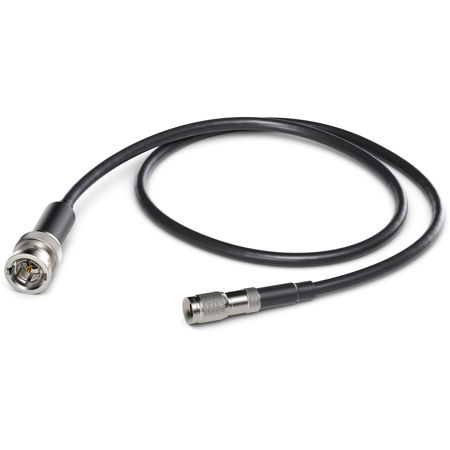
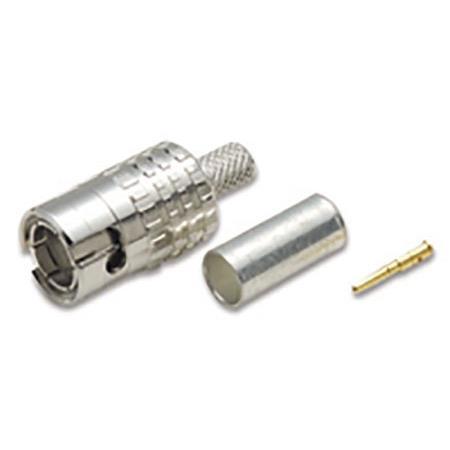
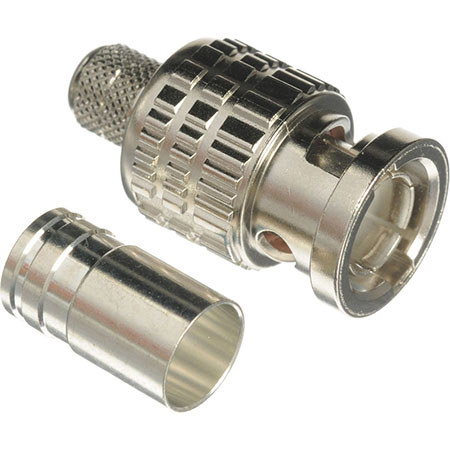
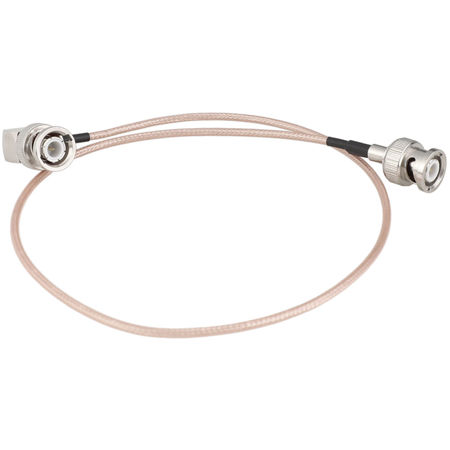
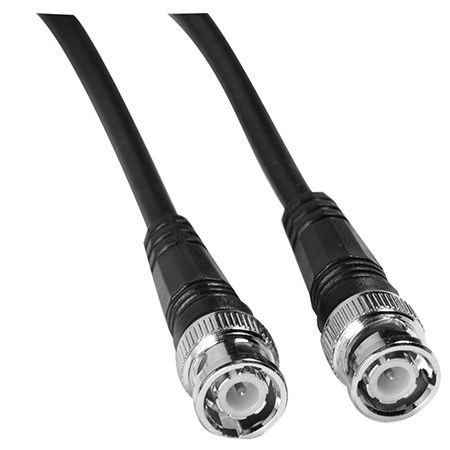
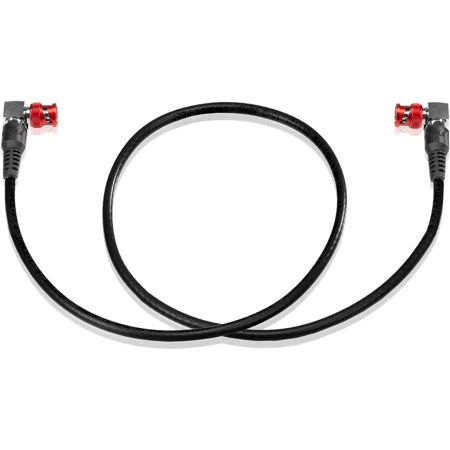
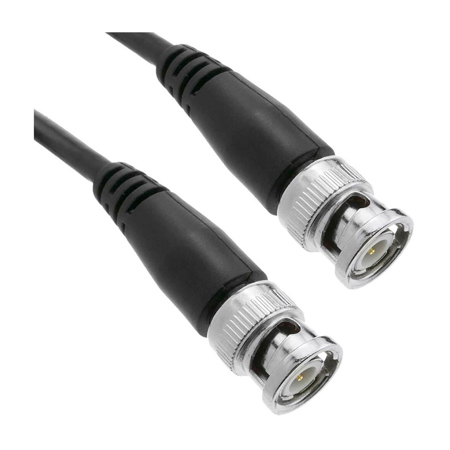
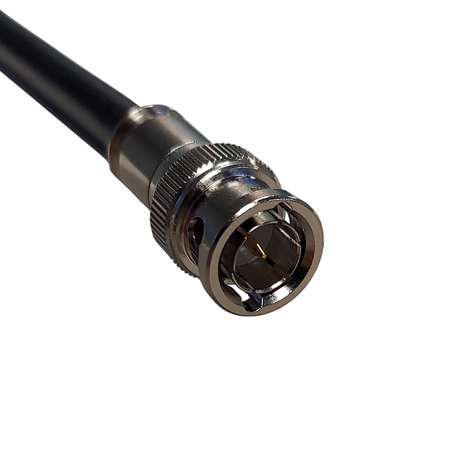
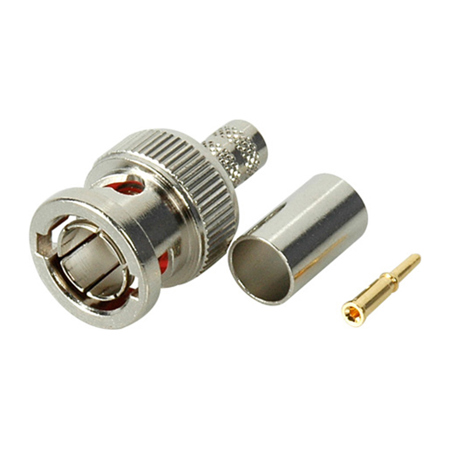
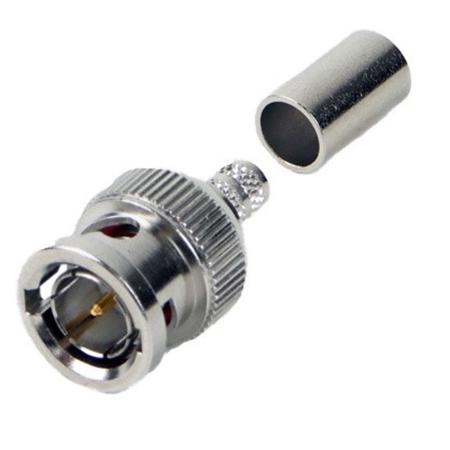
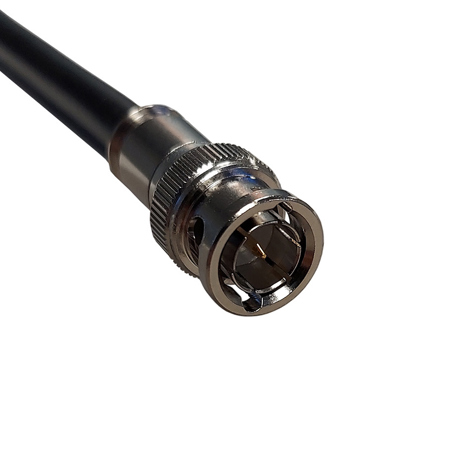
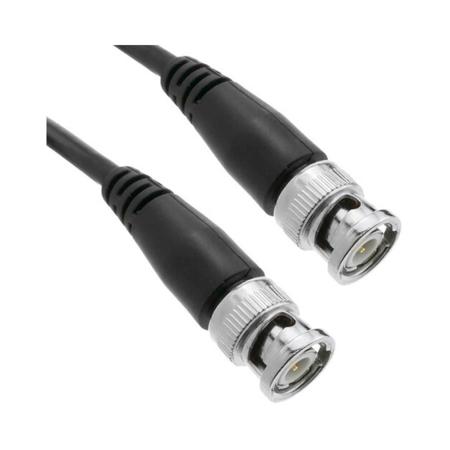
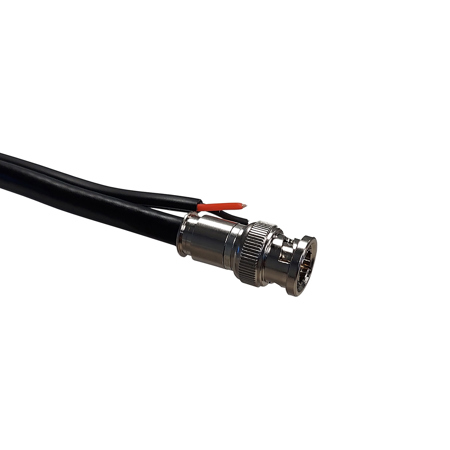
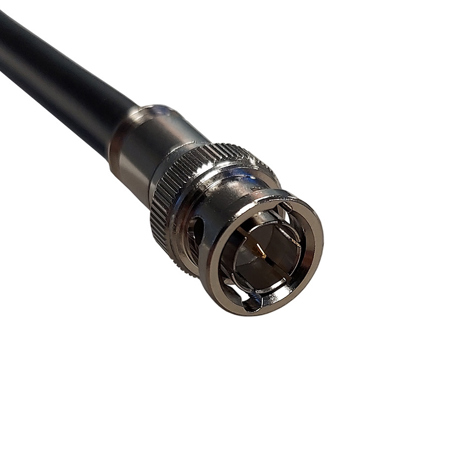
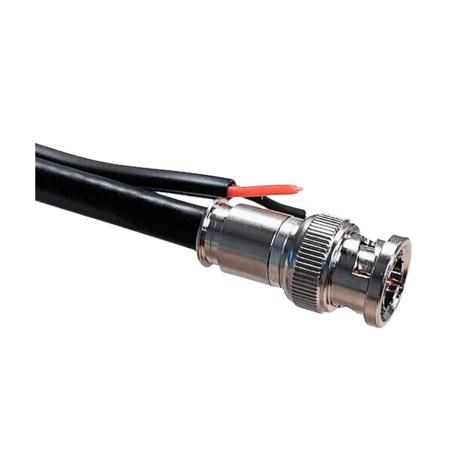
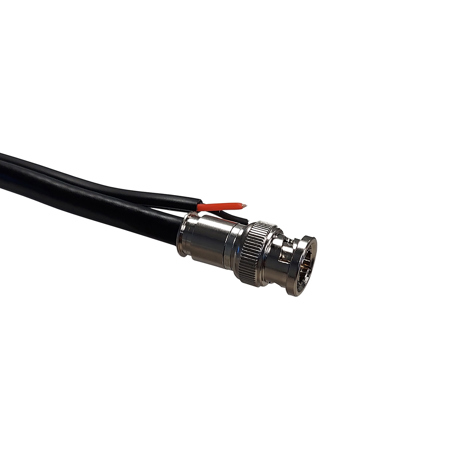
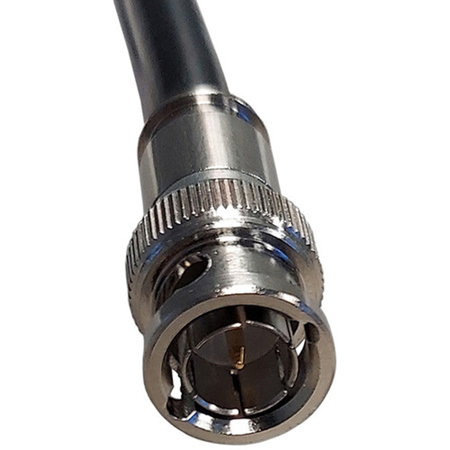
Stainless steel BNC connectors are a cornerstone of reliable signal transmission in environments where durability and performance are non-negotiable. These connectors are engineered for professionals who demand rugged, corrosion-resistant solutions—whether the task is upgrading broadcast studios, maintaining critical RF infrastructure, or setting up test and measurement stations that see heavy use day in and day out. The stainless steel construction stands up to harsh industrial conditions, marine settings with constant exposure to moisture, or outdoor installations where temperature swings and humidity are factors. As the seasons shift from late summer’s humidity to the cooler, crisper days of fall, the importance of corrosion resistance becomes even more pronounced, especially for field deployments and permanent installations that need to weather the elements year-round. In these scenarios, the bayonet coupling mechanism of BNC connectors offers a secure, quick-connect interface that’s easy to handle even with gloved hands or in tight rack spaces, making them a favorite among engineers, AV technicians, and field service crews.
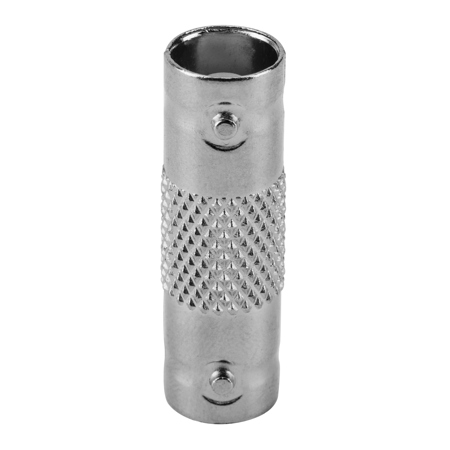
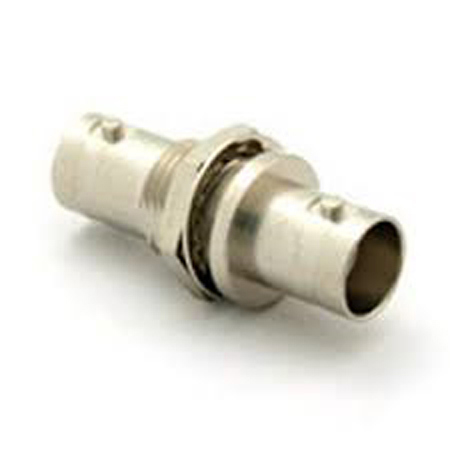
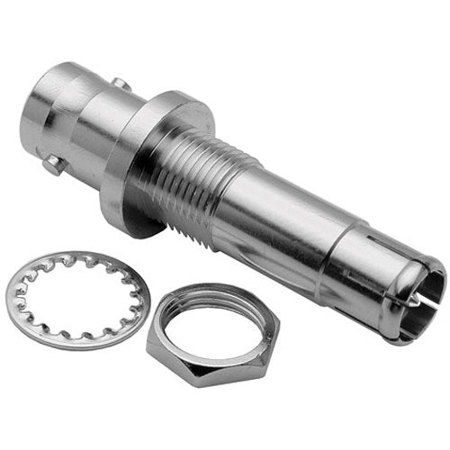
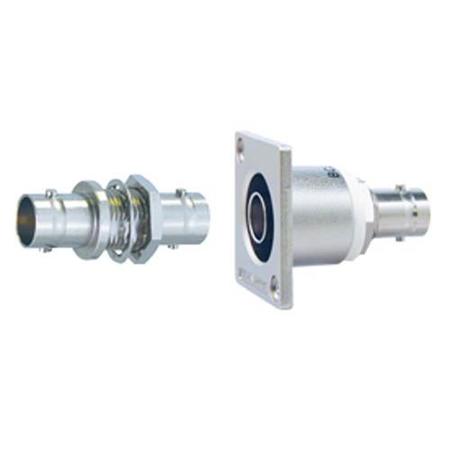
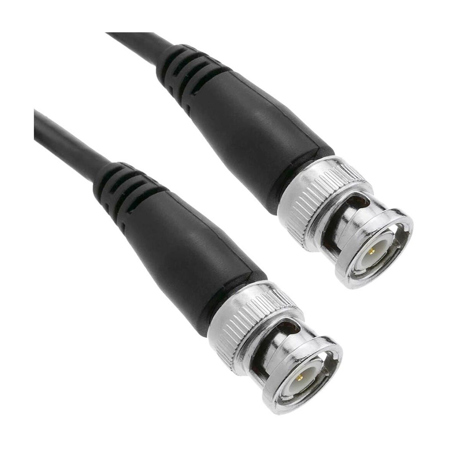
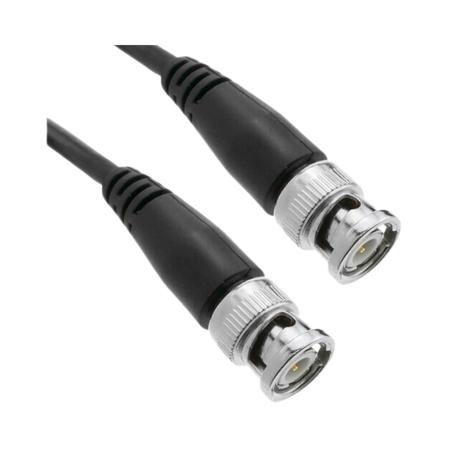
Selecting the right stainless steel BNC connector involves a few key considerations. Impedance—most commonly 50 ohm or 75 ohm—should match your system’s requirements to ensure optimal signal integrity, especially in high-frequency applications ranging from DC up to 3 GHz. Wall plate kits with integrated BNC ports are a practical choice for permanent AV or broadcast installations, providing a clean, professional interface for patch bays or control rooms. Feedthrough and adapter styles, including hermetic and weld assemblies, are often deployed where panel or bulkhead mounting is necessary, such as in lab benches, industrial enclosures, or custom rack builds. These robust connectors are frequently found in the toolkits of RF engineers, AV installers, and broadcast professionals, but they’re also a thoughtful gift for the technically inclined—think of the ham radio enthusiast upgrading their home setup, or the audio engineer who values gear that lasts through countless setups and teardowns. For those exploring the full range of options, including cable mount, bulkhead, and specialized wall plate configurations, our comprehensive guide to BNC Connector Types provides detailed insights to help you find the perfect fit for your application.
In practical use, stainless steel BNC connectors make a noticeable difference during busy project seasons, when equipment is in constant rotation between indoor labs and outdoor locations. They excel in settings where frequent mating cycles are the norm, such as test benches or mobile broadcast rigs, thanks to their resilience and secure locking mechanism. The peace of mind that comes with knowing your connections will hold up—whether under the stress of a live event or the routine of daily diagnostics—cannot be overstated. As technology evolves and demands on signal clarity and reliability increase, investing in high-quality stainless steel BNC connectors is a smart move for anyone who values performance, longevity, and the confidence that comes from using professional-grade gear.
Selecting the right stainless steel BNC connector involves a few key considerations. Impedance—most commonly 50 ohm or 75 ohm—should match your system’s requirements to ensure optimal signal integrity, especially in high-frequency applications ranging from DC up to 3 GHz. Wall plate kits with integrated BNC ports are a practical choice for permanent AV or broadcast installations, providing a clean, professional interface for patch bays or control rooms. Feedthrough and adapter styles, including hermetic and weld assemblies, are often deployed where panel or bulkhead mounting is necessary, such as in lab benches, industrial enclosures, or custom rack builds. These robust connectors are frequently found in the toolkits of RF engineers, AV installers, and broadcast professionals, but they’re also a thoughtful gift for the technically inclined—think of the ham radio enthusiast upgrading their home setup, or the audio engineer who values gear that lasts through countless setups and teardowns. For those exploring the full range of options, including cable mount, bulkhead, and specialized wall plate configurations, our comprehensive guide to BNC Connector Types provides detailed insights to help you find the perfect fit for your application.
In practical use, stainless steel BNC connectors make a noticeable difference during busy project seasons, when equipment is in constant rotation between indoor labs and outdoor locations. They excel in settings where frequent mating cycles are the norm, such as test benches or mobile broadcast rigs, thanks to their resilience and secure locking mechanism. The peace of mind that comes with knowing your connections will hold up—whether under the stress of a live event or the routine of daily diagnostics—cannot be overstated. As technology evolves and demands on signal clarity and reliability increase, investing in high-quality stainless steel BNC connectors is a smart move for anyone who values performance, longevity, and the confidence that comes from using professional-grade gear.