BNC Connector Types
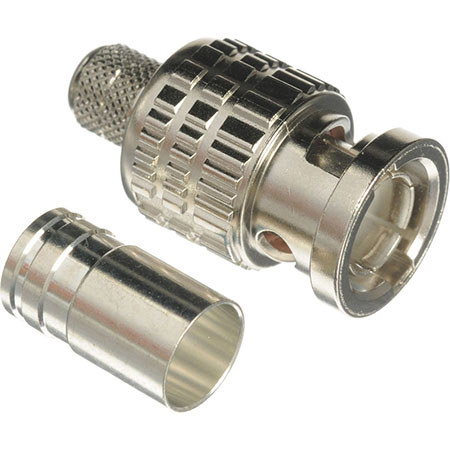
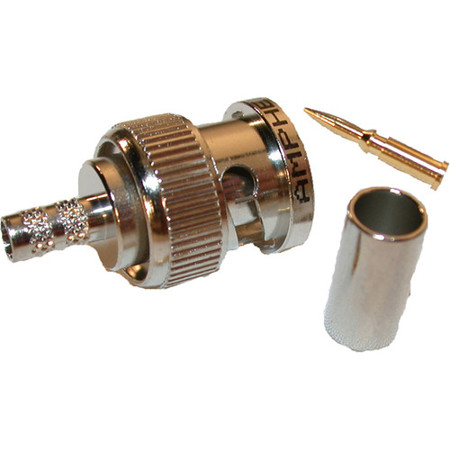
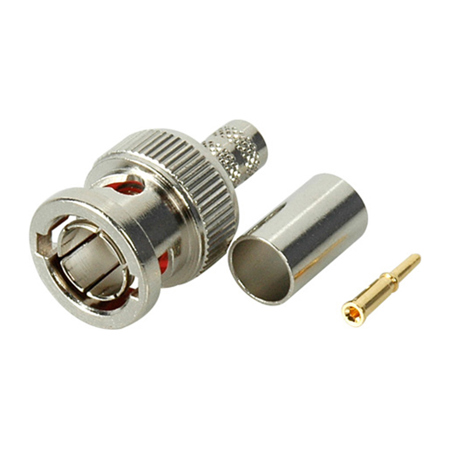
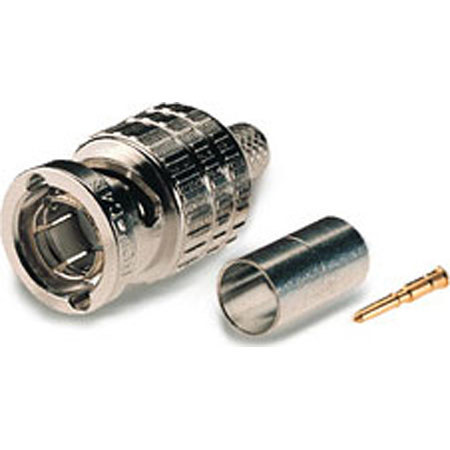
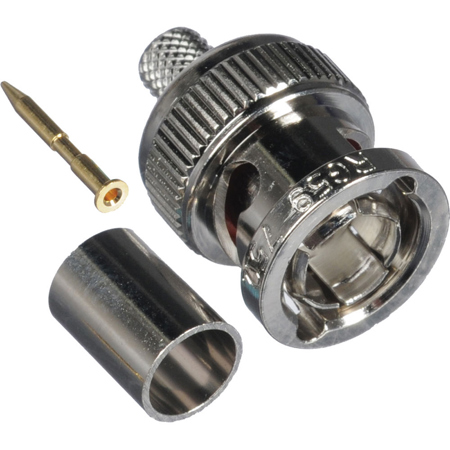
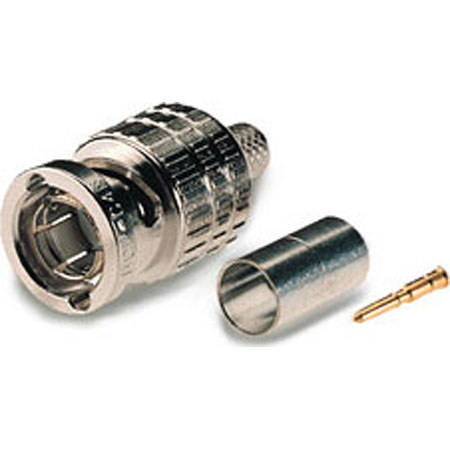
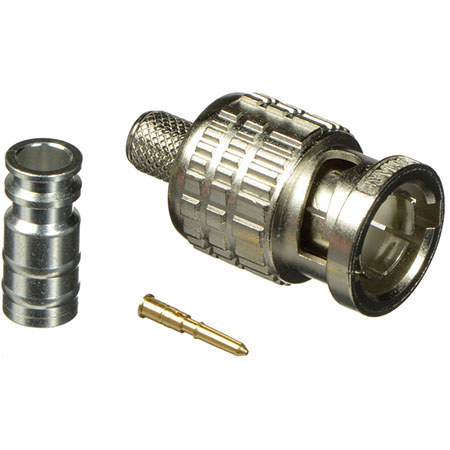
When selecting BNC connectors for your audio, video, or RF projects, understanding the various BNC connector types is essential to ensuring reliable signal transmission and a secure fit for your equipment. BNC (Bayonet Neill-Concelman) connectors are renowned for their quick-connect bayonet locking mechanism, making them a staple in professional broadcast studios, surveillance installations, laboratory environments, and hobbyist workbenches alike. The choice between 50-ohm and 75-ohm BNC connectors is one of the most important considerations, as impedance directly impacts signal quality and compatibility—50-ohm connectors are favored for RF, test, and measurement equipment, while 75-ohm versions are the standard for broadcast video, HD-SDI, and CCTV systems. As the weather warms and projects move outdoors or into field environments, compression BNC connectors offer a weather-resistant seal ideal for in-wall or exterior cable runs, while crimp connectors provide a reliable, mechanically secure connection for permanent installations. Twist-on BNC connectors can be a convenient option for quick setups, though they may not offer the same level of durability or signal integrity as crimped or compression types. For those working with circuit boards or custom electronics, solder BNC connectors deliver a highly secure and electrically stable termination—perfect for precision applications where every decibel counts.
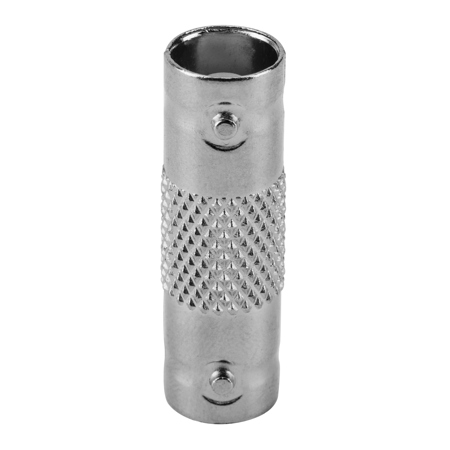
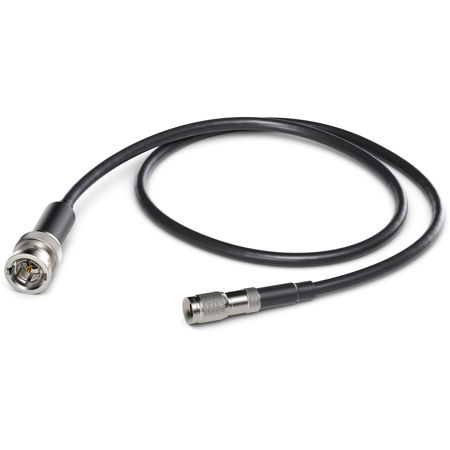
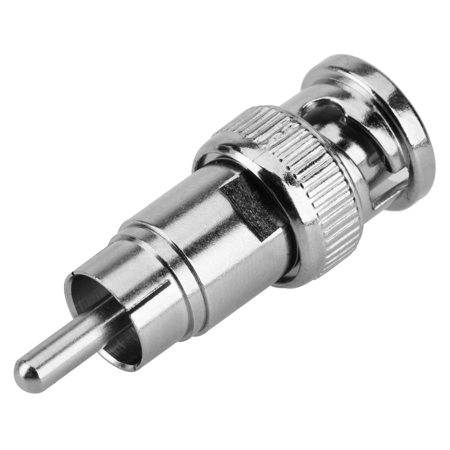
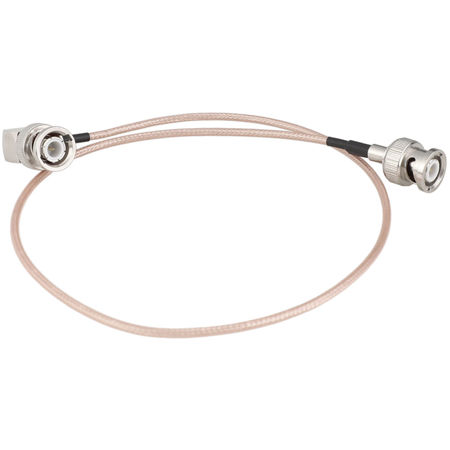
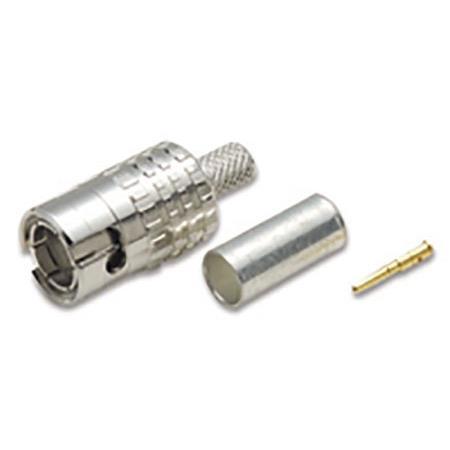
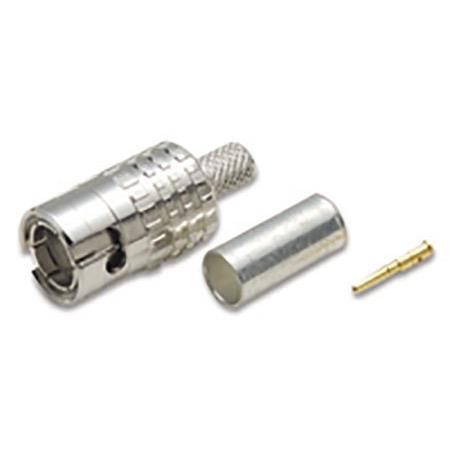
BNC connector dimensions and styles also play a significant role in crafting a streamlined, efficient setup. Standard straight connectors are suitable for most applications, but right-angle BNC connectors are invaluable when working in tight spaces such as crowded racks or behind wall-mounted monitors. With the rise of high-density broadcast and 4K/8K Ultra-HD workflows, micro-BNC (HD-BNC) connectors have become increasingly popular, allowing for more connections in compact patch panels without sacrificing performance. When planning your installation, consider the male versus female connector distinction: male BNCs feature a protruding center pin and a rotating bayonet ring, while female BNCs have a receptacle and locking lugs. Reverse polarity BNC connectors (RP-BNC) are sometimes required for specialized or restricted equipment, preventing accidental mismating. Whether you’re assembling a new home studio as the cooler months approach or upgrading surveillance systems for a business, knowing the exact BNC connector dimensions and termination method is crucial for achieving a professional result. BNC terminations can involve crimping, compression, soldering, or even twist-on methods, each suited to specific cable types and use cases.
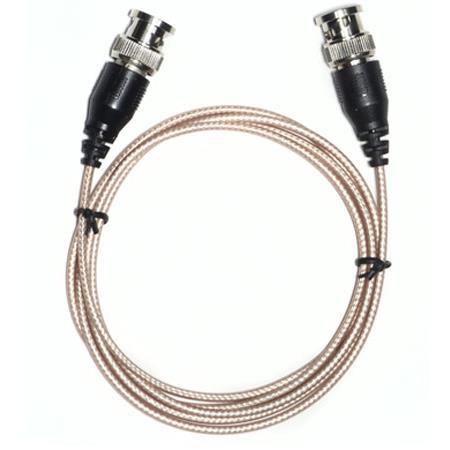
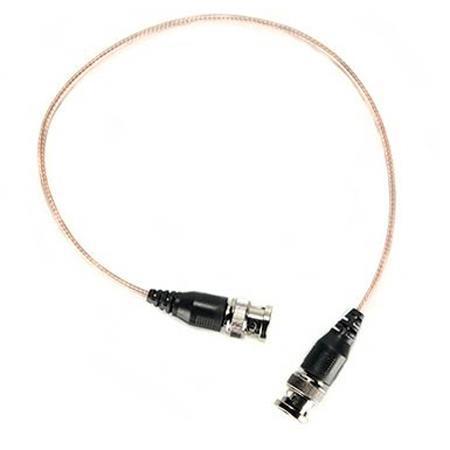
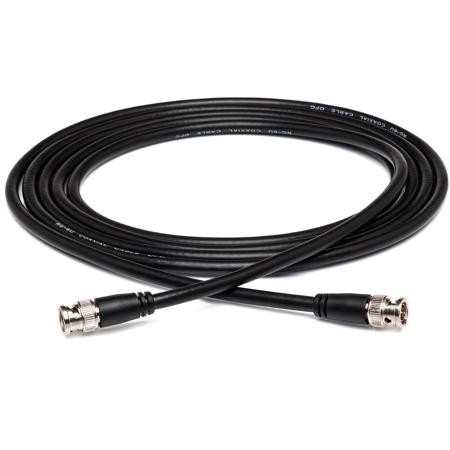
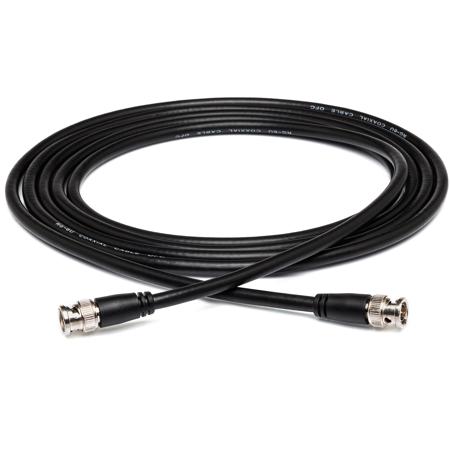
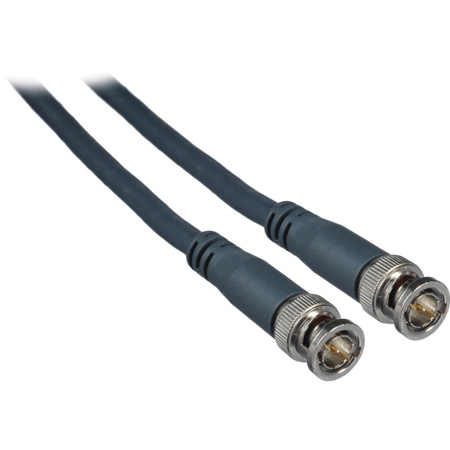
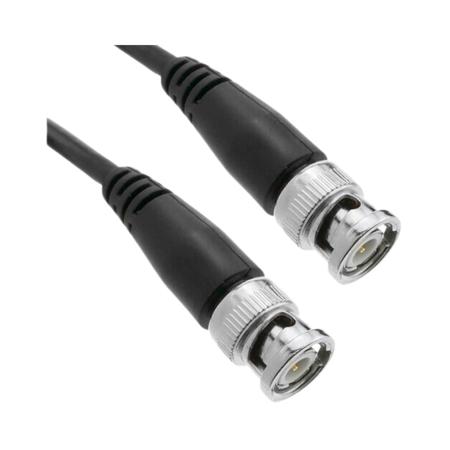
BNC connectors make thoughtful gifts for anyone passionate about electronics, video production, ham radio, or home security—especially for students, engineers, or DIY enthusiasts who appreciate quality components for their projects. A set of BNC plug to BNC plug cables, or a selection of different BNC connector types, can be a practical addition to any toolkit, ensuring compatibility with a wide range of devices and test equipment. As you explore your options, take the time to match connector styles, impedance, and termination methods to your specific application, and don’t overlook the importance of proper cable preparation and installation tools. For a curated selection of connectors, including straight, right-angle, and micro-BNC options, along with compatible accessories, browse our collection of BNC Plugs to find the right fit for your needs. With careful planning and the right components, you can create robust, high-performance connections that stand up to the demands of any season or environment.
BNC connector dimensions and styles also play a significant role in crafting a streamlined, efficient setup. Standard straight connectors are suitable for most applications, but right-angle BNC connectors are invaluable when working in tight spaces such as crowded racks or behind wall-mounted monitors. With the rise of high-density broadcast and 4K/8K Ultra-HD workflows, micro-BNC (HD-BNC) connectors have become increasingly popular, allowing for more connections in compact patch panels without sacrificing performance. When planning your installation, consider the male versus female connector distinction: male BNCs feature a protruding center pin and a rotating bayonet ring, while female BNCs have a receptacle and locking lugs. Reverse polarity BNC connectors (RP-BNC) are sometimes required for specialized or restricted equipment, preventing accidental mismating. Whether you’re assembling a new home studio as the cooler months approach or upgrading surveillance systems for a business, knowing the exact BNC connector dimensions and termination method is crucial for achieving a professional result. BNC terminations can involve crimping, compression, soldering, or even twist-on methods, each suited to specific cable types and use cases.
BNC connectors make thoughtful gifts for anyone passionate about electronics, video production, ham radio, or home security—especially for students, engineers, or DIY enthusiasts who appreciate quality components for their projects. A set of BNC plug to BNC plug cables, or a selection of different BNC connector types, can be a practical addition to any toolkit, ensuring compatibility with a wide range of devices and test equipment. As you explore your options, take the time to match connector styles, impedance, and termination methods to your specific application, and don’t overlook the importance of proper cable preparation and installation tools. For a curated selection of connectors, including straight, right-angle, and micro-BNC options, along with compatible accessories, browse our collection of BNC Plugs to find the right fit for your needs. With careful planning and the right components, you can create robust, high-performance connections that stand up to the demands of any season or environment.