
Bubinga Guitars
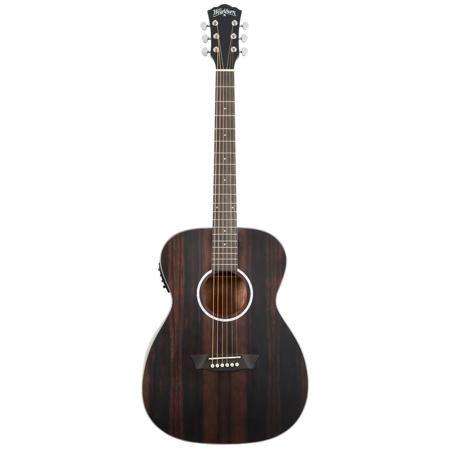
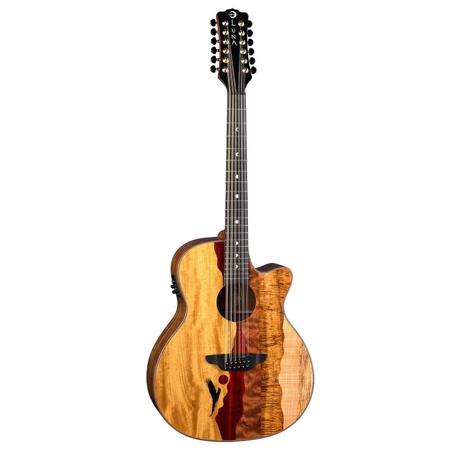
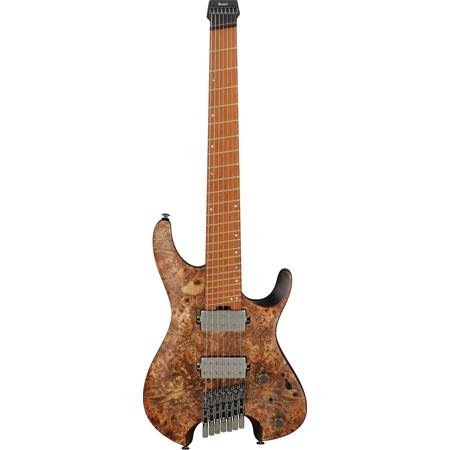
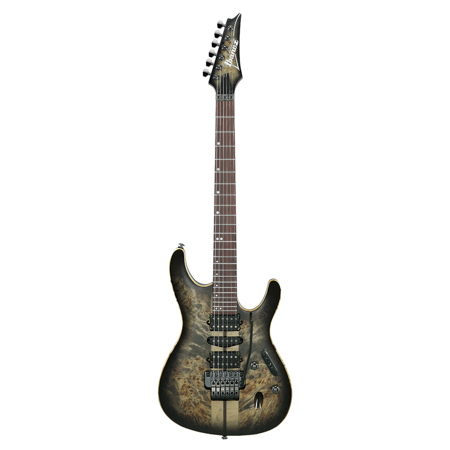
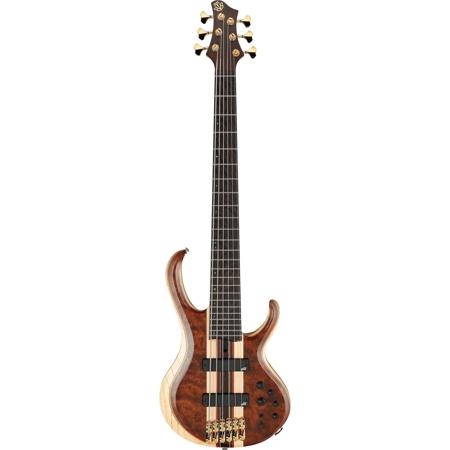
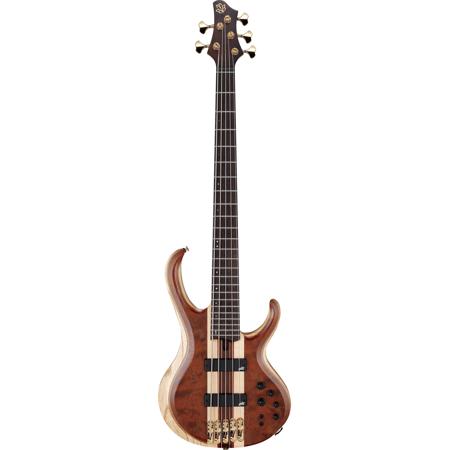
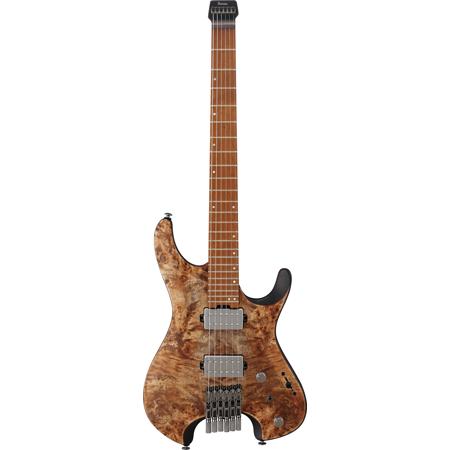
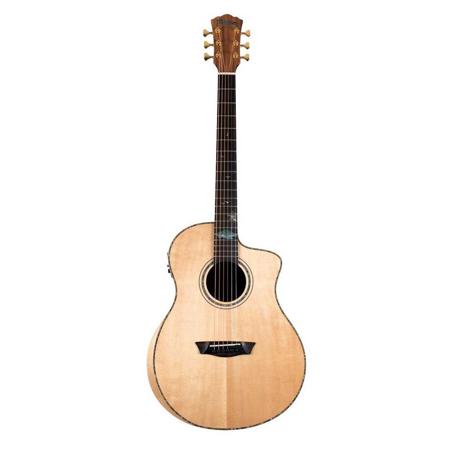
Bubinga guitars have earned a devoted following among musicians and collectors alike, thanks to their distinctive blend of visual beauty, tonal character, and robust durability. Bubinga, sometimes called “African Rosewood,” is prized for its rich, reddish-brown hues and dramatic, swirling grain patterns that can include striking pomelle or quilted figuring. These visual qualities make each bubinga guitar a unique work of art, catching the eye under stage lights or in the comfort of a home studio. But the allure of bubinga extends far beyond appearances. As a tonewood, bubinga offers a rare sonic versatility, bridging the gap between the warmth and depth of rosewood and the clarity and projection of maple. Its density—about 7% heavier and nearly 50% stronger than traditional East Indian rosewood—translates into remarkable sustain, tight bass response, and crystalline highs that make every note stand out with exceptional separation. Whether featured as the back and sides of an acoustic guitar, the carved top of an electric, or in hybrid designs, bubinga’s tonal palette is well-suited for a variety of musical genres, from fingerstyle and classical to blues, jazz, and rock.
When considering a bubinga guitar, it’s helpful to think about how the instrument will be used and who will be playing it. For serious musicians, bubinga guitars offer a professional-grade instrument capable of handling the demands of the studio, stage, or daily practice. The wood’s strength and stability make it an excellent choice for those who travel or perform frequently, as it’s less susceptible to the warping and cracking that can plague more delicate tonewoods in changing climates. Bubinga’s pronounced low-end and crisp high-end response are especially valued by soloists and recording artists who need their guitar to cut through a mix without losing warmth or getting muddy. At the same time, the instrument’s visual appeal makes it a thoughtful and memorable gift for guitar enthusiasts, collectors, or anyone celebrating a milestone—think graduations, anniversaries, or birthdays. As the weather warms and music festivals, outdoor gatherings, and jam sessions become more common, a bubinga guitar can be the centerpiece of summer creativity, inspiring new compositions and memorable performances.
For those who appreciate the artistry and craftsmanship of fine instruments, bubinga guitars often share the spotlight with other exotic tonewoods. Builders may pair bubinga backs and sides with premium soundboard woods like Sitka or Adirondack spruce, resulting in a balanced, resonant instrument with both power and nuance. Electric guitar aficionados are drawn to bubinga’s ability to deliver sustain and clarity, especially in solid-body or semi-hollow designs, where the wood’s density enhances both tone and structural integrity. Whether you’re seeking an heirloom-quality acoustic, a stage-ready electric, or a visually stunning addition to your collection, exploring bubinga guitars opens up a world of musical possibilities. If you’re interested in comparing bubinga’s unique characteristics with other exotic woods, you might also enjoy browsing our selection of Zebrawood Guitars, which offer their own distinctive look and sound. No matter your playing style or level of experience, a bubinga guitar is an investment in both artistry and performance—one that promises to inspire for years to come, whether you’re playing under the open sky or in the quiet of your favorite practice space.
When considering a bubinga guitar, it’s helpful to think about how the instrument will be used and who will be playing it. For serious musicians, bubinga guitars offer a professional-grade instrument capable of handling the demands of the studio, stage, or daily practice. The wood’s strength and stability make it an excellent choice for those who travel or perform frequently, as it’s less susceptible to the warping and cracking that can plague more delicate tonewoods in changing climates. Bubinga’s pronounced low-end and crisp high-end response are especially valued by soloists and recording artists who need their guitar to cut through a mix without losing warmth or getting muddy. At the same time, the instrument’s visual appeal makes it a thoughtful and memorable gift for guitar enthusiasts, collectors, or anyone celebrating a milestone—think graduations, anniversaries, or birthdays. As the weather warms and music festivals, outdoor gatherings, and jam sessions become more common, a bubinga guitar can be the centerpiece of summer creativity, inspiring new compositions and memorable performances.
For those who appreciate the artistry and craftsmanship of fine instruments, bubinga guitars often share the spotlight with other exotic tonewoods. Builders may pair bubinga backs and sides with premium soundboard woods like Sitka or Adirondack spruce, resulting in a balanced, resonant instrument with both power and nuance. Electric guitar aficionados are drawn to bubinga’s ability to deliver sustain and clarity, especially in solid-body or semi-hollow designs, where the wood’s density enhances both tone and structural integrity. Whether you’re seeking an heirloom-quality acoustic, a stage-ready electric, or a visually stunning addition to your collection, exploring bubinga guitars opens up a world of musical possibilities. If you’re interested in comparing bubinga’s unique characteristics with other exotic woods, you might also enjoy browsing our selection of Zebrawood Guitars, which offer their own distinctive look and sound. No matter your playing style or level of experience, a bubinga guitar is an investment in both artistry and performance—one that promises to inspire for years to come, whether you’re playing under the open sky or in the quiet of your favorite practice space.