

Rosewood Guitars
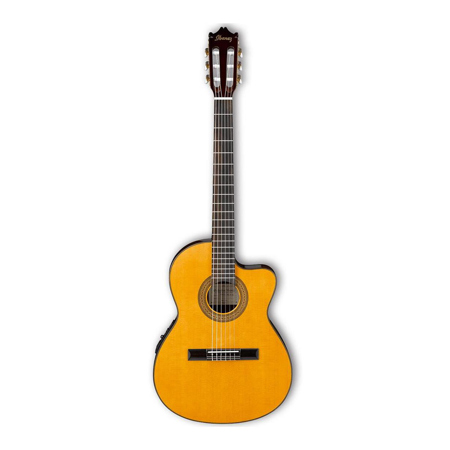
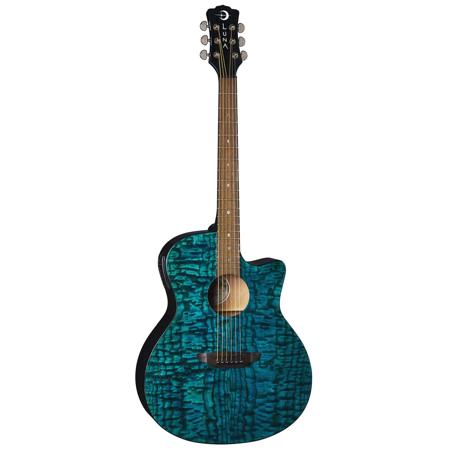
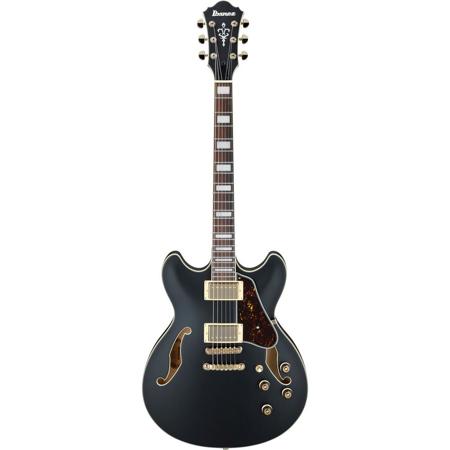
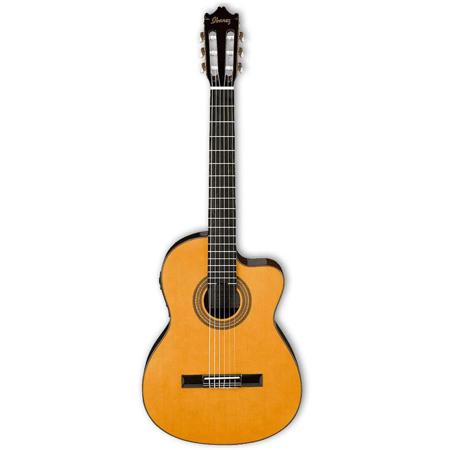
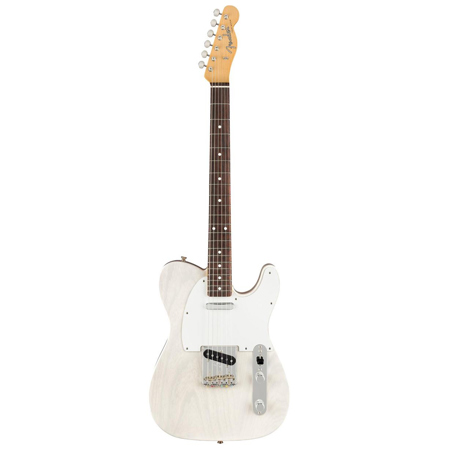
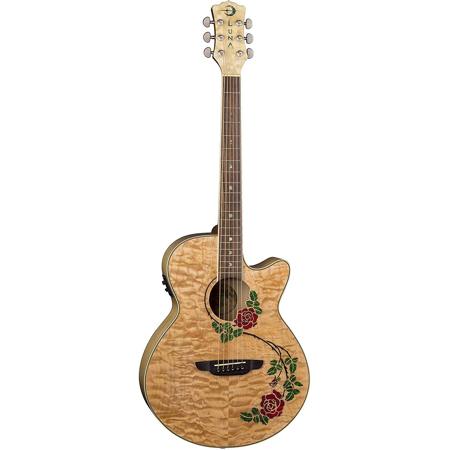
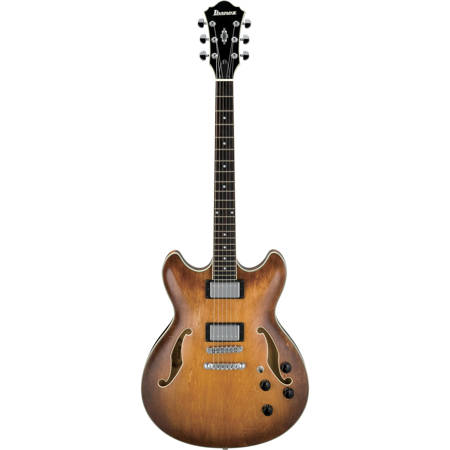
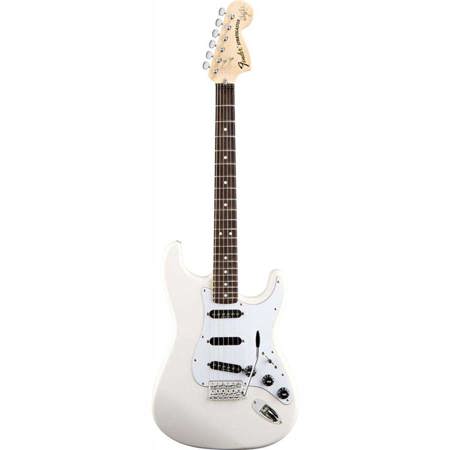
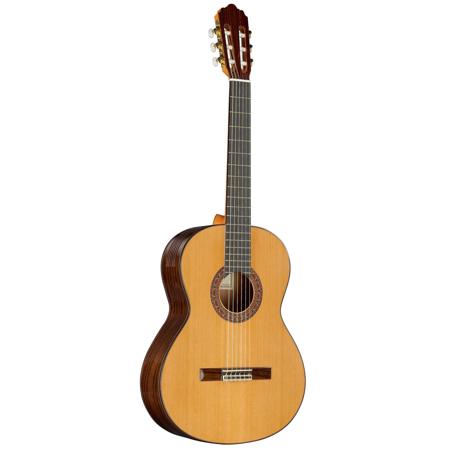
Rosewood guitars have long held a special place in the world of musical instruments, revered by players for their distinctive tonal properties and visual allure. The allure of rosewood lies not only in its striking grain patterns and deep, chocolate-hued coloration, but also in the way it shapes the sound of an instrument. Whether chosen for the back and sides of an acoustic guitar or as a fretboard material, rosewood is celebrated for its ability to deliver a rich low end, a scooped midrange, and sparkling, bell-like highs. This unique frequency response results in an acoustic voice that is both powerful and nuanced, making rosewood guitars a favorite among players seeking expressive dynamics and lush harmonic overtones. From the seasoned professional who relies on the robust projection and complex tone of a rosewood dreadnought on stage, to the dedicated hobbyist who savors the subtlety of fingerstyle passages in a quiet living room, these instruments provide a versatile sonic palette that inspires creativity across genres.
When considering a rosewood guitar, it’s important to appreciate the differences between the various species and sources of this prized tonewood. Brazilian rosewood, once the standard for high-end guitars, is now highly restricted and commands a premium due to its rarity and legendary tonal depth—often described as piano-like, with a remarkable ability to sustain and project. Modern builders more commonly use East Indian rosewood, which offers a similarly lush and balanced tonal profile while being sustainably sourced and more accessible. For those drawn to the exotic, Madagascar and Cocobolo rosewoods present visually stunning alternatives, each with their own unique blend of resonance and clarity. These woods are often reserved for boutique or custom shop instruments, where every detail is meticulously crafted for both sound and aesthetics. Players who value sustainability or are simply curious about the breadth of natural materials available in guitar building may also be interested in exploring other options; for a broader look at the world of wooden instruments, the Natural Wood Guitars collection offers an inspiring array of choices.
Rosewood guitars make thoughtful gifts for musicians at any stage of their journey, from beginners seeking a first instrument that will grow with their skills, to experienced players adding a new voice to their collection. The tactile pleasure of running a hand along a rosewood fretboard or admiring the swirling grain under soft light is matched only by the experience of hearing the instrument’s resonant sound fill a room—whether it’s during a summer gathering on the porch or a cozy evening indoors as the days grow cooler. Many players recount the moment they first strummed a rosewood guitar, describing the sensation as both grounding and exhilarating, a connection to decades of musical tradition and craftsmanship. For songwriters, the expansive tonal range encourages experimentation, while performers appreciate the guitar’s ability to cut through the mix with both warmth and clarity. Whether played solo, in an intimate acoustic set, or as part of a larger ensemble, a rosewood guitar brings a sense of depth and character that leaves a lasting impression, making it a cherished companion for years to come.
When considering a rosewood guitar, it’s important to appreciate the differences between the various species and sources of this prized tonewood. Brazilian rosewood, once the standard for high-end guitars, is now highly restricted and commands a premium due to its rarity and legendary tonal depth—often described as piano-like, with a remarkable ability to sustain and project. Modern builders more commonly use East Indian rosewood, which offers a similarly lush and balanced tonal profile while being sustainably sourced and more accessible. For those drawn to the exotic, Madagascar and Cocobolo rosewoods present visually stunning alternatives, each with their own unique blend of resonance and clarity. These woods are often reserved for boutique or custom shop instruments, where every detail is meticulously crafted for both sound and aesthetics. Players who value sustainability or are simply curious about the breadth of natural materials available in guitar building may also be interested in exploring other options; for a broader look at the world of wooden instruments, the Natural Wood Guitars collection offers an inspiring array of choices.
Rosewood guitars make thoughtful gifts for musicians at any stage of their journey, from beginners seeking a first instrument that will grow with their skills, to experienced players adding a new voice to their collection. The tactile pleasure of running a hand along a rosewood fretboard or admiring the swirling grain under soft light is matched only by the experience of hearing the instrument’s resonant sound fill a room—whether it’s during a summer gathering on the porch or a cozy evening indoors as the days grow cooler. Many players recount the moment they first strummed a rosewood guitar, describing the sensation as both grounding and exhilarating, a connection to decades of musical tradition and craftsmanship. For songwriters, the expansive tonal range encourages experimentation, while performers appreciate the guitar’s ability to cut through the mix with both warmth and clarity. Whether played solo, in an intimate acoustic set, or as part of a larger ensemble, a rosewood guitar brings a sense of depth and character that leaves a lasting impression, making it a cherished companion for years to come.