



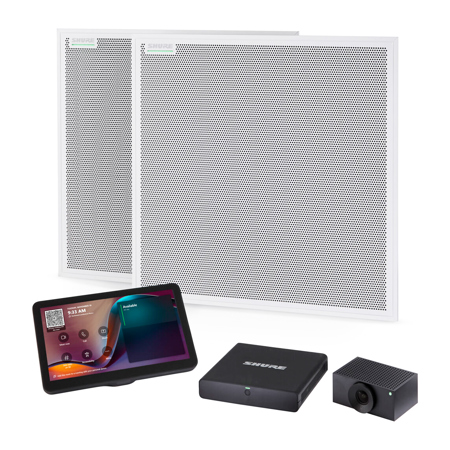
Call Center Tech Essentials
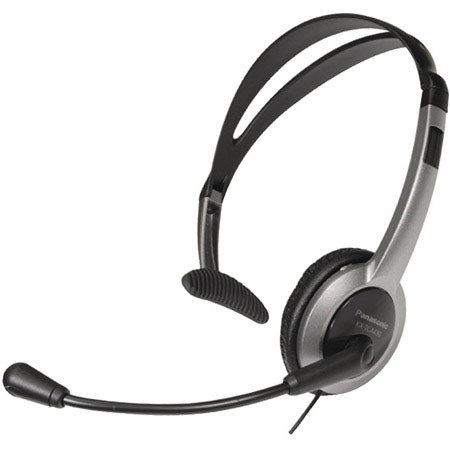
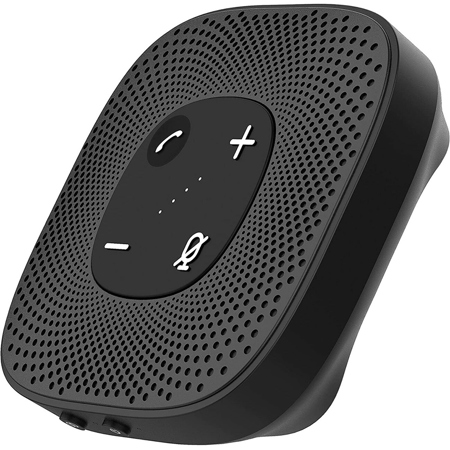
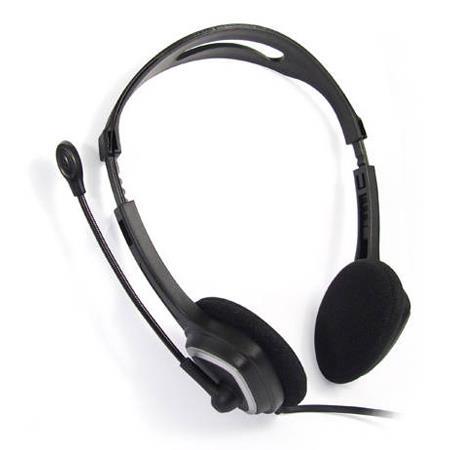
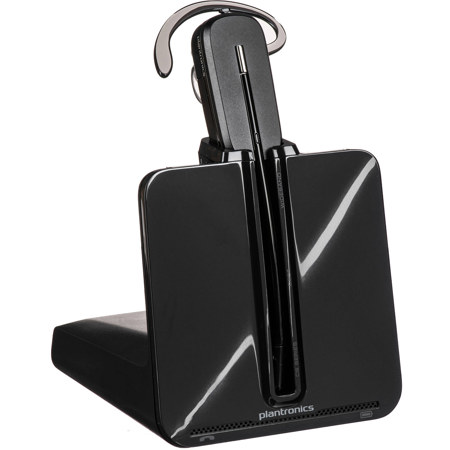
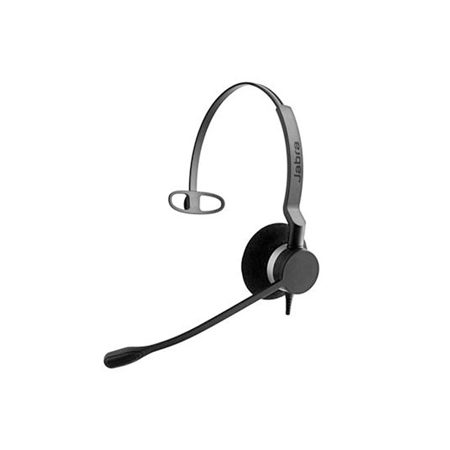
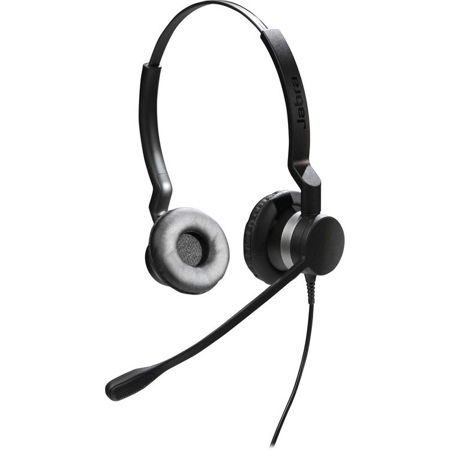
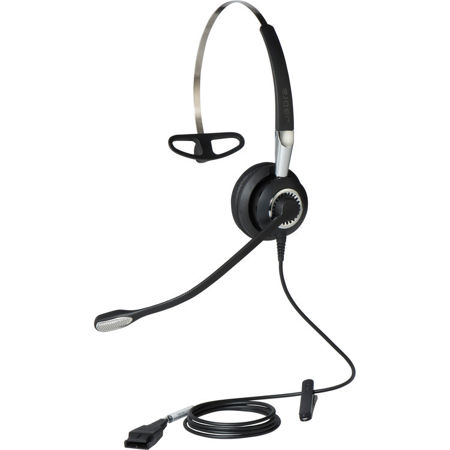
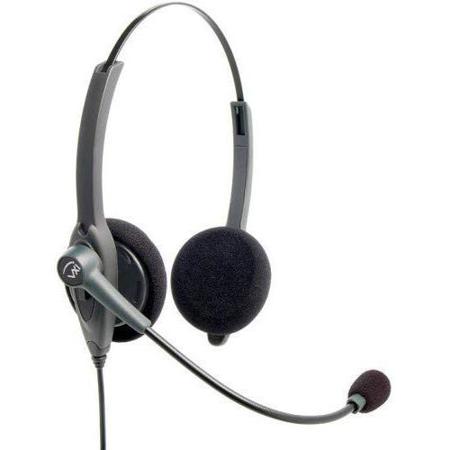
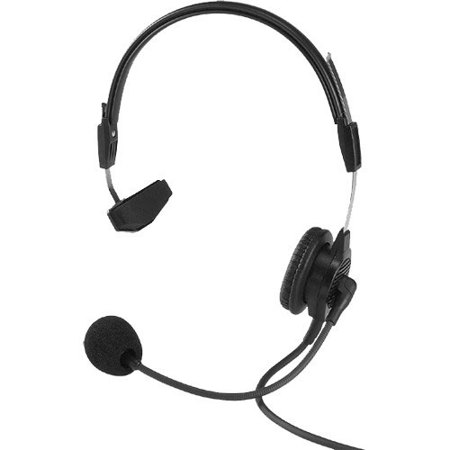
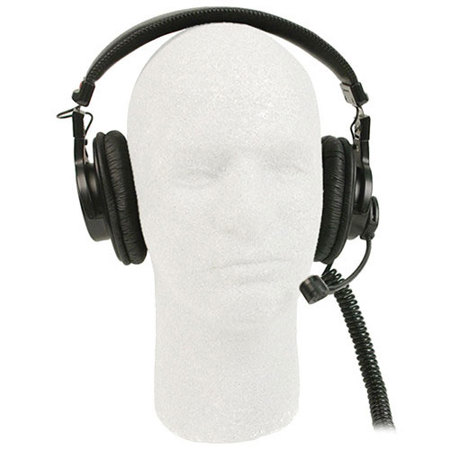
In today’s fast-paced business environment, the technology that powers a call center is more than just a collection of tools—it’s the backbone of customer satisfaction and agent productivity. Whether you’re building a new call center from the ground up or upgrading an existing operation, the right tech essentials can make all the difference. For agents working from bustling office floors or the quiet corners of their homes, reliable hardware and integrated software platforms are non-negotiable. Noise-canceling headsets help block out distractions, transforming even the busiest environments into focused workspaces where every word is heard clearly on both ends of the line. These headsets are especially valued during the warmer months, when open windows and increased outdoor activity can introduce unexpected background noise. Coupled with high-speed internet connections and robust computing power—think systems with at least an Intel i5 or Ryzen 5 processor, 8GB of RAM, and a speedy SSD—agents can juggle multiple applications without lag, ensuring seamless transitions from voice calls to live chats or video conferencing. Many organizations also invest in ergonomic workstations, complete with adjustable chairs and properly positioned monitors, to prevent fatigue and promote comfort during long shifts, which is particularly important as schedules shift with the seasons and agents log extended hours.
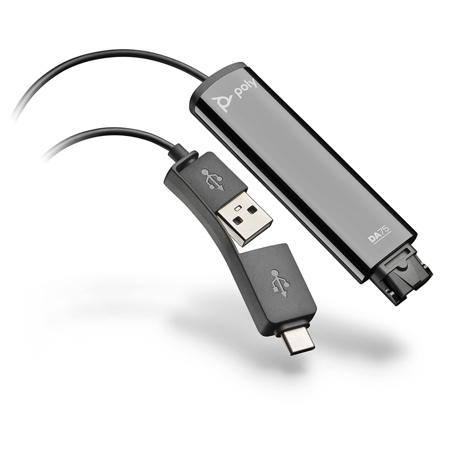
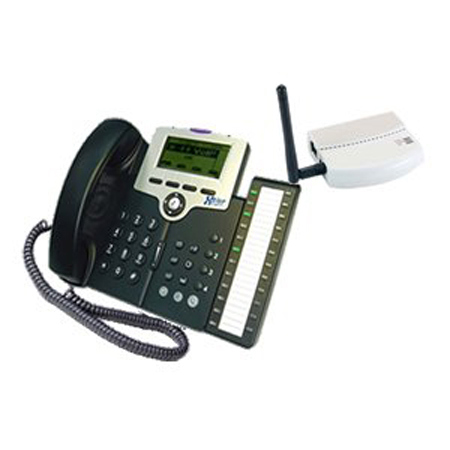
For supervisors and IT managers, integrating platforms like CRM (Customer Relationship Management) systems and omnichannel dashboards is essential for delivering a unified customer experience. These solutions allow agents to access caller histories, manage tickets, and pivot smoothly between communication channels such as phone, email, SMS, and social media—all from a single interface. VoIP and softphone technology enable calls to be made directly from computers, eliminating the need for traditional desk phones and streamlining remote work setups. Automated tools like IVR (Interactive Voice Response) systems help route callers efficiently and handle routine inquiries, reducing wait times and freeing up agents for more complex tasks. Real-time dashboards and analytics provide invaluable insights into metrics like wait times, call volumes, and first-call resolution rates, empowering teams to optimize performance and maintain service quality. Call recording and quality assurance tools are also vital for compliance, training, and continuous improvement, allowing managers to review interactions and leverage AI-driven sentiment analysis for deeper understanding. These tech essentials aren’t just for large operations—small businesses and remote teams benefit equally, and they make thoughtful, practical gifts for anyone setting up a home office or advancing their career in customer support. For a curated selection of must-have gear and further expert guidance, explore our dedicated page on Tech Essentials for Customer Service.
As organizations adapt to hybrid work models and evolving customer expectations, investing in the right call center technology is a strategic move that pays dividends in efficiency, morale, and customer loyalty. The flexibility to support agents wherever they are—whether in a corporate office, a home workspace, or even a temporary setup during the cooler months—means choosing equipment that is both durable and adaptable. Backup internet solutions, portable accessories, and cloud-based platforms ensure that service remains uninterrupted, regardless of location or season. For those seeking to future-proof their operations, scalability and easy integration with existing systems should be top priorities, allowing for seamless upgrades as needs change. Ultimately, the right blend of hardware and software not only empowers agents to perform at their best but also creates memorable, positive experiences for every customer who reaches out for support.
For supervisors and IT managers, integrating platforms like CRM (Customer Relationship Management) systems and omnichannel dashboards is essential for delivering a unified customer experience. These solutions allow agents to access caller histories, manage tickets, and pivot smoothly between communication channels such as phone, email, SMS, and social media—all from a single interface. VoIP and softphone technology enable calls to be made directly from computers, eliminating the need for traditional desk phones and streamlining remote work setups. Automated tools like IVR (Interactive Voice Response) systems help route callers efficiently and handle routine inquiries, reducing wait times and freeing up agents for more complex tasks. Real-time dashboards and analytics provide invaluable insights into metrics like wait times, call volumes, and first-call resolution rates, empowering teams to optimize performance and maintain service quality. Call recording and quality assurance tools are also vital for compliance, training, and continuous improvement, allowing managers to review interactions and leverage AI-driven sentiment analysis for deeper understanding. These tech essentials aren’t just for large operations—small businesses and remote teams benefit equally, and they make thoughtful, practical gifts for anyone setting up a home office or advancing their career in customer support. For a curated selection of must-have gear and further expert guidance, explore our dedicated page on Tech Essentials for Customer Service.
As organizations adapt to hybrid work models and evolving customer expectations, investing in the right call center technology is a strategic move that pays dividends in efficiency, morale, and customer loyalty. The flexibility to support agents wherever they are—whether in a corporate office, a home workspace, or even a temporary setup during the cooler months—means choosing equipment that is both durable and adaptable. Backup internet solutions, portable accessories, and cloud-based platforms ensure that service remains uninterrupted, regardless of location or season. For those seeking to future-proof their operations, scalability and easy integration with existing systems should be top priorities, allowing for seamless upgrades as needs change. Ultimately, the right blend of hardware and software not only empowers agents to perform at their best but also creates memorable, positive experiences for every customer who reaches out for support.