
Filter Materials
When exploring filter materials, it’s essential to consider the wide variety of applications and the specific needs of your environment or project. Filter materials serve as the backbone of countless filtration systems, ranging from the air you breathe at home to the water you drink, and even the intricate requirements of industrial processes. In air filtration, materials like fiberglass and pleated cellulose are staples for capturing dust and allergens, making them ideal for households seeking to maintain cleaner indoor air, especially during winter when windows are closed and heating systems circulate particles. Polyester filter media, known for its durability and ability to be washed and reused, is a practical choice for those looking for a longer-term solution or managing higher volumes of particulate matter. Activated carbon, often used in combination with other media, excels at neutralizing odors and adsorbing volatile organic compounds, making it highly valued in both residential purifiers and commercial settings where air quality is paramount.
Water filtration brings its own set of considerations, with materials such as activated carbon, sand, gravel, and diatomaceous earth each playing a role in removing impurities. Activated carbon is particularly effective at reducing chlorine, odors, and certain chemicals, offering peace of mind for families and individuals concerned about the taste and safety of their tap water. Sand and gravel, often found in large-scale or pool filtration systems, provide robust sediment removal, while diatomaceous earth’s fine powder is favored for its ability to filter out microscopic contaminants. Ceramic media stands out for its ability to remove bacteria, making it a popular choice for portable water filters and emergency preparedness kits. Reverse osmosis membrane materials take purification to an even finer level, delivering exceptionally pure water for sensitive applications. These materials are not only practical for everyday use but also make thoughtful gifts for new homeowners, outdoor enthusiasts, or anyone looking to improve their water quality, especially during the colder months when people spend more time indoors and rely heavily on indoor resources.
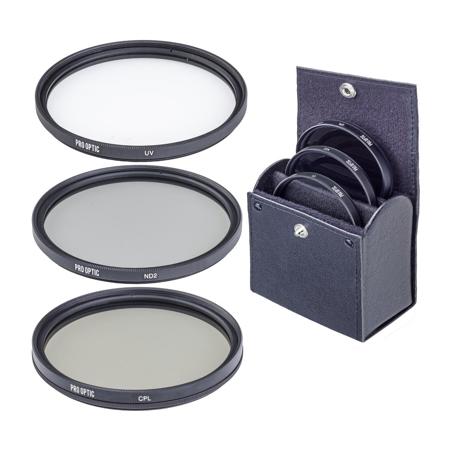
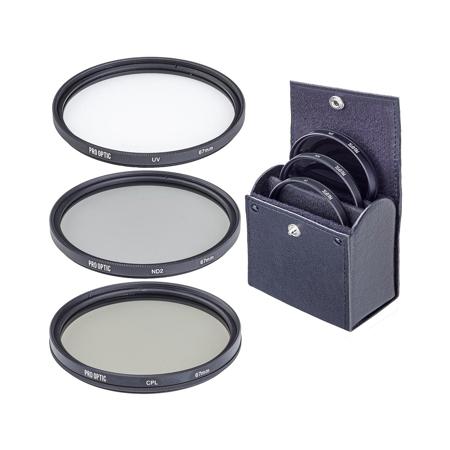
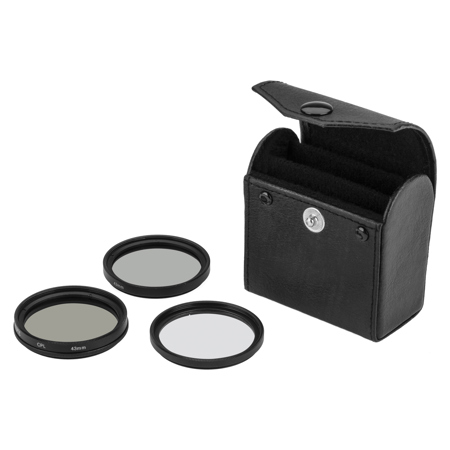
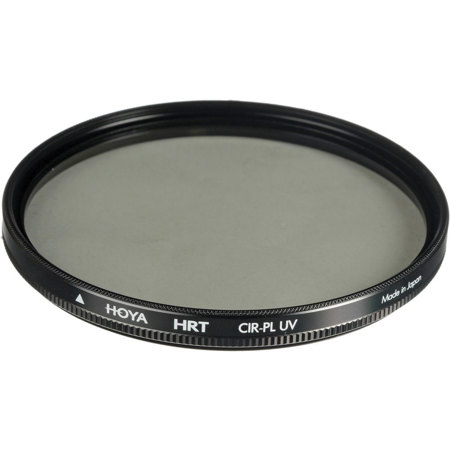
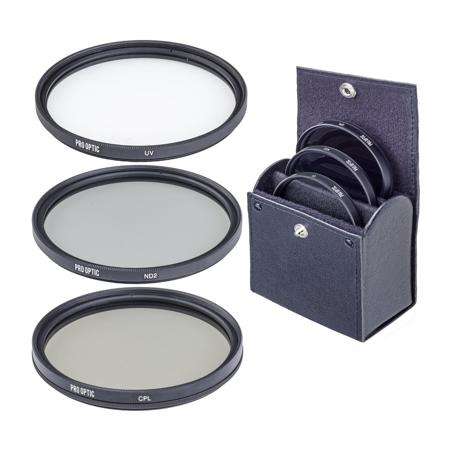
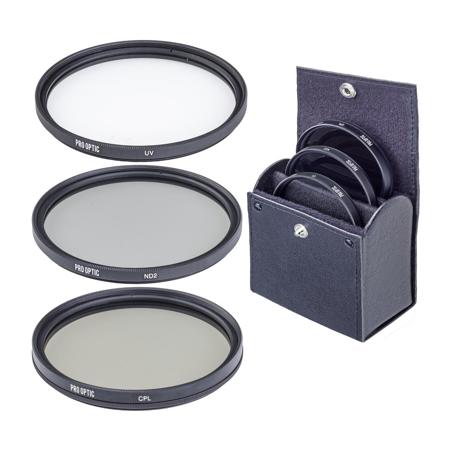
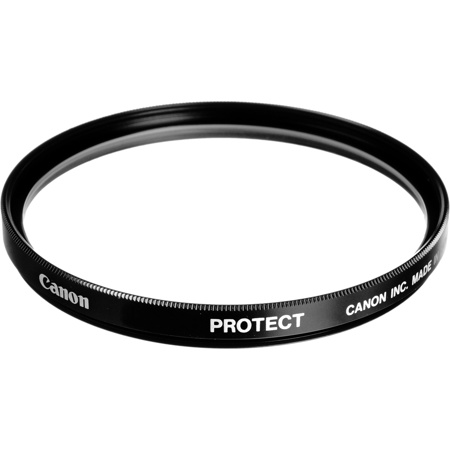
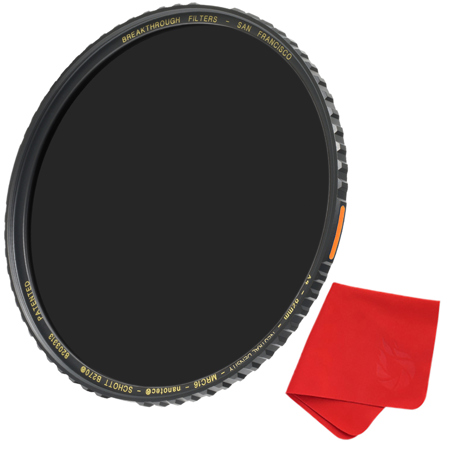
In industrial and specialized settings, synthetic fabrics like polypropylene, polyester, and nylon are prized for their strength and chemical resistance, often used in dust collection, liquid filtration, and even in creative applications like photography and stage production. Woven and non-woven felt materials offer varying flow rates and dirt-holding capacities, catering to specific operational demands. When selecting filter materials, it’s important to consider factors such as micron rating—which determines the size of particles the filter can capture—durability, and whether the material is designed for single use or can be cleaned and reused. These considerations ensure that whether you’re managing a commercial facility, upgrading your home’s HVAC system, or assembling a custom filtration setup for your aquarium or studio, you’ll find the right balance of efficiency and longevity. For those interested in creative visual effects or specialized photographic applications, exploring options like Fx Filters can open up new possibilities, leveraging the unique properties of various filter materials to achieve stunning results. With the right filter materials, you can maintain cleaner air, purer water, and optimal performance across a spectrum of environments and creative pursuits.
Water filtration brings its own set of considerations, with materials such as activated carbon, sand, gravel, and diatomaceous earth each playing a role in removing impurities. Activated carbon is particularly effective at reducing chlorine, odors, and certain chemicals, offering peace of mind for families and individuals concerned about the taste and safety of their tap water. Sand and gravel, often found in large-scale or pool filtration systems, provide robust sediment removal, while diatomaceous earth’s fine powder is favored for its ability to filter out microscopic contaminants. Ceramic media stands out for its ability to remove bacteria, making it a popular choice for portable water filters and emergency preparedness kits. Reverse osmosis membrane materials take purification to an even finer level, delivering exceptionally pure water for sensitive applications. These materials are not only practical for everyday use but also make thoughtful gifts for new homeowners, outdoor enthusiasts, or anyone looking to improve their water quality, especially during the colder months when people spend more time indoors and rely heavily on indoor resources.
In industrial and specialized settings, synthetic fabrics like polypropylene, polyester, and nylon are prized for their strength and chemical resistance, often used in dust collection, liquid filtration, and even in creative applications like photography and stage production. Woven and non-woven felt materials offer varying flow rates and dirt-holding capacities, catering to specific operational demands. When selecting filter materials, it’s important to consider factors such as micron rating—which determines the size of particles the filter can capture—durability, and whether the material is designed for single use or can be cleaned and reused. These considerations ensure that whether you’re managing a commercial facility, upgrading your home’s HVAC system, or assembling a custom filtration setup for your aquarium or studio, you’ll find the right balance of efficiency and longevity. For those interested in creative visual effects or specialized photographic applications, exploring options like Fx Filters can open up new possibilities, leveraging the unique properties of various filter materials to achieve stunning results. With the right filter materials, you can maintain cleaner air, purer water, and optimal performance across a spectrum of environments and creative pursuits.