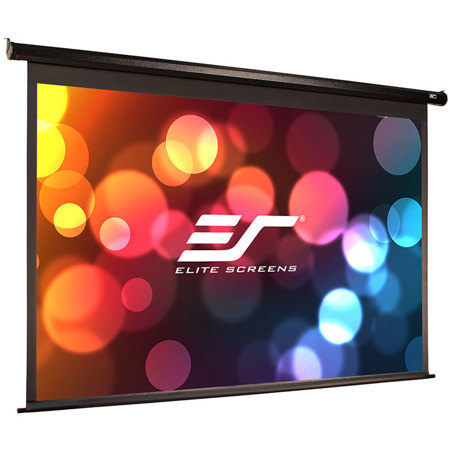
Front and Rear Projection Screens
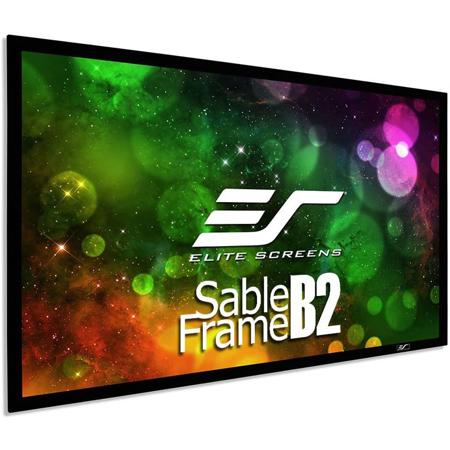
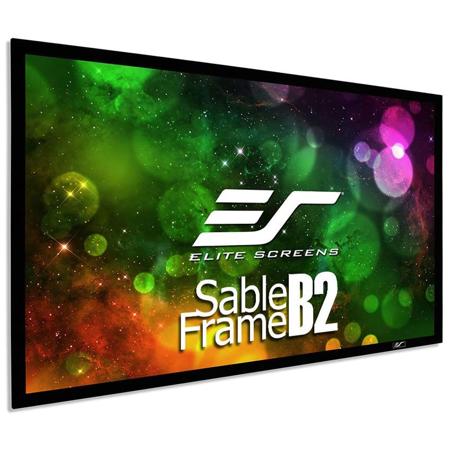
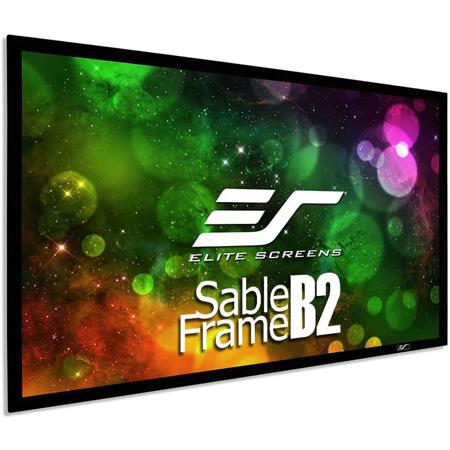
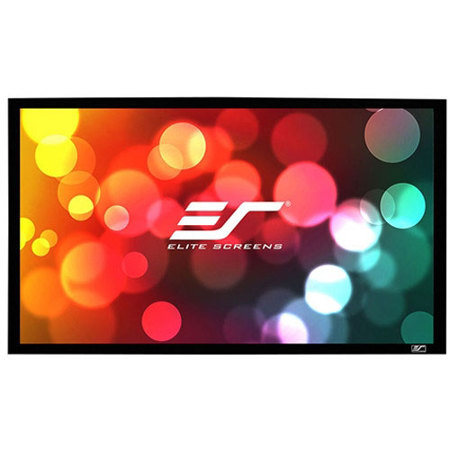
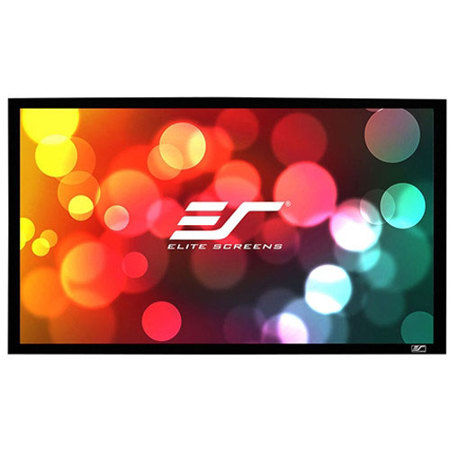
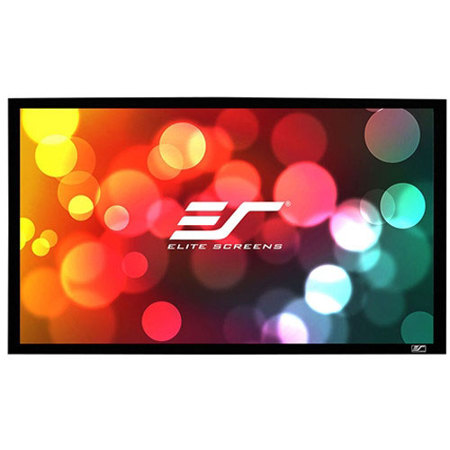
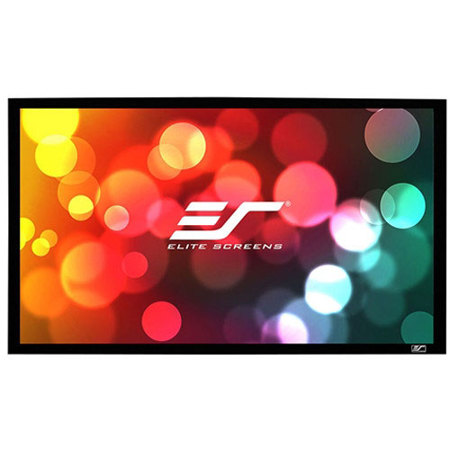
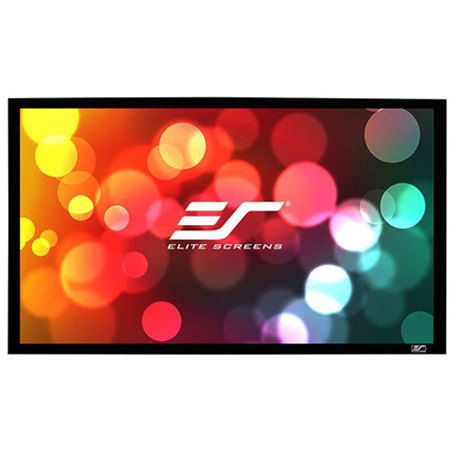
Front and rear projection screens have become essential tools for transforming everyday environments into immersive viewing spaces, whether for home entertainment, business presentations, or large-scale events. These screens are engineered with specialized materials that deliver vibrant, high-contrast visuals from either side, opening up a world of creative possibilities for users. Front projection screens reflect light back toward the audience, making them ideal for controlled lighting conditions such as dedicated home theaters, conference rooms, or classrooms. Rear projection screens, on the other hand, diffuse light through the material so the image is visible from the opposite side, allowing the projector to be hidden behind the screen. This setup is particularly useful in environments where eliminating shadows and minimizing equipment clutter is a priority—think trade shows, stage productions, or even outdoor movie nights, where foot traffic in front of the screen is common.
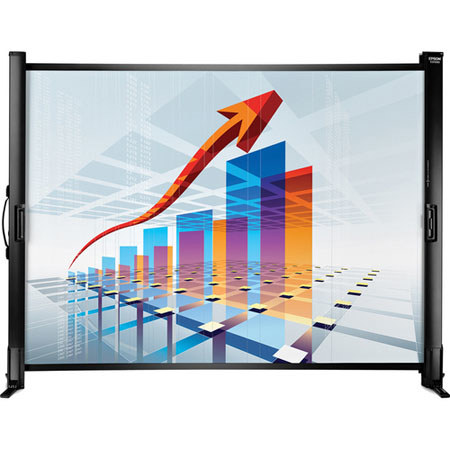
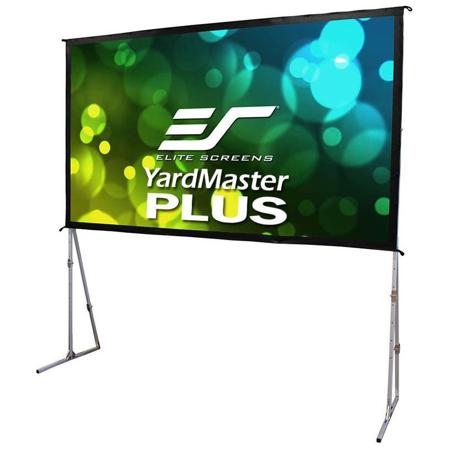
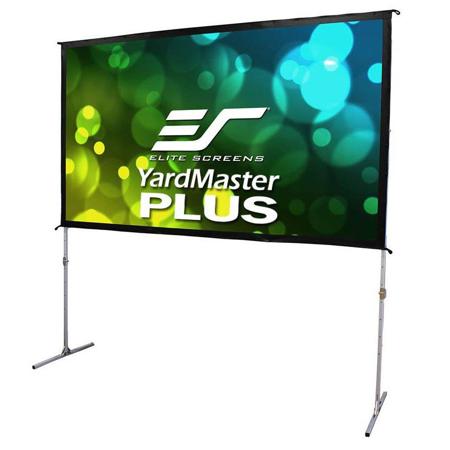
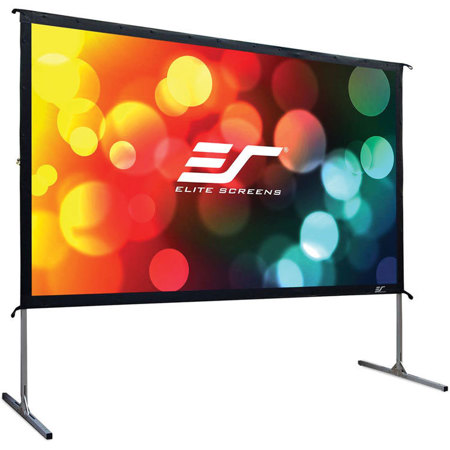
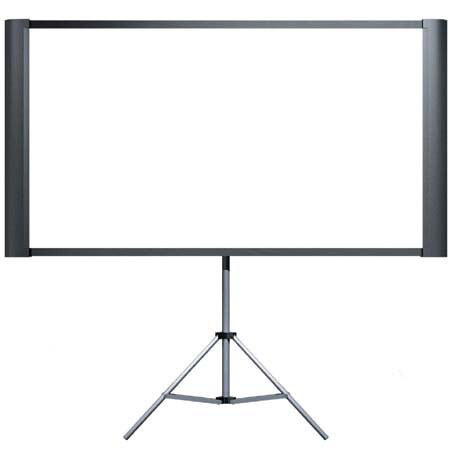
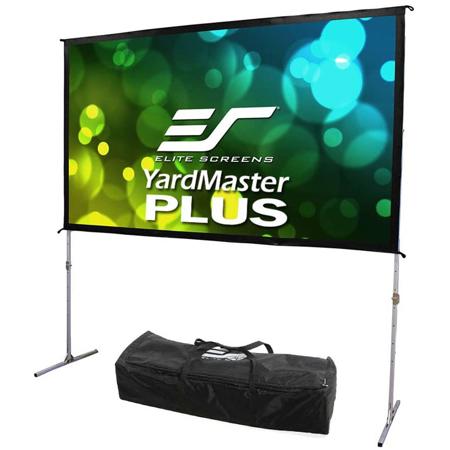
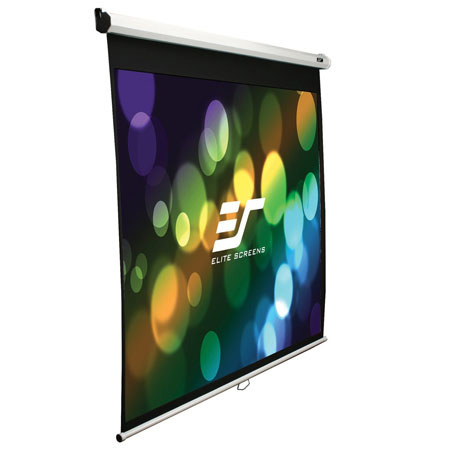
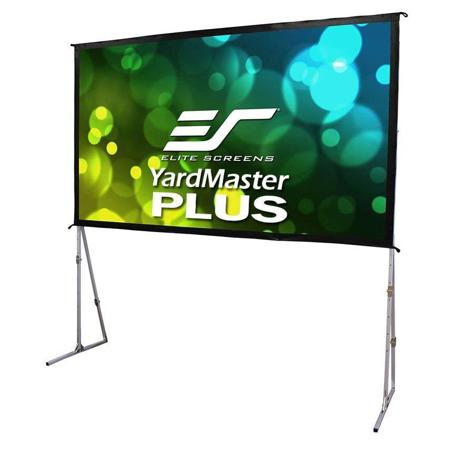
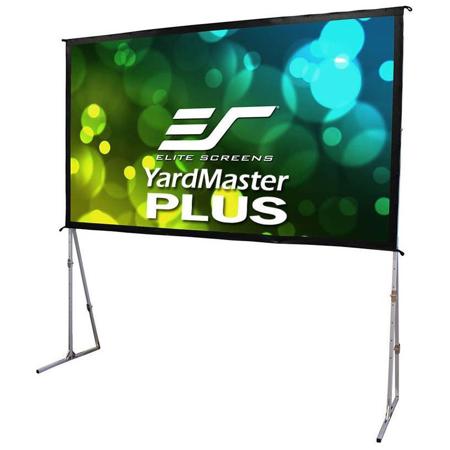
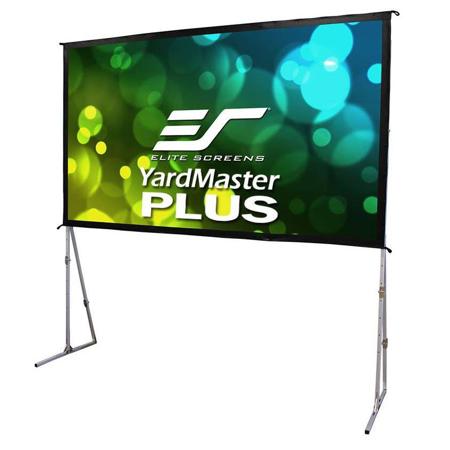
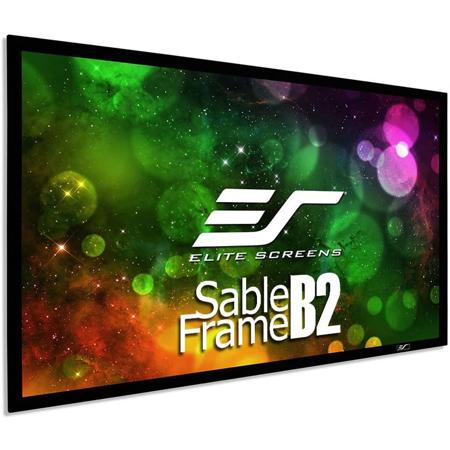
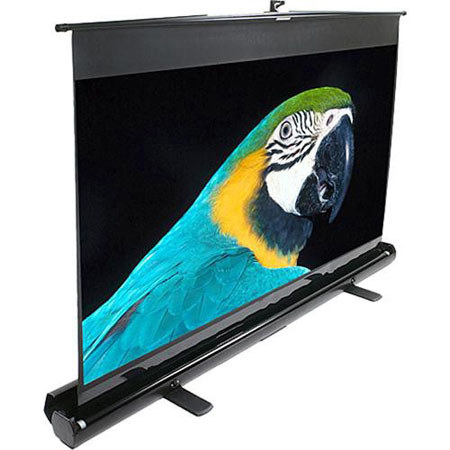
As the days grow longer and gatherings move outdoors, portable projection screens become especially popular for backyard movie nights, community events, or casual get-togethers under the stars. Fast-folding frames and lightweight materials make it easy to set up a screen in virtually any location, from a grassy park to a rooftop terrace. These screens are also a thoughtful gift for film buffs, sports fans, or families who love to entertain—imagine the delight of watching a favorite summer blockbuster or a championship game on a big screen, surrounded by friends and family. For professionals, dual-purpose screens offer the flexibility to adapt to different venues and audience sizes, whether you're delivering a high-stakes presentation in a boardroom or orchestrating a multimedia performance on stage. Permanent installations with tab-tensioned motorized screens provide a polished, seamless look in home theaters or corporate settings, ensuring the projection surface remains perfectly flat for pristine image quality.
Choosing the right projection screen depends on several factors, including room size, lighting conditions, intended use, and portability needs. For those seeking the brightest, most vivid images in a controlled environment, a front projection setup is often the preferred choice. If your space is multi-purpose or you anticipate frequent changes in layout, a dual-purpose screen offers unmatched versatility. Rear projection is particularly advantageous in environments where ambient light is difficult to control or where equipment needs to remain out of sight. As you explore the many options available, consider how each feature—be it portability, tensioning systems, or screen material—can enhance your viewing experience. For a deeper dive into the benefits and configurations of front projection solutions, visit our dedicated page on Front Projection Screens to find the setup that best suits your needs, whether you're planning an unforgettable outdoor gathering or elevating your indoor entertainment space.
As the days grow longer and gatherings move outdoors, portable projection screens become especially popular for backyard movie nights, community events, or casual get-togethers under the stars. Fast-folding frames and lightweight materials make it easy to set up a screen in virtually any location, from a grassy park to a rooftop terrace. These screens are also a thoughtful gift for film buffs, sports fans, or families who love to entertain—imagine the delight of watching a favorite summer blockbuster or a championship game on a big screen, surrounded by friends and family. For professionals, dual-purpose screens offer the flexibility to adapt to different venues and audience sizes, whether you're delivering a high-stakes presentation in a boardroom or orchestrating a multimedia performance on stage. Permanent installations with tab-tensioned motorized screens provide a polished, seamless look in home theaters or corporate settings, ensuring the projection surface remains perfectly flat for pristine image quality.
Choosing the right projection screen depends on several factors, including room size, lighting conditions, intended use, and portability needs. For those seeking the brightest, most vivid images in a controlled environment, a front projection setup is often the preferred choice. If your space is multi-purpose or you anticipate frequent changes in layout, a dual-purpose screen offers unmatched versatility. Rear projection is particularly advantageous in environments where ambient light is difficult to control or where equipment needs to remain out of sight. As you explore the many options available, consider how each feature—be it portability, tensioning systems, or screen material—can enhance your viewing experience. For a deeper dive into the benefits and configurations of front projection solutions, visit our dedicated page on Front Projection Screens to find the setup that best suits your needs, whether you're planning an unforgettable outdoor gathering or elevating your indoor entertainment space.