Rear Projection Screens
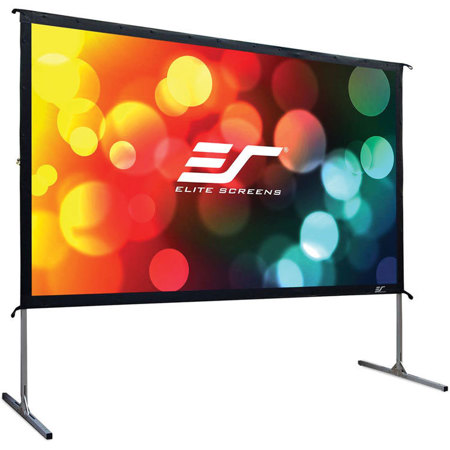
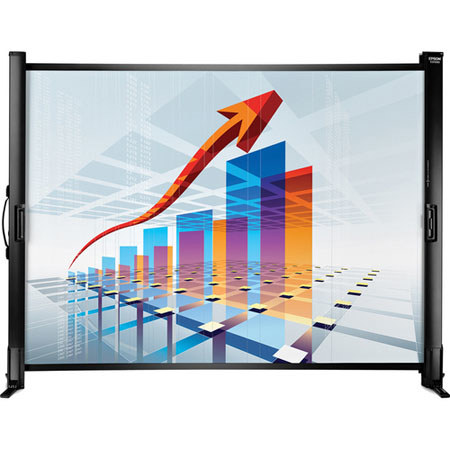
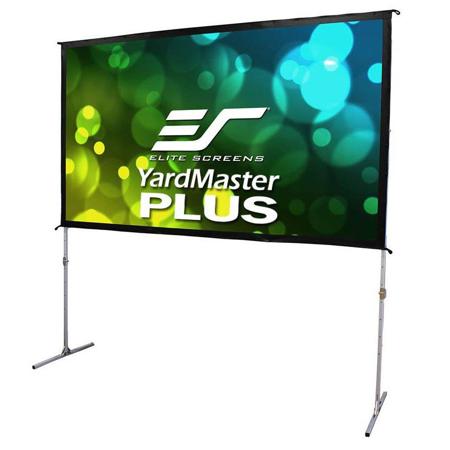
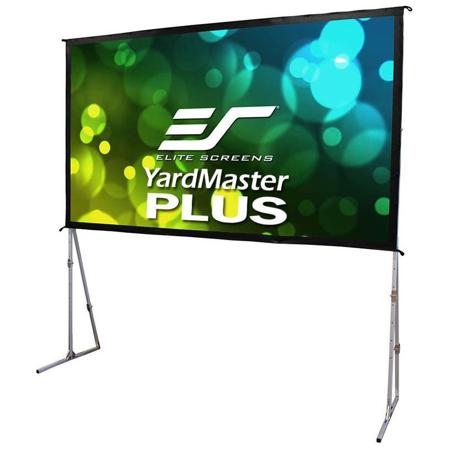
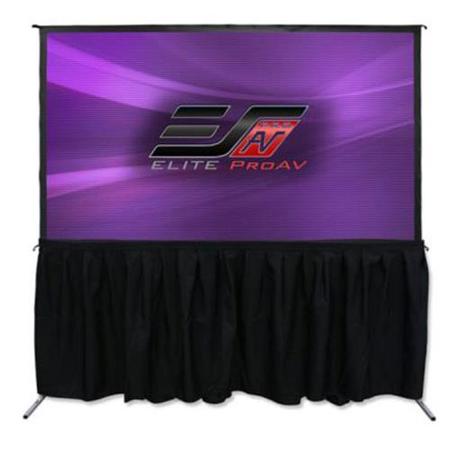
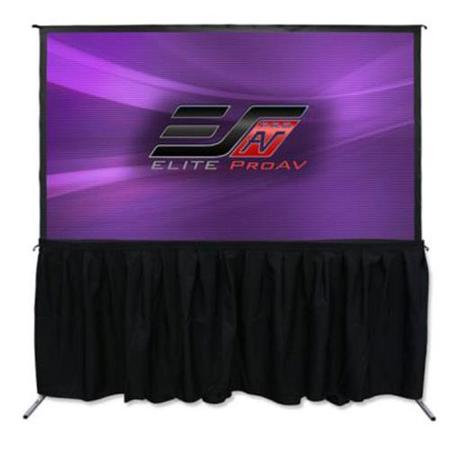
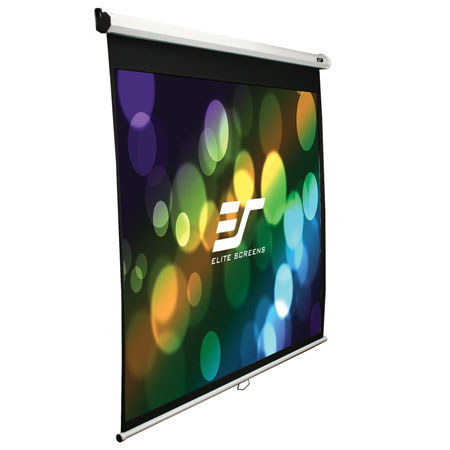
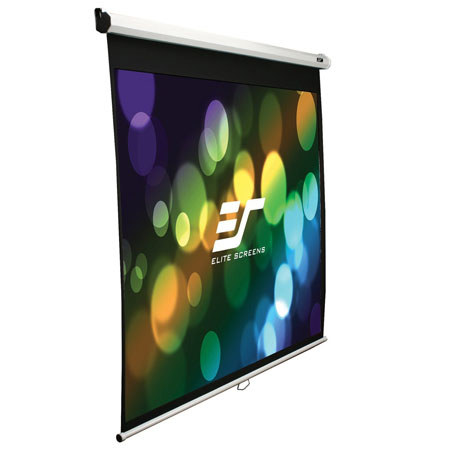
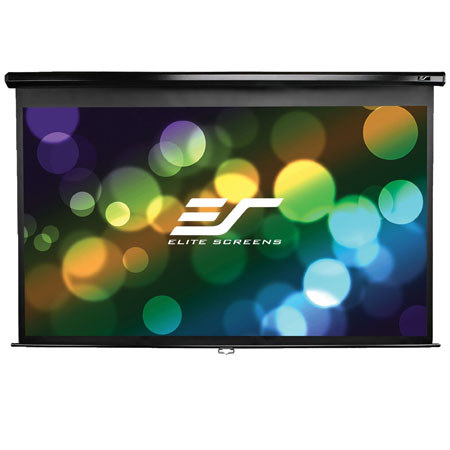
Rear projection screens offer a unique and versatile solution for anyone seeking high-impact visuals without the common pitfalls of traditional front projection. By positioning the projector behind a translucent, diffusive screen, these setups eliminate the distraction of shadows and the annoyance of glare, making them a favorite for professional environments, educational settings, and creative displays alike. This rear-mounted approach is especially valuable in spaces where presenters or performers move freely in front of the screen, such as during business presentations, classroom lectures, or live performances. The technology also excels in environments with higher ambient light, maintaining image clarity and contrast where standard screens might struggle. Whether you’re designing a captivating storefront display for seasonal promotions, setting up a temporary installation for a summer event, or creating an immersive experience for an art exhibit, a rear projection screen delivers crisp, vibrant visuals that draw in your audience.
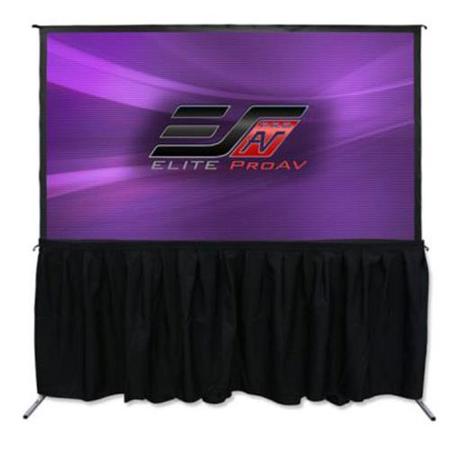
Selecting the right rear projection screen involves a few key considerations to ensure the best results. The screen material is crucial—options like tensioned fabric, dedicated PVC, or adhesive projection films each offer distinct benefits, from portability and ease of installation to enhanced image diffusion. Space planning is also important; you’ll need approximately one and a half to two times the screen’s width behind the screen for the projector setup, especially if using a standard throw lens. This makes rear projection screens particularly well-suited for venues with flexible layouts or temporary installations, such as pop-up events, holiday window projections, or interactive museum exhibits. Families and home theater enthusiasts might use them for backyard movie nights or indoor gaming marathons, taking advantage of the ability to set up and dismantle the system as needed. For educators, the absence of cables and tripping hazards in front of the screen helps maintain a tidy, safe environment, while business users benefit from a professional, distraction-free presentation space.
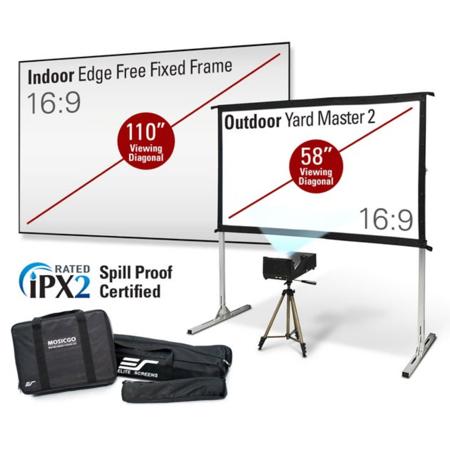
Rear projection screens are also a thoughtful gift for anyone passionate about home entertainment, visual arts, or event production. As the weather shifts from warm summer evenings to the cooler days of early fall, these screens can transform both indoor and outdoor spaces into hubs of creativity and connection. Imagine hosting a family movie night under the stars or staging a spooky Halloween projection in your window—rear projection screens make these moments possible by delivering clear, high-contrast images in a variety of lighting conditions. For those planning outdoor gatherings or looking to expand their setup beyond the living room, it’s worth exploring our selection of Outdoor Projection Screens for even more display options. Whether you’re equipping a classroom, upgrading your business presentations, or bringing your creative visions to life, rear projection screens provide the flexibility, performance, and visual impact to make every viewing experience memorable.
Selecting the right rear projection screen involves a few key considerations to ensure the best results. The screen material is crucial—options like tensioned fabric, dedicated PVC, or adhesive projection films each offer distinct benefits, from portability and ease of installation to enhanced image diffusion. Space planning is also important; you’ll need approximately one and a half to two times the screen’s width behind the screen for the projector setup, especially if using a standard throw lens. This makes rear projection screens particularly well-suited for venues with flexible layouts or temporary installations, such as pop-up events, holiday window projections, or interactive museum exhibits. Families and home theater enthusiasts might use them for backyard movie nights or indoor gaming marathons, taking advantage of the ability to set up and dismantle the system as needed. For educators, the absence of cables and tripping hazards in front of the screen helps maintain a tidy, safe environment, while business users benefit from a professional, distraction-free presentation space.
Rear projection screens are also a thoughtful gift for anyone passionate about home entertainment, visual arts, or event production. As the weather shifts from warm summer evenings to the cooler days of early fall, these screens can transform both indoor and outdoor spaces into hubs of creativity and connection. Imagine hosting a family movie night under the stars or staging a spooky Halloween projection in your window—rear projection screens make these moments possible by delivering clear, high-contrast images in a variety of lighting conditions. For those planning outdoor gatherings or looking to expand their setup beyond the living room, it’s worth exploring our selection of Outdoor Projection Screens for even more display options. Whether you’re equipping a classroom, upgrading your business presentations, or bringing your creative visions to life, rear projection screens provide the flexibility, performance, and visual impact to make every viewing experience memorable.