
Front Projection Screens
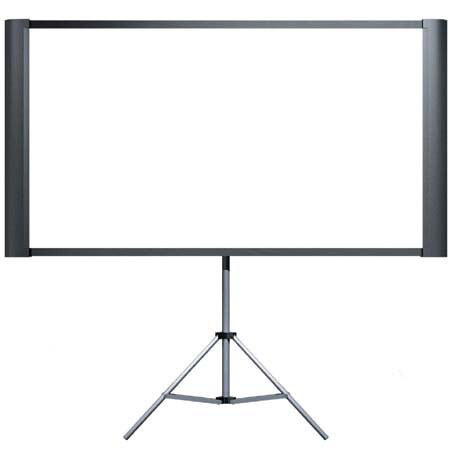
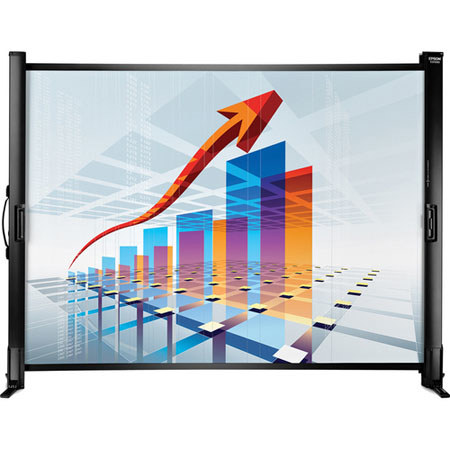
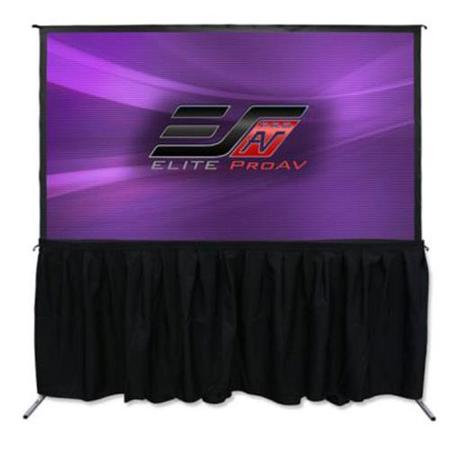
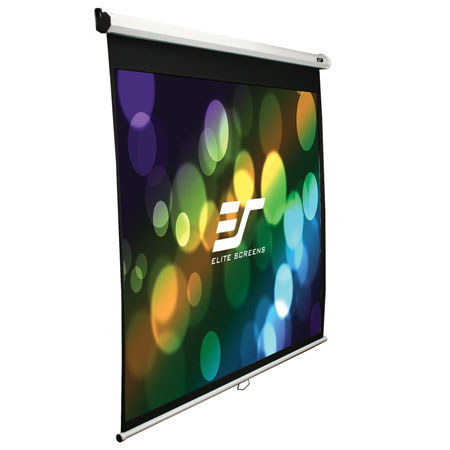
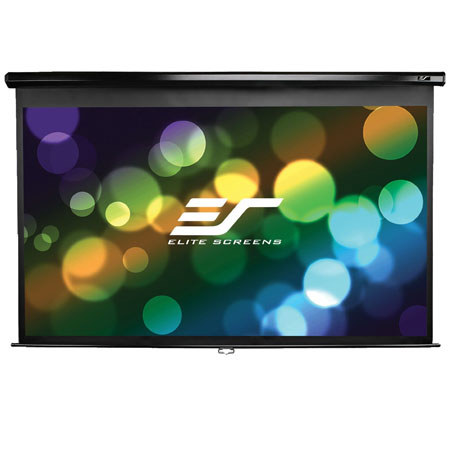
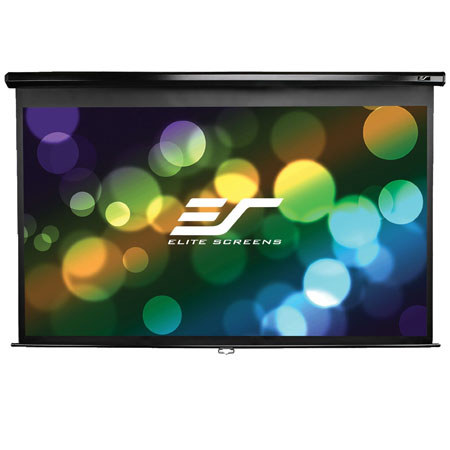
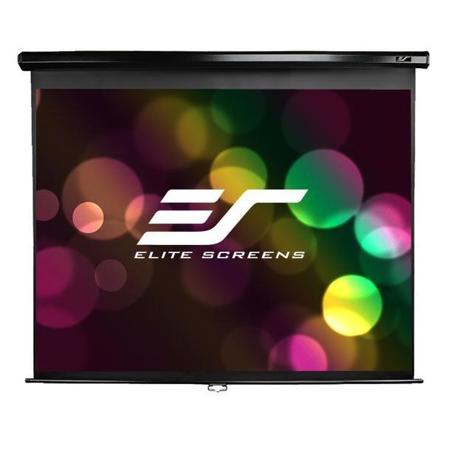
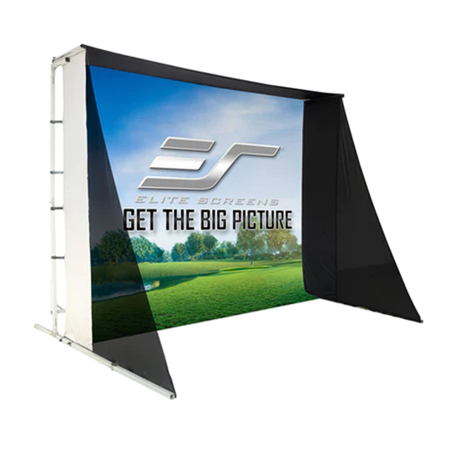
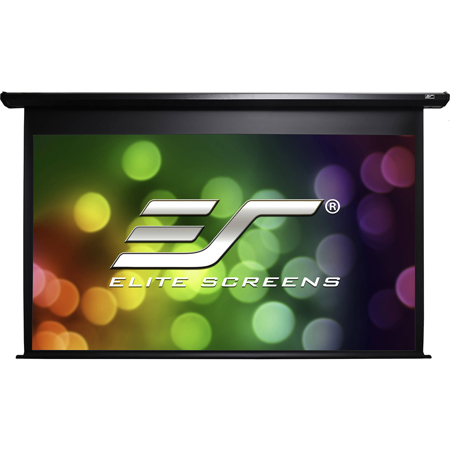
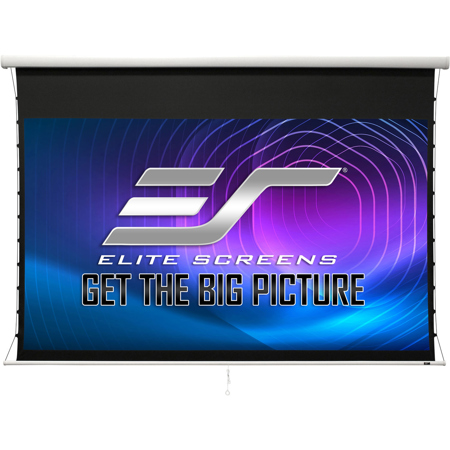
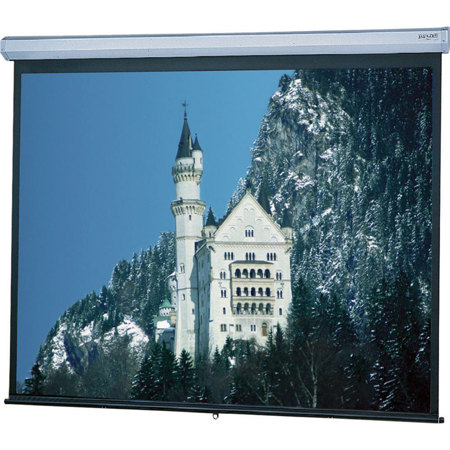
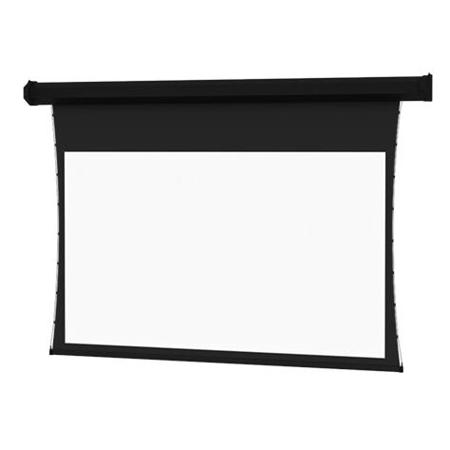
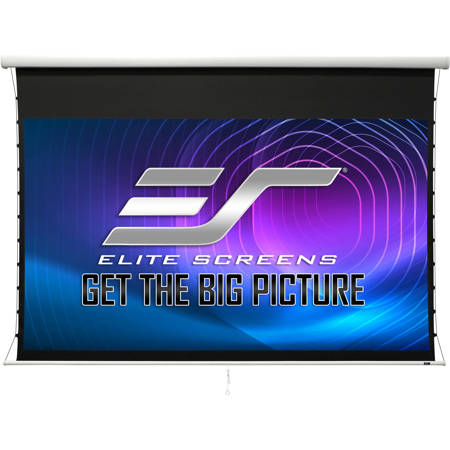
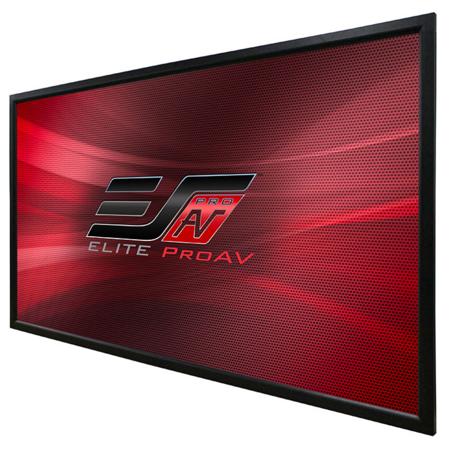
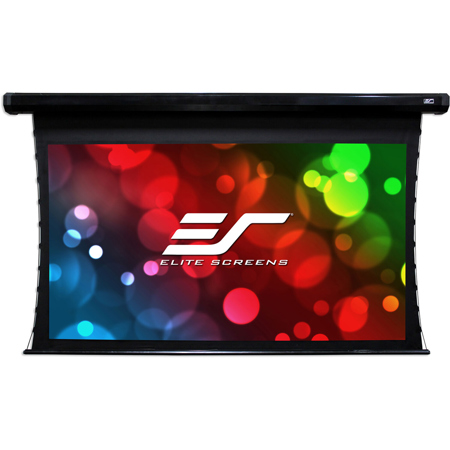
Front projection screens have become an essential part of creating immersive visual experiences in a wide range of settings, from dedicated home theaters and media rooms to classrooms, boardrooms, and even backyard gatherings. Unlike rear projection systems, front projector screens are designed so that both the projector and the audience are on the same side of the screen, relying on the reflection of light to deliver crisp, vibrant images. This setup offers remarkable versatility, with screen options that cater to both fixed installations and flexible, portable needs. Fixed frame screens provide a permanently taut, wrinkle-free surface, making them ideal for spaces where the screen is a focal point—such as in a home theater, where every movie night can feel like a trip to the cinema. For those who require a more discreet solution, motorized or retractable screens elegantly roll up into the ceiling or wall when not in use, preserving the aesthetics of multipurpose rooms. Manual pull-down screens offer a budget-friendly and adaptable alternative, easily mounted in a variety of environments and capable of locking into multiple positions to accommodate different viewing preferences.
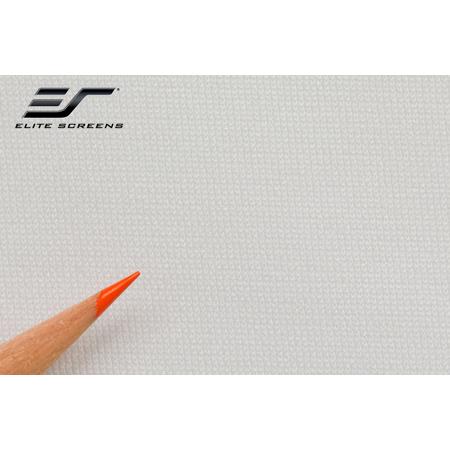
Selecting the right front projector screen involves a thoughtful balance of factors tailored to the intended use and environment. Screen gain, a measure of reflectivity, plays a pivotal role in determining brightness and viewing angles; lower gain screens (typically between 0.8 and 1.0) provide wider viewing angles and enhanced contrast, making them particularly suitable for group settings or rooms where viewers may be seated off-center. Higher gain screens reflect more light directly back to the center, which can be advantageous in controlled lighting conditions but may limit side viewing. The color of the screen surface is another key consideration: classic white screens deliver bright, vivid images but can be susceptible to washout in rooms with significant ambient light, while gray or silver screens help maintain deeper blacks and improved contrast, especially in spaces where controlling lighting is a challenge. Aspect ratio is equally important—matching your screen to your projector’s output ensures that content is displayed without distortion, whether you’re enjoying widescreen movies in 2.35:1 format or streaming sports and TV shows in 16:9.
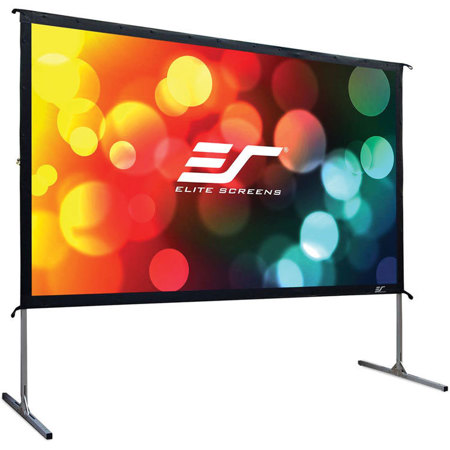
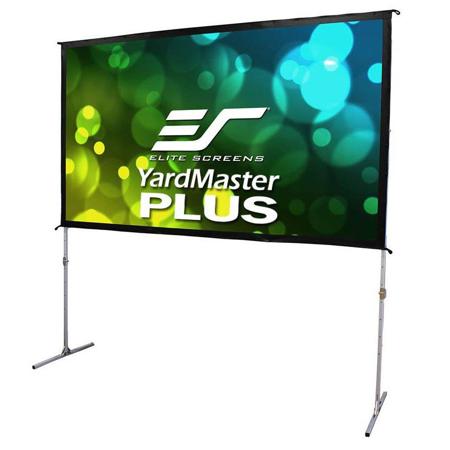
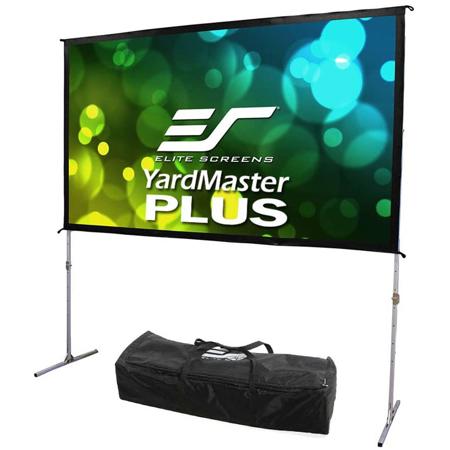
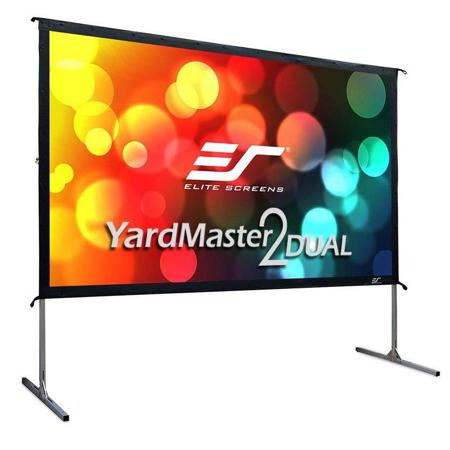
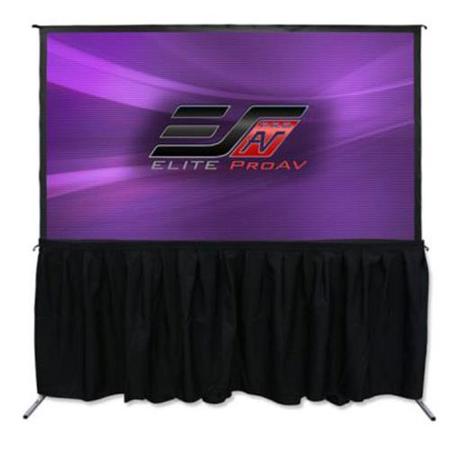
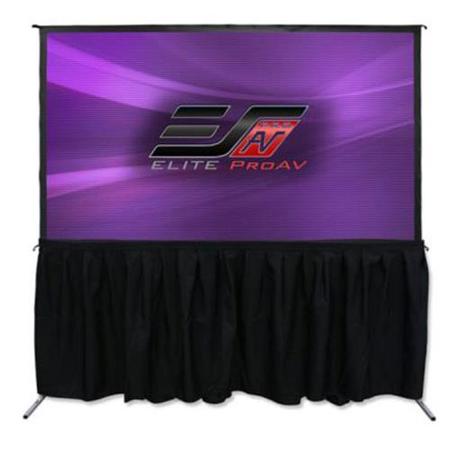
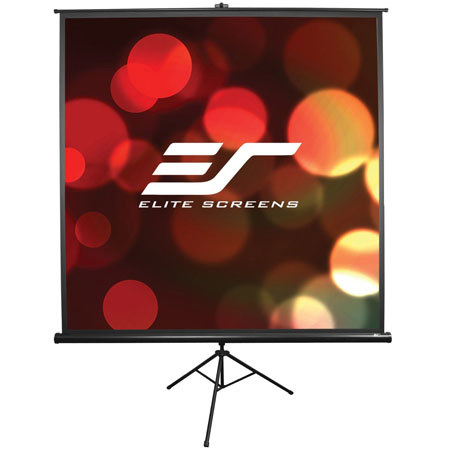
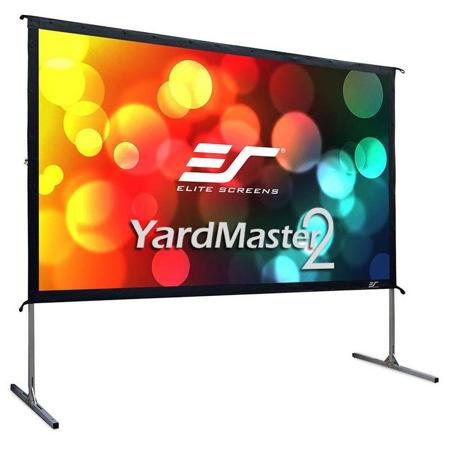
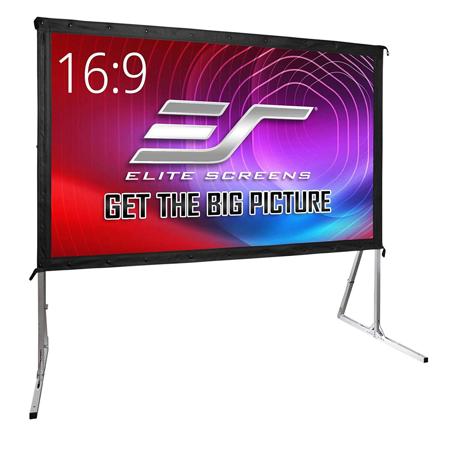
Front projection screens are a thoughtful gift for anyone passionate about movies, sports, or gaming, as well as for professionals seeking to upgrade their presentation environments. Picture a summer evening with friends, the scent of barbecue in the air as a portable projection screen transforms the backyard into a pop-up cinema under the stars. These screens are designed for quick assembly and lightweight transport, making them perfect for outdoor events, family reunions, or impromptu neighborhood movie nights. As the days grow cooler and gatherings move indoors, a fixed or retractable screen can bring everyone together for cozy movie marathons, gaming tournaments, or memorable holiday presentations. Ambient light rejecting (ALR) screens are particularly valuable in multi-purpose spaces where controlling room brightness isn’t always possible, as they absorb stray light and reflect only the projector’s beam, ensuring a clear image even during daylight hours. For those interested in expanding their viewing options beyond the living room, exploring the range of Outdoor Projection Screens can open up new possibilities for entertainment and community events. Whether you’re designing a professional conference room, upgrading a classroom, or simply looking to enhance your own viewing experience at home, the right front projector screen can make every image more vivid, every detail sharper, and every moment more memorable.
Selecting the right front projector screen involves a thoughtful balance of factors tailored to the intended use and environment. Screen gain, a measure of reflectivity, plays a pivotal role in determining brightness and viewing angles; lower gain screens (typically between 0.8 and 1.0) provide wider viewing angles and enhanced contrast, making them particularly suitable for group settings or rooms where viewers may be seated off-center. Higher gain screens reflect more light directly back to the center, which can be advantageous in controlled lighting conditions but may limit side viewing. The color of the screen surface is another key consideration: classic white screens deliver bright, vivid images but can be susceptible to washout in rooms with significant ambient light, while gray or silver screens help maintain deeper blacks and improved contrast, especially in spaces where controlling lighting is a challenge. Aspect ratio is equally important—matching your screen to your projector’s output ensures that content is displayed without distortion, whether you’re enjoying widescreen movies in 2.35:1 format or streaming sports and TV shows in 16:9.
Front projection screens are a thoughtful gift for anyone passionate about movies, sports, or gaming, as well as for professionals seeking to upgrade their presentation environments. Picture a summer evening with friends, the scent of barbecue in the air as a portable projection screen transforms the backyard into a pop-up cinema under the stars. These screens are designed for quick assembly and lightweight transport, making them perfect for outdoor events, family reunions, or impromptu neighborhood movie nights. As the days grow cooler and gatherings move indoors, a fixed or retractable screen can bring everyone together for cozy movie marathons, gaming tournaments, or memorable holiday presentations. Ambient light rejecting (ALR) screens are particularly valuable in multi-purpose spaces where controlling room brightness isn’t always possible, as they absorb stray light and reflect only the projector’s beam, ensuring a clear image even during daylight hours. For those interested in expanding their viewing options beyond the living room, exploring the range of Outdoor Projection Screens can open up new possibilities for entertainment and community events. Whether you’re designing a professional conference room, upgrading a classroom, or simply looking to enhance your own viewing experience at home, the right front projector screen can make every image more vivid, every detail sharper, and every moment more memorable.