
Full Spectrum Filter Photography
Full spectrum filter photography opens a world of creative and technical possibilities for photographers who are eager to explore beyond the boundaries of conventional imaging. By using a camera that has been modified to capture ultraviolet (UV), visible, and infrared (IR) light, you can reveal details and effects that are invisible to the naked eye. This approach is especially popular among artists seeking surreal, dreamlike landscapes—imagine winter trees glowing with an ethereal white against a dramatic, near-black sky, or delicate flower petals revealing intricate patterns only visible under UV light. Full spectrum filters are also invaluable for scientific and forensic imaging, allowing researchers to analyze surfaces, artwork, or biological specimens in ways standard cameras simply cannot. As the crisp winter light of January casts long shadows and highlights subtle textures, photographers can use full spectrum filters to capture the unique interplay of IR and UV reflections on snow, ice, and bare trees, adding a new dimension to seasonal photography.
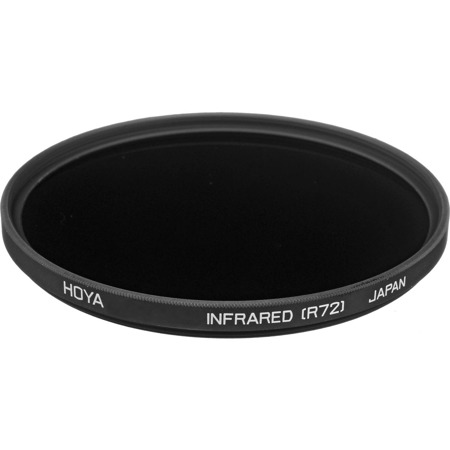
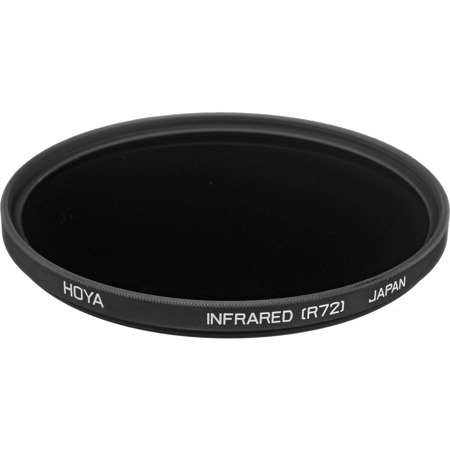
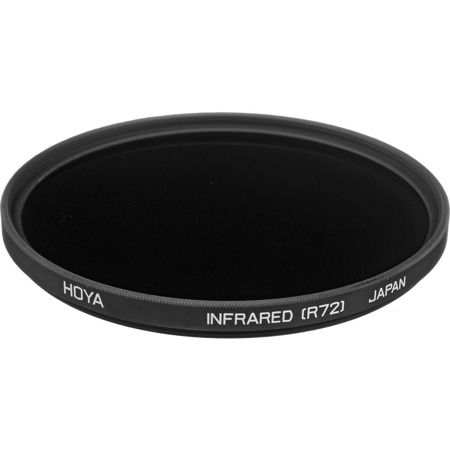
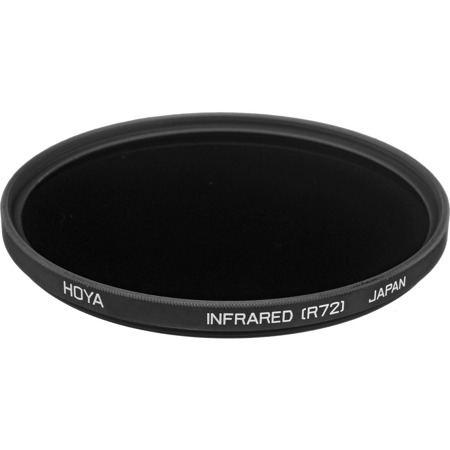
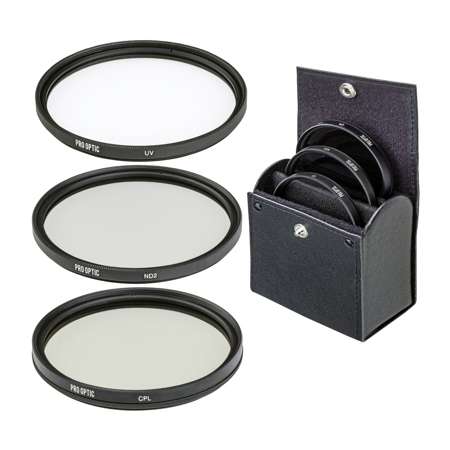
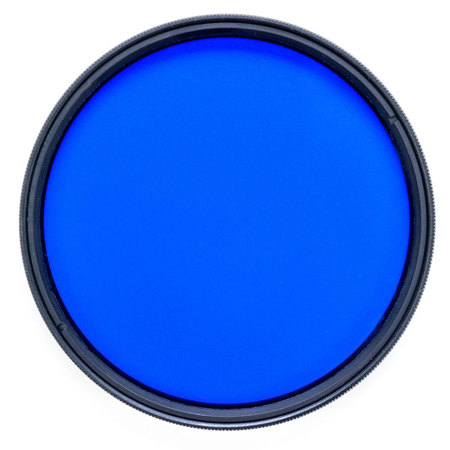
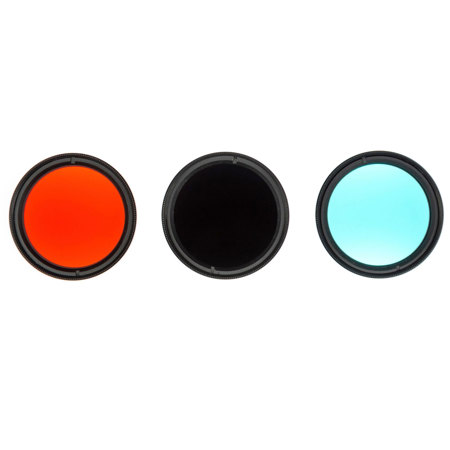
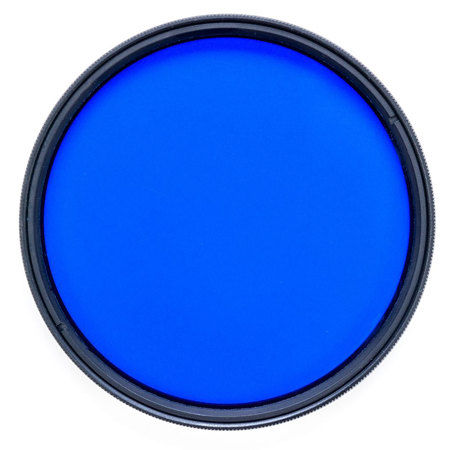
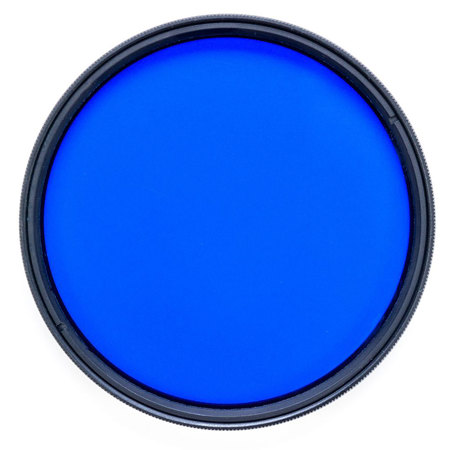
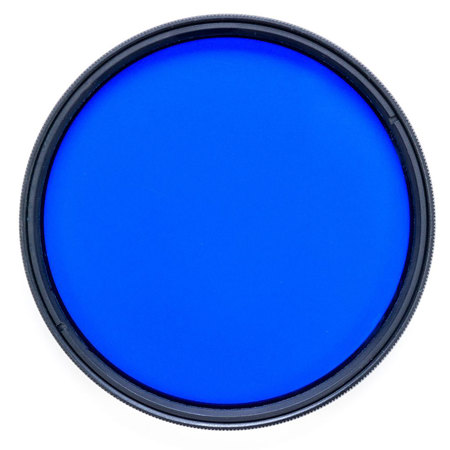
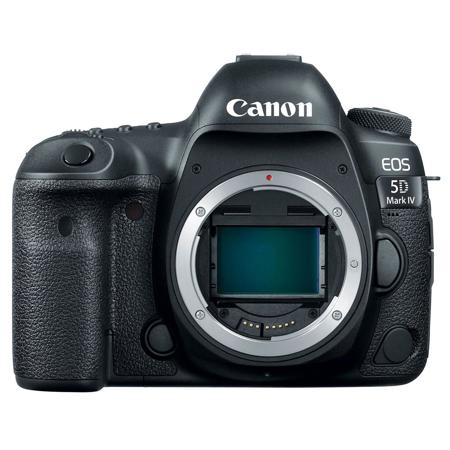
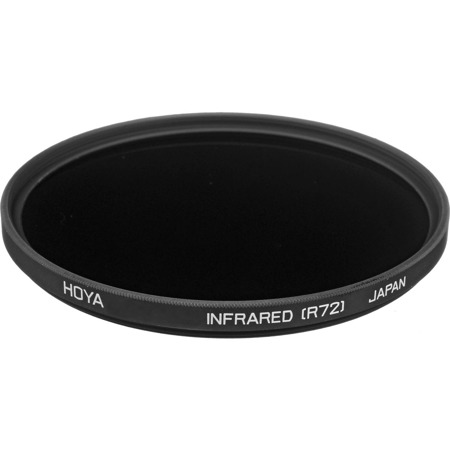
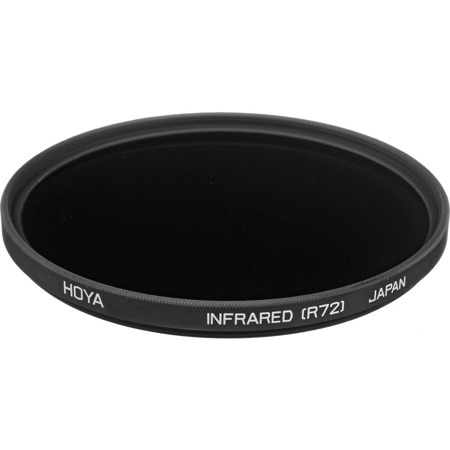
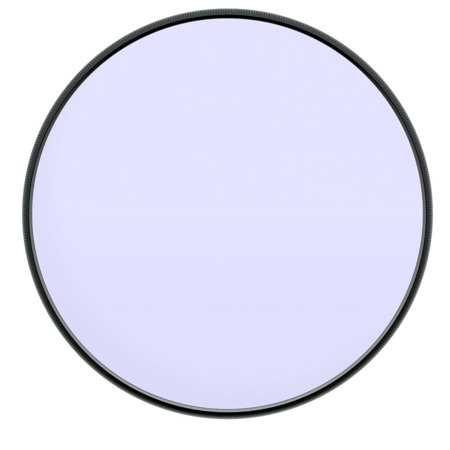
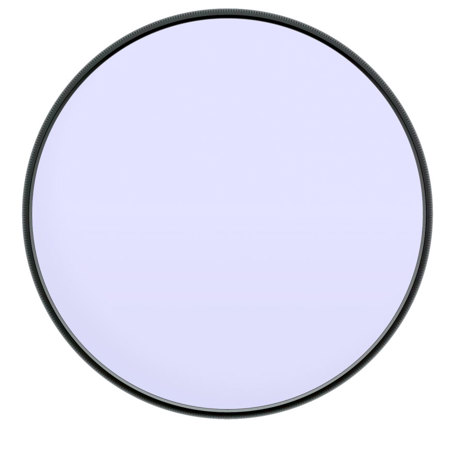
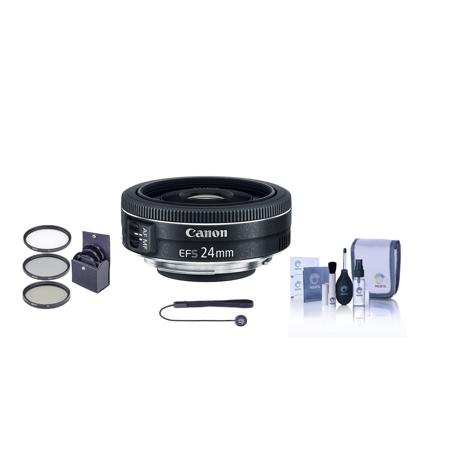
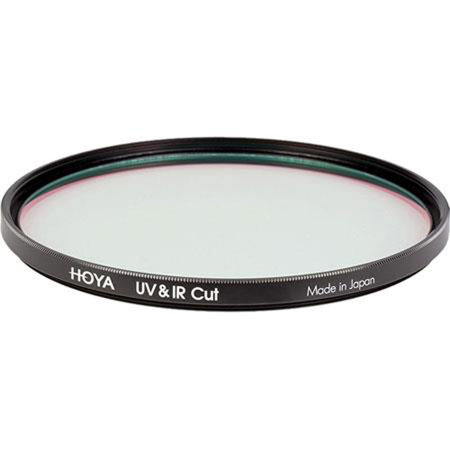
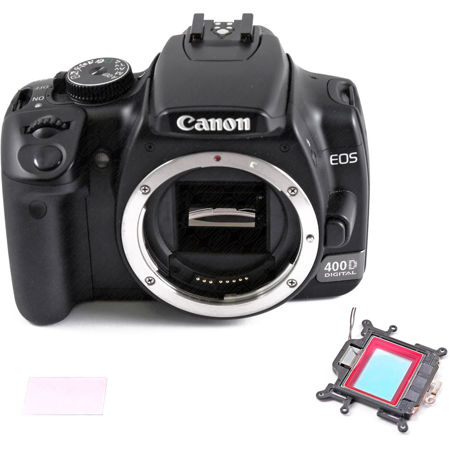
When considering full spectrum filter photography, it’s important to understand the technical requirements and creative opportunities. The process begins with a camera conversion, where the internal IR-cut filter is replaced with clear glass, allowing the sensor to record light across a much broader spectrum. This modification is most effective with mirrorless cameras, as their electronic viewfinders and live screens display the effects of IR or UV filters in real time, making composition and focusing much easier compared to DSLRs. Once converted, the camera becomes a versatile tool, ready to accept a range of external filters: an opaque IR filter for classic infrared landscapes, a UV-pass filter for botanical or forensic detail, or a “hot mirror” filter to restore standard color photography. Each filter unlocks a new visual language, but it also means you’ll need to invest in a selection of high-quality filters and be prepared for some trial and error in post-processing to achieve the desired look. For those just starting out or looking to expand their kit, our curated selection on this page offers reliable options for every level of expertise. If you’re interested in exploring more filter types for a variety of photographic effects, our Best Filters For Photography guide provides a comprehensive overview.
Full spectrum filter photography makes a thoughtful gift for creatives with a curiosity for experimentation or professionals in fields like fine art, botany, or law enforcement who require specialized imaging. It’s a rewarding pursuit for anyone who enjoys pushing the boundaries of visual storytelling—whether you’re capturing the subtle fluorescence of winter moss under UV light or transforming a familiar landscape into an otherworldly scene with infrared. While the initial investment in camera conversion and filters can be significant, the results are unlike anything achievable with standard equipment. As you venture into the world of full spectrum photography, you’ll discover new ways to interpret the world around you, capturing moments and details that would otherwise go unnoticed. With the right filters and a spirit of exploration, every season—especially the stark beauty of winter—becomes an opportunity to see and share the unseen.
When considering full spectrum filter photography, it’s important to understand the technical requirements and creative opportunities. The process begins with a camera conversion, where the internal IR-cut filter is replaced with clear glass, allowing the sensor to record light across a much broader spectrum. This modification is most effective with mirrorless cameras, as their electronic viewfinders and live screens display the effects of IR or UV filters in real time, making composition and focusing much easier compared to DSLRs. Once converted, the camera becomes a versatile tool, ready to accept a range of external filters: an opaque IR filter for classic infrared landscapes, a UV-pass filter for botanical or forensic detail, or a “hot mirror” filter to restore standard color photography. Each filter unlocks a new visual language, but it also means you’ll need to invest in a selection of high-quality filters and be prepared for some trial and error in post-processing to achieve the desired look. For those just starting out or looking to expand their kit, our curated selection on this page offers reliable options for every level of expertise. If you’re interested in exploring more filter types for a variety of photographic effects, our Best Filters For Photography guide provides a comprehensive overview.
Full spectrum filter photography makes a thoughtful gift for creatives with a curiosity for experimentation or professionals in fields like fine art, botany, or law enforcement who require specialized imaging. It’s a rewarding pursuit for anyone who enjoys pushing the boundaries of visual storytelling—whether you’re capturing the subtle fluorescence of winter moss under UV light or transforming a familiar landscape into an otherworldly scene with infrared. While the initial investment in camera conversion and filters can be significant, the results are unlike anything achievable with standard equipment. As you venture into the world of full spectrum photography, you’ll discover new ways to interpret the world around you, capturing moments and details that would otherwise go unnoticed. With the right filters and a spirit of exploration, every season—especially the stark beauty of winter—becomes an opportunity to see and share the unseen.