


Gifts For Adventure Travelers
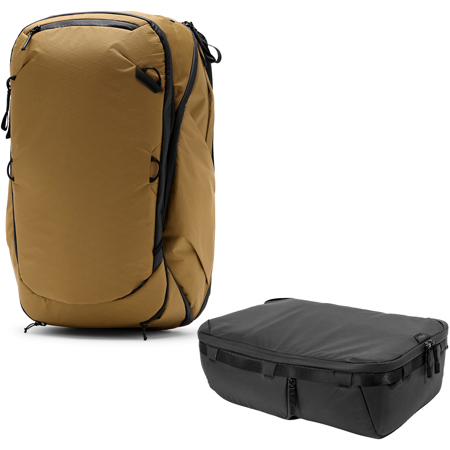
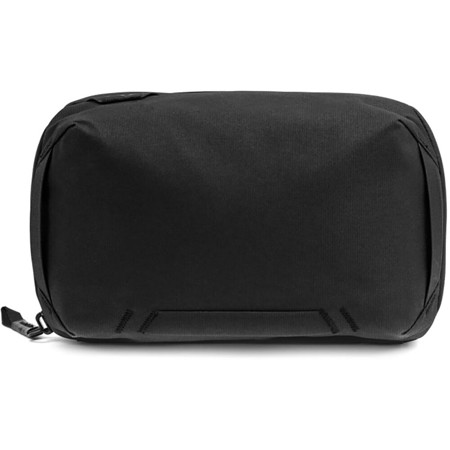
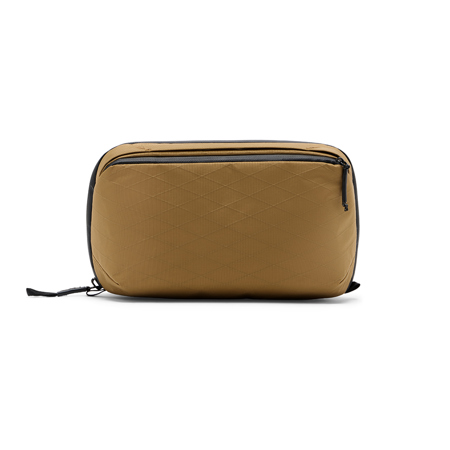
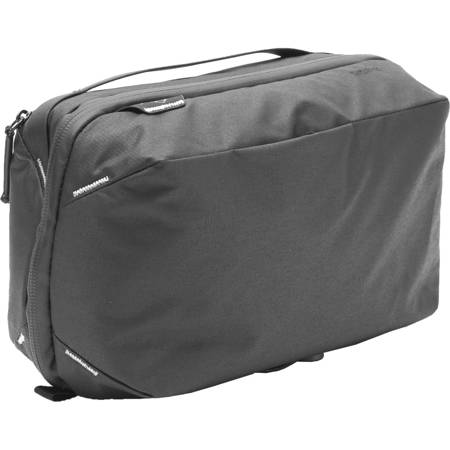
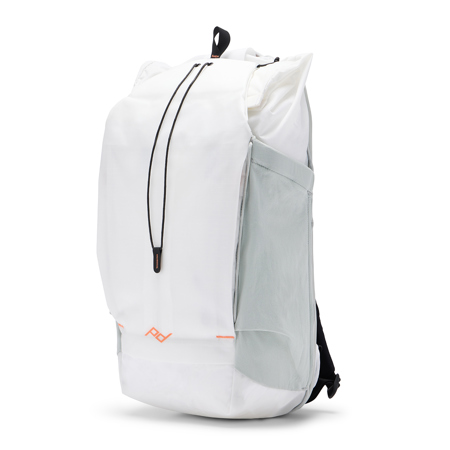
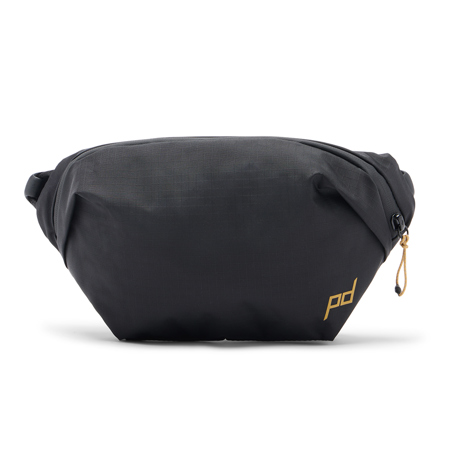
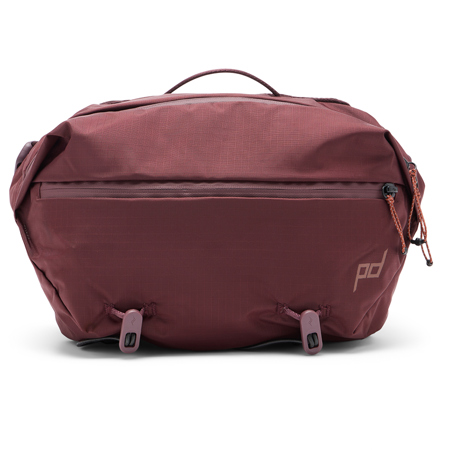
Gifts for adventure travelers are most useful when they combine manageable weight, dependable construction, and a clear purpose beyond the first outing. A thoughtful choice fits the way someone actually travels, whether that means hiking to a canyon overlook before sunrise, photographing wildlife from a small boat, or carrying everything needed for a week of train rides and walking tours. Compact dimensions matter, but so does usability: a lightweight accessory earns its place in a bag when it makes a familiar task easier without adding a complicated routine. For travelers who enjoy photography and video, useful gift categories include protective carrying gear, portable camera supports, power accessories, and tools for capturing clearer sound. The right balance depends on how the recipient works. Someone who photographs birds may value quick access and steady support more than the smallest possible packed size, while a traveler making short videos along a coastal trail may prefer a setup that can move easily between handheld shooting and a stationary position. Weight should be considered across the entire kit, including batteries, mounting hardware, and protective cases, rather than as an isolated specification. Shape matters, too: a compact accessory with awkward protrusions can be harder to pack than a slightly larger one with a smooth profile. Gifts that complement familiar equipment often become daily essentials because they solve an existing inconvenience, such as tangled cables, a camera shifting inside a day bag, or a battery running low before the afternoon walk. For birthdays, milestone journeys, and seasonal gift giving, that practical connection can make the gesture feel personal without requiring a complete change in the recipient’s equipment. The strongest gifts for adventure travelers suit both the destination and the ordinary moments between destinations, from organizing a charging cable at a crowded terminal to keeping a camera accessible when changing light turns an unplanned stop into a favorite photograph.
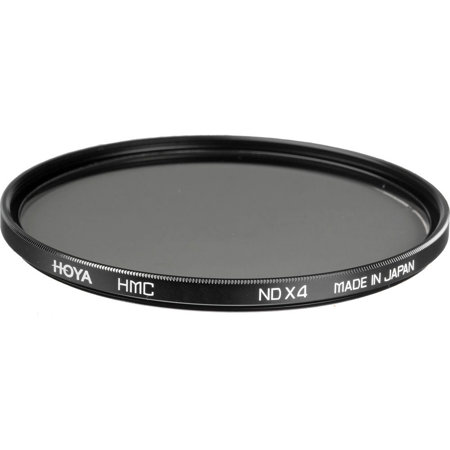
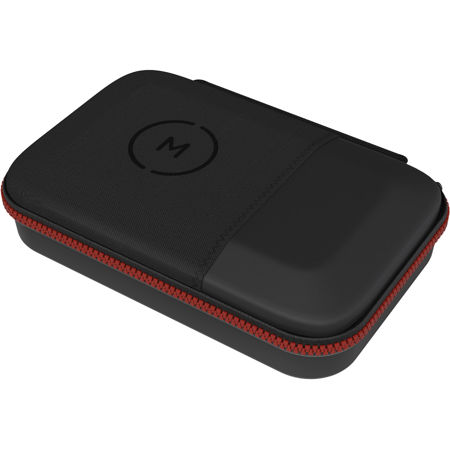
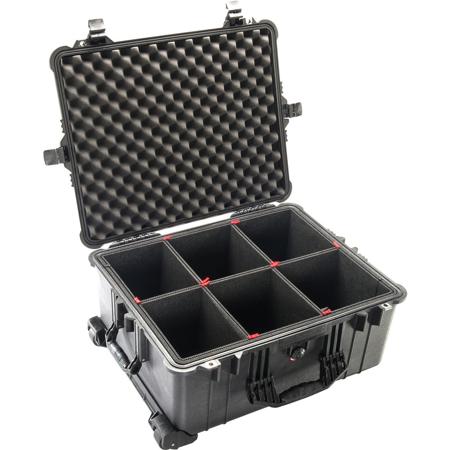
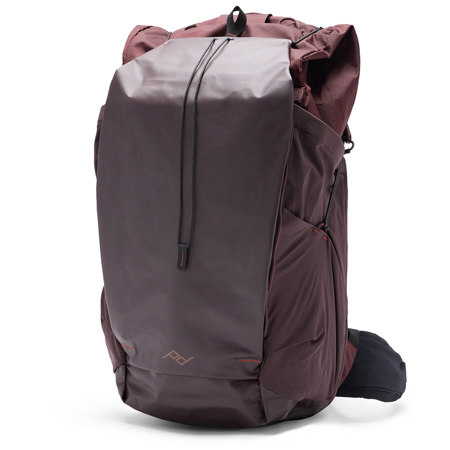
Materials, fit, and durability make a substantial difference once travel gear leaves the living room. Woven nylon and polyester are common in carrying gear because they can balance weight with resistance to abrasion, though fabric thickness alone does not establish how well a bag will hold up. Reinforced attachment points, neatly finished seams, dependable closures, and padding positioned around vulnerable equipment are equally important. A structured case can protect delicate contents from everyday knocks, while a softer organizer may fit more naturally between clothing and other belongings. Neither construction should be assumed to protect against every impact or exposure. Water resistance and waterproof protection are distinct claims, and protection depends on the stated rating, closure design, and intended use. A bag suitable for light drizzle is not automatically appropriate for an open boat or prolonged heavy rain. Fit deserves the same attention as fabric. Carrying gear should suit the recipient’s torso, preferred carrying position, and usual load, with adjustment that remains comfortable over a light shirt or a thicker outer layer during cooler weather. Camera compartments need enough room for the actual body and lens combination without allowing equipment to slide around. For portable supports, packed length, working height, load capacity, and stability all affect usefulness; a support that disappears into luggage may still be inconvenient if it requires constant crouching or cannot securely hold the intended setup. Aluminum and carbon fiber offer different balances of weight, rigidity, and handling, but joint design and locking mechanisms also influence performance. On uneven ground, secure placement matters more than an impressive specification on paper. Care requirements should match the traveler’s habits as well. Sand and grit can wear moving parts, salt residue needs prompt attention according to manufacturer instructions, and damp carrying gear should dry thoroughly before storage. Optical surfaces require appropriate cleaning materials rather than a shirt sleeve, especially after a dusty walk. A durable gift is not simply something that looks rugged; it is something suited to repeated use, straightforward maintenance, and the conditions the recipient is likely to encounter.
Compatibility and everyday handling are especially important for adventure travel gifts involving electronics or camera accessories. Matching connectors is only the beginning: charging requirements, supported power standards, mounting interfaces, and device dimensions can determine whether an accessory works as intended. A power source that charges a phone may not provide the output required by a larger device, and a mounting attachment must suit both the equipment and the way it will be carried. Travelers flying with spare lithium batteries should check airline rules and applicable capacity limits before departure, along with requirements for protecting terminals and carrying batteries in cabin baggage. For longer days outdoors, realistic power planning includes navigation, communication, and image capture rather than assuming every battery will be devoted to photography. Cold conditions can reduce battery performance, making protected storage and sensible charging habits worth considering. Controls also deserve attention. A closure that is easy to operate indoors may be frustrating with cold fingers, and an accessory that requires several loose pieces can become awkward on a windy overlook. Travelers who capture voices or natural sound may benefit from audio accessories designed for their devices and the expected wind conditions, while photographers may appreciate carrying arrangements that allow access without setting the entire bag on wet ground. Equipment should still be secured before climbing, boarding a boat, or moving through difficult terrain; quick access is useful only when it does not interfere with safe movement. For two people who share routes, luggage space, and time behind the camera, Gifts for Adventurous Couples offers a related theme for celebrating shared journeys. Shared use adds another consideration: adjustable fit and compatibility with both travelers’ equipment can make a gift more versatile than something tailored to just one setup. Ultimately, adventure travel gear feels well chosen when it respects the recipient’s pace. Some travelers pause for an hour to photograph a changing sky; others want a quick picture before continuing along the trail. Gifts that support those habits, pack neatly, and remain comfortable through a full day have a purpose that extends well beyond a single itinerary.
Materials, fit, and durability make a substantial difference once travel gear leaves the living room. Woven nylon and polyester are common in carrying gear because they can balance weight with resistance to abrasion, though fabric thickness alone does not establish how well a bag will hold up. Reinforced attachment points, neatly finished seams, dependable closures, and padding positioned around vulnerable equipment are equally important. A structured case can protect delicate contents from everyday knocks, while a softer organizer may fit more naturally between clothing and other belongings. Neither construction should be assumed to protect against every impact or exposure. Water resistance and waterproof protection are distinct claims, and protection depends on the stated rating, closure design, and intended use. A bag suitable for light drizzle is not automatically appropriate for an open boat or prolonged heavy rain. Fit deserves the same attention as fabric. Carrying gear should suit the recipient’s torso, preferred carrying position, and usual load, with adjustment that remains comfortable over a light shirt or a thicker outer layer during cooler weather. Camera compartments need enough room for the actual body and lens combination without allowing equipment to slide around. For portable supports, packed length, working height, load capacity, and stability all affect usefulness; a support that disappears into luggage may still be inconvenient if it requires constant crouching or cannot securely hold the intended setup. Aluminum and carbon fiber offer different balances of weight, rigidity, and handling, but joint design and locking mechanisms also influence performance. On uneven ground, secure placement matters more than an impressive specification on paper. Care requirements should match the traveler’s habits as well. Sand and grit can wear moving parts, salt residue needs prompt attention according to manufacturer instructions, and damp carrying gear should dry thoroughly before storage. Optical surfaces require appropriate cleaning materials rather than a shirt sleeve, especially after a dusty walk. A durable gift is not simply something that looks rugged; it is something suited to repeated use, straightforward maintenance, and the conditions the recipient is likely to encounter.
Compatibility and everyday handling are especially important for adventure travel gifts involving electronics or camera accessories. Matching connectors is only the beginning: charging requirements, supported power standards, mounting interfaces, and device dimensions can determine whether an accessory works as intended. A power source that charges a phone may not provide the output required by a larger device, and a mounting attachment must suit both the equipment and the way it will be carried. Travelers flying with spare lithium batteries should check airline rules and applicable capacity limits before departure, along with requirements for protecting terminals and carrying batteries in cabin baggage. For longer days outdoors, realistic power planning includes navigation, communication, and image capture rather than assuming every battery will be devoted to photography. Cold conditions can reduce battery performance, making protected storage and sensible charging habits worth considering. Controls also deserve attention. A closure that is easy to operate indoors may be frustrating with cold fingers, and an accessory that requires several loose pieces can become awkward on a windy overlook. Travelers who capture voices or natural sound may benefit from audio accessories designed for their devices and the expected wind conditions, while photographers may appreciate carrying arrangements that allow access without setting the entire bag on wet ground. Equipment should still be secured before climbing, boarding a boat, or moving through difficult terrain; quick access is useful only when it does not interfere with safe movement. For two people who share routes, luggage space, and time behind the camera, Gifts for Adventurous Couples offers a related theme for celebrating shared journeys. Shared use adds another consideration: adjustable fit and compatibility with both travelers’ equipment can make a gift more versatile than something tailored to just one setup. Ultimately, adventure travel gear feels well chosen when it respects the recipient’s pace. Some travelers pause for an hour to photograph a changing sky; others want a quick picture before continuing along the trail. Gifts that support those habits, pack neatly, and remain comfortable through a full day have a purpose that extends well beyond a single itinerary.