















Guitar Strings For Beginners
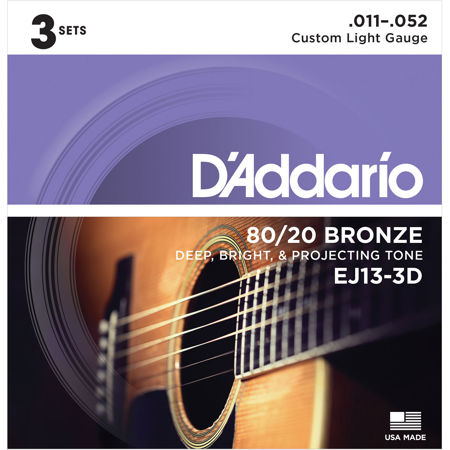
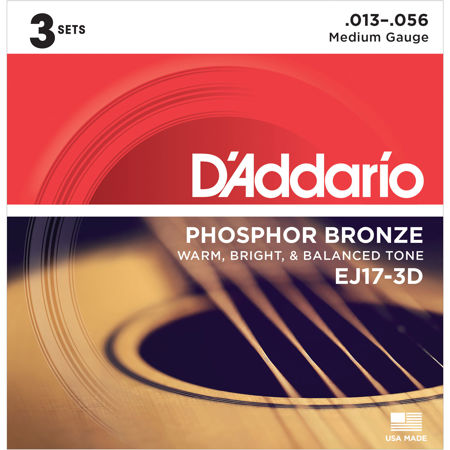
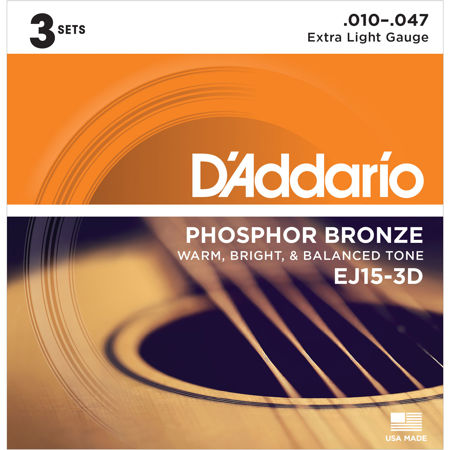
Guitar strings for beginners should suit the instrument first, then offer a comfortable balance of tension, tone, and response. For many new players, light or extra-light strings make fretting notes and forming chords less demanding than heavier strings on the same guitar. Gauge describes string thickness, usually measured in thousandths of an inch; a set marked 10–47 runs from a .010-inch first string to a .047-inch sixth string. Those numbers are more useful than labels alone, since descriptions such as “light” can vary between string families and manufacturers. For a steel-string acoustic guitar, extra-light 10–47 or lighter 11–52 sets can be approachable choices for practicing chord changes, gentle strumming, and simple melodies. Standard light sets around 12–53 are also common, offering a fuller response and a firmer feel that some beginners prefer. Thinner strings generally require less force to press down, but comfort also depends on the guitar’s scale length, neck shape, and action—the distance between the strings and the frets. A guitar with excessively high action can remain difficult to play even with a lighter set. Acoustic string materials contribute another layer of character: 80/20 bronze often has a bright, crisp sound, while phosphor bronze tends toward warmth with clear detail. Both are familiar choices for steel-string acoustic instruments, whether the player is accompanying a voice, learning fingerpicked patterns, or practicing steady rhythm. A lighter set can make the difference between a chord that feels like a wrestling match and one that allows a relaxed hand position, though some fingertip tenderness is normal at first. Players with an energetic strumming motion may appreciate the resistance of a slightly heavier set, while those working on quiet, deliberate chord changes may favor a lighter touch. The most suitable beginner acoustic guitar strings are therefore not simply the thinnest ones; they are strings that fit the guitar and respond comfortably to the way it is played.
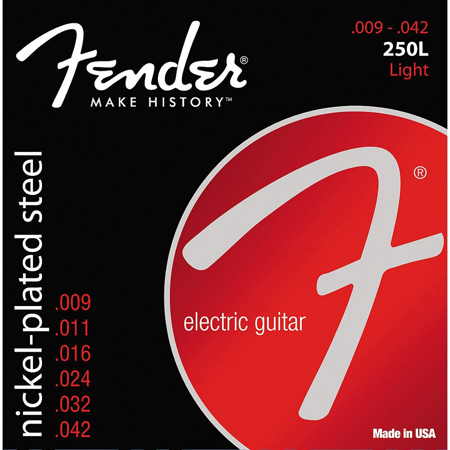
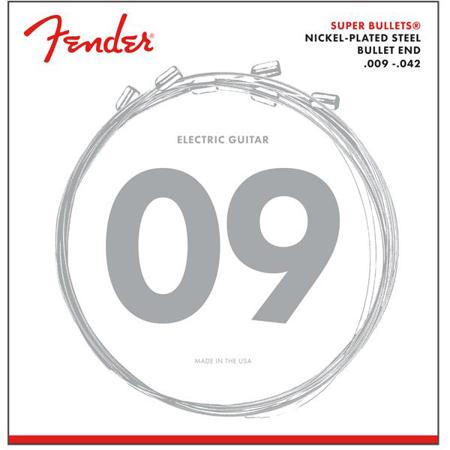
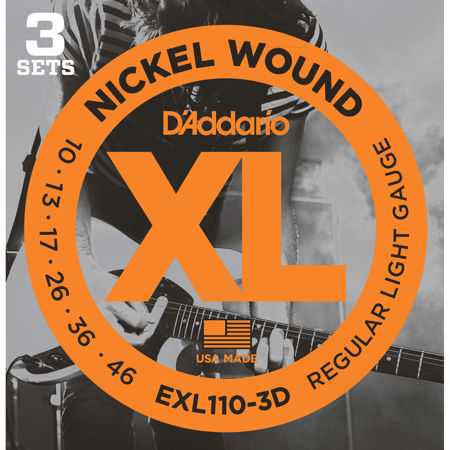
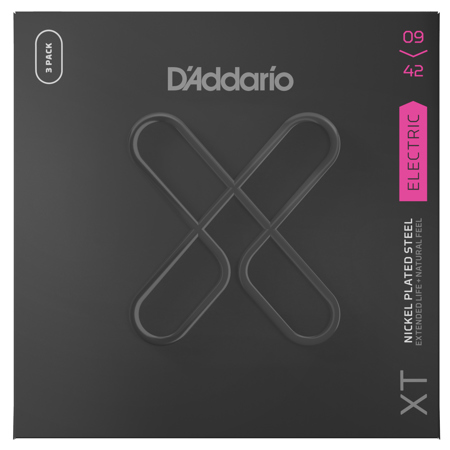
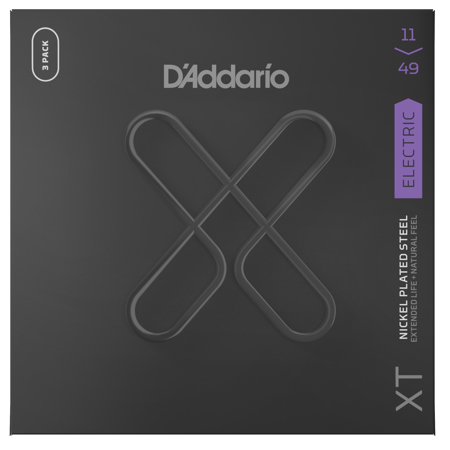
Beginner electric guitar strings commonly come in 9–42 and 10–46 gauges, two useful starting points for standard tuning on many six-string instruments. A 9–42 set usually feels easier to bend and fret, making it appealing for first lead lines, sustained notes, and basic chord work. A 10–46 set adds a little resistance under the fingers, which can feel more controlled to someone who presses firmly or strikes the strings with a stronger attack. Neither gauge guarantees better tuning stability on its own; proper installation, the condition of the nut and bridge, and the player’s touch all matter. Very light strings can sound sharp when squeezed harder than necessary, so a comfortable set should encourage clean notes without an excessive grip. Nickel-plated steel is a common electric string material, pairing steel cores with nickel-plated winding wire on the wound strings for a versatile sound and familiar feel. Pure nickel winding can produce a warmer character, while stainless steel winding often sounds brighter and feels different beneath the fingertips. Electric guitar string sets are designed to work with magnetic pickup systems, so an acoustic set with a similar gauge is not automatically an equivalent substitute. Roundwound strings have a textured surface and a lively response suited to a wide range of styles. Flatwound alternatives feel smoother and generally sound mellower, though their tension and flexibility vary by construction and gauge. For someone choosing an instrument alongside strings, an electric guitar for beginners provides the starting point for matching string gauge to scale length, bridge design, and playing goals. Longer-scale guitars generally place the same strings under more tension at the same tuning than shorter-scale guitars. Floating tremolo bridges can also need adjustment after a gauge change. Staying near the instrument manufacturer’s suggested gauge is often a straightforward choice for early practice, particularly when the goal is reliable chord work rather than alternate tunings or dramatic bends.
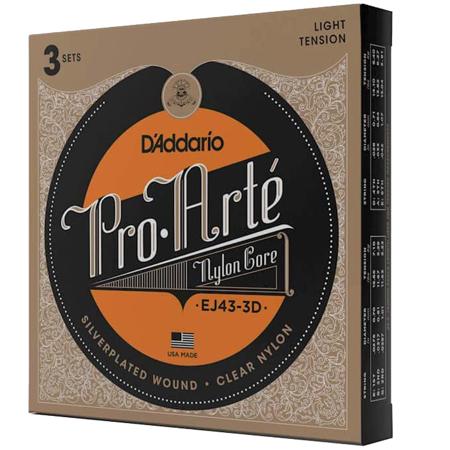
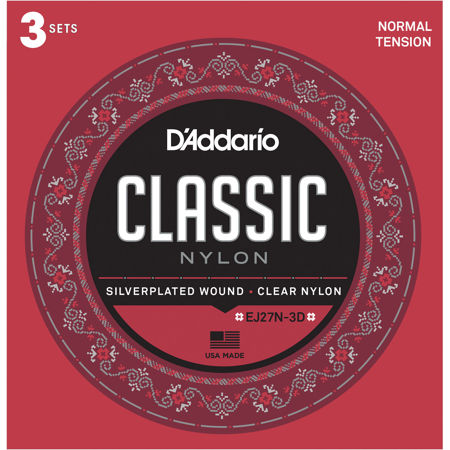
Classical guitar strings belong to a different family and should be matched to guitars designed for nylon strings. Normal-tension nylon sets are a common beginner choice, offering a relatively yielding feel for learning fingerstyle patterns, reading music, or accompanying songs. Their treble strings are typically nylon or another suitable synthetic material, while the bass strings usually have metal winding over a multifilament core. This construction gives the bass notes depth without turning the set into steel-string acoustic strings. Steel strings should not be installed on a classical guitar unless its manufacturer explicitly permits them, because the added tension can damage the instrument. String-end design matters, too: many classical bridges use tie-end strings, while other instruments call for ball-end attachments. Smaller student guitars may require strings intended for their scale length rather than simply a standard set in a lighter tension. Across acoustic, electric, and classical instruments, durability depends on playing time, hand moisture, construction, and care. Coated strings use a protective layer to help slow corrosion and the buildup of residue, which can be useful for frequent practice or players whose hands leave strings feeling rough quickly. Uncoated strings offer a direct, familiar surface feel that many players enjoy, but neither construction lasts indefinitely. Wiping strings with a clean, dry cloth after playing and starting practice with clean hands can help preserve their feel and sound. Dull tone, visible corrosion, rough patches, and persistent tuning trouble can signal that a replacement set is due, although tuning issues may also come from the guitar itself. Fresh strings need time to settle, especially nylon, and careful installation matters as much as material choice. For a beginner receiving strings as a gift, matching the guitar type, string count, gauge, and attachment style is more helpful than choosing by packaging alone. A compatible set supports the ordinary moments that build confidence: a first clear chord, a melody played without stopping, or a practice session where the hands stay relaxed enough to concentrate on the music.
Beginner electric guitar strings commonly come in 9–42 and 10–46 gauges, two useful starting points for standard tuning on many six-string instruments. A 9–42 set usually feels easier to bend and fret, making it appealing for first lead lines, sustained notes, and basic chord work. A 10–46 set adds a little resistance under the fingers, which can feel more controlled to someone who presses firmly or strikes the strings with a stronger attack. Neither gauge guarantees better tuning stability on its own; proper installation, the condition of the nut and bridge, and the player’s touch all matter. Very light strings can sound sharp when squeezed harder than necessary, so a comfortable set should encourage clean notes without an excessive grip. Nickel-plated steel is a common electric string material, pairing steel cores with nickel-plated winding wire on the wound strings for a versatile sound and familiar feel. Pure nickel winding can produce a warmer character, while stainless steel winding often sounds brighter and feels different beneath the fingertips. Electric guitar string sets are designed to work with magnetic pickup systems, so an acoustic set with a similar gauge is not automatically an equivalent substitute. Roundwound strings have a textured surface and a lively response suited to a wide range of styles. Flatwound alternatives feel smoother and generally sound mellower, though their tension and flexibility vary by construction and gauge. For someone choosing an instrument alongside strings, an electric guitar for beginners provides the starting point for matching string gauge to scale length, bridge design, and playing goals. Longer-scale guitars generally place the same strings under more tension at the same tuning than shorter-scale guitars. Floating tremolo bridges can also need adjustment after a gauge change. Staying near the instrument manufacturer’s suggested gauge is often a straightforward choice for early practice, particularly when the goal is reliable chord work rather than alternate tunings or dramatic bends.
Classical guitar strings belong to a different family and should be matched to guitars designed for nylon strings. Normal-tension nylon sets are a common beginner choice, offering a relatively yielding feel for learning fingerstyle patterns, reading music, or accompanying songs. Their treble strings are typically nylon or another suitable synthetic material, while the bass strings usually have metal winding over a multifilament core. This construction gives the bass notes depth without turning the set into steel-string acoustic strings. Steel strings should not be installed on a classical guitar unless its manufacturer explicitly permits them, because the added tension can damage the instrument. String-end design matters, too: many classical bridges use tie-end strings, while other instruments call for ball-end attachments. Smaller student guitars may require strings intended for their scale length rather than simply a standard set in a lighter tension. Across acoustic, electric, and classical instruments, durability depends on playing time, hand moisture, construction, and care. Coated strings use a protective layer to help slow corrosion and the buildup of residue, which can be useful for frequent practice or players whose hands leave strings feeling rough quickly. Uncoated strings offer a direct, familiar surface feel that many players enjoy, but neither construction lasts indefinitely. Wiping strings with a clean, dry cloth after playing and starting practice with clean hands can help preserve their feel and sound. Dull tone, visible corrosion, rough patches, and persistent tuning trouble can signal that a replacement set is due, although tuning issues may also come from the guitar itself. Fresh strings need time to settle, especially nylon, and careful installation matters as much as material choice. For a beginner receiving strings as a gift, matching the guitar type, string count, gauge, and attachment style is more helpful than choosing by packaging alone. A compatible set supports the ordinary moments that build confidence: a first clear chord, a melody played without stopping, or a practice session where the hands stay relaxed enough to concentrate on the music.