

Gypsy Guitars
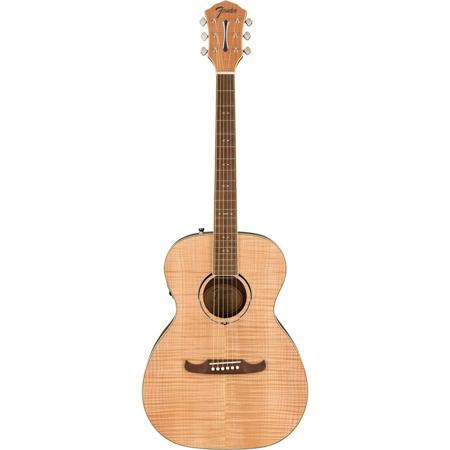
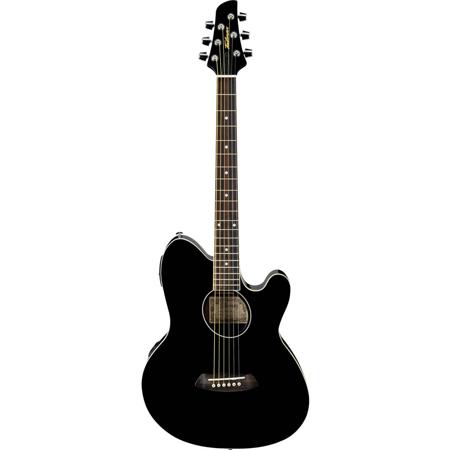
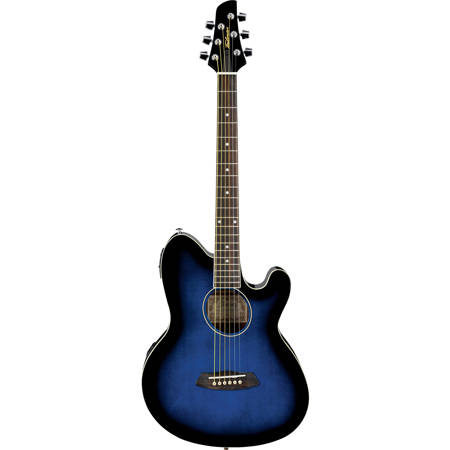
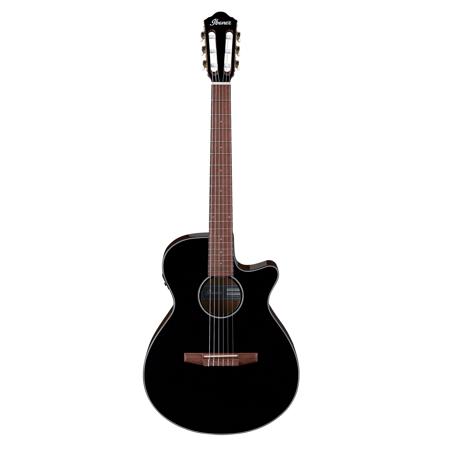
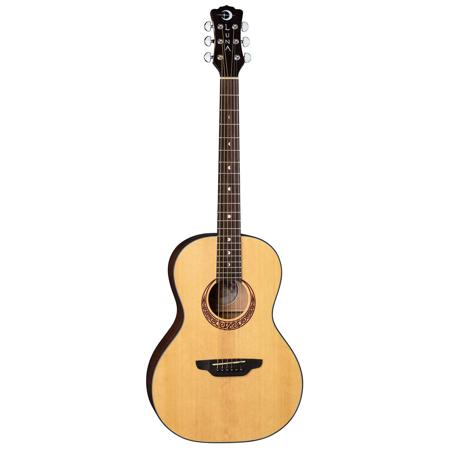
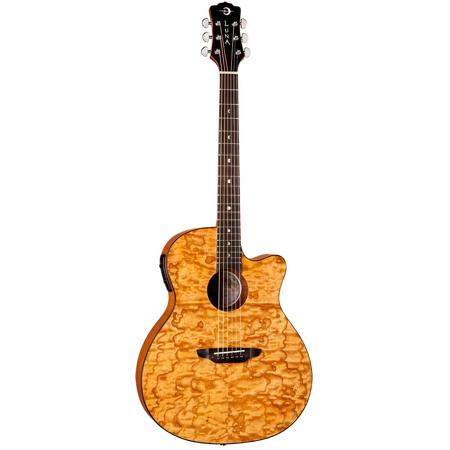
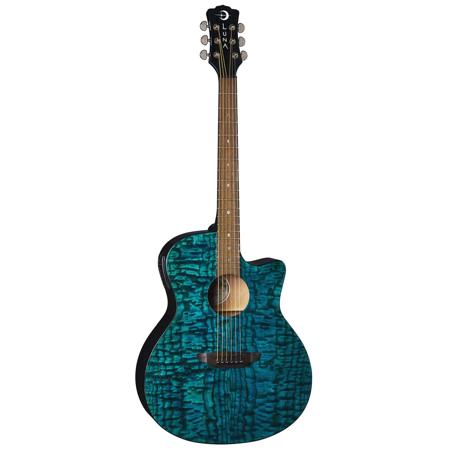
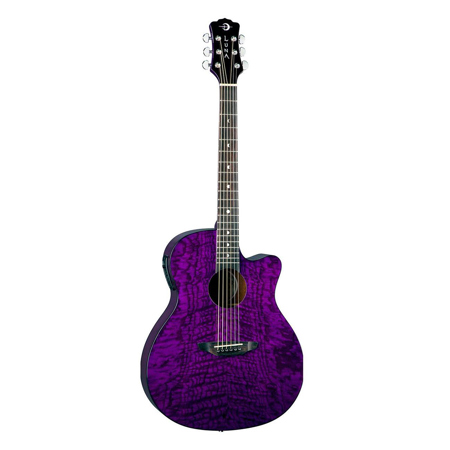
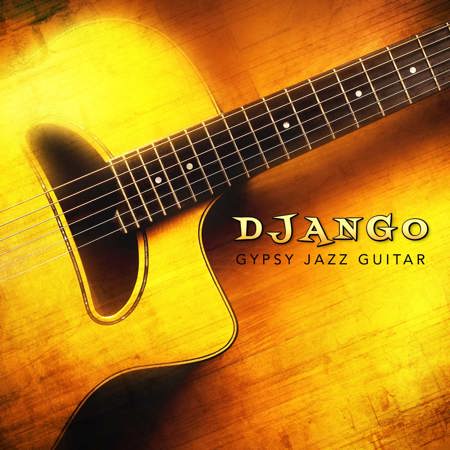
Gypsy guitars, also known as Manouche guitars, have a storied legacy rooted in the vibrant world of gypsy jazz, where their unmistakable voice and unique design have inspired generations of musicians. These instruments stand apart with their pear-shaped bodies, striking D-shaped (grande bouche) or oval (petite bouche) soundholes, and movable bridges that contribute to their signature crunchy, percussive sound. Originally crafted for projection in lively pre-amplification jazz bands, gypsy guitars are tailored for both rhythm and lead work, making them a favorite among players who appreciate expressive, dynamic tones. The wide neck and long-scale fingerboard accommodate the fast, articulate runs and rhythmic “chunking” techniques that define the genre, while silver-plated, high-tension strings and heavy picks (often 2mm or more) help deliver the punchy, barking volume required to cut through a bustling ensemble. Whether you’re an experienced jazz guitarist looking to capture the spirit of Django Reinhardt or a curious player eager to explore the rich textures of gypsy jazz, these guitars offer a gateway into a world where music is both communal and intensely personal.
Selecting the right gypsy guitar is a journey shaped by individual playing style, comfort, and desired sound. For those seeking to master the authentic techniques of gypsy jazz—like aggressive pick slanting, fast two-finger runs, and melodic embellishments—choosing a guitar with the appropriate neck width, scale length, and body resonance is essential. The movable bridge, reminiscent of a violin, allows for subtle adjustments to action and tone, making these instruments highly responsive to a player’s touch. As the weather warms and gatherings move outdoors, or during the cooler months when music brings warmth indoors, gypsy guitars become a natural centerpiece for jam sessions, performances, and creative exploration. Their bold projection and lively timbre make them ideal not only for jazz ensembles but also for solo artists and acoustic groups seeking a distinctive voice. These guitars also make thoughtful gifts for musicians who value craftsmanship, history, and a connection to the roots of jazz and swing. Whether presented to a seasoned performer or an aspiring guitarist, a gypsy guitar is more than an instrument—it’s an invitation to join a tradition of innovation and spirited musical conversation.
For those inspired to expand their collection or discover other expressive instruments, our curated selection of Artistic Guitars offers a variety of options that celebrate individuality and artistry. From classic designs to modern interpretations, explore instruments that capture the imagination and elevate your playing experience, no matter the season or occasion.
Selecting the right gypsy guitar is a journey shaped by individual playing style, comfort, and desired sound. For those seeking to master the authentic techniques of gypsy jazz—like aggressive pick slanting, fast two-finger runs, and melodic embellishments—choosing a guitar with the appropriate neck width, scale length, and body resonance is essential. The movable bridge, reminiscent of a violin, allows for subtle adjustments to action and tone, making these instruments highly responsive to a player’s touch. As the weather warms and gatherings move outdoors, or during the cooler months when music brings warmth indoors, gypsy guitars become a natural centerpiece for jam sessions, performances, and creative exploration. Their bold projection and lively timbre make them ideal not only for jazz ensembles but also for solo artists and acoustic groups seeking a distinctive voice. These guitars also make thoughtful gifts for musicians who value craftsmanship, history, and a connection to the roots of jazz and swing. Whether presented to a seasoned performer or an aspiring guitarist, a gypsy guitar is more than an instrument—it’s an invitation to join a tradition of innovation and spirited musical conversation.
For those inspired to expand their collection or discover other expressive instruments, our curated selection of Artistic Guitars offers a variety of options that celebrate individuality and artistry. From classic designs to modern interpretations, explore instruments that capture the imagination and elevate your playing experience, no matter the season or occasion.