Infrared Films
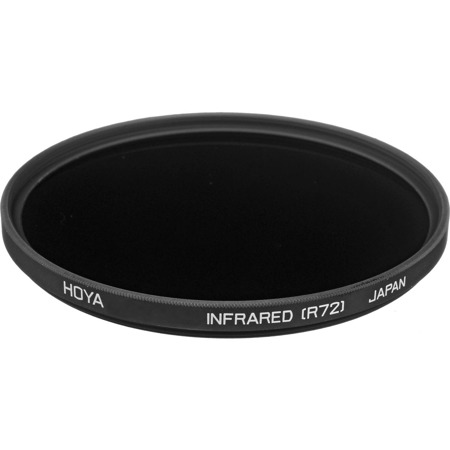
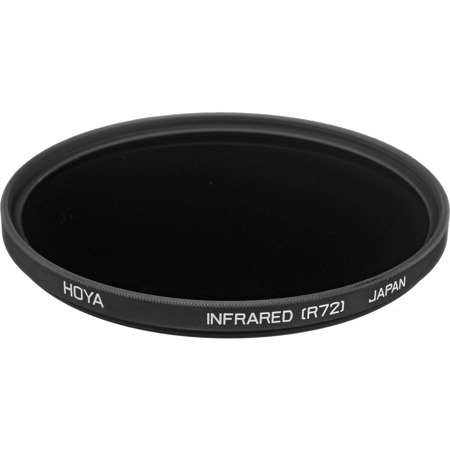
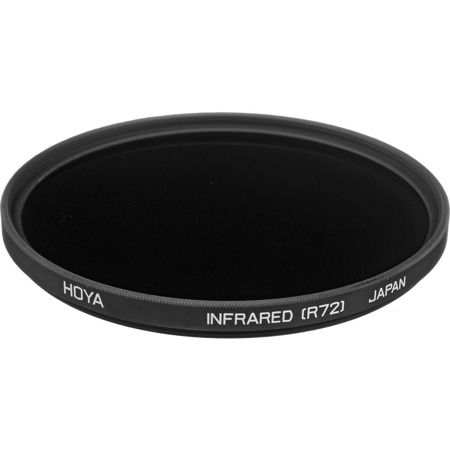
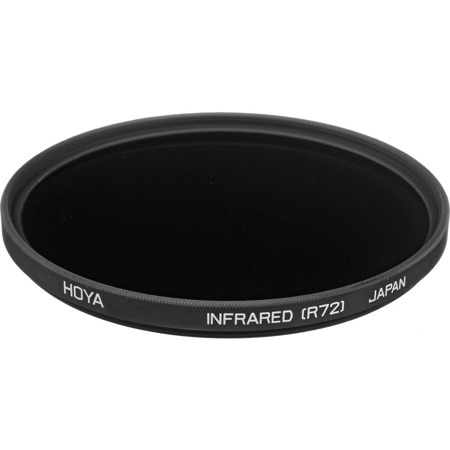
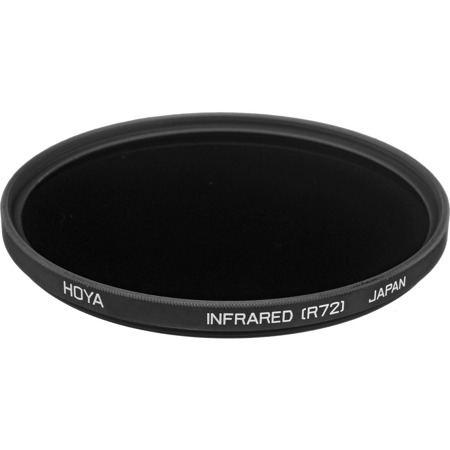
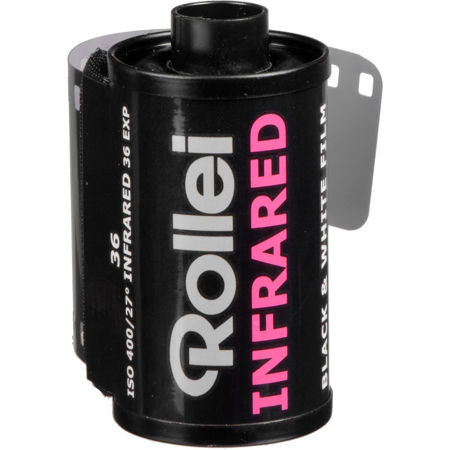
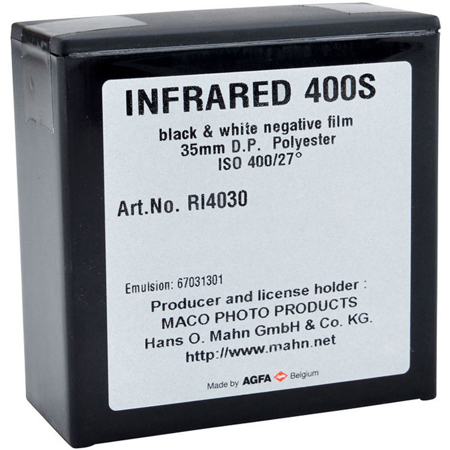
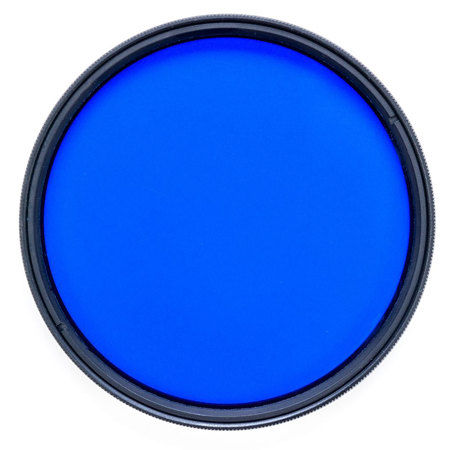
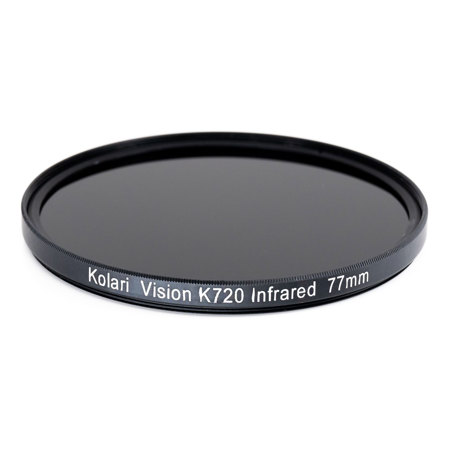
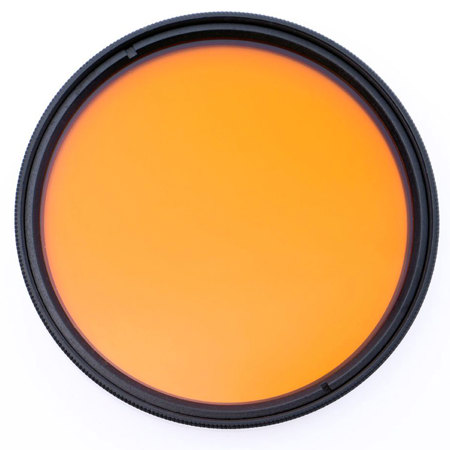
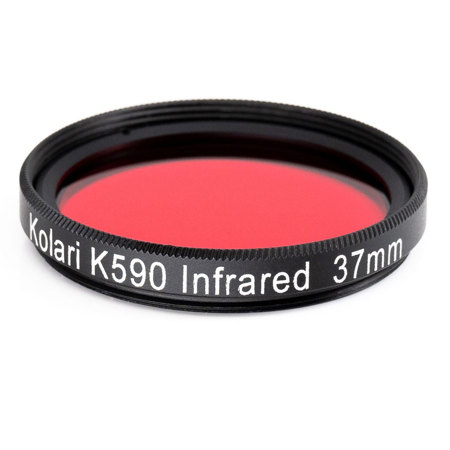
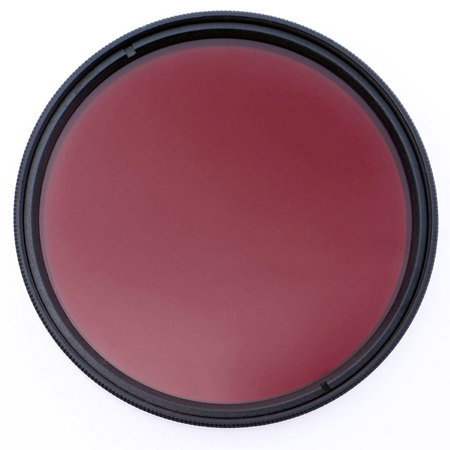
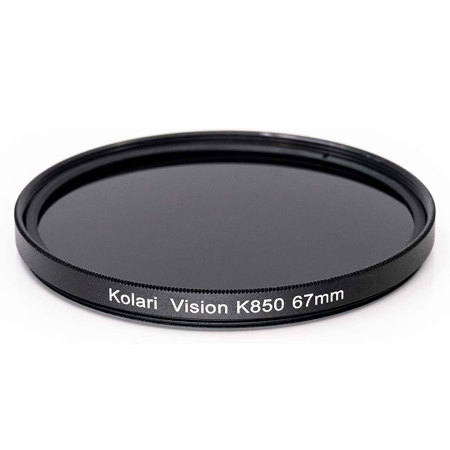
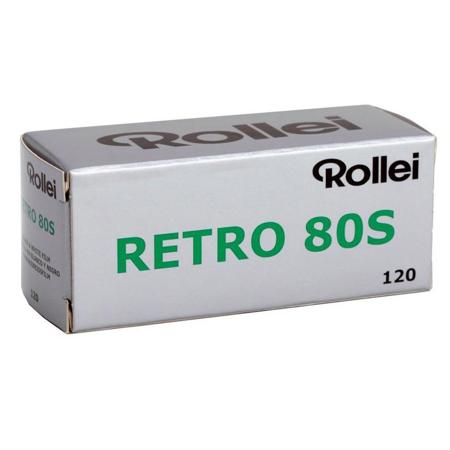
Infrared film holds a unique allure for photographers who crave images that transcend the ordinary, capturing a world just beyond the reach of human sight. Unlike conventional emulsions, infrared 35mm film and medium formats record wavelengths outside the visible spectrum, revealing ethereal dreamscapes where green foliage blazes white and skies plunge to dramatic, inky blacks—a signature known as the "wood effect." This surreal transformation isn’t just a technical trick; it’s a creative invitation, letting artists reimagine landscapes, architecture, and even portraits in ways that defy expectation. Whether you’re a seasoned analog enthusiast or a curious newcomer, working with IR film demands a thoughtful approach. Shooting in strong sunlight is essential, as infrared light is most abundant during the brightest hours. Specialized filters, such as deep red or dedicated infrared-passing filters, are crucial to isolate the effect, blocking visible light so only the invisible wavelengths shape your image. The experience is tactile and deliberate: focusing must be adjusted due to the different plane of infrared light, and exposure metering often requires a bit of mental math or bracketing, since the dense filters can reduce light by several stops. Many photographers find the process meditative, as it slows you down and encourages a deeper engagement with both your subject and your gear.
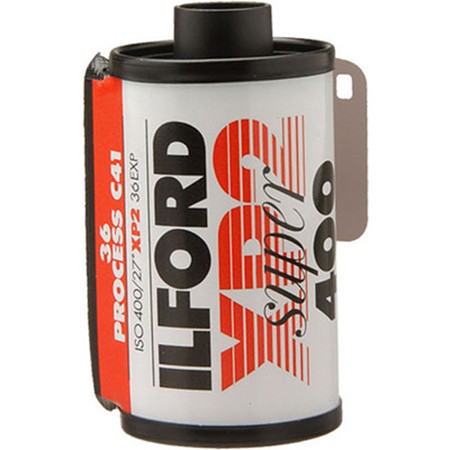
When considering infrared film for your next creative project or as a thoughtful gift, it’s wise to think about the recipient’s photographic interests and technical comfort. IR film is a favorite among landscape photographers, fine art creators, and anyone drawn to experimental or alternative processes. It’s also a compelling choice for those who appreciate the tactile rituals of analog photography—loading film in subdued light to avoid light piping, carefully composing each frame, and handling development with attention to the film’s unique requirements. Black-and-white infrared films are typically processed with standard chemistry, but communicating with your lab about your use of IR film ensures the best results. For those seeking a more psychedelic or color-shifted look, color infrared film or infared film stocks offer a palette where greens morph into vivid reds and purples, echoing the legendary aesthetics of discontinued classics. These films make memorable gifts for photographers who already have a collection of standard emulsions and are eager to push their creative boundaries. As the days stretch longer or begin to cool, the shifting quality of natural light offers new opportunities to experiment—whether capturing lush summer foliage glowing with the wood effect or autumn landscapes rendered in stark, otherworldly tones.
Infrared film is not just about technical mastery; it’s about discovery and surprise. Each roll holds the promise of images that reveal hidden dimensions in familiar scenes, making it ideal for artists, students, and adventurous hobbyists alike. The learning curve—managing exposure, focus, and careful handling—adds to the satisfaction of each successful frame. For those who love to compare the unpredictable magic of IR film with more traditional stocks, exploring the differences alongside options like Color Negative Films can deepen one’s appreciation for the full spectrum of analog photography. Whether you’re capturing sunlit landscapes, moody architecture, or experimental portraits, infrared film offers a singular experience that rewards patience, curiosity, and a willingness to see the world through a different lens. As the seasons shift, the interplay of light and foliage continues to inspire, ensuring that every outing with infrared film promises new creative possibilities and unforgettable results.
When considering infrared film for your next creative project or as a thoughtful gift, it’s wise to think about the recipient’s photographic interests and technical comfort. IR film is a favorite among landscape photographers, fine art creators, and anyone drawn to experimental or alternative processes. It’s also a compelling choice for those who appreciate the tactile rituals of analog photography—loading film in subdued light to avoid light piping, carefully composing each frame, and handling development with attention to the film’s unique requirements. Black-and-white infrared films are typically processed with standard chemistry, but communicating with your lab about your use of IR film ensures the best results. For those seeking a more psychedelic or color-shifted look, color infrared film or infared film stocks offer a palette where greens morph into vivid reds and purples, echoing the legendary aesthetics of discontinued classics. These films make memorable gifts for photographers who already have a collection of standard emulsions and are eager to push their creative boundaries. As the days stretch longer or begin to cool, the shifting quality of natural light offers new opportunities to experiment—whether capturing lush summer foliage glowing with the wood effect or autumn landscapes rendered in stark, otherworldly tones.
Infrared film is not just about technical mastery; it’s about discovery and surprise. Each roll holds the promise of images that reveal hidden dimensions in familiar scenes, making it ideal for artists, students, and adventurous hobbyists alike. The learning curve—managing exposure, focus, and careful handling—adds to the satisfaction of each successful frame. For those who love to compare the unpredictable magic of IR film with more traditional stocks, exploring the differences alongside options like Color Negative Films can deepen one’s appreciation for the full spectrum of analog photography. Whether you’re capturing sunlit landscapes, moody architecture, or experimental portraits, infrared film offers a singular experience that rewards patience, curiosity, and a willingness to see the world through a different lens. As the seasons shift, the interplay of light and foliage continues to inspire, ensuring that every outing with infrared film promises new creative possibilities and unforgettable results.