IR Sensors
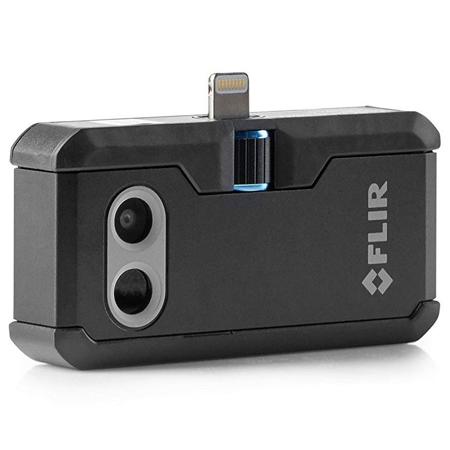
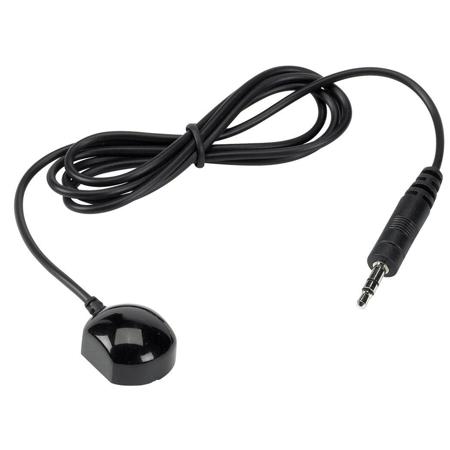
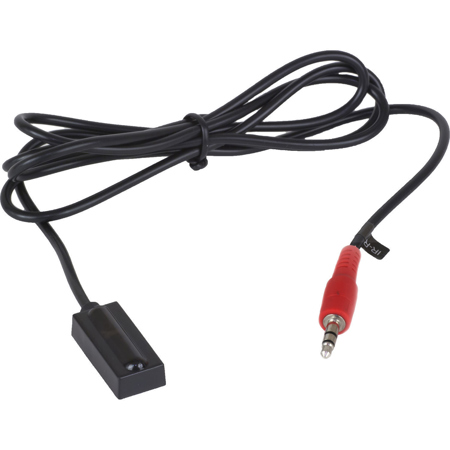
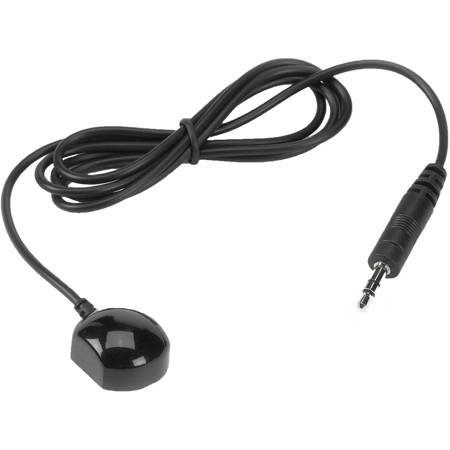
Infrared (IR) sensors have become a cornerstone in both creative and practical applications, seamlessly bridging the gap between technology and everyday life. As the weather warms and projects move from the workbench to outdoor spaces, IR sensors find their place in a diverse range of uses—from enhancing home security with motion detection to powering interactive art installations and robotics. These devices operate by emitting or detecting invisible infrared light, and their versatility is matched only by the breadth of environments in which they excel. For the hobbyist assembling a line-following robot, the engineer fine-tuning an automated assembly line, or the homeowner seeking reliable motion-activated lighting, IR sensors offer precision and reliability. Their ability to detect proximity, measure distance, and respond to movement makes them indispensable for tasks that demand both subtlety and accuracy. As summer brings longer days and more activity, IR sensors can help automate garden lighting, monitor entrances, or even add a touch of magic to outdoor gatherings by triggering sound or light displays in response to movement.
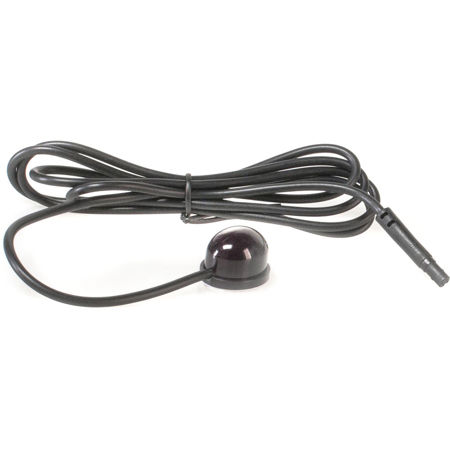
When considering which IR sensor best suits your needs, it helps to understand the distinction between active and passive models. Active IR sensors, which combine an emitter and a receiver, are ideal for applications where detecting the presence or distance of an object is key—think obstacle-avoiding robots or automatic doors. Passive IR (PIR) sensors, on the other hand, are tuned to the natural infrared energy emitted by people, animals, and other warm objects, making them a staple for security systems and energy-saving lighting solutions. The choice between these types often comes down to the specific demands of your project or environment. For those building custom electronics, modular IR sensor components allow for creative integration into both new and existing systems. Meanwhile, plug-and-play modules simplify setup for those who want reliable performance without the need for complex programming. IR sensors also make thoughtful gifts for tech enthusiasts, educators, and students—especially during a season when curiosity and experimentation tend to flourish. Whether it’s for a DIY home automation upgrade, a school science project, or a professional installation, these sensors empower users to interact with their surroundings in innovative ways.
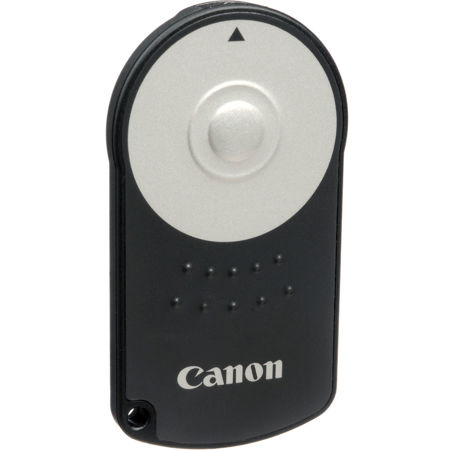
As you explore the many possibilities that IR sensors unlock, you may also be interested in expanding your toolkit with related devices that harness the power of infrared technology for remote triggering and control. For photographers, videographers, and creators who value precision timing and hands-free operation, our curated selection of Infrared Triggers offers additional ways to elevate your workflow. No matter the season or skill level, IR sensors and their accessories continue to inspire new solutions, making them a smart addition to any collection of electronic or creative equipment.
When considering which IR sensor best suits your needs, it helps to understand the distinction between active and passive models. Active IR sensors, which combine an emitter and a receiver, are ideal for applications where detecting the presence or distance of an object is key—think obstacle-avoiding robots or automatic doors. Passive IR (PIR) sensors, on the other hand, are tuned to the natural infrared energy emitted by people, animals, and other warm objects, making them a staple for security systems and energy-saving lighting solutions. The choice between these types often comes down to the specific demands of your project or environment. For those building custom electronics, modular IR sensor components allow for creative integration into both new and existing systems. Meanwhile, plug-and-play modules simplify setup for those who want reliable performance without the need for complex programming. IR sensors also make thoughtful gifts for tech enthusiasts, educators, and students—especially during a season when curiosity and experimentation tend to flourish. Whether it’s for a DIY home automation upgrade, a school science project, or a professional installation, these sensors empower users to interact with their surroundings in innovative ways.
As you explore the many possibilities that IR sensors unlock, you may also be interested in expanding your toolkit with related devices that harness the power of infrared technology for remote triggering and control. For photographers, videographers, and creators who value precision timing and hands-free operation, our curated selection of Infrared Triggers offers additional ways to elevate your workflow. No matter the season or skill level, IR sensors and their accessories continue to inspire new solutions, making them a smart addition to any collection of electronic or creative equipment.