Infrared Filters
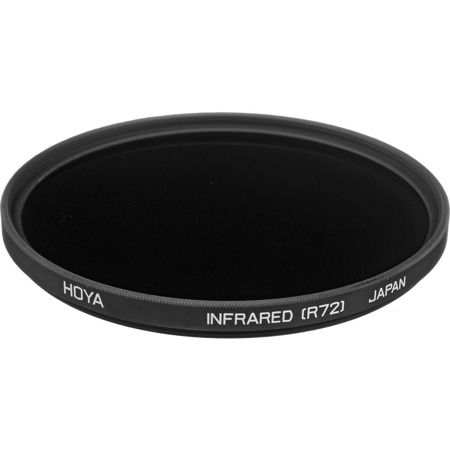
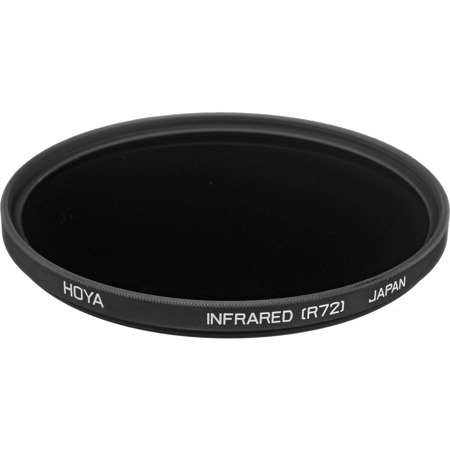
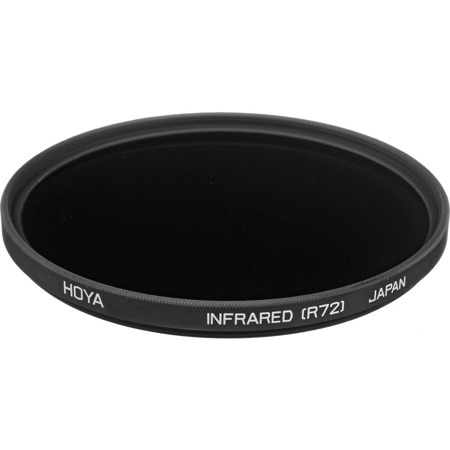
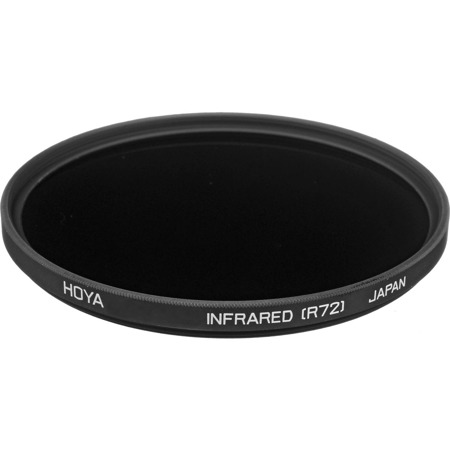
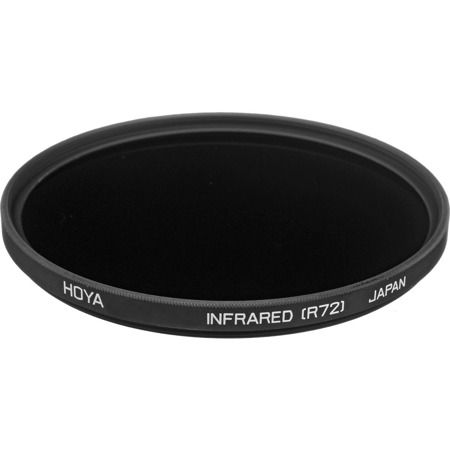
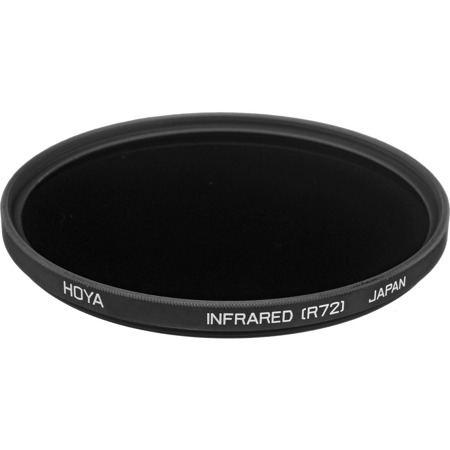
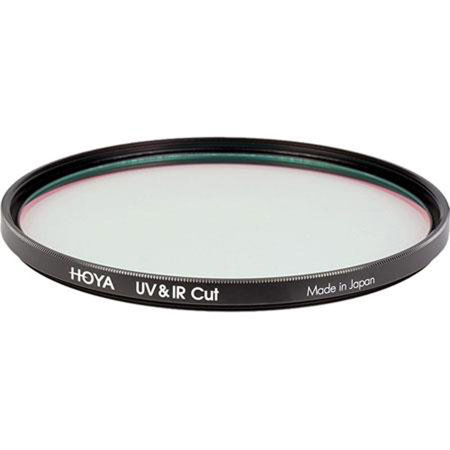
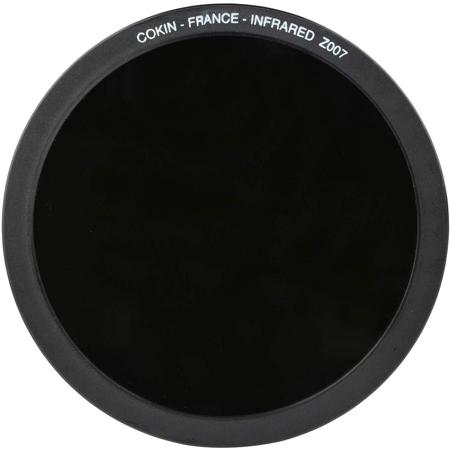
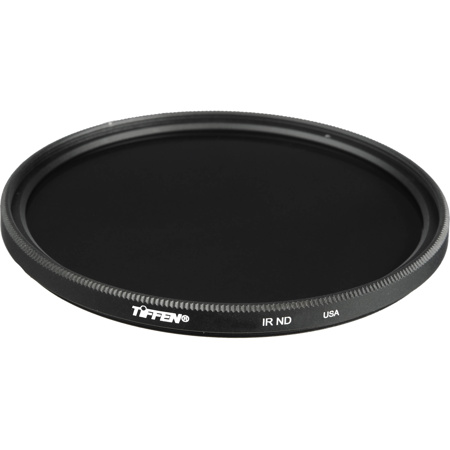
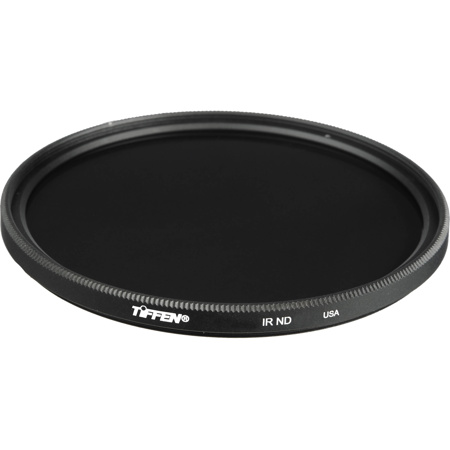
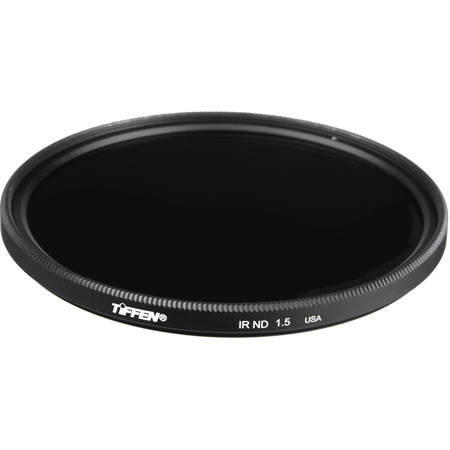
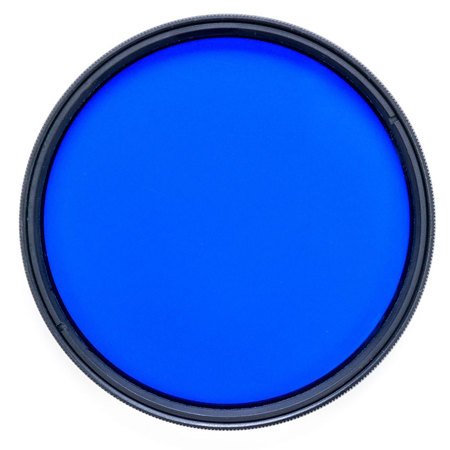
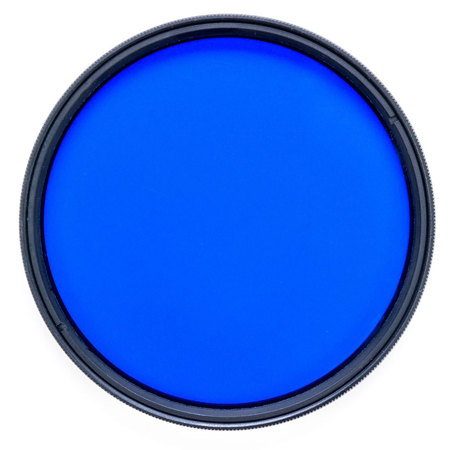
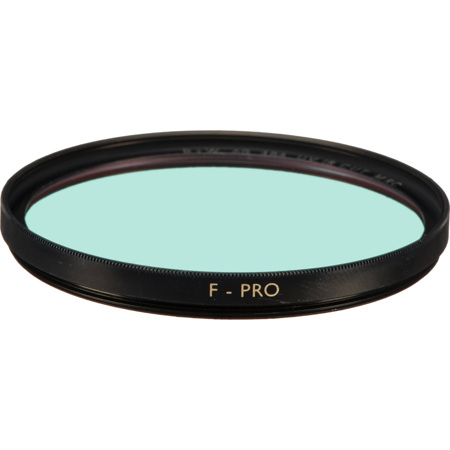
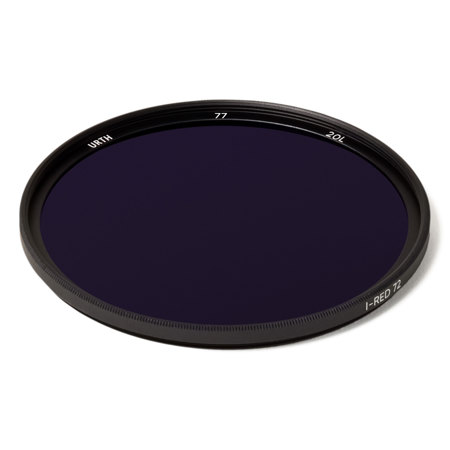
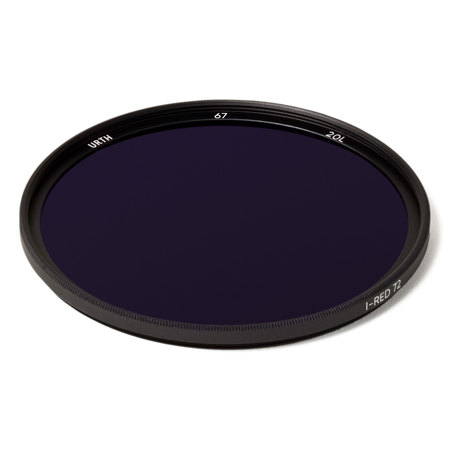
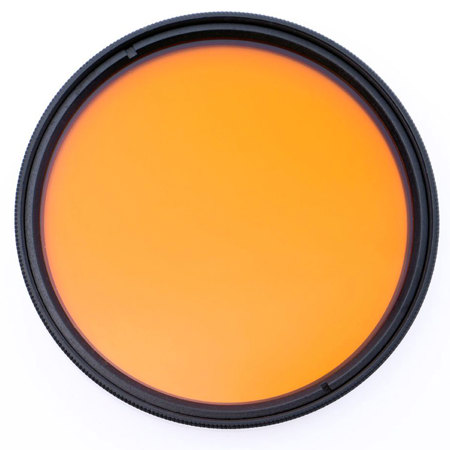
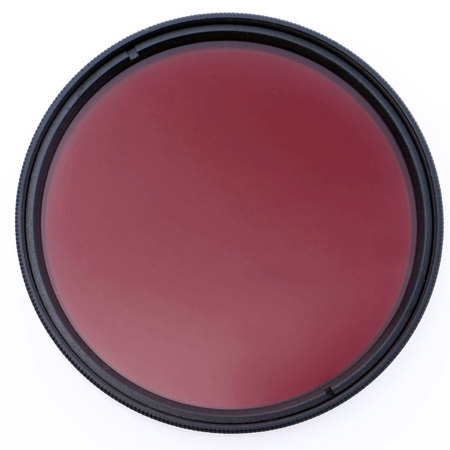
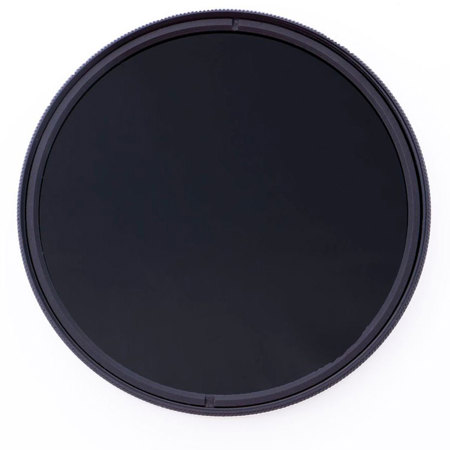
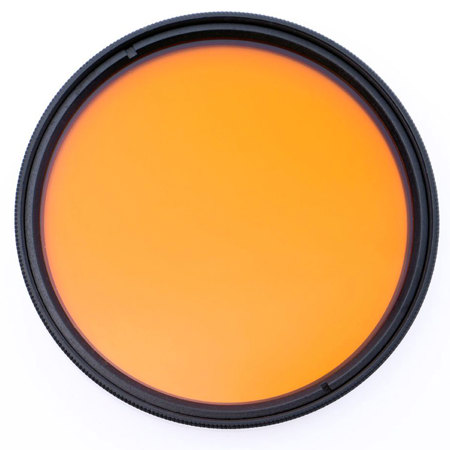
Infrared filters open up a world of creative and technical possibilities for photographers, filmmakers, and scientific imaging professionals alike. These specialized optical tools are designed to selectively control the wavelengths of light that reach your camera’s sensor, making them essential for anyone looking to capture scenes beyond the limits of human vision. There are two main categories of infrared filters: IR-pass and IR-cut. IR-pass filters allow only infrared light to pass through, blocking visible light and revealing a hidden spectrum that transforms ordinary landscapes into surreal, dreamlike vistas. Lush green foliage becomes a luminous white, skies deepen to dramatic blacks, and everyday scenes take on an ethereal, otherworldly quality. This effect is especially striking in the vibrant greens of early summer or the golden hues as the seasons begin to shift, offering a fresh perspective on familiar environments. On the other hand, IR-cut filters do the opposite, blocking infrared wavelengths while allowing visible light to pass. These are critical for maintaining true-to-life color accuracy in digital photography and video, preventing the color shifts and haze that can occur when excess infrared light hits your sensor—especially important during long, sunny days or when shooting through glass or specialized optics.
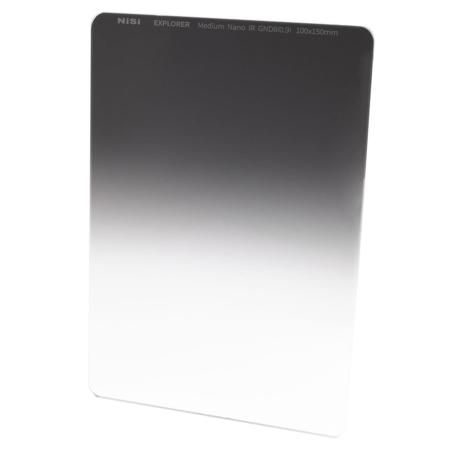
Choosing the best infrared filter for digital camera use depends on your goals and your gear. For those interested in creative infrared photography, an IR-pass filter is a powerful tool, but it’s important to know that most modern cameras come equipped with built-in IR-blocking filters. To achieve strong infrared effects, you may need to use a camera that has been converted for full-spectrum use or select a filter that matches the sensitivity of your sensor. IR-pass filters come in various nanometer ratings, such as 720nm or 850nm, each producing slightly different effects in your images—from subtle infrared glow to stark, high-contrast monochrome. Because these filters are very dense and block most visible light, using a sturdy tripod and long exposures is often necessary, especially in lower light conditions or when shooting under the tree canopy in a forest. IR-cut filters, meanwhile, are popular among astrophotographers, videographers, and anyone working with sensitive imaging equipment. They help ensure that colors remain accurate and details sharp, whether you’re capturing the intricate patterns of a flower in the garden or the subtle tones of a portrait during golden hour. These filters are also a thoughtful gift for the technically-minded photographer or anyone interested in exploring new creative avenues, making them a versatile addition to any gear bag as the light changes throughout the year.
Whether you’re seeking to experiment with the magical, unseen world of infrared photography or need precise control over your image quality for professional or scientific work, infrared filters offer a unique blend of artistry and technical utility. They are a valuable asset for outdoor photographers as the weather warms, for those capturing landscapes or cityscapes in the shifting light, and for anyone interested in pushing the boundaries of what their camera can see. If you’re exploring options beyond infrared, or want to learn more about how different filters can enhance your photography, be sure to visit our comprehensive selection of Optical Filters to find the right tools for your creative vision.
Choosing the best infrared filter for digital camera use depends on your goals and your gear. For those interested in creative infrared photography, an IR-pass filter is a powerful tool, but it’s important to know that most modern cameras come equipped with built-in IR-blocking filters. To achieve strong infrared effects, you may need to use a camera that has been converted for full-spectrum use or select a filter that matches the sensitivity of your sensor. IR-pass filters come in various nanometer ratings, such as 720nm or 850nm, each producing slightly different effects in your images—from subtle infrared glow to stark, high-contrast monochrome. Because these filters are very dense and block most visible light, using a sturdy tripod and long exposures is often necessary, especially in lower light conditions or when shooting under the tree canopy in a forest. IR-cut filters, meanwhile, are popular among astrophotographers, videographers, and anyone working with sensitive imaging equipment. They help ensure that colors remain accurate and details sharp, whether you’re capturing the intricate patterns of a flower in the garden or the subtle tones of a portrait during golden hour. These filters are also a thoughtful gift for the technically-minded photographer or anyone interested in exploring new creative avenues, making them a versatile addition to any gear bag as the light changes throughout the year.
Whether you’re seeking to experiment with the magical, unseen world of infrared photography or need precise control over your image quality for professional or scientific work, infrared filters offer a unique blend of artistry and technical utility. They are a valuable asset for outdoor photographers as the weather warms, for those capturing landscapes or cityscapes in the shifting light, and for anyone interested in pushing the boundaries of what their camera can see. If you’re exploring options beyond infrared, or want to learn more about how different filters can enhance your photography, be sure to visit our comprehensive selection of Optical Filters to find the right tools for your creative vision.