LC Cables
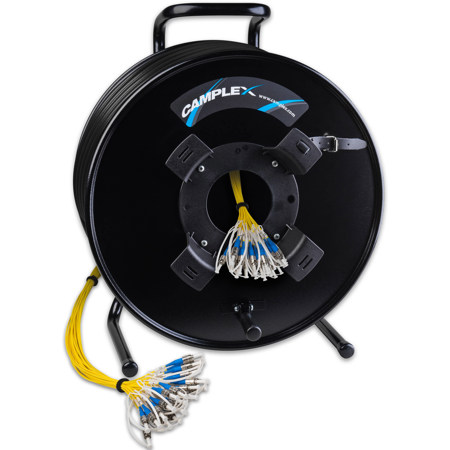
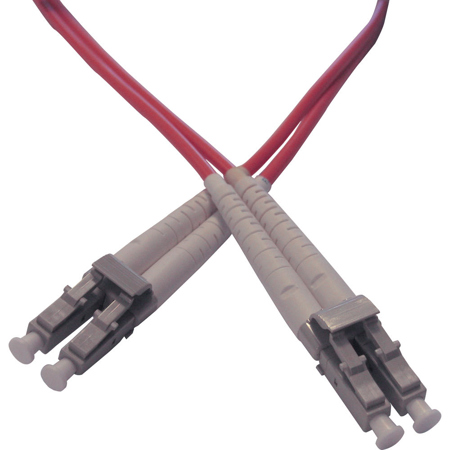
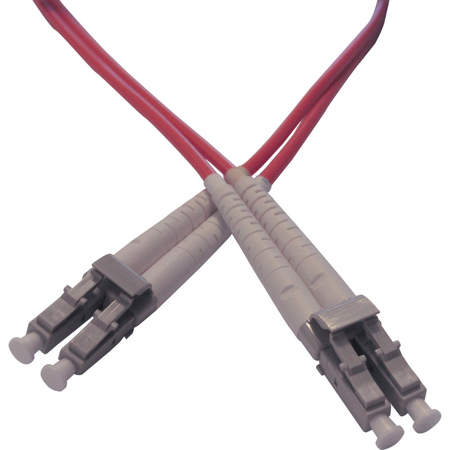
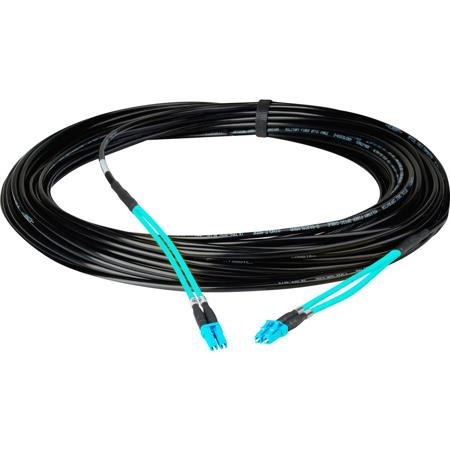
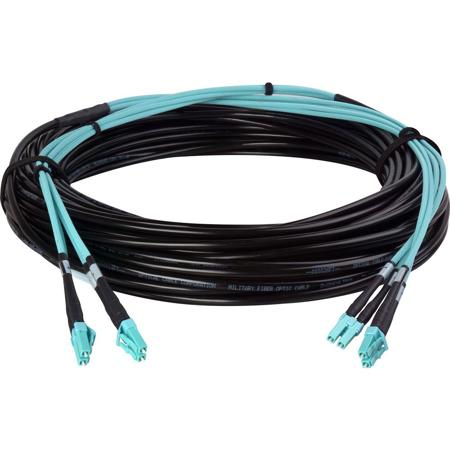
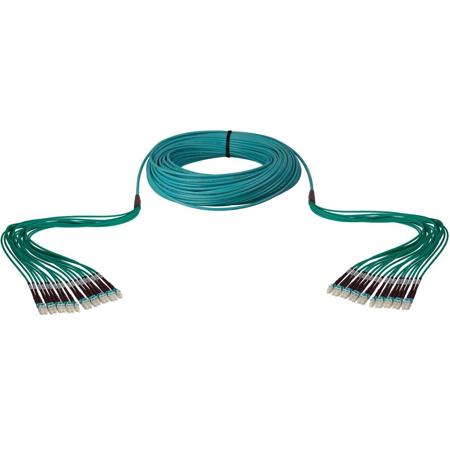
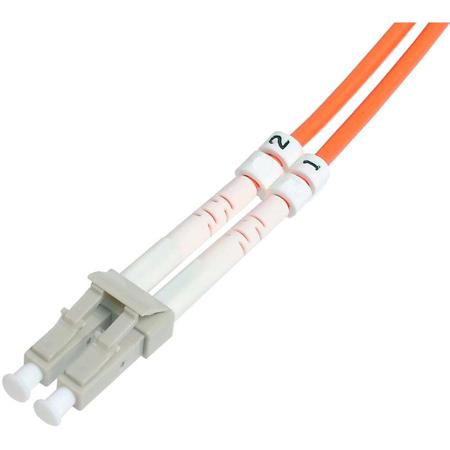
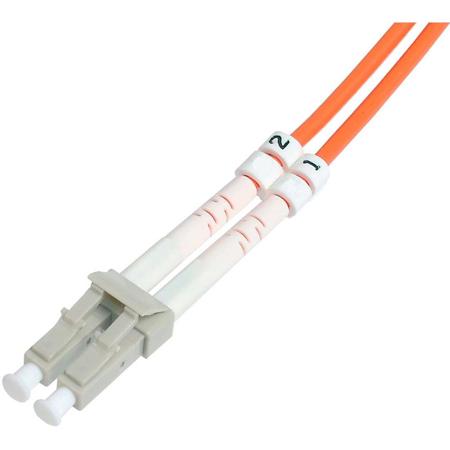
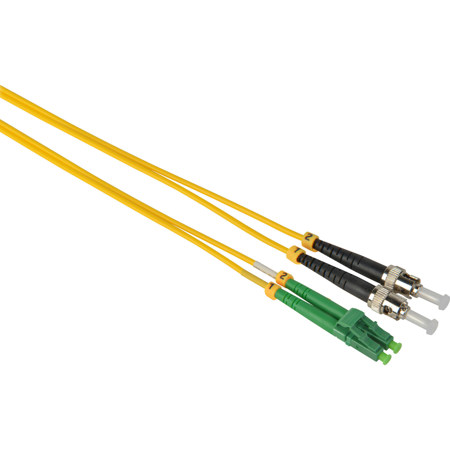
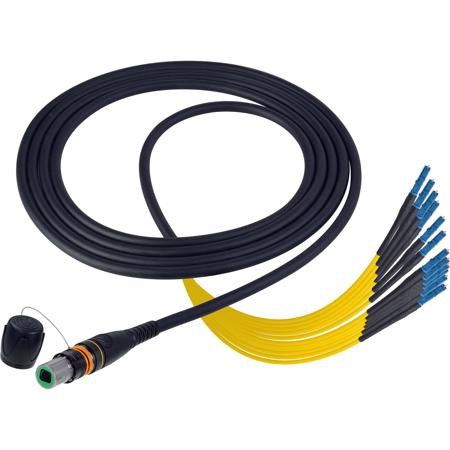
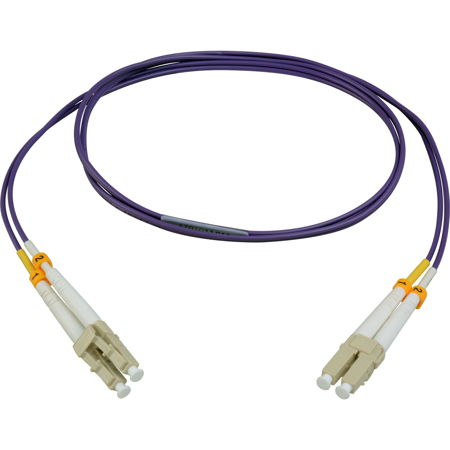
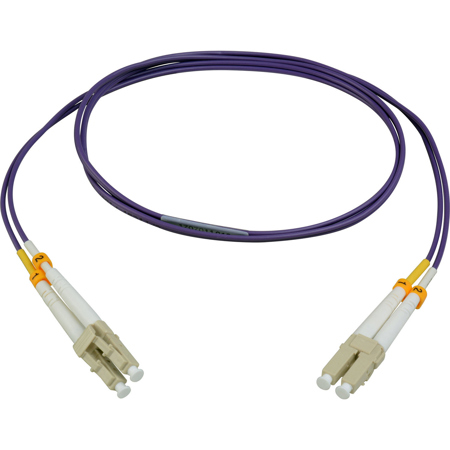
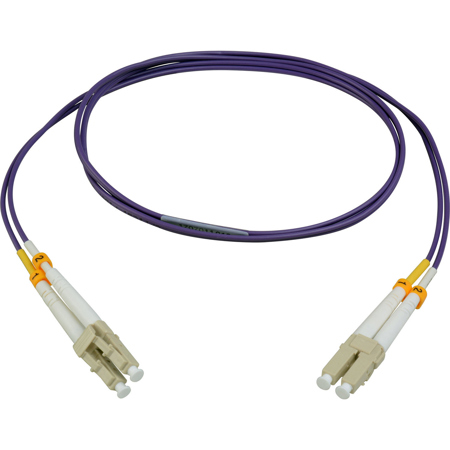
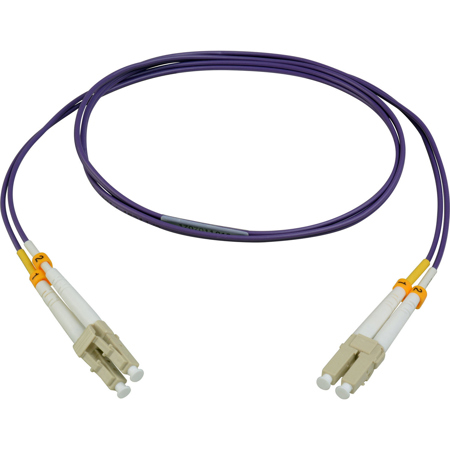
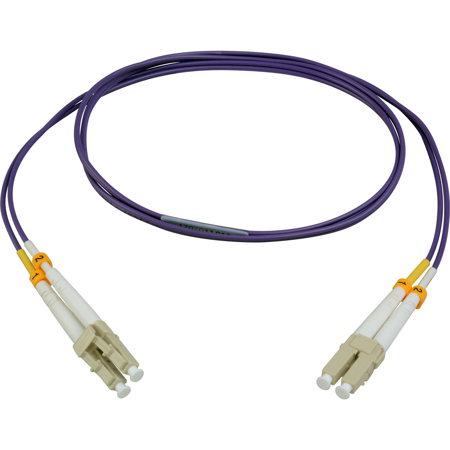
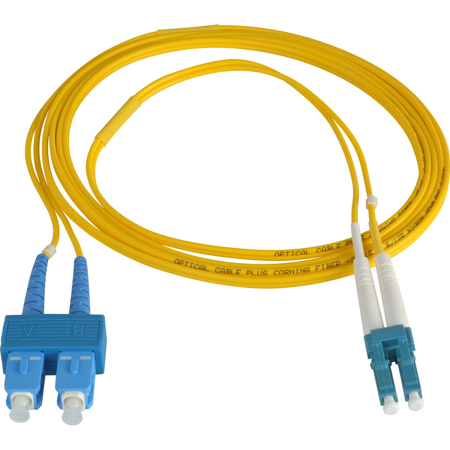
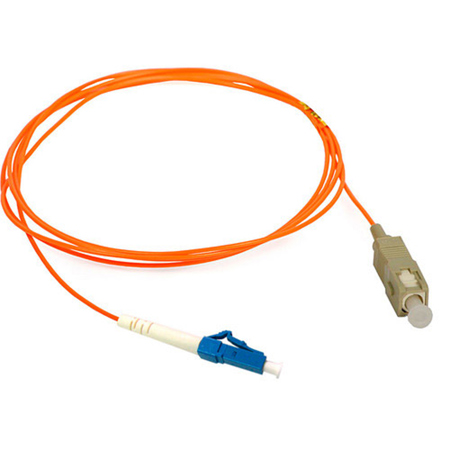
When it comes to building reliable, high-performance networks in environments where space, speed, and precision matter, LC cables stand out as a trusted solution for fiber optic connectivity. These cables, featuring the compact Lucent Connector (LC) design, are renowned for their small form factor—half the size of standard connectors—which allows for dense patching in crowded data centers, enterprise IT closets, and professional AV installations. The 1.25mm ceramic ferrule and easy-to-use retaining tab make LC cables a favorite among network engineers who need to maximize port density without sacrificing signal integrity. Whether you’re upgrading a server room to accommodate higher data rates or setting up a new communications backbone, LC cables deliver the performance and flexibility required for today’s demanding applications. With options spanning single-mode (OS2) for long-distance transmission—often distinguished by their yellow jackets and capable of supporting connections over 10km or more using laser-based transceivers—to a wide array of multimode (OM1, OM2, OM3, OM4, OM5) variants in color-coded finishes like aqua or orange for shorter, high-bandwidth links within buildings, there’s a solution tailored to every networking need.
Selecting the right LC cable involves considering a few key factors. Length is a primary concern, as it directly impacts signal quality and installation flexibility, with prices typically ranging based on size and fiber type. For high-density environments, duplex LC cables—offering two fiber strands for bi-directional data transfer—are often preferred, enabling simultaneous send and receive functions, while simplex cables with a single fiber strand are ideal for one-way transmission scenarios. Professionals in IT, audio/video production, and telecommunications rely on LC cables for their ability to maintain low insertion loss and high return loss, ensuring crisp, uninterrupted data flow even in challenging conditions. As the weather warms and organizations take on new infrastructure projects or refresh their equipment for the busy summer and fall seasons, these cables make practical gifts for tech enthusiasts, system integrators, or anyone setting up a home lab or studio. The compact profile of LC connectors is especially beneficial where rack space is at a premium or when future-proofing installations for higher bandwidths and evolving standards. For those managing complex systems that require integration with other cable types, it's helpful to explore related connectivity solutions, such as DIN Cables, to ensure seamless compatibility across devices and setups.
LC cables are engineered to support the fast-paced evolution of digital communications, making them indispensable for both new installations and upgrades. Their versatility extends from enterprise-level backbone connections to mission-critical links in healthcare, education, and broadcast facilities, where reliability and uptime are paramount. The robust construction and precision engineering behind LC connectors mean fewer worries about accidental disconnects or signal degradation, even in environments with frequent reconfigurations or high traffic. During the cooler months, as organizations prepare for year-end projects or scale up for peak operational periods, the ability to quickly deploy and manage high-density fiber connections can make all the difference. Whether you’re an IT manager overseeing a large-scale network, a broadcast engineer ensuring flawless video feeds, or a hobbyist building out a personal data center, LC cables provide the quality, durability, and performance required to keep your systems running smoothly. Their adaptability, combined with a wide selection of lengths, modes, and configurations, ensures that every installation—no matter how complex—can benefit from the trusted connectivity that LC cables provide.
Selecting the right LC cable involves considering a few key factors. Length is a primary concern, as it directly impacts signal quality and installation flexibility, with prices typically ranging based on size and fiber type. For high-density environments, duplex LC cables—offering two fiber strands for bi-directional data transfer—are often preferred, enabling simultaneous send and receive functions, while simplex cables with a single fiber strand are ideal for one-way transmission scenarios. Professionals in IT, audio/video production, and telecommunications rely on LC cables for their ability to maintain low insertion loss and high return loss, ensuring crisp, uninterrupted data flow even in challenging conditions. As the weather warms and organizations take on new infrastructure projects or refresh their equipment for the busy summer and fall seasons, these cables make practical gifts for tech enthusiasts, system integrators, or anyone setting up a home lab or studio. The compact profile of LC connectors is especially beneficial where rack space is at a premium or when future-proofing installations for higher bandwidths and evolving standards. For those managing complex systems that require integration with other cable types, it's helpful to explore related connectivity solutions, such as DIN Cables, to ensure seamless compatibility across devices and setups.
LC cables are engineered to support the fast-paced evolution of digital communications, making them indispensable for both new installations and upgrades. Their versatility extends from enterprise-level backbone connections to mission-critical links in healthcare, education, and broadcast facilities, where reliability and uptime are paramount. The robust construction and precision engineering behind LC connectors mean fewer worries about accidental disconnects or signal degradation, even in environments with frequent reconfigurations or high traffic. During the cooler months, as organizations prepare for year-end projects or scale up for peak operational periods, the ability to quickly deploy and manage high-density fiber connections can make all the difference. Whether you’re an IT manager overseeing a large-scale network, a broadcast engineer ensuring flawless video feeds, or a hobbyist building out a personal data center, LC cables provide the quality, durability, and performance required to keep your systems running smoothly. Their adaptability, combined with a wide selection of lengths, modes, and configurations, ensures that every installation—no matter how complex—can benefit from the trusted connectivity that LC cables provide.