
Low Contrast Filters
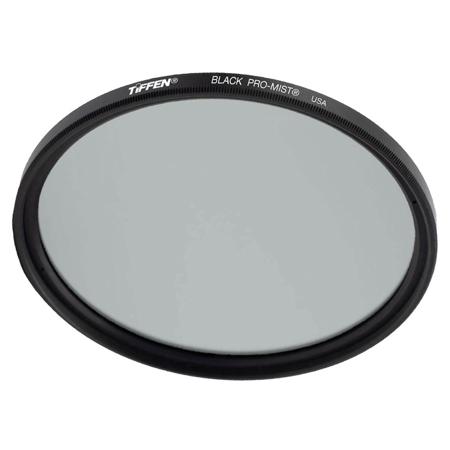
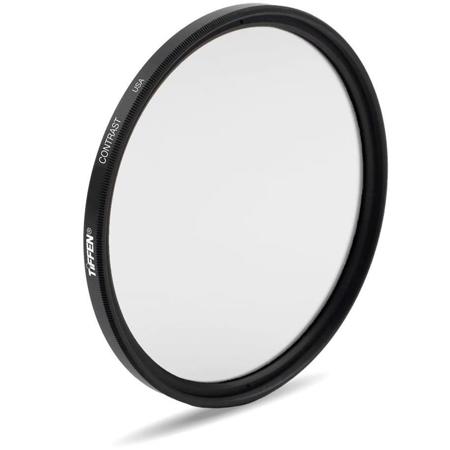
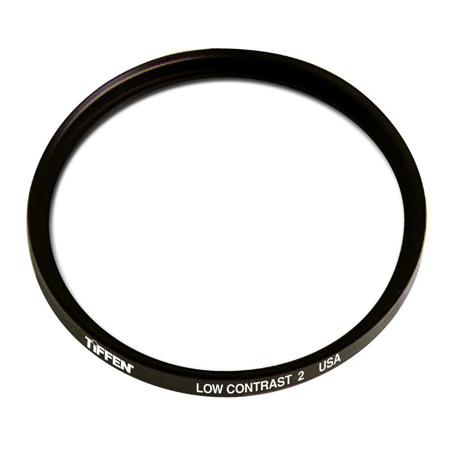
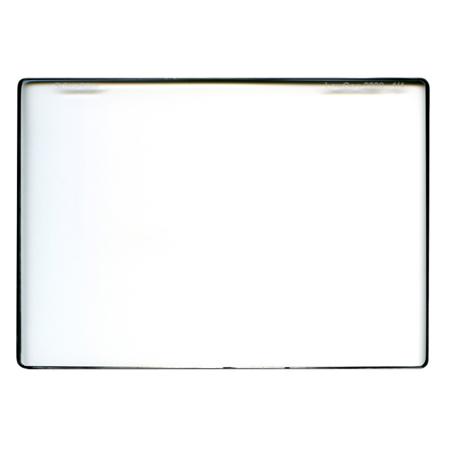
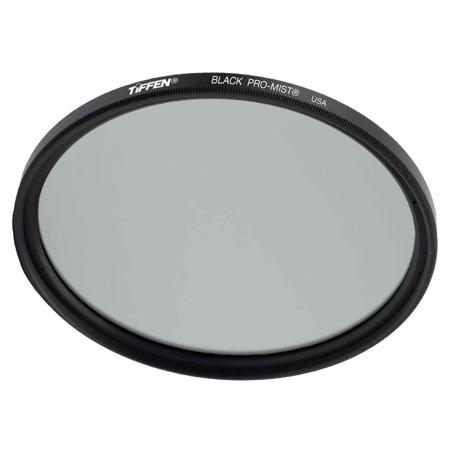
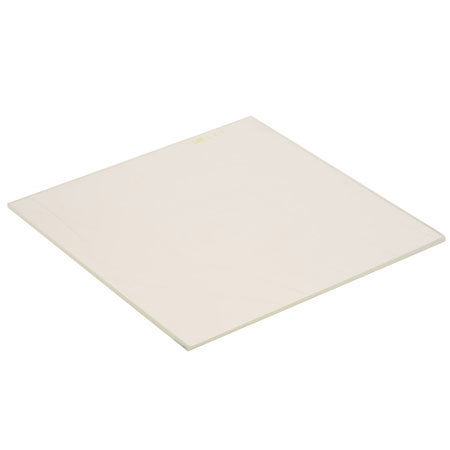
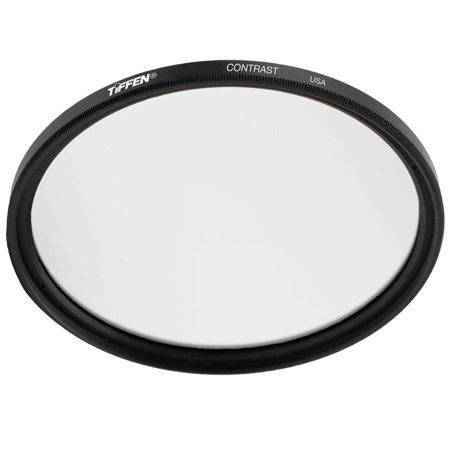
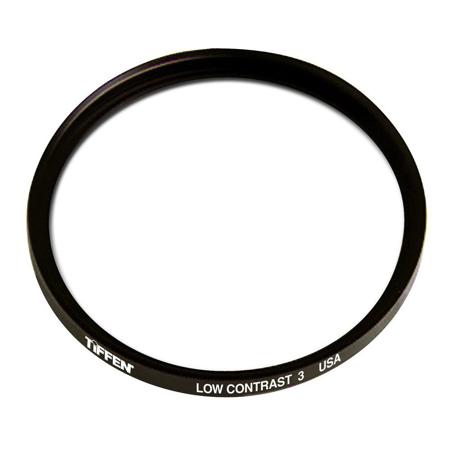
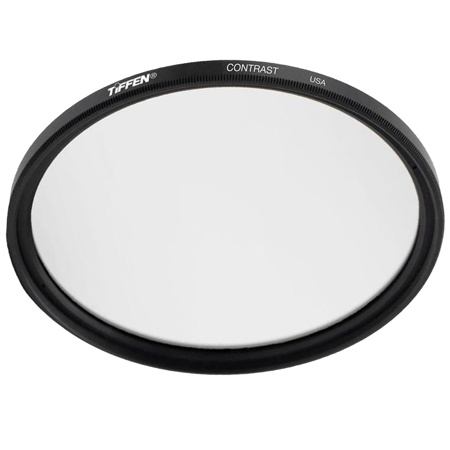
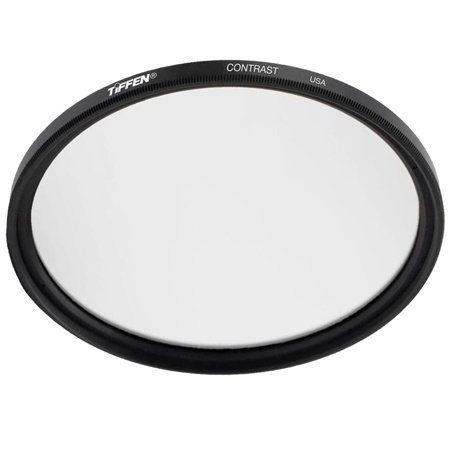
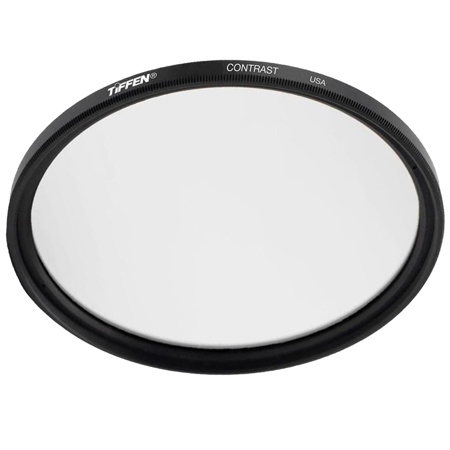
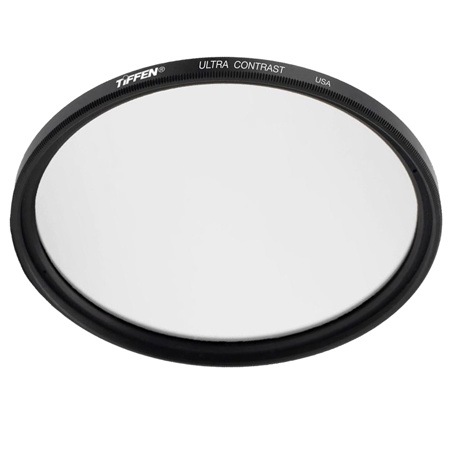
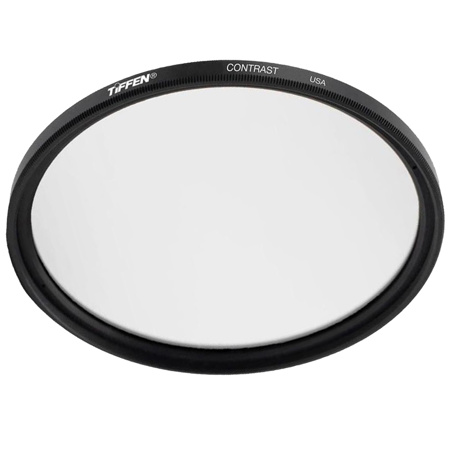
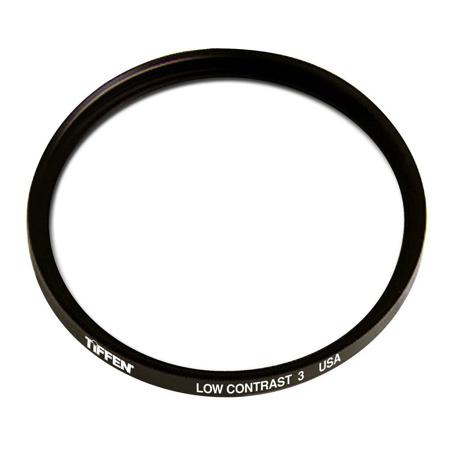
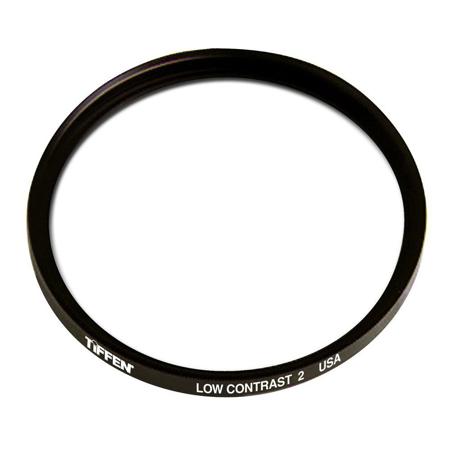
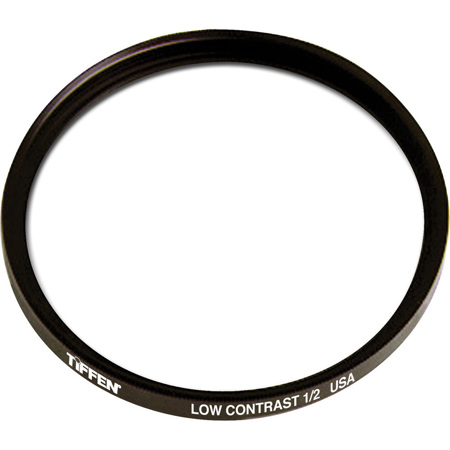
Low contrast filters have become an essential tool for photographers and filmmakers looking to achieve a cinematic, nuanced look in their images and footage. These filters are designed to subtly reduce the dynamic range in a scene, gently lifting the shadows and diffusing the highlights to create a more balanced, filmic effect. Whether you’re capturing sun-dappled landscapes as the weather warms or shooting atmospheric portraits during the softer light of cooler months, low contrast filters help manage harsh lighting conditions and bring out detail in both the brightest and darkest areas of your frame. By introducing a localized halation around bright highlights and boosting shadow detail, these filters are especially valued for their ability to impart a dreamy, vintage character reminiscent of classic cinema. Available in a range of grades, from delicate 1/8 strengths to more pronounced options, they offer creative control over how much contrast reduction and highlight diffusion you want to introduce. This versatility makes them a favorite among both seasoned cinematographers and passionate hobbyists, providing a reliable way to achieve a signature look straight out of the camera without relying solely on post-production adjustments.
When considering a low contrast filter, it’s important to think about your shooting style and the environments you frequent. If you often find yourself working in high-contrast scenarios—such as midday outdoor shoots, interiors with bright windows, or cityscapes with stark lighting—these filters can be invaluable in taming unruly highlights and revealing subtle textures in the shadows. Portrait photographers appreciate how low contrast filters soften facial features and add a gentle glow to skin tones, making them a thoughtful gift for anyone who enjoys capturing people in natural light. Videographers and content creators, especially those producing narrative films or lifestyle content, often rely on these filters to evoke a timeless mood, blending modern digital clarity with the organic feel of analog film. As autumn approaches and the quality of light shifts, low contrast filters continue to shine, helping to maintain a consistent aesthetic as the sun sits lower and shadows lengthen. For those interested in exploring even more creative options, it’s worth noting that low contrast filters are often used in combination with other specialty glass, such as diffusion or softening filters. If you’re curious about expanding your toolkit further, you can find related options on our Soft Filters page, where additional techniques for achieving unique in-camera effects are explored.
Selecting the right low contrast filter involves balancing the strength of the effect with the needs of your project. Lighter grades provide a subtle lift to shadows and a barely-there diffusion, ideal for documentary work or situations where you want to retain a natural look with just a hint of cinematic polish. Stronger grades, on the other hand, can create a more pronounced, washed-out aesthetic that’s perfect for music videos, fashion shoots, or stylized commercial work. As with any creative tool, experimentation is key—many professionals keep a range of grades on hand to adapt to changing light and artistic intent. Low contrast filters are also a practical addition to any photographer or filmmaker’s kit, making them a thoughtful and useful gift for students, educators, or anyone looking to elevate their visual storytelling. Whether you’re capturing the vibrant colors of summer or the moody ambiance of fall, these filters offer a simple yet powerful way to enhance your images in-camera, streamline your workflow, and achieve the expressive look you envision.
When considering a low contrast filter, it’s important to think about your shooting style and the environments you frequent. If you often find yourself working in high-contrast scenarios—such as midday outdoor shoots, interiors with bright windows, or cityscapes with stark lighting—these filters can be invaluable in taming unruly highlights and revealing subtle textures in the shadows. Portrait photographers appreciate how low contrast filters soften facial features and add a gentle glow to skin tones, making them a thoughtful gift for anyone who enjoys capturing people in natural light. Videographers and content creators, especially those producing narrative films or lifestyle content, often rely on these filters to evoke a timeless mood, blending modern digital clarity with the organic feel of analog film. As autumn approaches and the quality of light shifts, low contrast filters continue to shine, helping to maintain a consistent aesthetic as the sun sits lower and shadows lengthen. For those interested in exploring even more creative options, it’s worth noting that low contrast filters are often used in combination with other specialty glass, such as diffusion or softening filters. If you’re curious about expanding your toolkit further, you can find related options on our Soft Filters page, where additional techniques for achieving unique in-camera effects are explored.
Selecting the right low contrast filter involves balancing the strength of the effect with the needs of your project. Lighter grades provide a subtle lift to shadows and a barely-there diffusion, ideal for documentary work or situations where you want to retain a natural look with just a hint of cinematic polish. Stronger grades, on the other hand, can create a more pronounced, washed-out aesthetic that’s perfect for music videos, fashion shoots, or stylized commercial work. As with any creative tool, experimentation is key—many professionals keep a range of grades on hand to adapt to changing light and artistic intent. Low contrast filters are also a practical addition to any photographer or filmmaker’s kit, making them a thoughtful and useful gift for students, educators, or anyone looking to elevate their visual storytelling. Whether you’re capturing the vibrant colors of summer or the moody ambiance of fall, these filters offer a simple yet powerful way to enhance your images in-camera, streamline your workflow, and achieve the expressive look you envision.