



Graduated Density Filters
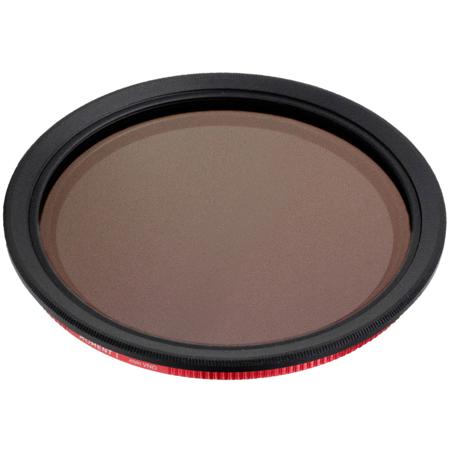
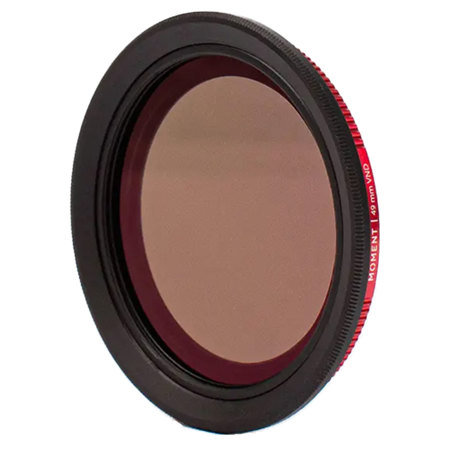
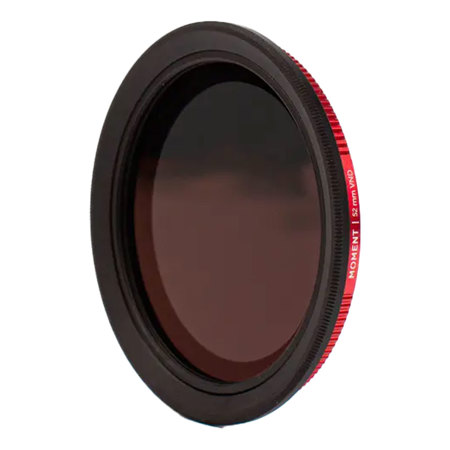
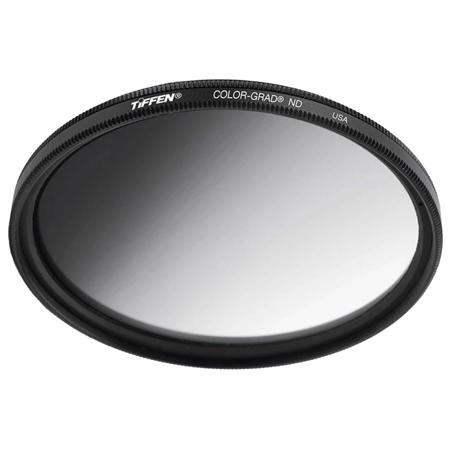
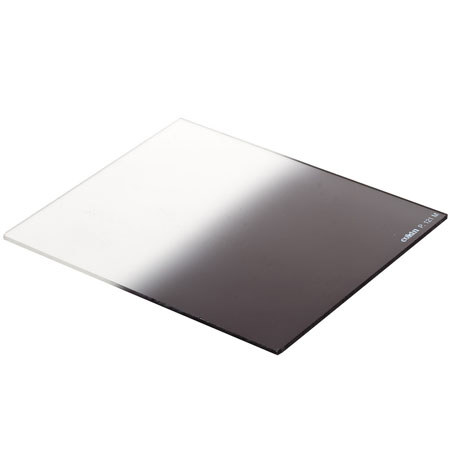
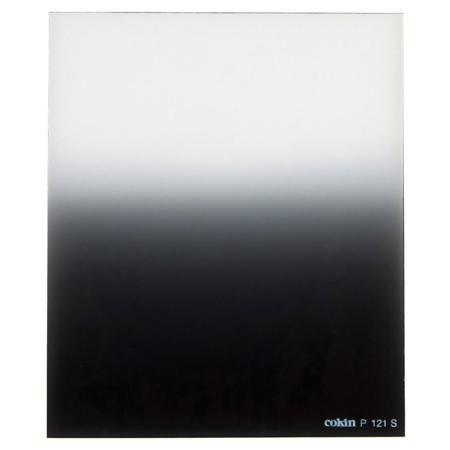
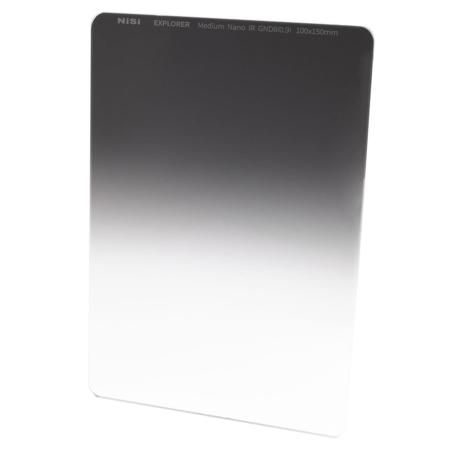
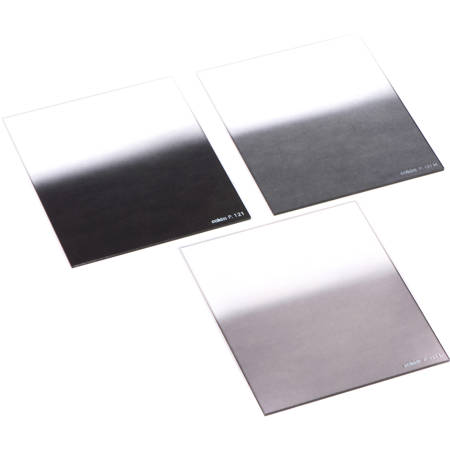
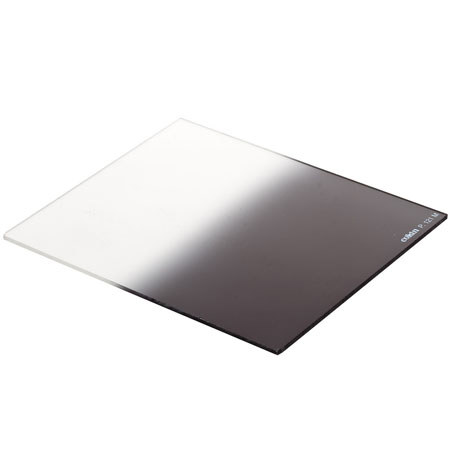
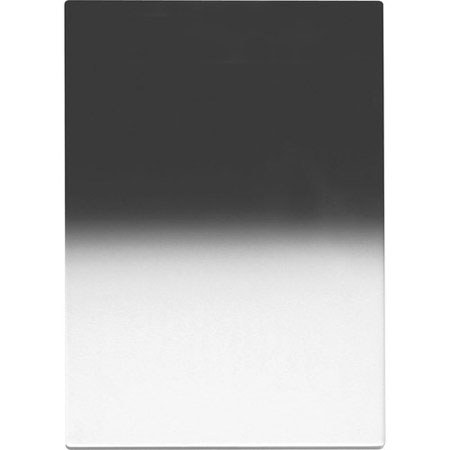
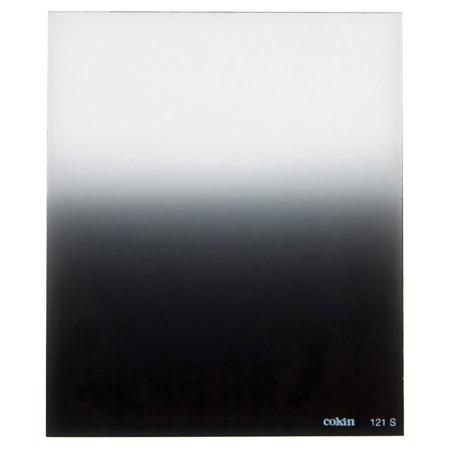
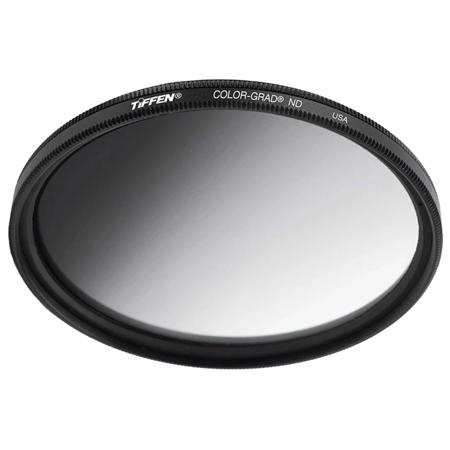
Graduated density filters are a staple in the toolkit of landscape photographers and visual storytellers who seek to capture the world as the eye sees it, even when the camera’s sensor cannot. As daylight lingers longer and outdoor adventures beckon, these filters become especially valuable for those chasing dramatic sunrises, fiery sunsets, or the subtle interplay of light across rolling hills and city skylines. The hallmark of a graduated density filter is its ability to balance exposure within a single frame—darkening only a portion of the scene, typically the sky, while preserving detail and vibrancy in the foreground. This selective control is essential when shooting scenes where the brightness of the sky far outpaces the land below, a common challenge during the golden hours or when weather shifts quickly. Whether you’re photographing a tranquil lake at dawn, the jagged silhouette of a mountain range, or the shimmering expanse of the ocean, the right graduated filter can prevent washed-out skies and muddy shadows, delivering images with depth, nuance, and a true-to-life dynamic range.
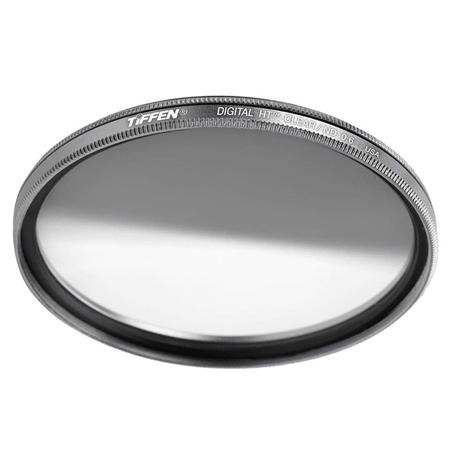
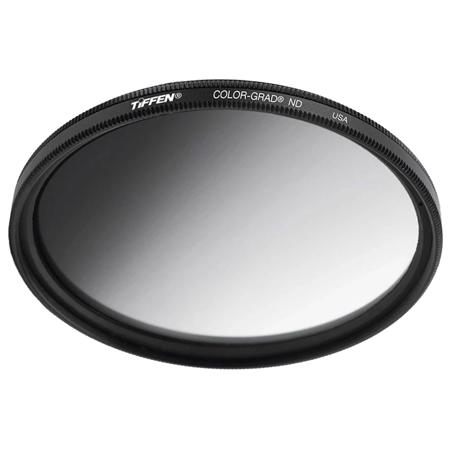
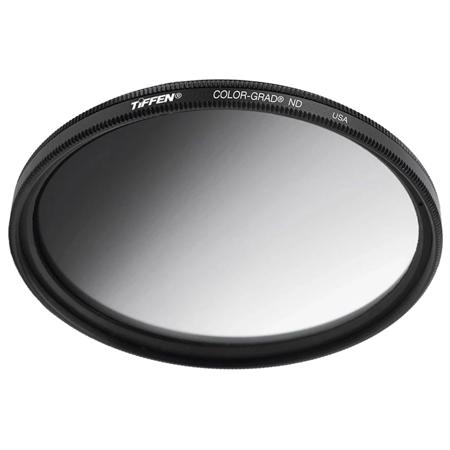
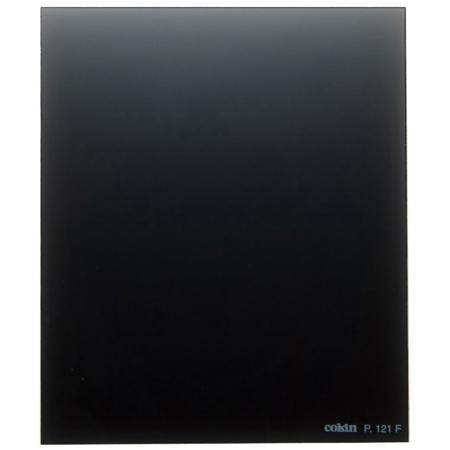
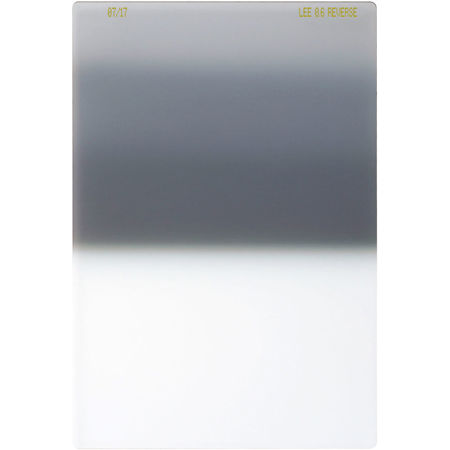
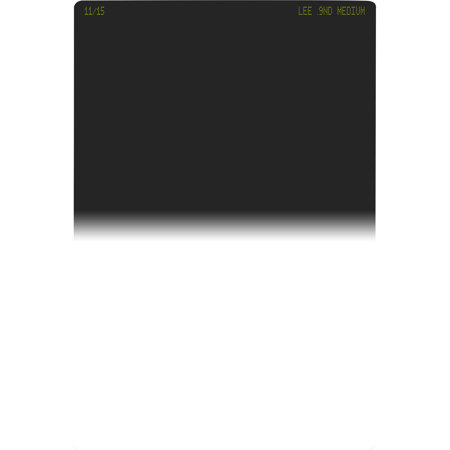
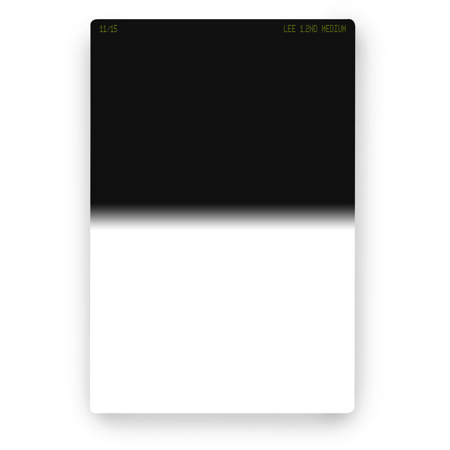
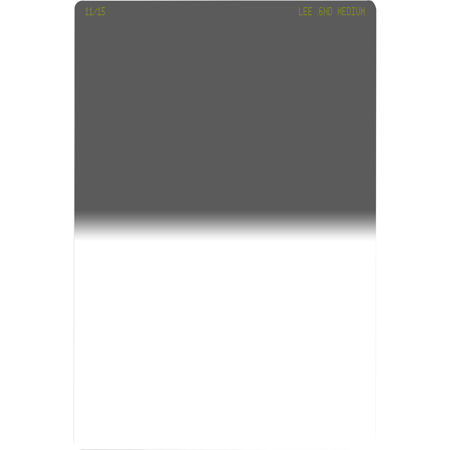
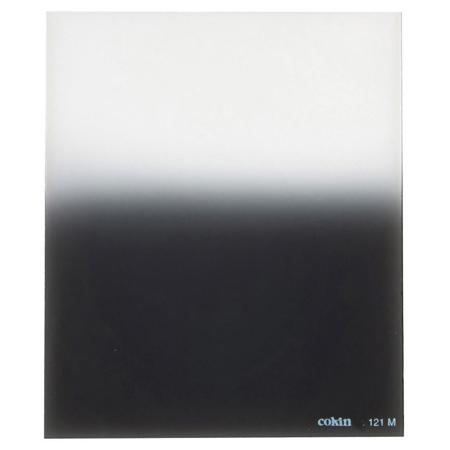
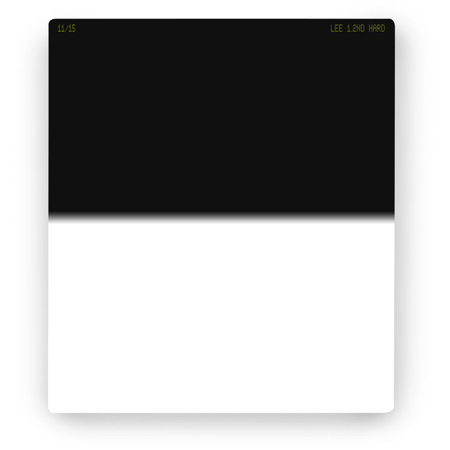
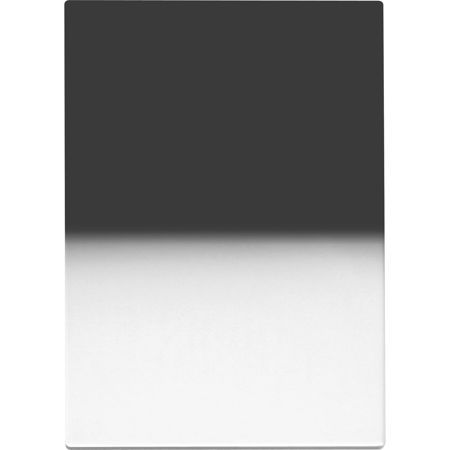
Choosing the best graduated density filter involves considering several factors that align with your creative goals and shooting style. Filters are available in a range of strengths, typically measured in stops, allowing you to fine-tune the amount of light reduction for different lighting conditions. Soft-edge filters offer a gentle transition from dark to clear, making them ideal for scenes with irregular or undulating horizons such as forests or cityscapes. Hard-edge filters, on the other hand, provide a more abrupt transition, which is perfect for sharply defined horizons like those found at the beach or across open plains. There are also reverse-graduated filters, which are darkest at the center and fade toward the top, specifically designed for situations like shooting directly into a rising or setting sun. The choice between rectangular drop-in filters and circular screw-on options often comes down to workflow and lens compatibility—rectangular systems offer more precise placement, while circular filters are quick and portable for on-the-go shooting. As the weather warms and outdoor events abound, these filters also make thoughtful gifts for photography enthusiasts, students venturing into landscape work, or anyone eager to document their summer travels with professional polish. Even as the days cool and autumn colors emerge, graduated density filters remain indispensable for capturing the shifting light and rich tones of the season.
In an era where digital blending and post-processing are more accessible than ever, many photographers still reach for graduated density filters to achieve balanced, natural-looking images in a single exposure. There is a certain satisfaction in composing and capturing a scene in-camera, knowing that the final result reflects your vision without relying heavily on editing software. For those who work with both digital and film cameras, or who simply appreciate the tactile process of photography, these filters offer a reliable and creative solution for challenging lighting scenarios. If your interests extend beyond graduated filters, exploring related tools like Neutral Density Gel Filters can further expand your creative possibilities, especially for studio or theatrical lighting setups. Whether you’re a seasoned professional, an avid hobbyist, or searching for a meaningful gift that will inspire creativity all year long, investing in quality graduated density filters is a decision that pays dividends with every perfectly exposed frame—no matter where your photographic journey takes you.
Choosing the best graduated density filter involves considering several factors that align with your creative goals and shooting style. Filters are available in a range of strengths, typically measured in stops, allowing you to fine-tune the amount of light reduction for different lighting conditions. Soft-edge filters offer a gentle transition from dark to clear, making them ideal for scenes with irregular or undulating horizons such as forests or cityscapes. Hard-edge filters, on the other hand, provide a more abrupt transition, which is perfect for sharply defined horizons like those found at the beach or across open plains. There are also reverse-graduated filters, which are darkest at the center and fade toward the top, specifically designed for situations like shooting directly into a rising or setting sun. The choice between rectangular drop-in filters and circular screw-on options often comes down to workflow and lens compatibility—rectangular systems offer more precise placement, while circular filters are quick and portable for on-the-go shooting. As the weather warms and outdoor events abound, these filters also make thoughtful gifts for photography enthusiasts, students venturing into landscape work, or anyone eager to document their summer travels with professional polish. Even as the days cool and autumn colors emerge, graduated density filters remain indispensable for capturing the shifting light and rich tones of the season.
In an era where digital blending and post-processing are more accessible than ever, many photographers still reach for graduated density filters to achieve balanced, natural-looking images in a single exposure. There is a certain satisfaction in composing and capturing a scene in-camera, knowing that the final result reflects your vision without relying heavily on editing software. For those who work with both digital and film cameras, or who simply appreciate the tactile process of photography, these filters offer a reliable and creative solution for challenging lighting scenarios. If your interests extend beyond graduated filters, exploring related tools like Neutral Density Gel Filters can further expand your creative possibilities, especially for studio or theatrical lighting setups. Whether you’re a seasoned professional, an avid hobbyist, or searching for a meaningful gift that will inspire creativity all year long, investing in quality graduated density filters is a decision that pays dividends with every perfectly exposed frame—no matter where your photographic journey takes you.