
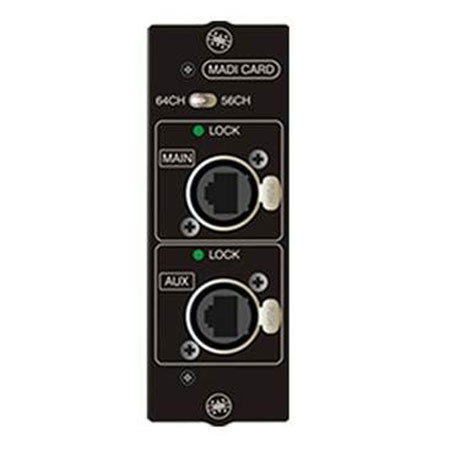
Madi Converters
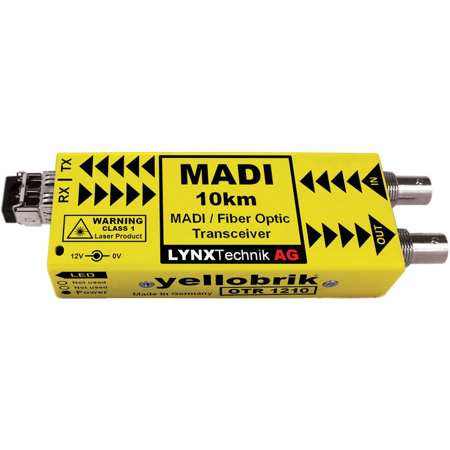
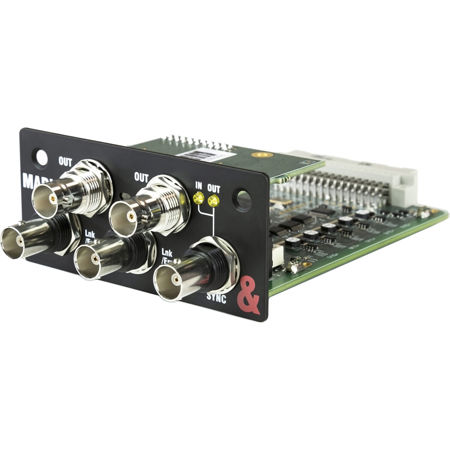
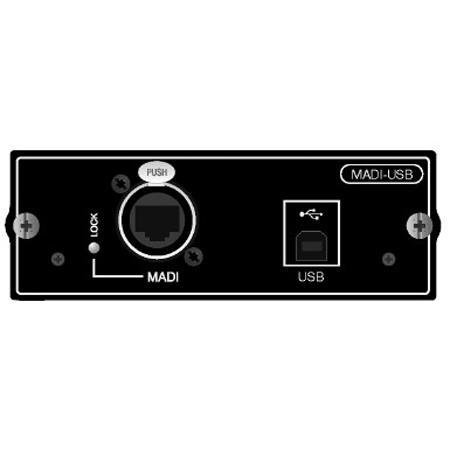
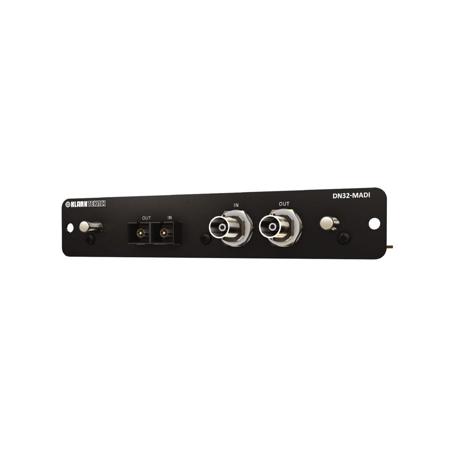
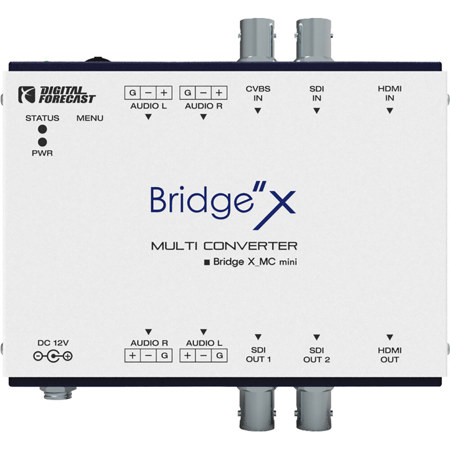
In the evolving landscape of professional audio production and live sound engineering, MADI converters have become an indispensable tool for those who demand reliable, high-capacity digital audio transmission. MADI, or Multichannel Audio Digital Interface, is prized for its ability to transport up to 64 channels of pristine audio over a single optical or coaxial cable, streamlining complex setups in studios, broadcast facilities, and live venues. As the weather warms and music festivals, outdoor concerts, and touring events pick up pace, audio professionals and engineers increasingly rely on these robust solutions to connect mixing consoles, preamps, and recording interfaces with minimal cabling and maximum flexibility. In post-production suites and broadcast environments, MADI converters are equally vital, enabling seamless routing between MADI and other popular formats such as ADAT, Dante, or analog systems. This versatility is especially valuable for those managing hybrid setups or integrating legacy gear with state-of-the-art digital workflows. Whether you’re upgrading a studio for multi-track recording, expanding a live rig, or ensuring redundancy in mission-critical broadcast applications, the right MADI converter can make all the difference in audio quality and operational efficiency.
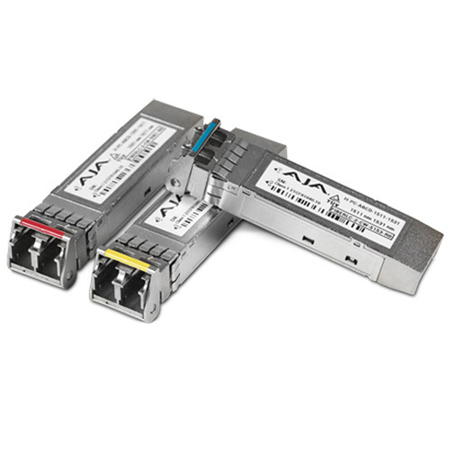
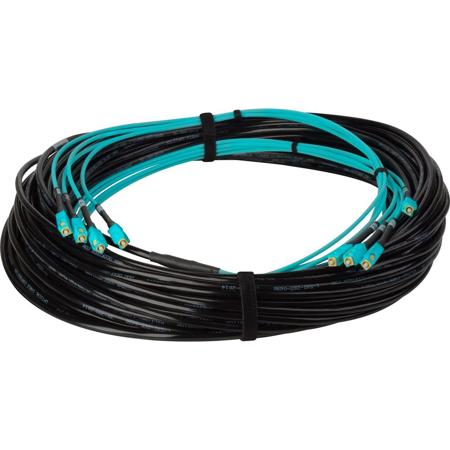
When considering a MADI converter, it’s important to assess the unique needs of your environment. Start by determining the number of channels you need to route—MADI’s 64-channel capability is ideal for high-density applications, but smaller setups may benefit from compact solutions that balance portability with performance. Consider the types of connections required: optical for long cable runs with immunity to electromagnetic interference, or coaxial for shorter distances and ease of integration with existing infrastructure. If your workflow involves interfacing with other digital audio formats, look for converters that offer built-in routing between MADI and ADAT, Dante, or analog, ensuring compatibility across all your devices. Budget is another key factor; while some converters offer advanced features like redundant power supplies and ultra-low latency, there are also cost-effective options for those building out stacked or legacy systems. For audio professionals, studio owners, and live engineers, investing in a reliable MADI converter is not just about keeping up with industry standards—it’s about future-proofing your setup for the demands of evolving projects and venues. These devices also make thoughtful gifts for the audio enthusiast or budding engineer in your life, especially during the cooler months when indoor creative projects and studio upgrades are top of mind.
As you explore the world of MADI converters, it’s helpful to consider how they fit into the broader landscape of digital media connectivity. Many users find value in browsing related categories, such as Media Converters, to discover solutions that bridge multiple audio and video formats. Whether you’re managing a sprawling festival stage, refining your home studio, or supporting a broadcast control room, the right MADI converter can provide the reliability, scalability, and sound quality that professionals expect. With the flexibility to adapt to a wide range of setups and the durability to withstand the demands of both touring and permanent installations, these converters are a smart addition to any audio toolkit. As the seasons shift and creative opportunities abound, having the right equipment on hand ensures you’re ready to capture, mix, and deliver exceptional sound—no matter where your work or passion takes you.
When considering a MADI converter, it’s important to assess the unique needs of your environment. Start by determining the number of channels you need to route—MADI’s 64-channel capability is ideal for high-density applications, but smaller setups may benefit from compact solutions that balance portability with performance. Consider the types of connections required: optical for long cable runs with immunity to electromagnetic interference, or coaxial for shorter distances and ease of integration with existing infrastructure. If your workflow involves interfacing with other digital audio formats, look for converters that offer built-in routing between MADI and ADAT, Dante, or analog, ensuring compatibility across all your devices. Budget is another key factor; while some converters offer advanced features like redundant power supplies and ultra-low latency, there are also cost-effective options for those building out stacked or legacy systems. For audio professionals, studio owners, and live engineers, investing in a reliable MADI converter is not just about keeping up with industry standards—it’s about future-proofing your setup for the demands of evolving projects and venues. These devices also make thoughtful gifts for the audio enthusiast or budding engineer in your life, especially during the cooler months when indoor creative projects and studio upgrades are top of mind.
As you explore the world of MADI converters, it’s helpful to consider how they fit into the broader landscape of digital media connectivity. Many users find value in browsing related categories, such as Media Converters, to discover solutions that bridge multiple audio and video formats. Whether you’re managing a sprawling festival stage, refining your home studio, or supporting a broadcast control room, the right MADI converter can provide the reliability, scalability, and sound quality that professionals expect. With the flexibility to adapt to a wide range of setups and the durability to withstand the demands of both touring and permanent installations, these converters are a smart addition to any audio toolkit. As the seasons shift and creative opportunities abound, having the right equipment on hand ensures you’re ready to capture, mix, and deliver exceptional sound—no matter where your work or passion takes you.