


Madi Interfaces
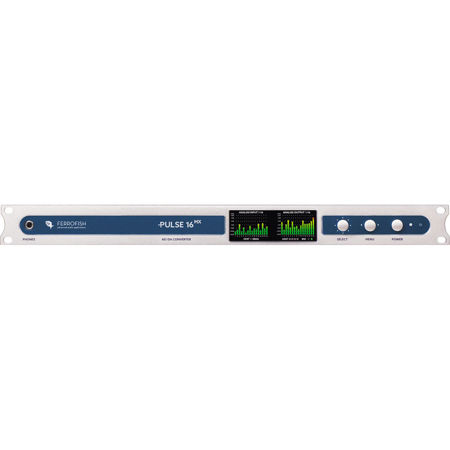
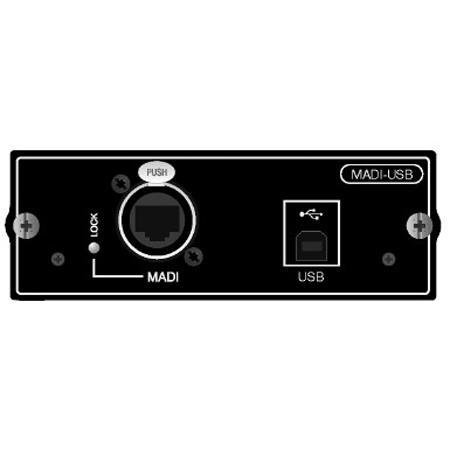
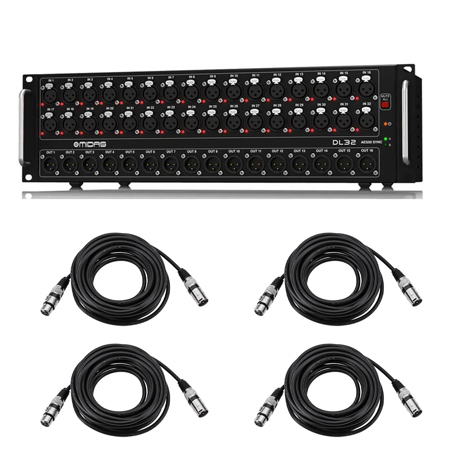
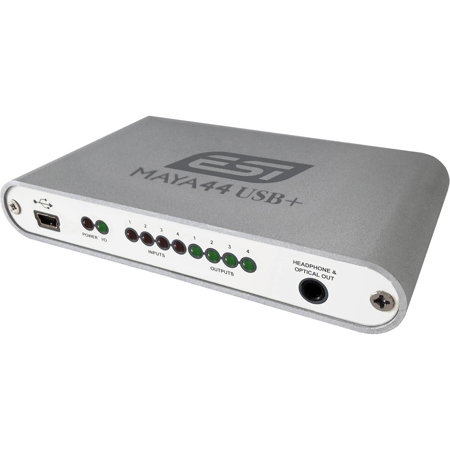
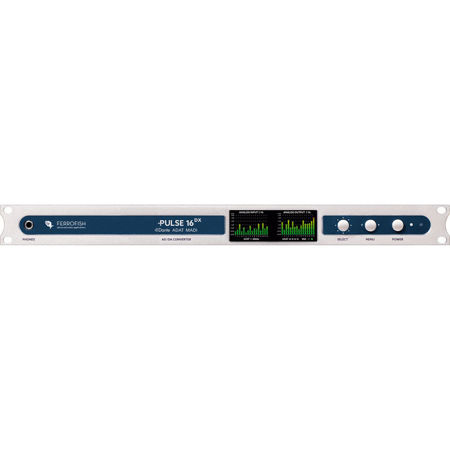
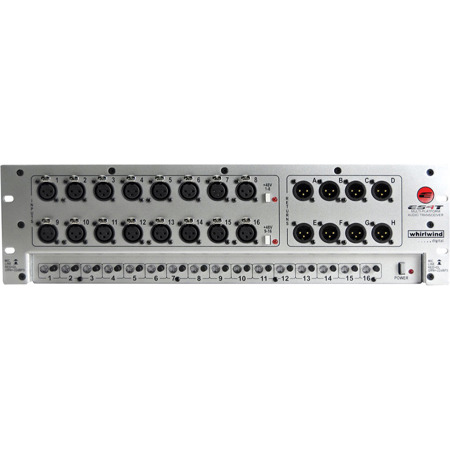
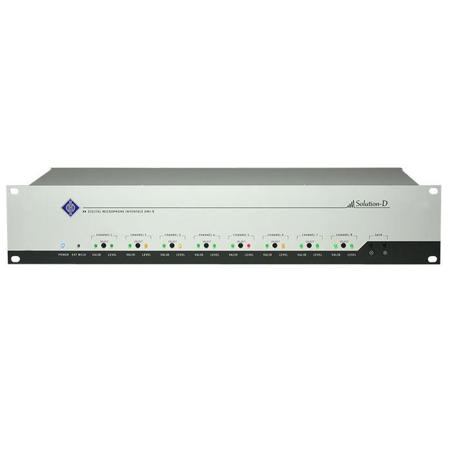
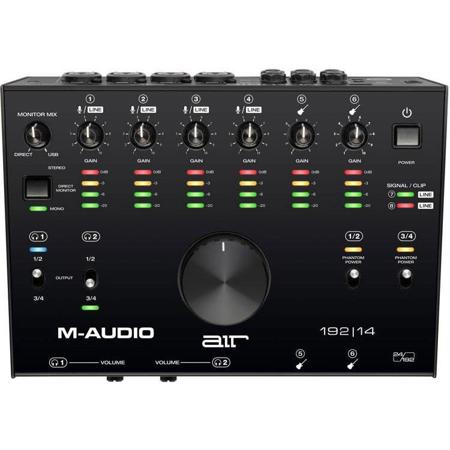
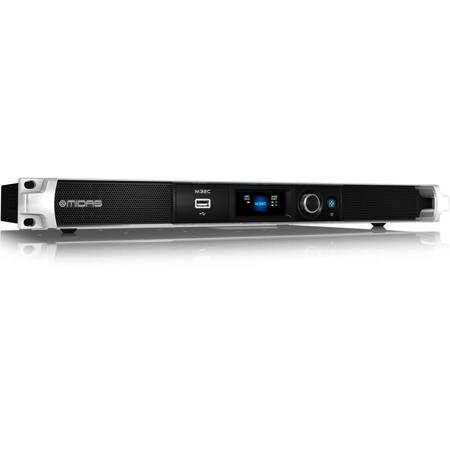
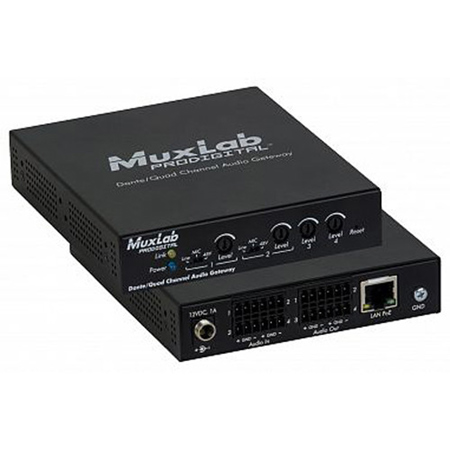
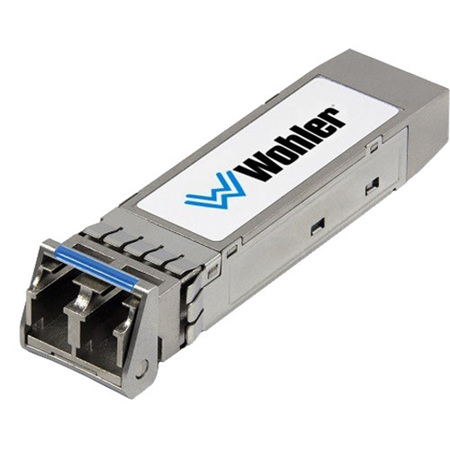
MADI interfaces have become an essential backbone for audio professionals who demand robust, high-channel-count digital audio transmission in both studio and live environments. As the industry standard defined by AES10, MADI technology enables the transport of up to 64 channels of pristine digital audio at 48kHz over a single coaxial or fiber optic cable, dramatically simplifying complex setups. This streamlined connectivity is a game-changer for anyone managing large-scale productions, whether it’s a bustling broadcast facility, a multi-room recording studio, or a touring live sound rig. With point-to-point architecture, MADI interfaces offer direct, reliable links between devices like digital mixing consoles, stage boxes, and audio interfaces, minimizing latency and the risk of signal degradation even across long cable runs—sometimes stretching over two kilometers with fiber. For audio engineers, this means less time spent on intricate wiring and more focus on capturing and mixing the perfect sound. During the winter months, when studios often see an uptick in album projects and post-production work, the ability to quickly reconfigure routing with minimal downtime is invaluable. The low latency and rock-solid synchronization provided by MADI interfaces make them the preferred choice for real-time monitoring and critical live applications where timing is everything.
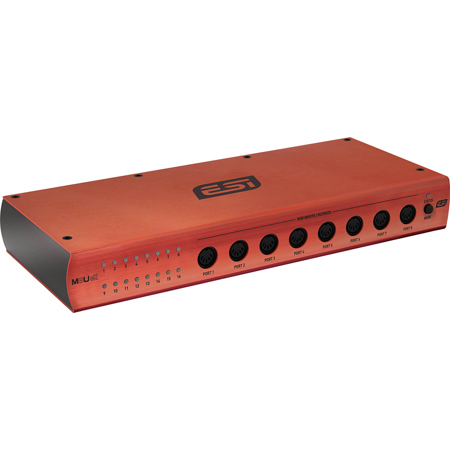
When considering a MADI interface, it’s important to evaluate the scale and flexibility required for your workflow. Professionals working in environments with multiple digital audio devices benefit from MADI’s high channel count and straightforward integration—especially when connecting to digital consoles, DAWs, or outboard gear that support this protocol. For those who frequently transition between live and studio settings, or need to interface with other digital audio networks, many MADI devices also offer format conversion, making it seamless to bridge MADI with systems like Dante or AVB. Word clock synchronization is another key consideration; MADI interfaces can embed clock signals within the audio stream or accept them separately, ensuring every device in your chain remains perfectly in sync. This is particularly crucial in scenarios where audio must remain phase-accurate across multiple rooms or venues. For audio professionals who also need to control MIDI devices remotely, some MADI interfaces even support MIDI-over-MADI, allowing for both audio and control data to travel together with ease. Whether you’re upgrading your studio’s digital backbone or outfitting a mobile recording rig, MADI interfaces offer the reliability, scalability, and future-proofing that demanding audio workflows require.
MADI interfaces are not only a staple for seasoned engineers and production managers but also make a thoughtful gift for audio enthusiasts stepping into the world of professional digital audio. Their intuitive setup and robust performance are ideal for anyone looking to expand their creative possibilities, from educators building out music technology labs to bands capturing live performances on tour. As winter projects ramp up and creative energy surges indoors, a MADI interface can be the linchpin that transforms a standard setup into a flexible, high-capacity audio network. For those interested in integrating microphones into their digital workflow, exploring complementary solutions like Mic Interfaces can further enhance the versatility and quality of your recordings. Whether you’re orchestrating a complex live broadcast, recording a symphony orchestra, or simply future-proofing your studio, MADI interfaces provide the foundation for seamless, high-fidelity audio transmission across any professional environment.
When considering a MADI interface, it’s important to evaluate the scale and flexibility required for your workflow. Professionals working in environments with multiple digital audio devices benefit from MADI’s high channel count and straightforward integration—especially when connecting to digital consoles, DAWs, or outboard gear that support this protocol. For those who frequently transition between live and studio settings, or need to interface with other digital audio networks, many MADI devices also offer format conversion, making it seamless to bridge MADI with systems like Dante or AVB. Word clock synchronization is another key consideration; MADI interfaces can embed clock signals within the audio stream or accept them separately, ensuring every device in your chain remains perfectly in sync. This is particularly crucial in scenarios where audio must remain phase-accurate across multiple rooms or venues. For audio professionals who also need to control MIDI devices remotely, some MADI interfaces even support MIDI-over-MADI, allowing for both audio and control data to travel together with ease. Whether you’re upgrading your studio’s digital backbone or outfitting a mobile recording rig, MADI interfaces offer the reliability, scalability, and future-proofing that demanding audio workflows require.
MADI interfaces are not only a staple for seasoned engineers and production managers but also make a thoughtful gift for audio enthusiasts stepping into the world of professional digital audio. Their intuitive setup and robust performance are ideal for anyone looking to expand their creative possibilities, from educators building out music technology labs to bands capturing live performances on tour. As winter projects ramp up and creative energy surges indoors, a MADI interface can be the linchpin that transforms a standard setup into a flexible, high-capacity audio network. For those interested in integrating microphones into their digital workflow, exploring complementary solutions like Mic Interfaces can further enhance the versatility and quality of your recordings. Whether you’re orchestrating a complex live broadcast, recording a symphony orchestra, or simply future-proofing your studio, MADI interfaces provide the foundation for seamless, high-fidelity audio transmission across any professional environment.