
Memory For Servers
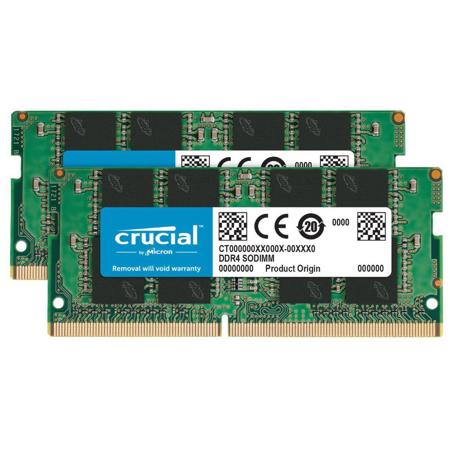
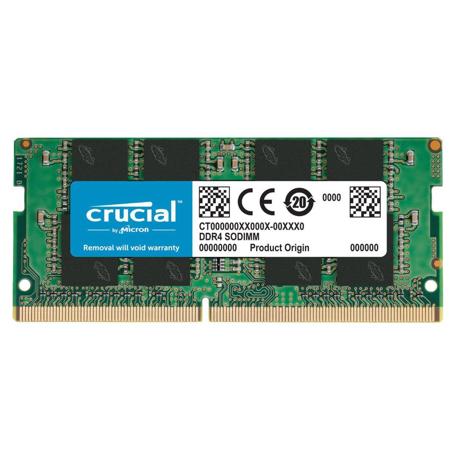
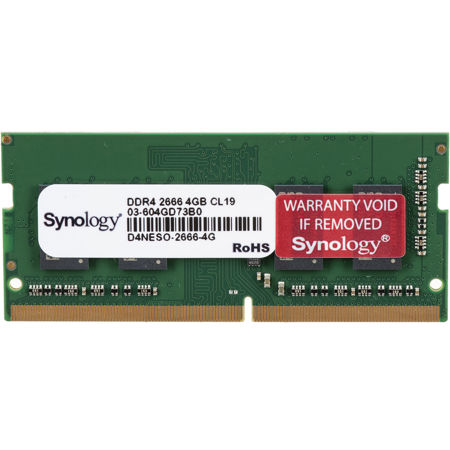
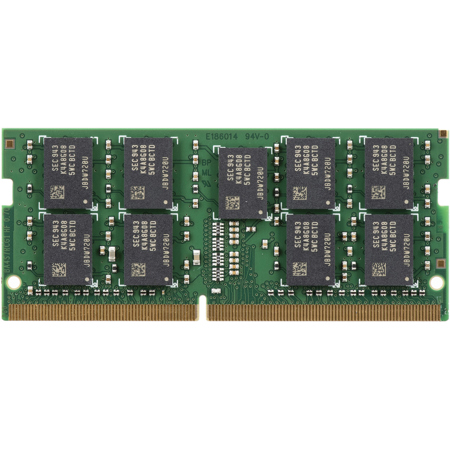
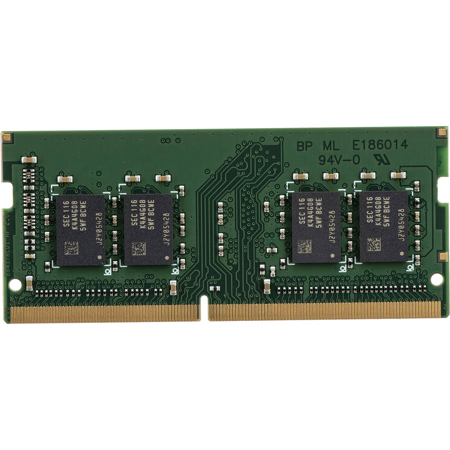
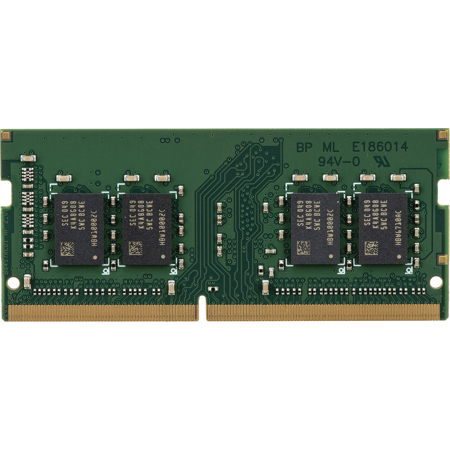
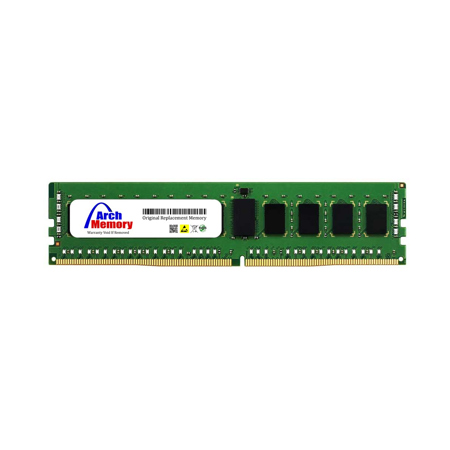
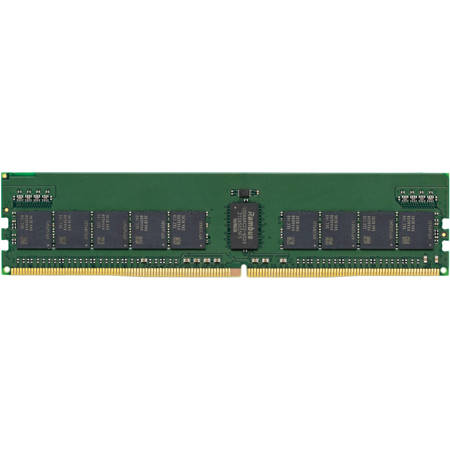
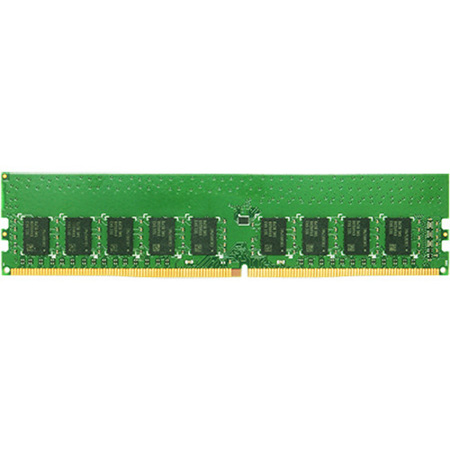
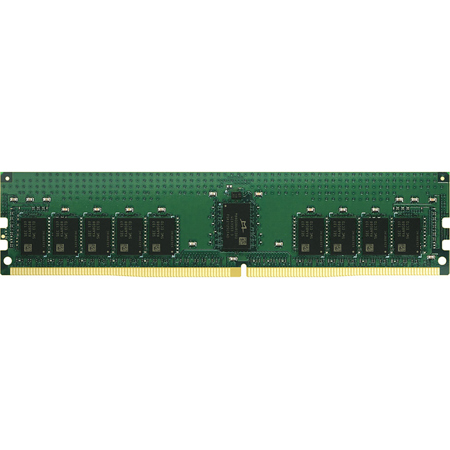
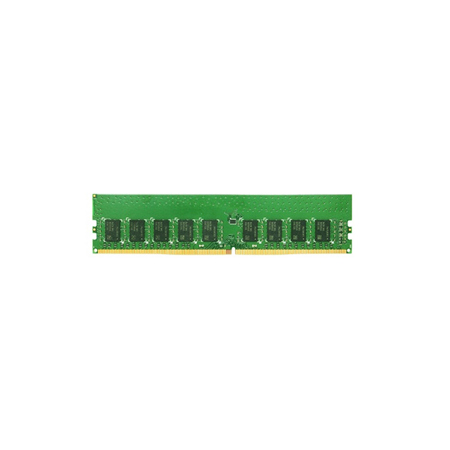
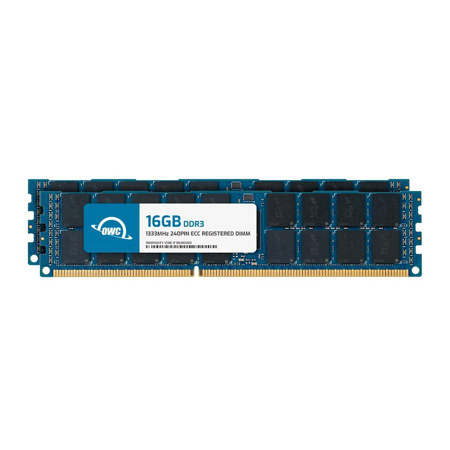
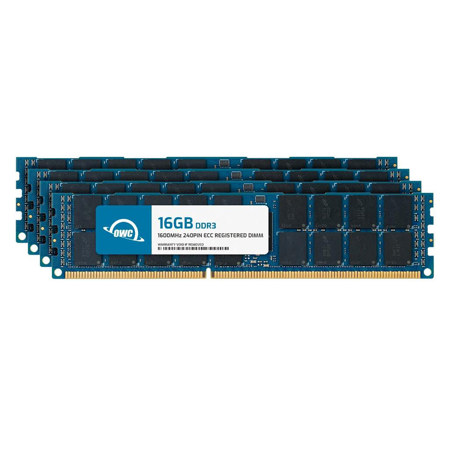
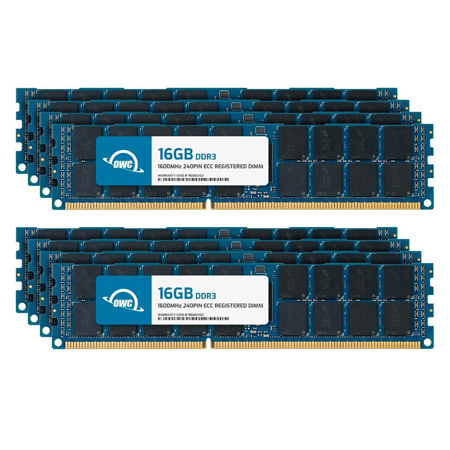
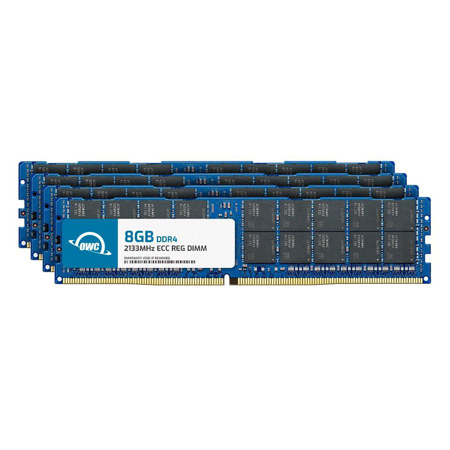
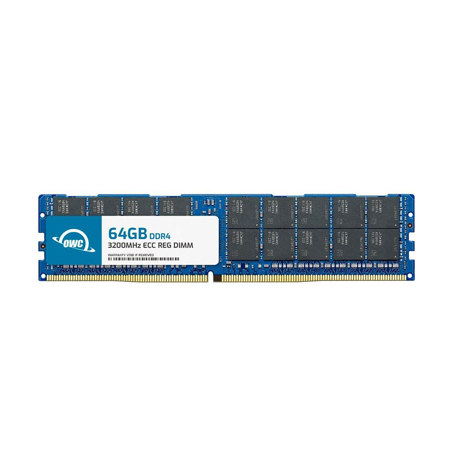
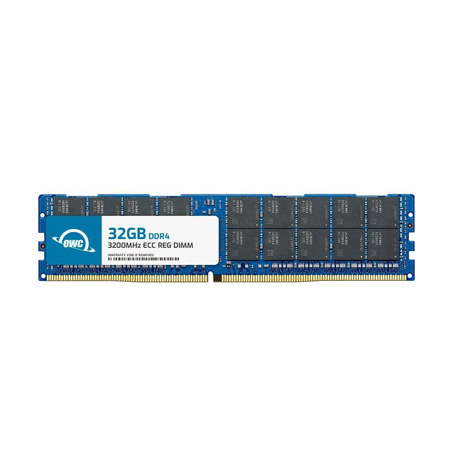
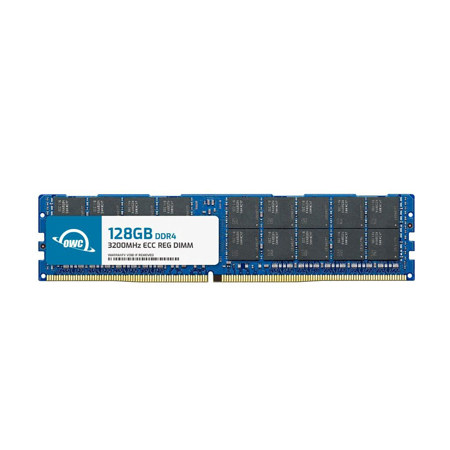
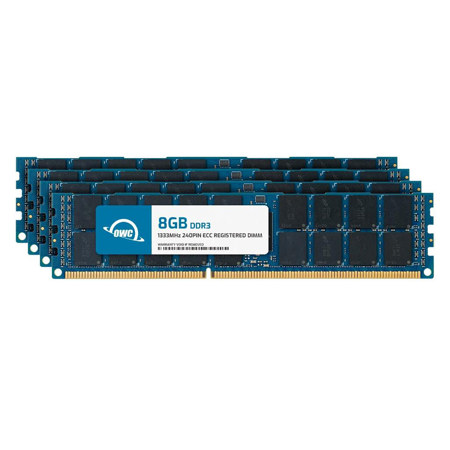
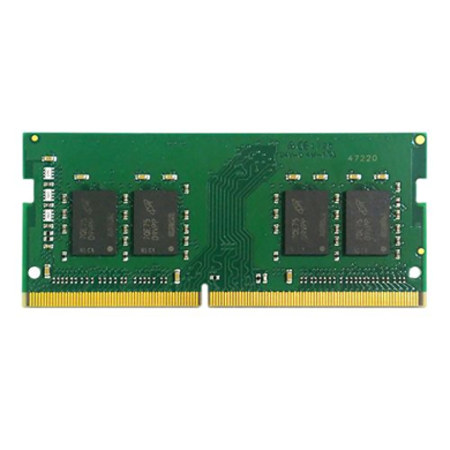
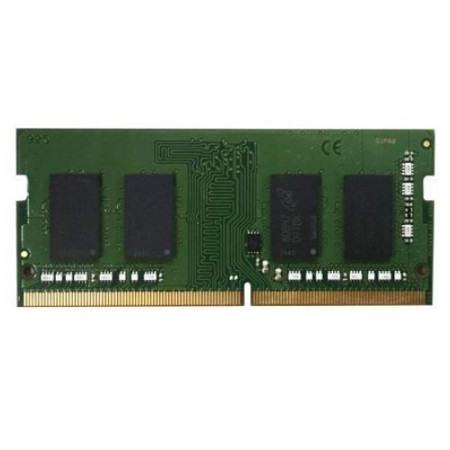
As organizations and professionals look to enhance their IT infrastructure during the transition from early summer into the cooler months, the importance of reliable memory for servers becomes even more pronounced. Whether you’re managing a bustling data center, supporting a growing business’s digital operations, or maintaining a home lab for virtualization and development, the right server memory is at the core of stable and efficient performance. Server memory, often referred to as RAM, serves as the high-speed workspace where critical data is temporarily stored and accessed by the CPU, enabling multitasking, seamless operation of virtual machines, and the smooth running of large databases. For IT managers, system administrators, and tech enthusiasts alike, investing in the appropriate type of memory for servers—such as ECC (Error-Correcting Code) modules—can mean the difference between a resilient, always-on environment and one vulnerable to costly downtime or data corruption. ECC memory is particularly valued in professional settings for its ability to detect and correct data errors in real time, ensuring the integrity of operations where even a minor glitch could have significant consequences.
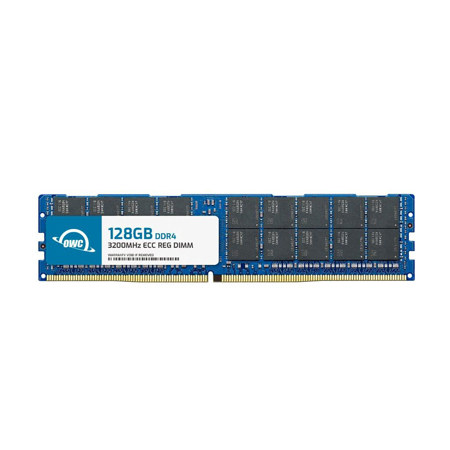
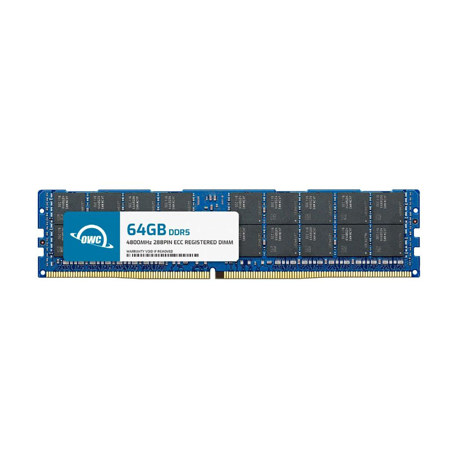
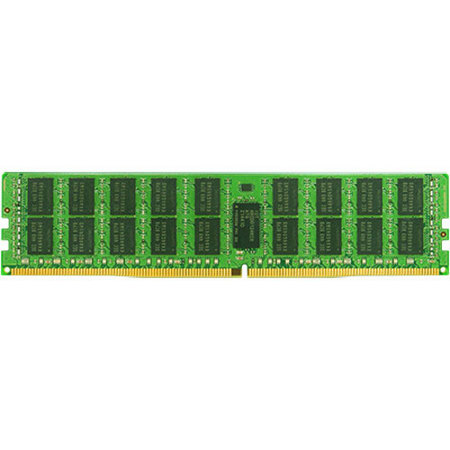
As server demands continue to evolve, especially with the increasing reliance on cloud computing and virtualization, considerations like capacity, speed, and compatibility have become top priorities. Modern enterprise environments often require Registered (Buffered) DIMMs, which use a register to buffer electrical signals, alleviating the load on the memory controller and supporting higher memory capacities essential for resource-intensive applications. For those scaling up to handle even heavier workloads, Load-Reduced DIMMs (LRDIMMs) offer the ability to maximize memory capacity by isolating memory chips from the memory bus, making them ideal for large-scale virtualization or database hosting. Whether upgrading existing infrastructure or building a new server from scratch, choosing between DDR4 and DDR5 technologies is another crucial decision. DDR4 remains a standard for many established systems, offering reliable speeds and broad compatibility, while DDR5 is gaining traction in next-generation servers thanks to its higher bandwidth and greater energy efficiency—features that help future-proof your setup as technology advances.
Selecting memory for servers is not just a technical decision, but a strategic investment in the performance, reliability, and scalability of your IT ecosystem. During the warmer months, businesses often experience increased online activity, and educators or researchers may take advantage of the academic break to upgrade lab equipment, making this an ideal time to assess and enhance server memory. For those seeking thoughtful, practical gifts for IT professionals, system builders, or students pursuing computer science, high-quality server memory modules can be a welcome and impactful choice. Each module represents peace of mind—knowing that data is protected and systems are optimized for whatever challenges lie ahead. To further explore compatible options and complete your setup with networking gear, processors, and storage solutions, visit our dedicated Server Equipment page. Here, you’ll find everything needed to build a robust, high-performance server environment that stands up to the demands of the season and beyond.
As server demands continue to evolve, especially with the increasing reliance on cloud computing and virtualization, considerations like capacity, speed, and compatibility have become top priorities. Modern enterprise environments often require Registered (Buffered) DIMMs, which use a register to buffer electrical signals, alleviating the load on the memory controller and supporting higher memory capacities essential for resource-intensive applications. For those scaling up to handle even heavier workloads, Load-Reduced DIMMs (LRDIMMs) offer the ability to maximize memory capacity by isolating memory chips from the memory bus, making them ideal for large-scale virtualization or database hosting. Whether upgrading existing infrastructure or building a new server from scratch, choosing between DDR4 and DDR5 technologies is another crucial decision. DDR4 remains a standard for many established systems, offering reliable speeds and broad compatibility, while DDR5 is gaining traction in next-generation servers thanks to its higher bandwidth and greater energy efficiency—features that help future-proof your setup as technology advances.
Selecting memory for servers is not just a technical decision, but a strategic investment in the performance, reliability, and scalability of your IT ecosystem. During the warmer months, businesses often experience increased online activity, and educators or researchers may take advantage of the academic break to upgrade lab equipment, making this an ideal time to assess and enhance server memory. For those seeking thoughtful, practical gifts for IT professionals, system builders, or students pursuing computer science, high-quality server memory modules can be a welcome and impactful choice. Each module represents peace of mind—knowing that data is protected and systems are optimized for whatever challenges lie ahead. To further explore compatible options and complete your setup with networking gear, processors, and storage solutions, visit our dedicated Server Equipment page. Here, you’ll find everything needed to build a robust, high-performance server environment that stands up to the demands of the season and beyond.