

Microscopy Cameras
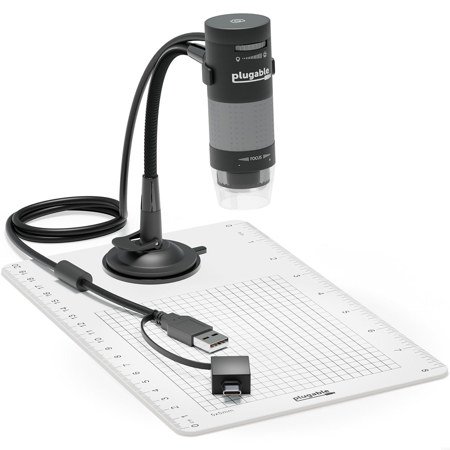
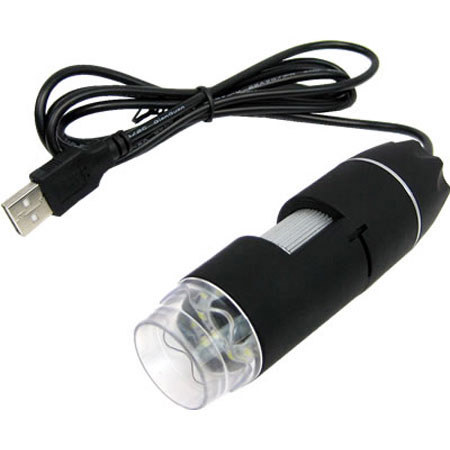
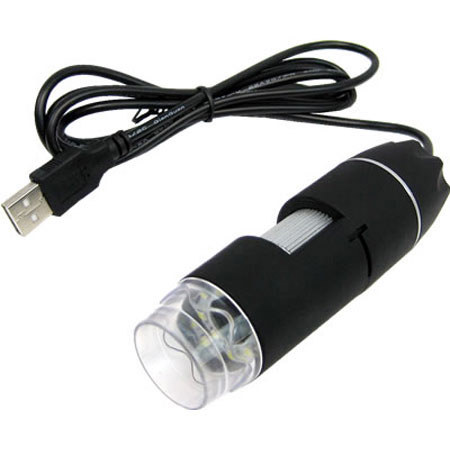
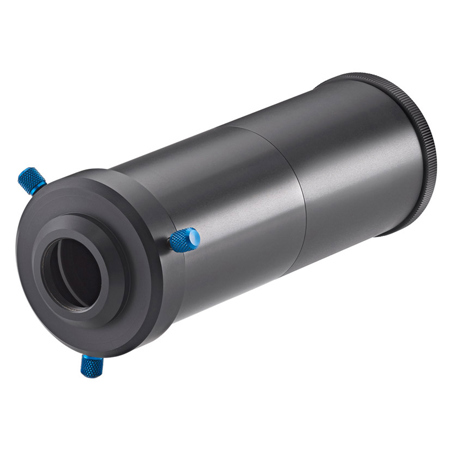
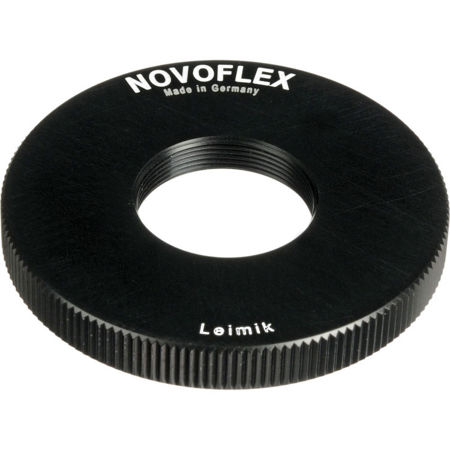
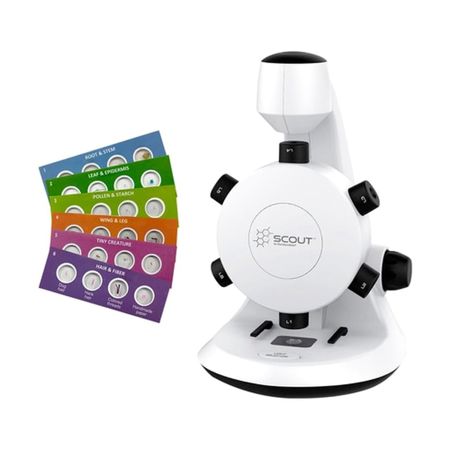
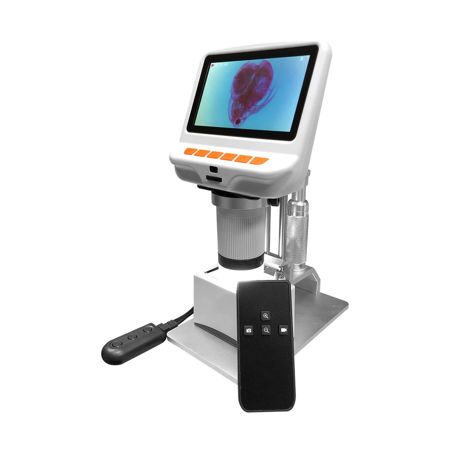
Microscopy cameras have revolutionized the way professionals and enthusiasts alike explore the microscopic world, making it easier than ever to capture, document, and share the intricate details that are otherwise invisible to the naked eye. Whether you're outfitting a laboratory, equipping a classroom, or nurturing a budding scientist's curiosity at home, these cameras open up new avenues for discovery and learning. They are designed to integrate seamlessly with a variety of microscopes—ranging from compound and stereo models in research labs to more portable, handheld digital scopes favored by hobbyists and field researchers. Many microscopy cameras offer flexible mounting options, such as C-mount attachments, which fit directly into the eyepiece or trinocular port of a microscope, ensuring compatibility and stability during detailed observation sessions. This adaptability makes them invaluable not only for scientific research and industrial inspection but also for educational demonstrations and creative pursuits like photomicrography, where capturing high-resolution images and real-time video is essential.
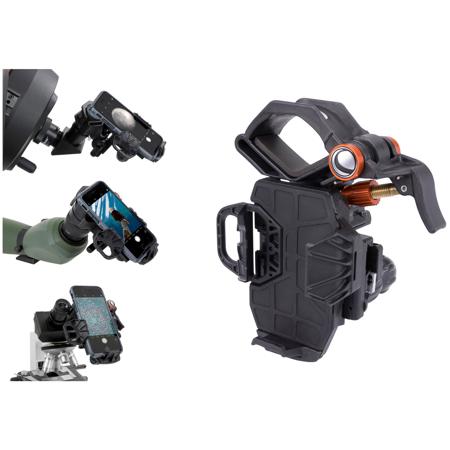
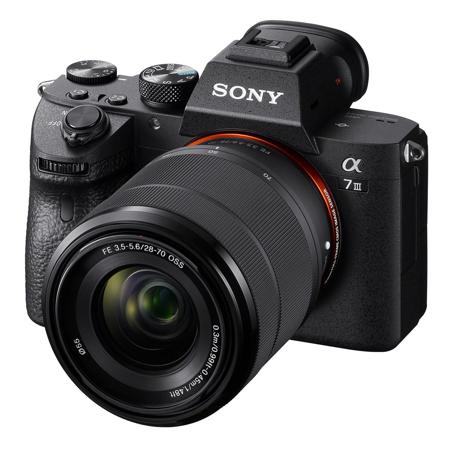
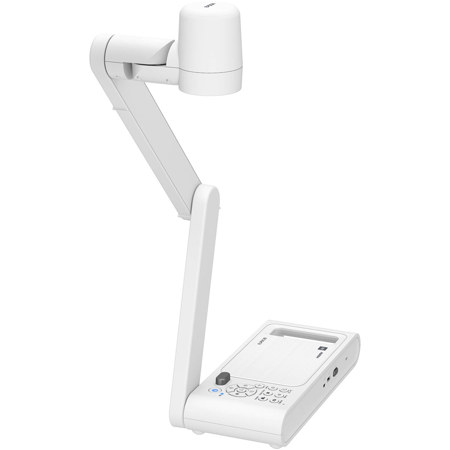
As the weather transitions from the warmth of summer into the cooler days of fall, microscopy cameras become especially popular for both indoor projects and outdoor exploration. Students returning to school may find these cameras indispensable for biology labs, where the ability to project live images onto a screen enhances group learning and collaboration. At home, families and hobbyists can use microscopes with cameras to examine everything from pond water to autumn leaves, fostering a deeper appreciation for nature’s smallest wonders. These devices are also a thoughtful gift for anyone interested in science, technology, or photography, offering a hands-on way to engage with the world at a microscopic level. When selecting a microscopy camera, it’s important to consider factors such as resolution, connectivity options (USB, WiFi, HDMI), and compatibility with your existing microscope setup. For those needing advanced imaging capabilities, models with high megapixel counts and 4K video output enable precise measurement and documentation, which are critical for research, industrial quality control, or educational archiving. Entry-level options, including smartphone clip-ons and handheld digital scopes, provide an accessible starting point for young learners and hobbyists, often featuring built-in LED illumination and user-friendly interfaces.
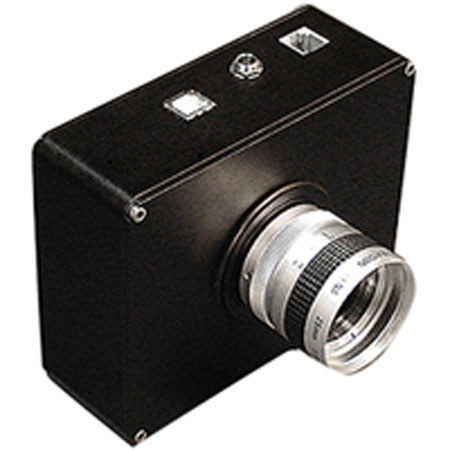
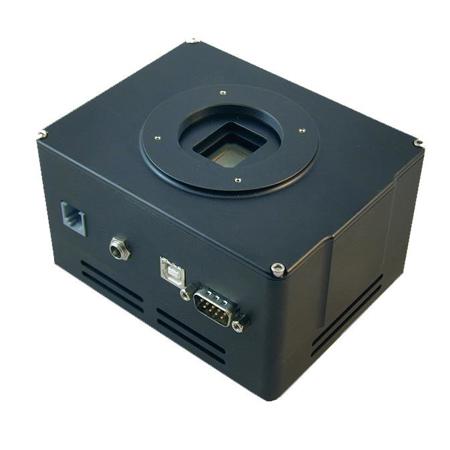
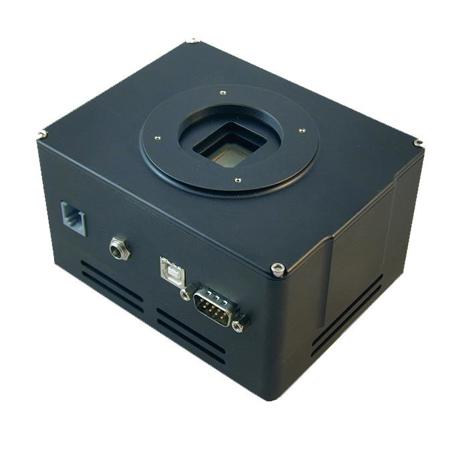
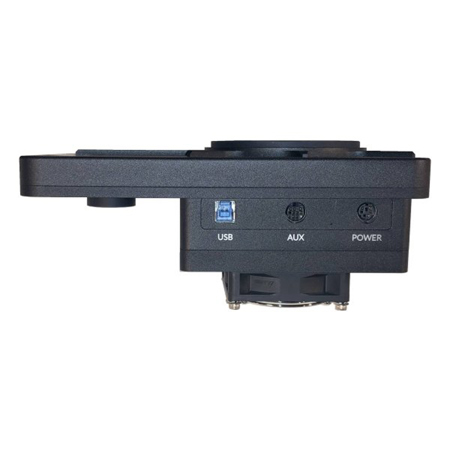
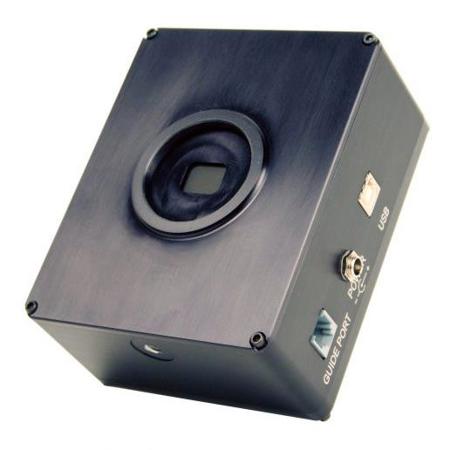
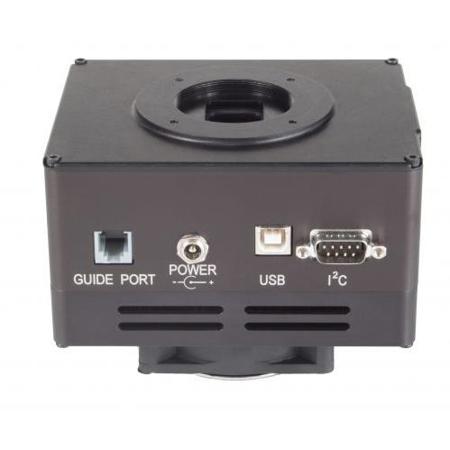
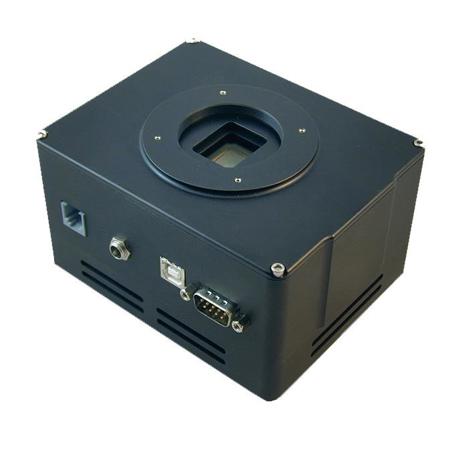
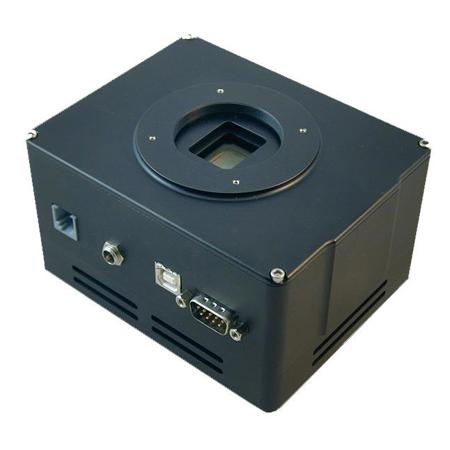
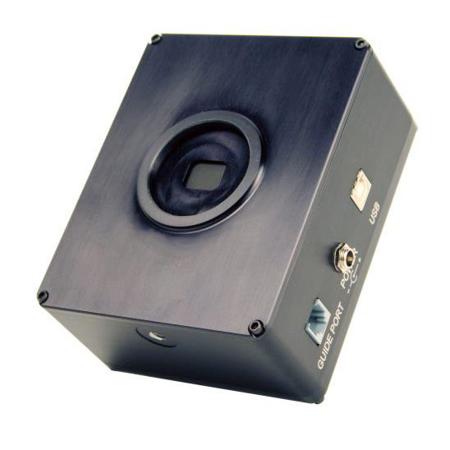
In addition to digital and USB models, some users may benefit from exploring traditional CCD Cameras, which are known for their sensitivity and low noise—qualities that are particularly valuable in low-light or fluorescence microscopy applications. Across all types, the ability to stream, record, and share high-quality images transforms the experience of microscopic observation, making it more interactive and collaborative. Whether used in a professional lab, a classroom, or a creative studio, microscopy cameras empower users to document discoveries, analyze samples with precision, and share findings with colleagues or friends around the world. As interests shift from summer fieldwork to autumn’s indoor experiments, these cameras continue to inspire curiosity and support innovation, making them a versatile tool for anyone eager to see—and share—the unseen.
As the weather transitions from the warmth of summer into the cooler days of fall, microscopy cameras become especially popular for both indoor projects and outdoor exploration. Students returning to school may find these cameras indispensable for biology labs, where the ability to project live images onto a screen enhances group learning and collaboration. At home, families and hobbyists can use microscopes with cameras to examine everything from pond water to autumn leaves, fostering a deeper appreciation for nature’s smallest wonders. These devices are also a thoughtful gift for anyone interested in science, technology, or photography, offering a hands-on way to engage with the world at a microscopic level. When selecting a microscopy camera, it’s important to consider factors such as resolution, connectivity options (USB, WiFi, HDMI), and compatibility with your existing microscope setup. For those needing advanced imaging capabilities, models with high megapixel counts and 4K video output enable precise measurement and documentation, which are critical for research, industrial quality control, or educational archiving. Entry-level options, including smartphone clip-ons and handheld digital scopes, provide an accessible starting point for young learners and hobbyists, often featuring built-in LED illumination and user-friendly interfaces.
In addition to digital and USB models, some users may benefit from exploring traditional CCD Cameras, which are known for their sensitivity and low noise—qualities that are particularly valuable in low-light or fluorescence microscopy applications. Across all types, the ability to stream, record, and share high-quality images transforms the experience of microscopic observation, making it more interactive and collaborative. Whether used in a professional lab, a classroom, or a creative studio, microscopy cameras empower users to document discoveries, analyze samples with precision, and share findings with colleagues or friends around the world. As interests shift from summer fieldwork to autumn’s indoor experiments, these cameras continue to inspire curiosity and support innovation, making them a versatile tool for anyone eager to see—and share—the unseen.