
Monochrome Astrophotography
Monochrome astrophotography opens up a world of detail and depth for both seasoned astronomers and passionate hobbyists. Unlike traditional color sensors, monochrome sensors capture every subtle nuance of light with heightened sensitivity, allowing for the collection of crisp, high-contrast images of celestial objects. This makes them an excellent choice for those seeking to reveal the intricate structure of nebulae, the delicate bands of distant galaxies, or the fine surface details of the moon and planets. As winter nights linger into February, the clarity of the cold air and longer hours of darkness offer prime conditions for deep-sky imaging. Many astrophotographers find themselves drawn to monochrome imaging during this time, as the technology excels in low-light environments and can make the most of fleeting clear skies. Whether you are setting up a permanent observatory in your backyard or packing up gear for a stargazing trip to a remote, dark-sky location, investing in monochrome equipment can be a transformative step in your astrophotography journey.
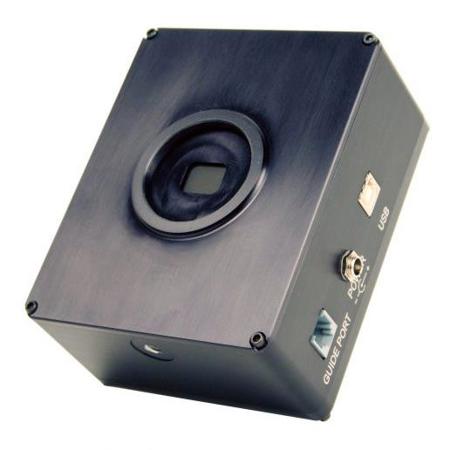
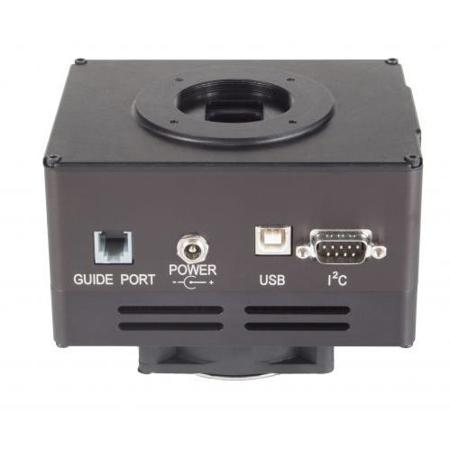
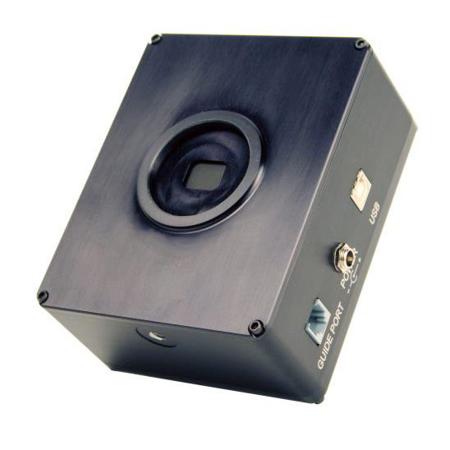
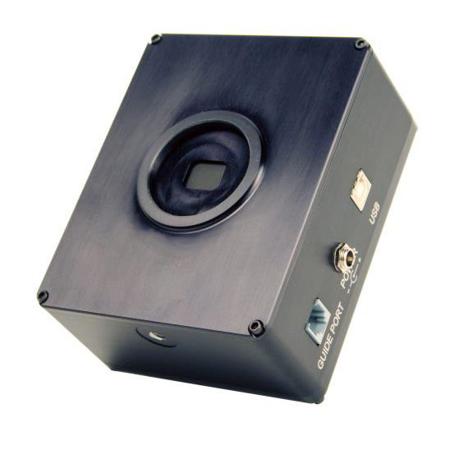
When considering products for monochrome astrophotography, there are several key factors to keep in mind. First, the sensor type is crucial; many enthusiasts prefer monochrome CCD sensors for their low noise and high quantum efficiency, which translates to sharper images and better signal-to-noise ratios, especially during long exposures. The modularity of monochrome setups is another significant advantage. By pairing your camera with a filter wheel, you can capture specific wavelengths of light, allowing for the creation of stunning composite images that highlight different elements of the cosmos. This flexibility appeals not only to advanced users but also to ambitious beginners eager to learn the craft of combining luminance and narrowband data. For those looking to give a meaningful gift, monochrome astrophotography gear is a thoughtful choice for astronomy students, science educators, or anyone with a fascination for the night sky. Accessories such as dedicated cooling systems, precision focusers, and robust mounting solutions further enhance the imaging experience, ensuring that each session is as productive and rewarding as possible.
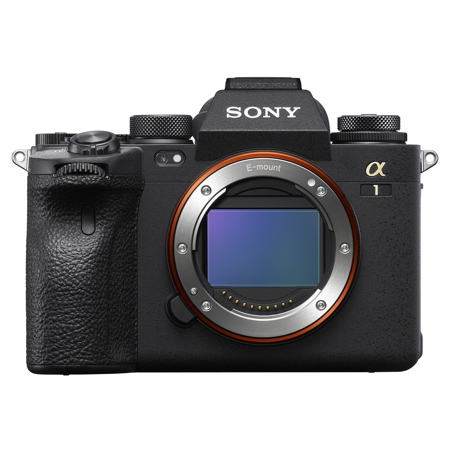
For those who wish to expand their imaging toolkit, integrating a monochrome setup with other types of cameras can yield even more creative possibilities. For instance, pairing a monochrome CCD with a guide camera or using a color camera for wide-field shots and a monochrome sensor for detailed close-ups can provide a versatile approach to capturing the universe. As you explore new ways to refine your astrophotography workflow, you might consider complementing your monochrome gear with mirrorless cameras specifically optimized for astrophotography. These cameras offer lightweight designs, advanced sensor technology, and exceptional adaptability, making them a popular choice among both field photographers and observatory users. For more information on how these systems can enhance your night sky photography, visit our page on Mirrorless Cameras For Astrophotography. Whether you are charting the faint trails of distant comets or capturing the ethereal glow of star-forming regions, the right monochrome astrophotography equipment can help you unlock new levels of detail and artistry in every frame.
When considering products for monochrome astrophotography, there are several key factors to keep in mind. First, the sensor type is crucial; many enthusiasts prefer monochrome CCD sensors for their low noise and high quantum efficiency, which translates to sharper images and better signal-to-noise ratios, especially during long exposures. The modularity of monochrome setups is another significant advantage. By pairing your camera with a filter wheel, you can capture specific wavelengths of light, allowing for the creation of stunning composite images that highlight different elements of the cosmos. This flexibility appeals not only to advanced users but also to ambitious beginners eager to learn the craft of combining luminance and narrowband data. For those looking to give a meaningful gift, monochrome astrophotography gear is a thoughtful choice for astronomy students, science educators, or anyone with a fascination for the night sky. Accessories such as dedicated cooling systems, precision focusers, and robust mounting solutions further enhance the imaging experience, ensuring that each session is as productive and rewarding as possible.
For those who wish to expand their imaging toolkit, integrating a monochrome setup with other types of cameras can yield even more creative possibilities. For instance, pairing a monochrome CCD with a guide camera or using a color camera for wide-field shots and a monochrome sensor for detailed close-ups can provide a versatile approach to capturing the universe. As you explore new ways to refine your astrophotography workflow, you might consider complementing your monochrome gear with mirrorless cameras specifically optimized for astrophotography. These cameras offer lightweight designs, advanced sensor technology, and exceptional adaptability, making them a popular choice among both field photographers and observatory users. For more information on how these systems can enhance your night sky photography, visit our page on Mirrorless Cameras For Astrophotography. Whether you are charting the faint trails of distant comets or capturing the ethereal glow of star-forming regions, the right monochrome astrophotography equipment can help you unlock new levels of detail and artistry in every frame.