Overhead Microphones
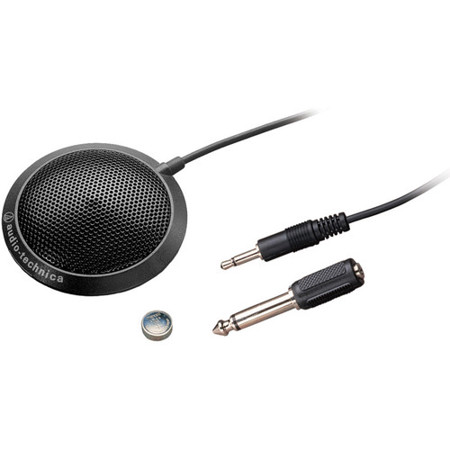
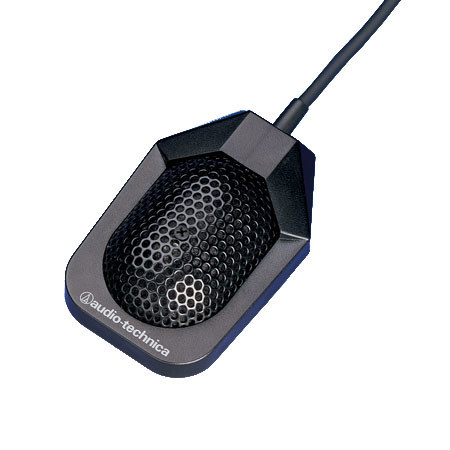
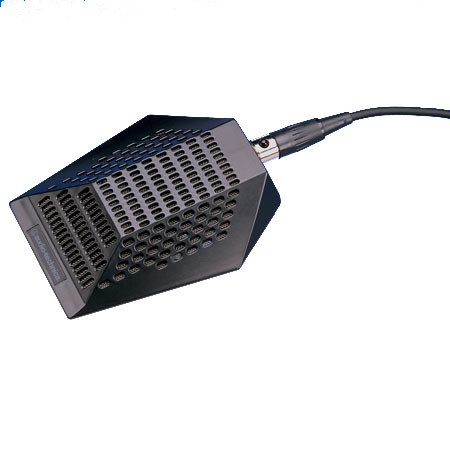
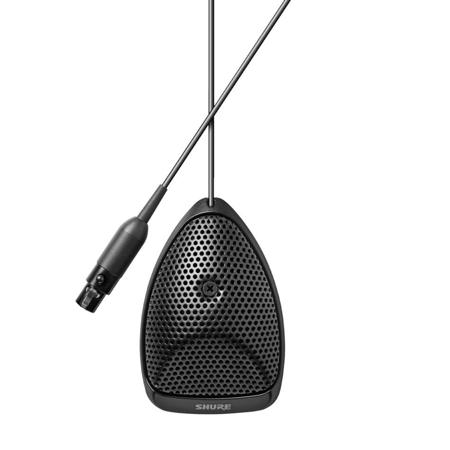
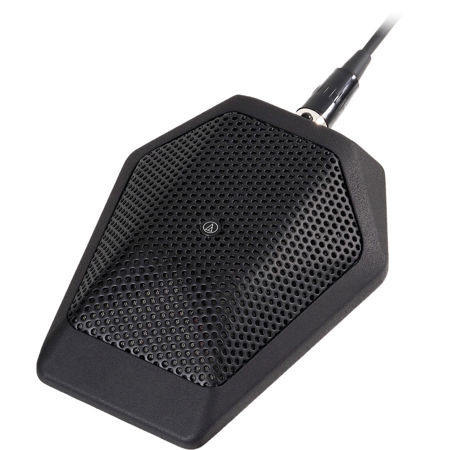
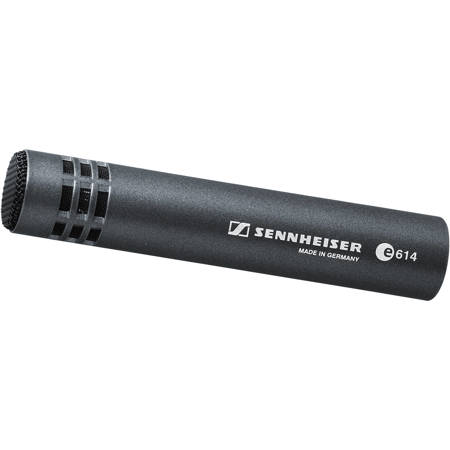
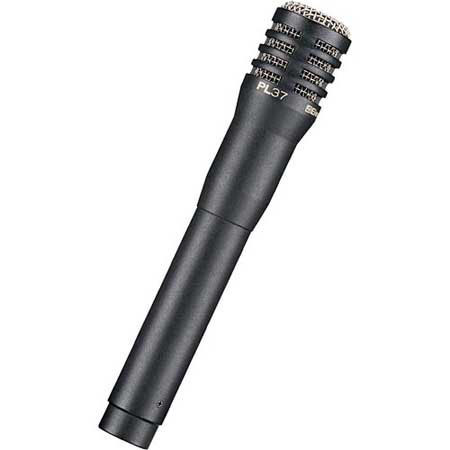
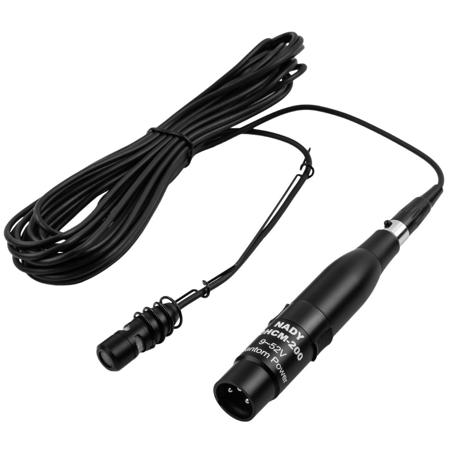
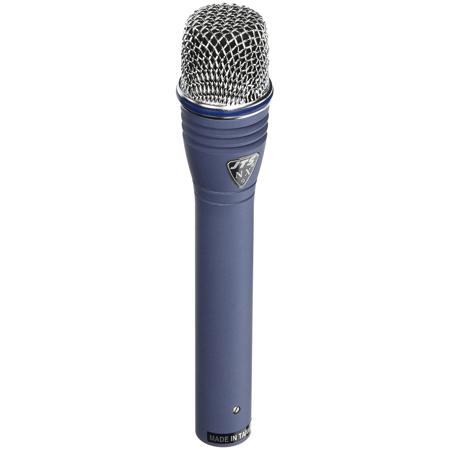
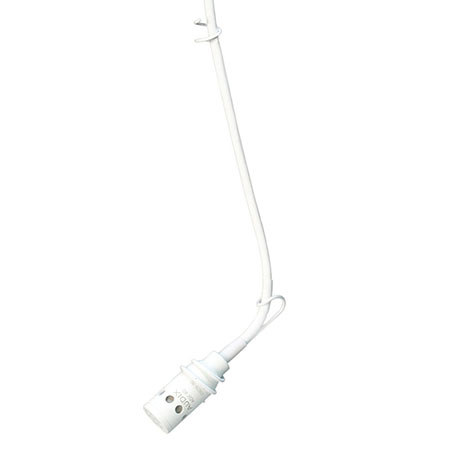
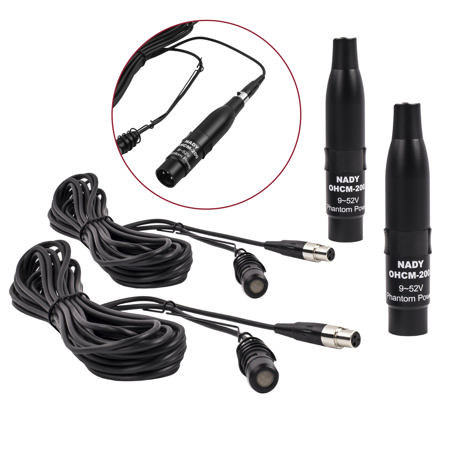
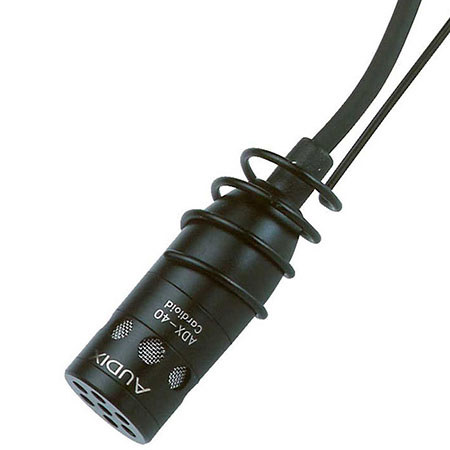
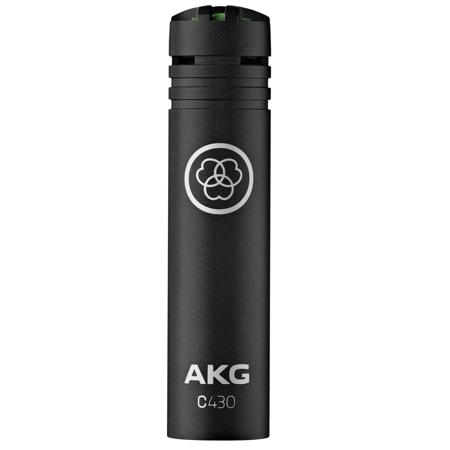
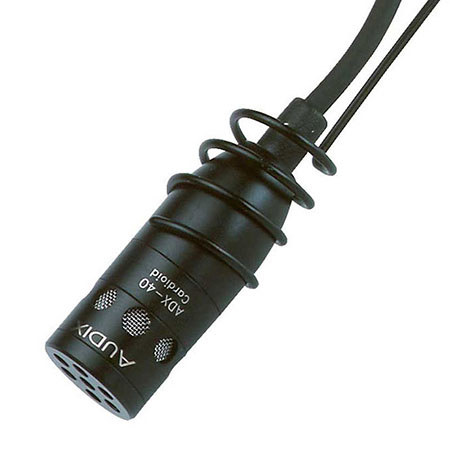
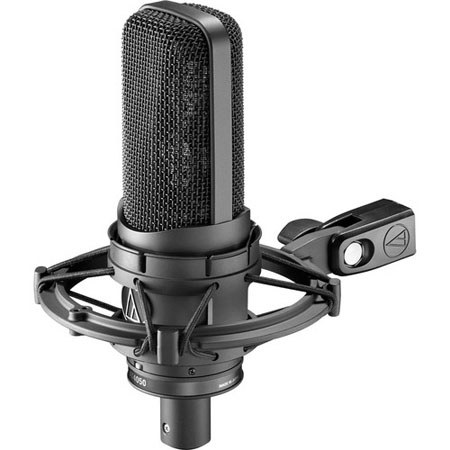
Overhead microphones are a cornerstone in both professional and home studio environments, trusted by engineers and musicians alike for their ability to capture a vivid, three-dimensional image of sound. Whether suspended above a drum kit to articulate the shimmer of cymbals and the natural resonance of the room, or carefully positioned to record the sweeping dynamics of an orchestra or choir, these microphones deliver a blend of clarity and ambience that is difficult to achieve with close-miking techniques alone. As the weather warms and music festivals, outdoor performances, and recording projects ramp up, the demand for reliable overhead microphone options grows. They are equally at home in a bustling studio, a school auditorium, or a house of worship, making them a versatile choice for anyone looking to elevate their audio capture. The small-diaphragm condenser design, favored for overhead use, excels at picking up fast transients and subtle details, ensuring that every nuance of a performance is preserved. For those setting up a home studio, gifting an overhead microphone to a budding musician or audio enthusiast can be a thoughtful way to encourage creativity and support their passion for sound.
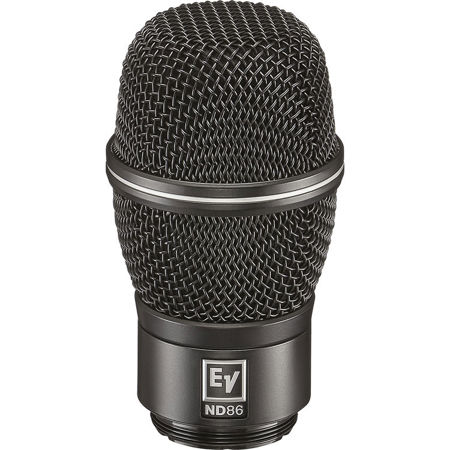
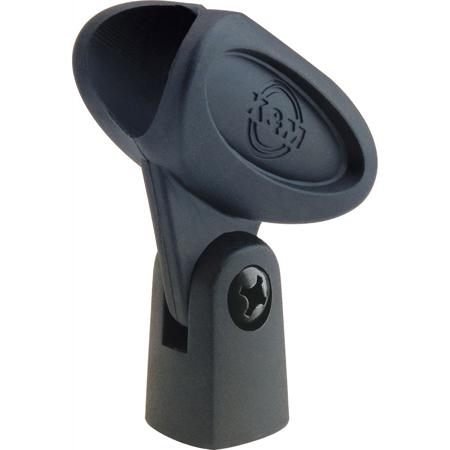
Selecting the right overhead microphone involves balancing several key considerations: the intended application, the acoustic environment, and the desired stereo imaging technique. Overhead mics are often used in pairs to create a wide, immersive soundstage—common configurations include the spaced pair (A-B), which delivers a dramatic stereo effect by positioning two microphones above the left and right sides of a drum kit, and the X-Y coincident pair, which places two capsules at a 90-degree angle for a focused stereo image with excellent mono compatibility. For those who prefer a more vintage or experimental approach, the Glyn Johns technique offers a distinctive, phase-coherent sound by placing one microphone above the snare and another over the floor tom, both equidistant from the snare. These setups are not limited to drums; they are equally effective for capturing the lush harmonics of a grand piano, the blend of voices in a choir, or the ambience of a live stage. When choosing an overhead microphone, consider the polar pattern—cardioid models are popular for their ability to reject off-axis noise, while omnidirectional mics can capture a broader sense of space. Durability and mounting options are also important, especially for venues or studios that require frequent setup changes. For those looking to customize or upgrade their microphone setup, exploring compatible components like Microphone Heads can further refine your sound.
Overhead microphones are a thoughtful gift for audio engineers, music educators, and performers heading into a busy season of rehearsals, recordings, and live shows. Their ability to capture the essence of a performance—from the crisp attack of a jazz ride cymbal to the soaring harmonies of a choral ensemble—makes them indispensable tools for anyone serious about sound. As outdoor events and creative projects move from spring into the cooler months, the flexibility and quality offered by a well-chosen overhead microphone can make all the difference, ensuring every performance is heard with stunning clarity and depth. Whether you are building a studio from the ground up, upgrading your live sound rig, or simply seeking to document the energy of a live performance, overhead microphones provide a reliable and rewarding solution for capturing the full spectrum of musical expression.
Selecting the right overhead microphone involves balancing several key considerations: the intended application, the acoustic environment, and the desired stereo imaging technique. Overhead mics are often used in pairs to create a wide, immersive soundstage—common configurations include the spaced pair (A-B), which delivers a dramatic stereo effect by positioning two microphones above the left and right sides of a drum kit, and the X-Y coincident pair, which places two capsules at a 90-degree angle for a focused stereo image with excellent mono compatibility. For those who prefer a more vintage or experimental approach, the Glyn Johns technique offers a distinctive, phase-coherent sound by placing one microphone above the snare and another over the floor tom, both equidistant from the snare. These setups are not limited to drums; they are equally effective for capturing the lush harmonics of a grand piano, the blend of voices in a choir, or the ambience of a live stage. When choosing an overhead microphone, consider the polar pattern—cardioid models are popular for their ability to reject off-axis noise, while omnidirectional mics can capture a broader sense of space. Durability and mounting options are also important, especially for venues or studios that require frequent setup changes. For those looking to customize or upgrade their microphone setup, exploring compatible components like Microphone Heads can further refine your sound.
Overhead microphones are a thoughtful gift for audio engineers, music educators, and performers heading into a busy season of rehearsals, recordings, and live shows. Their ability to capture the essence of a performance—from the crisp attack of a jazz ride cymbal to the soaring harmonies of a choral ensemble—makes them indispensable tools for anyone serious about sound. As outdoor events and creative projects move from spring into the cooler months, the flexibility and quality offered by a well-chosen overhead microphone can make all the difference, ensuring every performance is heard with stunning clarity and depth. Whether you are building a studio from the ground up, upgrading your live sound rig, or simply seeking to document the energy of a live performance, overhead microphones provide a reliable and rewarding solution for capturing the full spectrum of musical expression.